 Talmud Bavli
Bava Batra 80b : Youtube
Daf TubeYoutube
2 video classes :
Bava Batra Page 80b
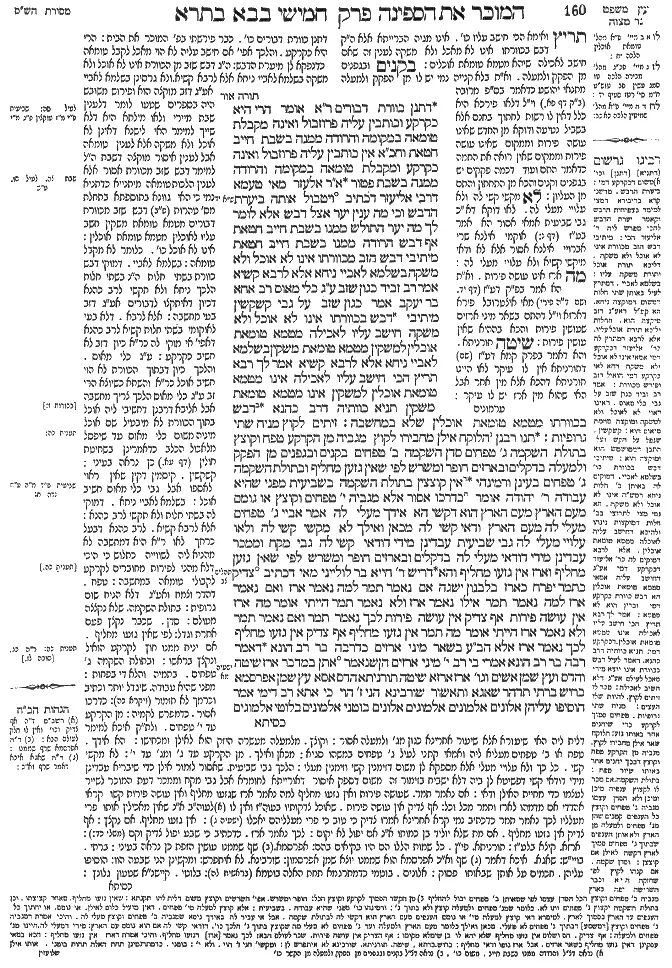
Bava Batra 80b - Guemara
דתנן כוורת דבורים ר"א אומר הרי היא כקרקע וכותבין עליה פרוזבול ואינה מקבלת טומאה במקומה והרודה ממנה בשבת חייב חטאת וחכמים אומרים אין כותבין עליה פרוזבול ואינה כקרקע ומקבלת טומאה במקומה והרודה ממנה בשבת פטור א"ר אלעזר מאי טעמא דרבי אליעזר דכתיב (שמואל א יד, כז) ויטבול אותה ביערת הדבש וכי מה ענין יער אצל דבש אלא לומר לך מה יער התולש ממנו בשבת חייב חטאת אף דבש הרודה ממנו בשבת חייב חטאת מיתיבי דבש הזב מכוורתו אינו לא אוכל ולא משקה בשלמא לאביי ניחא אלא לרבא קשיא אמר רב זביד כגון שזב ע"ג כלי מאוס רב אחא בר יעקב אמר כגון שזב על גבי קשקשין מיתיבי דבש בכוורתו אינו לא אוכל ולא משקה חישב עליו לאכילה מטמא טומאת אוכלין למשקין מטמא טומאת משקין בשלמא לאביי ניחא אלא לרבא קשיא אמר לך רבא תריץ הכי חישב עליו לאכילה אינו מטמא טומאת אוכלין למשקין אינו מטמא טומאת משקין תניא כוותיה דרב כהנא דבש בכוורתו מטמא טומאת אוכלין שלא במחשבה:
זיתים לקוץ מניח שתי גרופיות:
תנו רבנן הלוקח אילן מחבירו לקוץ מגביה מן הקרקע טפח וקוצץ בתולת השקמה ג' טפחים סדן השקמה ב' טפחים בקנים ובגפנים מן הפקק ולמעלה בדקלים ובארזים חופר ומשרש לפי שאין גזען מחליף ובתולת השקמה ג' טפחים בעינן ורמינהי אין קוצצין בתולת השקמה בשביעית מפני שהיא עבודה ר' יהודה אומר כדרכו אסור אלא מגביה י' טפחים וקוצץ או גומם מעם הארץ מעם הארץ הוא דקשי הא אידך מעלי לה אמר אביי ג' טפחים מעלי לה מעם הארץ ודאי קשי לה מכאן ואילך לא מקשי קשי לה ולאו עלויי מעלי לה גבי שביעית עבדינן מידי דודאי קשי לה גבי מקח וממכר עבדינן מידי דודאי מעלי לה בדקלים ובארזים חופר ומשרש לפי שאין גזען מחליף וארז אין גזעו מחליף והא דריש ר' חייא בר לולייני מאי דכתיב (תהלים צב, יג) צדיק כתמר יפרח כארז בלבנון ישגה אם נאמר תמר למה נאמר ארז ואם נאמר ארז למה נאמר תמר אילו נאמר ארז ולא נאמר תמר הייתי אומר מה ארז אין עושה פירות אף צדיק אין עושה פירות לכך נאמר תמר ואם נאמר תמר ולא נאמר ארז הייתי אומר מה תמר אין גזעו מחליף אף צדיק אין גזעו מחליף לכך נאמר ארז אלא הכא במאי עסקינן בשאר מיני ארזים כדרבה בר רב הונא דאמר רבה בר רב הונא אמרי בי רב י' מיני ארזים הן שנאמר (ישעיהו מא, יט) אתן במדבר ארז שיטה והדס ועץ שמן אשים וגו' ארז ארזא שיטה תורניתא הדס אסא עץ שמן אפרסמא ברוש ברתי תדהר שאגא ותאשור שורבינא הני ז' הוי כי אתא רב דימי אמר הוסיפו עליהן אלונים אלמונים אלמוגים אלונים בוטני אלמונים בלוטי אלמוגים
Comments from Rashbam - Bava Batra 80b
דתנן כוורת דבורים כו' . כבר פירשתי בפ' המוכר את הבית: הרי היא כקרקע . והלכך אפי' אם חישב עליה לא הוי מאכל לקבל טומאה כדנפקא לן מיערת הדבש: ה"ג דבש שזב מן הכוורת אינו לא אוכל ולא משקה בשלמא לאביי ניחא אלא לרבא קשיא. ולא גרסינן בשלמא לאביי אע"ג דזב מוקצה הוא ופירוש משובש היה בספרים שטעו לומר דלענין שבת מיירי ולאו מילתא היא דלא שייך למימר האי לישנא דאינן לא אוכל ולא משקה אלא לענין טומאה אבל לענין איסור מוקצה דשבת ה"ל למימר דבש שזב מכוורת אסור אלא לענין הלכות טומאה מיתנייא כדתניא נמי כי האי גוונא בתוספתא בתחלת מס' טהרות (פ"ב) דבש שזב מכוורת דבורים מטמא טומאת משקין חשב עליו לאוכלין מטמא טומאת אוכלין: אינו לא אוכל כו' . כלומר לא מקבל טומאה: בשלמא לאביי . דמוקי דבש כוורת בשתי חלות ה"נ בשתי חלות הלכך ניחא ולא תקשי לרב כהנא דכיון דאיתקצו לדבורים אע"ג דזב בעי מחשבה: אלא לרבא . דלא בעי לאוקומי בשתי חלות קשיא לרב כהנא דאפי' אי מוקי לה כר"א כיון דזב לא חשיב כקרקע: ע"ג כלי מאוס . והלכך כיון דבתוך הכוורת לא הוי חשיב אוכל כר"א והשתא כשיוצא הרי זב ע"ג כלי מאוס הלכך צריך מחשבה אבל אליבא דרבנן דחשיבי ליה אוכל בתוך הכוורת לא מיבטיל שם אוכל מיניה משום כלי מאוס עד שיפסל מלאכול הכלב כדאמרינן בשחיטת חולין (דף עא.) כן נראה בעיני: קשקשין . קיסמין דקין שאין ראוי לאספו אבל גבי כלי מאוס חשיב אוכל: בשלמא לאביי ניחא . דמוקי לה בשתי חלות ולא תקשי לרב כהנא: אלא לרבא קשיא . לרב כהנא דבעל כרחך לאו ר"ע היא דמחשבה לא מהניא ליה לשווייה כתלוש כי היכי דלא מהני לפירות מחוברים לקרקע לקבולי טומאה במחשבה: טפח . דהדר וצמח ואע"ג דלא הניח שום גרופית: בתולת השקמה . שלא נקצצה מעולם: סדן . שכבר נקצץ פעם אחרת וגדל: לפי שאין גזעו מחליף . אם יניח ממנו חוץ לקרקע הואיל ונקצץ בראשו: ובתולת השקמה ג' טפחים . בתמיה והלא די בפחות: מפני שהיא עבודה . שיגדל יותר וכתיב וכרמך לא תזמור (ויקרא כה): כדרכו אסור . כדמפרש לקמיה: מן הקרקע עד י' טפחים . ולת"ק איכא למימר דלית ליה האי שיעורא אלא שיעור אחרינא כגון מג' ולמעלה אסור: וקוצץ . מלמעלה מעשרה היזק הוא לאילן ומכחישו: הא אידך . טפח או ב' טפחים מעליא ליה ואמאי קתני לעיל ג' טפחים במשהו סגיא: מכאן ואילך . מן הקרקע עד ג' ומג' עד י': לא מקשי קשי . כל כך ולא עלויי מעלי אלא מספקא לן משום דזימנין קשי וזימנין מעלי: הלכך גבי שביעית . שאסור לזמור אילן כדי שיבריא עבדינן מידי דודאי קשי דפשיטא לן ביה דלא ישביח בזימור זה משום דספק איסור דאורייתא לחומרא אבל גבי מקח וממכר דעת המוכר לשייר לעצמו כדי מחיית האילן ודאי: אם נאמר תמר . שעושה פירות ואין גזעו מחליף למה נאמר ארז שגזעו מחליף ואין עושה פירות קשו קראי אהדדי אם מדמהו לארז ותמר מכל וכל: אף צדיק אין עושה פירות . שאוכל צדקותיו בעוה"ז ואין לו לעוה"ב א"נ שאין מאכילין אותו פרי מעלליו לכך נאמר תמר כדכתיב נמי קרא אחרינא אמרו צדיק כי טוב כי פרי מעלליהם יאכלו (ישעיהו ג): אין גזעו מחליף . אם נקצץ: אף צדיק אין גזעו מחליף . אם מת שלא יוליד בן כמותו א"נ אם יפול לא יקום: לכך נאמר ארז . כדכתיב כי שבע יפול צדיק וקם (משלי כד): ארזא . קיצא בלע"ז: תורניתא . פי"ן. כל שמות הללו הם היו בקיאים בהם: אפרסמא . שף שממנו עושין הזפת כן נראה בעיני: ברתי . בויי"ש: שאגא . איכא דאמר שף וא"כ אפרסמא הוא שממנו יוצא שמן אפרסמון: שורבינא . לא איתפרש: ומקשינן הני שבעה הוו: הוסיפו עליהן . חכמים על אותן שבאותו פסוק: אלונים . בוטמי כדמתרגמא תחת האלה בוטמא (בראשית לה): בלוטי . קיישנ"א שטעון גלונץ:
Comments from Tosafot - Bava Batra 80b
תריץ ואימא הכי חישב עליו כו'. אינו מגיה הברייתא אלא ה"ק דבש בכוורתו אינו לא מאכל ולא משקה לענין זה שאם חישב לאכילה שיהא מטמא טומאת אוכלים: בקנים ובגפנים מן הפקק ולמעלה. וא"ת בלא קנייה נמי יש לו מן הפקק ולמעלה מתנאי יהושע כדאמר בס"פ מרובה (ב"ק דף פא.) וי"ל דלאו פירכא היא כלל דאין לו רשות לחתוך בחנם אלא בשביל נטיעה ודוקא מן החדש שאינו עושה פירות וממקום שאינו עושה פירות וממקום שאין רואה את החמה כדאמר התם ועוד דכמה פקקים יש בגפנים וקנים והכא מן התחתון והתם מן העליון: לא מקשי קשי לה ולא עלויי מעלי לה. לאו דוקא דא"כ גבי שביעית אמאי אסור הא אמר בע"ז (דף נ:) אוקמי אילנא שרי אברויי אילנא אסור אלא לא ודאי מיקשי קשיא ולא עלויי מעלי לה: מה ארז אינו עושה פירות. וא"ת הא אמר בפ"ק דע"ז (דף יד. ושם ד"ה פירי) מאי איצטרובל פירא דארזא וי"ל דהתם בשאר מיני ארזים שעושין פירות והכא בההיא שאין עושין פירות: שיטה תורניתא. והא דאמר בפרק קמא דע"ז (שם) דתורניתא אין לו עיקר לאו היינו תורניתא דהכא אלא מין אחר אבל האי שהוא מין ארז יש לו עיקר:
Bava Batra 80b - Mishnah translated into english
As we learned in a mishna (Shevi’it 10:7): Concerning a beehive, Rabbi Eliezer says: It is considered like land with regard to the manner in which one purchases it and with regard to other matters, and therefore one writes a document that prevents the Sabbatical Year from canceling an outstanding debt [prosbol] based on it, as a prosbol can be written only if the debtor possesses land of some sort.
And a beehive is not susceptible to ritual impurity, provided that it is in its place and attached to the ground, as it is considered equivalent to the ground itself, which is not susceptible to impurity. And one who takes honey out of it on Shabbat is liable to bring a sin-offering, like one who uproots something from the ground. According to this opinion, honey in a beehive is not considered to have the status of either food or liquid with regard to ritual impurity, as it is attached to the ground.
The mishna continues: And the Rabbis say: A beehive has the status of movable property; one may not write a prosbol based on it, and it is not considered like land with regard to its sale but is instead sold in the manner of movable property. And it is susceptible to ritual impurity even when it is in its place, and one who takes honey out of it on Shabbat is exempt from bringing a sin-offering. According to this opinion, the honey contained within the beehive is considered detached from the ground and is therefore susceptible to ritual impurity, as stated by Rav Kahana.
Rabbi Elazar said: What is the reasoning of Rabbi Eliezer? As it is written with regard to Jonathan: “He put forth the end of the rod that was in his hand, and dipped it in the honeycomb [ya’arat hadevash]” (I Samuel 14:27). Now, what does a forest [ya’ar] have to do with honey [devash]? Why is the honeycomb called a forest of honey [ya’arat hadevash]? Rather, this serves to tell you: Just as with regard to a forest, one who picks fruit from a tree on Shabbat is liable to bring a sin-offering, so too, with regard to honey, one who removes honey from a beehive on Shabbat is liable to bring a sin-offering.
The Gemara raises an objection from a baraita: Honey that flows from one’s beehive is not considered either food or liquid. Granted, according to the reasoning of Abaye this works out well, since he would explain here, as in the previous case, that this is referring to the two combs in the beehive designated for the sustenance of the bees, and is not intended for human consumption.
But according to the opinion of Rava, who says that the baraita is in accordance with the ruling of Rabbi Eliezer, this presents a difficulty, as even according to Rabbi Eliezer the honey is not considered attached to the ground once it leaves the beehive. Rav Zevid said: The baraita is referring to a case where the honey flowed onto a repulsive vessel and therefore is unfit for human consumption. Rav Aḥa bar Yaakov said: It is referring to a case where it flowed onto straw [kashkashin] and weeds, which renders it inedible.
The Gemara raises another objection from a baraita: Honey in one’s beehive is not considered either food or liquid. If one intended to use it as food, it is susceptible to ritual impurity as food, and if one intended to use it as liquid, it is susceptible to ritual impurity as liquid. Granted, according to the reasoning of Abaye, this works out well, as he can explain that this too is referring to the two combs of honey left for the bees, and that if one reconsidered and decided to eat the honey, it is once again considered fit for human consumption.
But according to Rava, who said that the ruling of the baraita that honey in a beehive does not have the status of food or liquid is in accordance with the opinion of Rabbi Eliezer, this poses a difficulty. This baraita does not accord with the reasoning of Rabbi Eliezer, as he maintains that one’s intention is not enough for honey attached to the ground to be considered as though it were detached. Therefore, the baraita must be in accordance with the opinion of the Rabbis, and yet it contradicts Rav Kahana’s statement that intention is not required for honey to be susceptible to ritual impurity.
The Gemara answers: Rava could have said to you that the baraita is in fact in accordance with the opinion of Rabbi Eliezer, and you should resolve the difficulty and answer like this: If one intended to use the honey as food, it is not susceptible to ritual impurity as food, and if one intended to use it as liquid, it is not susceptible to ritual impurity as liquid. The Gemara notes: It is taught in a baraita in accordance with the opinion of Rav Kahana: Honey in one’s beehive is susceptible to ritual impurity as food even if there was no intention to use it as food, as it has an innate status of food.
§ The mishna teaches: If one buys olive trees for felling, he must leave two shoots from the tree. The Sages taught: One who buys a tree from another for felling must cut the tree one handbreadth above the ground, to allow the tree to grow again. In the case of an untrimmed sycamore, he must cut the tree a minimum of three handbreadths above the ground, and with regard to a large sycamore, which has strong roots because the sycamore has been cut down once already, he must cut the tree a minimum of two handbreadths above the ground. In the case of reeds or of vines, he may cut only from the knot and above, so that they will grow back. In the cases of palm and of cedar trees, he may dig down and uproot them, because their trunks do not replenish themselves after they are cut down, and therefore there is no reason to leave anything behind.
The Gemara asks: And do we require an untrimmed sycamore to be cut a minimum of three handbreadths above the ground for it to grow back? And the Gemara raises a contradiction from a mishna (Shevi’it 4:5): One may not fell an untrimmed sycamore during the Sabbatical Year because it is considered work, as it promotes the growth of the tree.
The mishna continues. Rabbi Yehuda says: It is prohibited for one to fell the tree during the Sabbatical Year in its usual manner; rather, he must cut the tree ten handbreadths above the ground, or raze the tree until it is even with the ground. Neither of these methods promote the growth of the tree; in fact, they damage it. It can be inferred from here that it is only cutting the sycamore until it is even with the ground that is harmful for it, and it does not grow again. Cutting in another manner is beneficial for it, even if it is cut less than three handbreadths from the ground.
Abaye said that the mishna should be understood as follows: Cutting down a sycamore from a height of three handbreadths is beneficial for it, whereas cutting it so that it is even with the ground is certainly harmful for it and is permitted during the Sabbatical Year. Cutting it down from this point onward, i.e., between the ground and three handbreadths, is neither very harmful for it nor particularly beneficial for it. With regard to the Sabbatical Year, we perform only a matter that is certainly harmful to it, so as to avoid enhancing it. With regard to buying and selling, we perform only a matter that is certainly beneficial for it, as the seller intended to sell the sycamore in such a manner that the tree would grow again.
The baraita teaches: In the case of palm and cedar trees, a buyer may dig down and uproot them, because their trunks do not replenish themselves after being cut down. The Gemara asks: And is it correct with regard to a cedar that its trunk does not replenish itself? But didn’t Rabbi Ḥiyya bar Lulyani teach: What is the meaning of that which is written: “The righteous shall flourish like the palm tree; he shall grow like a cedar in Lebanon” (Psalms 92:13)? If “palm tree” is stated, why is “cedar” stated? And if “cedar” is stated, why is “palm tree” stated? What is added by this double comparison?
Rabbi Ḥiyya bar Lulyani explains: Had the verse stated only “cedar” and had not stated “palm tree,” I would have said that just as a cedar does not produce fruit, so too, a righteous person does not produce fruit, i.e., he will have no reward in the World-to-Come. Therefore, it is stated: “Palm tree,” which is a fruit-bearing tree.
And had the verse stated only “palm tree” and had not stated “cedar,” I would have said that just as with regard to a palm tree its trunk does not replenish itself after being cut down, so too, in the case of a righteous person, his trunk does not replenish itself, i.e., he will be unable to recover from misfortune. Therefore, it is stated: “Cedar,” to indicate that just as the trunk of the cedar replenishes itself, so too, the righteous will thrive again. This demonstrates that the trunk of a cedar does grow again.
The Gemara answers: Rather, with what are we are dealing here? We are dealing with other types of cedars, as the trunks of certain species do not grow back after the tree is felled. This is in accordance with the opinion of Rabba bar Rav Huna. As Rabba bar Rav Huna says that they say in the school of Rav: There are ten types of cedars; as it is stated: “I will place in the wilderness the cedar [erez], the acacia tree [shitta], and the myrtle [hadas] and the pine tree [etz shemen]; I will set in the desert the juniper [berosh], the teak [tidhar], and the cypress [te’ashur] all together” (Isaiah 41:19). The Gemara elaborates: Erez means cedar; shitta means acacia tree [tornita]; hadas is the myrtle; etz shemen is the balsam tree; berosh means juniper [berati]; tidhar is the teak [shaga]; and te’ashur is the cypress [shurbina].
The Gemara asks: But these are seven species of cedar, not ten. When Rav Dimi came from Eretz Yisrael to Babylonia he said: They added to the list of cedars allonim, almonim, and almugim. Allonim refers to pistachio trees [butnei], almonim are oaks [balutei], and almugim
Traduction : The William Davidson digital edition of the Koren Noé Talmud, with commentary by Rabbi Adin Even-Israel Steinsaltz.