 Talmud Bavli
Bava Batra 61a : Youtube
Daf TubeYoutube
2 video classes :
Bava Batra Page 61a
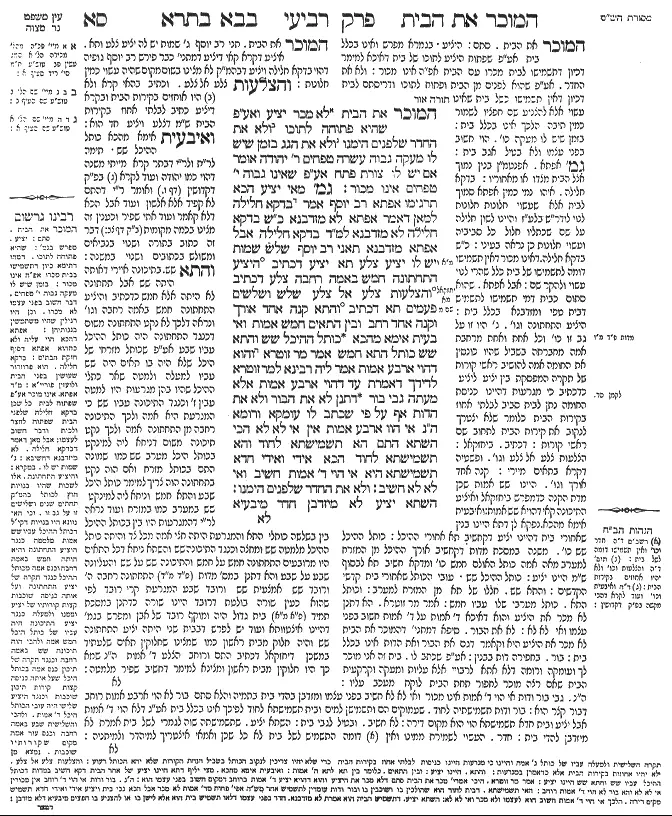
Bava Batra 61a - Guemara
מתני׳ המוכר את הבית לא מכר יציע ואע"פ שהיא פתוחה לתוכו ולא את החדר שלפנים הימנו ולא את הגג בזמן שיש לו מעקה גבוה עשרה טפחים ר' יהודה אומר אם יש לו צורת פתח אע"פ שאינו גבוה י' טפחים אינו מכור:
גמ׳ מאי יציע הכא תרגימו אפתא רב יוסף אמר בדקא חלילה למאן דאמר אפתא לא מזדבנא כ"ש בדקא חלילה לא מזדבנא למ"ד בדקא חלילה אבל אפתא מזדבנא תאני רב יוסף שלש שמות יש לו יציע צלע תא יציע דכתיב (מלכים א ו, ו) היציע התחתונה חמש באמה רחבה צלע דכתיב (יחזקאל מא, ו) והצלעות צלע אל צלע שלש ושלשים פעמים תא דכתיב (יחזקאל מ, ז) והתא קנה אחד אורך וקנה אחד רחב ובין התאים חמש אמות ואי בעית אימא מהכא כותל ההיכל שש והתא שש כותל התא חמש אמר מר זוטרא והוא דהוי ארבע אמות אמר ליה רבינא למר זוטרא לדידך דאמרת עד דהוי ארבע אמות אלא מעתה גבי בור דתנן לא את הבור ולא את הדות אף על פי שכתב לו עומקא ורומא ה"נ אי הוו ארבע אמות אין אי לא לא הכי השתא התם הא תשמישתא לחוד והא תשמישתא לחוד הכא אידי ואידי חדא תשמישתא היא אי הוי ד' אמות חשיב ואי לא לא חשיב:
ולא את החדר שלפנים הימנו:
השתא יציע לא מיזדבן חדר מיבעיא
Comments from Rashbam - Bava Batra 61a
מתני' המוכר את הבית . סתם: היציע . בגמרא מפרש ואינו בכלל בית אע"פ שפתוח היציע לתוכו של בית דאיכא למימר דכיון דתשמישו לבית מכרו עם הבית אפ"ה אינו מכור: ולא את החדר . אע"פ שהוא לפנים מן הבית ופתוח לתוכו ודריסתם לבית דכיון דאין תשמישו כשל בית שאינו עשוי אלא להצניע שם חפציו לשמור כמין תיבה הלכך אינו בכלל בית: בזמן שיש לו מעקה כו' . הוי חשוב בפני עצמו ולא בטיל אגב בית: גמ' אפתא . אפנטמ"ן בנין נמוך אצל הבית מצדו או מאחוריו: בדק חלילה . איהו נמי כמין אפתא סמוך לבית אלא שעשוי חלונות חלונות לנוי לודר"ש בלע"ז והיינו לשון חלילה על שם שכתליו חלול כל סביביה ועשוי חלונות כן נראה בעיני: כ"ש בדקא חלילה . דאינו מכור דאין תשמישו דומה לתשמישו של בית כלל שהרי לנוי עשוי ולהקר שם: אבל אפתא . שהוא סתום כבית דמי תשמישו לתשמיש דבית טפי ומזדבנא בכלל בית: היציע התחתונה וגו' . ג' היו זו על גב זו כו' וכל אחת ואחת מרחבת אמה מחברתה בשביל שהיו כונסין את החומה אמה להושיב ראשי קורות של תקרה המפסקת בין יציע ליציע כדכתיב כי מגרעות דהיינו כניסת החומה נתן לבית סביב לבלתי אחוז בקירות הבית כלומר שלא יצטרך לנקוב את קירות הבית לתחוב שם ראשי קורות: דכתיב . ביחזקאל: הצלעות צלע אל צלע וגו' . ופשטיה דקרא בתאים מיירי: קנה אחד אורך וגו' . היינו שש אמות שכן מדת הקנה כדמפרש ביחזקאל ואיציע התיכונה קאי דהויא שש אמות: ואיבעית אימא מהכא . נפקא לן דתא היינו בנין שאחורי בית דהיינו יציע דקחשיב תא אחורי ההיכל: כותל ההיכל שש כו' . משנה במסכת מדות דקחשיב אורך ההיכל מן המזרח למערב מאה אמה כותל האולם חמש כו' ומדקא חשיב תא לבסוף ש"מ היינו יציע: כותל ההיכל שש . עובי הכותל שאחורי בית קדשי הקדשים: והתא שש . חללו של תא מן המזרח למערב: וכותל התא . כותל מערבי שלו עביו חמש: אמר מר זוטרא . הא דתנן לא מכר את היציע והוא דאיכא ד' אמות על ד' אמות חשוב בפני עצמו ואי לא לא: לא את הבור . סיפא דמתני' דהמוכר את הבית לא מכר את היציע היא וקאמר דגם את הבור ואת הדות אינו בכלל בית: בור . בחפירה דות בבנין: אע"פ שכתב לו . בית זה אני מוכר לך ועומקה ורומה דלא אתא לרבויי אלא עליות ומעקה וקרקעית הבית שאם רצה מוכר לחפור תחת הבית לוקח מעכב עליו: ה"נ . גבי בור ודות אי הוי ד' אמות אינן מכור ואי לא לא חשיב בפני עצמו ומזדבן בהדי בית בתמיה והלא סתם בור לא הוי ארבע אמות רוחב דבור קצר הוא: בור ודות תשמישתיה לחוד . שעמוקים הם ותשמישן למים ובית תשמישתא לחוד לפיכך אינו בכלל בית אע"ג דלא הוי ד' אמות אבל יציע ובית חדא תשמישתא הוי הוא מקום דירה: לא חשיב . ובטיל לגבי בית: השתא יציע . שתשמישתה שוה לגמרי לשל בית אמרת לא מיזדבן להדי בית: חדר . העשוי לשמירת ממונו ואין דומה התשמיש לשל בית לא כל שכן ואמאי איצטריך למיהדר ולמיתניה:
Comments from Tosafot - Bava Batra 61a
תני רב יוסף ג' שמות יש לה יציע צלע ותא. איציע דקרא קאי דיציע דמתני' כבר פירש רב יוסף גופיה דהוי בדקא חלילה ויציע דבהמ"ק לא מצינו בשום מקום שהיה עשוי כמין חלונות: והצלעות צלע אל צלע. וכתיב בהאי קרא ולא היו אוחזים בקירות הבית ובקרא דיציע כתיב לבלתי אחוז בקירות הבית ש"מ דצלע ויציע חד הוא: ואיבעית אימא מהכא כותל ההיכל שש. תימה לר"ת ולר"י דבתר קרא מייתי משנה דהוי כמו יהודה ועוד לקרא בפ"ק דקדושין (דף ו.) ואומר ר"י דהתם לא קפיד אלא אלשון ועוד אבל הכא דלא קאמר ועוד אתי שפיר וכענין זה מצינו בכמה מקומות (ב"ק דף צב:) דבר זה כתוב בתורה ושנוי בנביאים ומשולש בכתובים ושנוי במשנה: והתא שש. בתיכונה איירי דאותה היתה שש אבל תחתונה לא היתה אלא חמש כדכתיב והיציע התחתונה חמש באמה רחבה וגו' ונראה דלכך לא נקט התחתונה משום דכנגד התחתונה היה כותל ההיכל עביו שבע אע"פ שכותל מזרחי של היכל שלא היה בו תאים היה שש עביו למעלה ולמטה שאר כתלי ההיכל שהיו בהן מגרעות היו למטה עבין ז' וכנגד התיכונה עביו שש כי המגרעת היא אמה ולכך התיכונה רחבה מן התחתונה אמה ולכך נקט תיכונה משום דניחא ליה למינקט בכותל היכל מערב שש כמו שמונה התם בכותל מזרח ואם הוה נקט בתחתונה הוה צריך למימר כותל היכל שבע והתא חמש וניחא ליה למינקט שש במערב כמו במזרח ועוד נראה לר"י דהמגרעות היו בין בכותל ההיכל בין בשלשה כותלי התא והמגרעת היתה חצי אמה מכל צד והיתה כותל ההיכל מלמטה שש ומחצה וכנגד התיכונה שש והשתא ניחא דכל התאים היו מרובעים התחתונה חמש על חמש והתיכונה שש על שש והעליונה שבע על שבע והא דתנן במס' מדות (פ"ד מ"ד) התחתונה רחבה ה' ורובד שש אמצעית שש ורובד שבע המגרעת קרי רובד לפי שהוא כעין שורה בולטת דרובד היינו שורה כדתנן במסכת תמיד (פ"א מ"א) בית גדול היה ומוקף רובד של אבן ומפרש בגמ' דהיינו איצטוותא ועוד יש לפרש דבבית שני היתה יציע התחתונה שש והיה חלוק מבית ראשון כמו שמצינו שחלוקין תאים שלעתיד במשכן דיחזקאל דכתיב התם ורוחב הצלע ד' אמות ה"נ שמא כך היו חלוקין מבית ראשון ומצינא למימר דחשיב שפיר מלמטה:
Bava Batra 61a - Mishnah translated into english
MISHNA: One who sells a house without specifying what is included in the sale has not sold the gallery, an extension built above or alongside the main building, and this is so even if the gallery is attached to the house and opens into it. Nor has he sold the room behind the house, even if it is accessible only from inside the house. He has also not sold the roof when it has a parapet ten handbreadths high, as such a roof is considered a separate entity and is therefore not included in the sale of the house. Rabbi Yehuda says: If the parapet has the form of a doorway, that is, if it consists of two upright posts with a beam crossing over them, then even if the parapet is not ten handbreadths high, the roof is not sold together with the house, unless it is specifically included in the sale.
GEMARA: What is a gallery? Here in Babylonia they interpreted this as referring to an attic [apta]. Rav Yosef said: It means a windowed structure [bidka ḥalila] attached to the main building. The Gemara notes that according to the one who says that an attic is not sold together with a house, all the more so is a windowed structure attached to the house not sold together with a house, as it is certainly considered a separate entity and not part of the main building. But according to the one who says that a gallery is a windowed structure attached to the house, it is only such a structure that is not included in the sale of the house, but an attic is sold together with a house.
Rav Yosef taught: A small structure attached to a building has three names in the Bible: Gallery [yatzia], side chamber [tzela], and cell [ta]. Such a structure is called a gallery, as it is written: “The bottommost gallery [hayyatzia] was five cubits wide” (I Kings 6:6). It is also called a side chamber, as it is written: “And the side chambers [vehatzelaot] were one over another, thirty-three times” (Ezekiel 41:6). Additionally, it is called a cell, as it is written: “And the cell [vehata] was one reed long, and one reed wide; and the space between the cells was five cubits” (Ezekiel 40:7). And if you wish, say instead that it can be seen that a small structure attached to a building is called a cell from here, as was taught in the mishna (Middot 4:7): The wall of the Sanctuary was six cubits wide, and the cell [vehata] in back of it was six cubits wide, and the wall of the cell was five cubits wide.
§ Relating to the mishna’s statement that a gallery is not included in the sale of a house, Mar Zutra said: And that is the halakha only when the gallery has an area of at least four by four cubits.
Ravina said to Mar Zutra: According to your opinion, that you say a gallery is not excluded from the sale of a house unless it is at least four by four cubits in size, there is a difficulty. As if that is so, then with regard to the exclusion of a pit or a cistern from the sale of a house, about which we learned in a mishna (64a): One who sells a house has sold neither the pit nor the cistern, even if he writes for the buyer in the bill of sale that he is selling him the depth and the height of the house; so too, should we say that only if they have an area of at least four by four cubits, yes, they are excluded from the sale of the house, but if not, no, they are not excluded? This is difficult, as a pit is not four cubits wide, and consequently, it would never be excluded.
Mar Zutra responded: How can these cases be compared? There, in that mishna, this, the excavations, have a discrete use, to store water, and they cannot possibly be used as living quarters, and that, the house, has a discrete use, to serve as living quarters, and so they are considered separate entities even if the excavation is not four cubits wide. But here, in the case of a gallery, both this, the gallery, and that, the house, have the same use, and so if the gallery is at least four by four cubits it is deemed significant and considered a separate entity, but if it is not four by four cubits, it is not deemed significant in its own right, but simply another part of the house.
The mishna teaches that one who sells a house without specifying what is included in the sale has not sold the gallery, nor has he sold the room behind the house, even if it is accessible only from it. The Gemara asks: Now that the mishna taught that a gallery is not sold along with the house, is it necessary to teach that a room behind the house is not included in such a sale?
Traduction : The William Davidson digital edition of the Koren Noé Talmud, with commentary by Rabbi Adin Even-Israel Steinsaltz.