 Talmud Bavli
Bava Batra 104a : Youtube
Daf TubeYoutube
2 video classes :
Bava Batra Page 104a
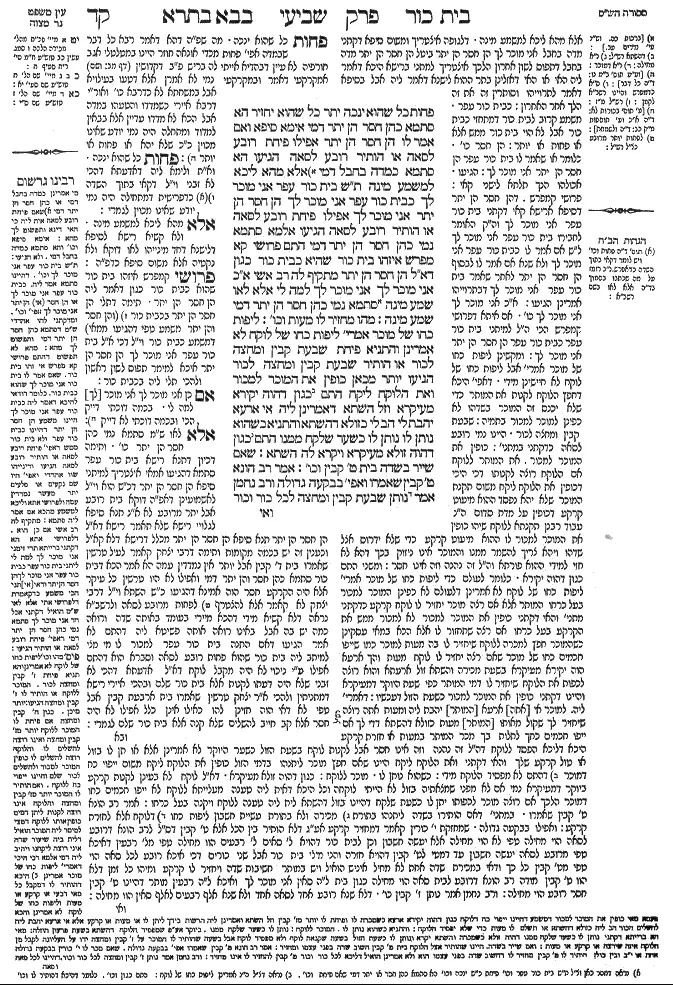
Bava Batra 104a - Guemara
פחות כל שהוא ינכה יתר כל שהוא יחזיר הא סתמא כהן חסר הן יתר דמי אימא סיפא ואם אמר לו הן חסר הן יתר אפילו פיחת רובע לסאה או הותיר רובע לסאה הגיעו הא סתמא כמדה בחבל דמי אלא מהא ליכא למשמע מינה ת"ש בית כור עפר אני מוכר לך כבית כור עפר אני מוכר לך הן חסר הן יתר אני מוכר לך אפילו פיחת רובע לסאה או הותיר רובע לסאה הגיעו אלמא סתמא נמי כהן חסר הן יתר דמי התם פרושי קא מפרש איזהו בית כור שהיא כבית כור כגון דא"ל הן חסר הן יתר מתקיף לה רב אשי א"כ אני מוכר לך אני מוכר לך למה לי אלא לאו שמע מינה סתמא נמי כהן חסר הן יתר דמי שמע מינה:
מהו מחזיר לו מעות וכו':
ליפות כחו של מוכר אמרי' ליפות כחו של לוקח לא אמרינן והתניא פיחת שבעת קבין ומחצה לכור או הותיר שבעת קבין ומחצה לכור הגיעו יותר מכאן כופין את המוכר למכור ואת הלוקח ליקח התם כגון דהוה יקירא מעיקרא וזל השתא דאמרינן ליה אי ארעא יהבת לי הב לי כזולא דהשתא והתניא כשהוא נותן לו נותן לו כשער שלקח ממנו התם כגון דהוה זולא מעיקרא ויקרא לה השתא:
שאם שייר בשדה בית ט' קבין וכו':
אמר רב הונא ט' קבין שאמרו ואפי' בבקעה גדולה ורב נחמן אמר נותן שבעת קבין ומחצה לכל כור וכור
Comments from Rashbam - Bava Batra 104a
אלא מהא ליכא למשמע מינה . דלגופה איצטריך ומשום סיפא דקתני מדה בחבל אני מוכר לך הן חסר הן יתר ביטל הן חסר הן יתר מדה בחבל דתפוס לשון אחרון הלכך איצטריך למתני ברישא היכא דאמר ליה האי או האי דאזלינן בתר ההוא לישנא דאמר ליה אבל בסיפא דאמר לתרוייהו וסותרין זה את זה הלך אחר האחרון: כבית כור עפר . משמע קרוב לבית כור דמתחזי כבית כור אבל לא הוי בית כור ממש אלא או פחות או יותר: הן חסר כו' . כלומר או שאמר לו בית כור עפר הן חסר הן יתר אני מוכר לך: הגיעו . אכולהו הנך תלתא לישני קאי: פרושי קמפרש . דהן חסר הן יתר דסיפא ארישא קאי דקתני בית כור עפר אני מוכר לך וה"ק האומר לחבירו בית כור עפר אני מוכר לך ל"ש אם אמר לו כבית כור עפר אני מוכר לך ולא שנא אם אמר לו לבסוף הן חסר הן יתר לאחר שאמר בית כור עפר אני מוכר לך דבתרוייהו אמרינן הגיעו: א"כ אני מוכר לך אני מוכר לך כו' . אם איתא דפרושי קמפרש הכי ה"ל למיתני בית כור עפר כבית כור עפר הן חסר הן יתר אני מוכר לך: ומקשינן ליפות כחו של מוכר אמרי' אבל ליפות כחו של לוקח לא חיישינן מידי. דאפי' היכא דחפץ הלוקח לקנות את המותר כדי שלא יכנס זה המוכר בשדהו לא כפינן למוכר למכור בתמיה: שבעת קבין ומחצה לכור . היינו נמי רובע לסאה כדקתני במתני': כופין את המוכר למכור . את המותר ללוקח אם הלוקח רוצה לקנותו דכי היכי דכופין את הלוקח ליקח משום תקנת המוכר שלא יהא נפסד ההוא מיעוט קרקע דכופין על מדת סדום ה"נ עבוד רבנן תקנתא ללוקח שיהו כופין את המוכר למכור לו ההוא מיעוט קרקע כדי שלא ידרוס אצל שדהו ויהא צריך להשמר ממנו והמוכר אינו ניזוק בכך דהא לא חזי למידי ההוא פורתא וה"ל זה נהנה וזה אינו חסר: ומשני התם כגון דהוה יקירא . כלומר לעולם כדי ליפות כחו של מוכר אמרי' ליפות כחו של לוקח לא אמרינן דלעולם לא כפינן המוכר למכור בעל כרחו המותר אלא אם רצה מוכר יחזיר לו לוקח קרקע כדקתני מתני' והאי דקתני כופין את המוכר למכור לא למכור ממש את הקרקע בעל כרחו אם רצה שתחזור לו אלא הכא במאי עסקינן כשהמוכר חפץ למכרה ללוקח שיחזיר לו בה מעות למוכר כמו שייפו חכמים כחו של מוכר שאם רצה יחזיר לו לוקח מעות והך ארעא הוה יקירא מעיקרא בשעת מכירה והשתא זול ארעתא והוא רוצה לכפות את הלוקח שיחזיר לו דמי המותר כפי שעת היוקר דמעיקרא והיינו דקתני כופין את המוכר למכור כשעת הזול דעכשיו: דאמרי' ליה . למוכר אי [אתה] ארעא [המותר] יהבת ליה ומעות אתה רוצה שיחזיר לך שקול מאותו [המותר] מעות כזולא דהשתא דדי לך אם ייפו חכמים כחך לתלות בך מכר המותר במעות או חזרת קרקע היכא דליכא הפסד ללוקח דה"ל זה נהנה וזה אינו חסר אבל לקנות לוקח בשעת הזול כשער היוקר לא אמרינן אלא או תן לו בזול או טול קרקע שלך והאי דקתני ואת הלוקח ליקח היינו שאם חפץ מוכר ליתנהו בדמי הזול כופין את הלוקח ליקח משום ייפוי כח דמוכר ב) דהתם לא מפסיד הלוקח מידי: כשהוא נותן לו . מוכר ללוקח: כגון דהוה זולא מעיקרא . דא"ל לוקח לא בעינן לקנות קרקע ביוקר דמעיקרא נמי אם לא מפני שמצאתיה בזול לא הייתי לוקחה וכל היכא דאית ליה טענה מעלייתא ללוקח לא ייפו חכמים כחו דמוכר הלכך אם רוצה מוכר לכפותו יתן לו כשעת שלקח דהיינו בזול דהשתא לית ליה טענה ללוקח ויקנה בעל כרחו: אמר רב הונא ט' קבין שאמרו . במתני' דאם הותירו בשדה ליתנהו בתורת מכירה ולא בתורת עשיית חשבון ליפות כחו דלוקח אלא לחזרת קרקע: ואפילו בבקעה גדולה . שמחזקת י' כורין קאמר דמחזיר קרקע אע"ג דלא הותיר בין הכל אלא ט' קבין דס"ל לרב הונא דרובע לסאה הוי מחילה טפי לא הוי מחילה אלא יעשה חשבון וכן לבית כור דהויא ל' סאים ל' רבעים הוו מחילה טפי מל' רבעין דאיכא טפי מרובע לסאה יעשה חשבון עד דמטי לט' קבין דהויא חזרה והני מילי בית כור אבל שני כורים דכי איכא רובע לכל סאה הוי טפי מט' קבין כל כך ודאי במכירת שדה אחת לא מחיל איניש הואיל ויש במותר חשיבות שדה ויחזיר לו קרקע ומיהו כל זמן דלא הוו ט' קבין מודה רב הונא דרובע לבית סאה הוי מחילה כגון בית ל"ה סאין אני מוכר לך ואיכא ל"ה רבעין מותר דהיינו ט' קבין חסר רובע הוי מחילה: ורב נחמן אמר נותן ז' קבין כו' . דלא שנא רובע אחד לסאה אחד ולא שנא אלף רבעים לאלף סאין הוו מחילה:
Comments from Tosafot - Bava Batra 104a
אלא מהא ליכא למשמע מינה. ולא קשיא רישא לסיפא דלישנא דחד מינייהו לאו דוקא ולא נקטיה אלא משום סיפא כדפ"ה: פרושי קמפרש איזהו בית כור שהוא כבית כור כגון דאמר ליה הן חסר הן יתר. תימה דתלי הן חסר הן יתר בכבית כור (והן חסר והן יתר משמע טפי דהגיעו ממאי) דמשמע כבית כור וי"ל דכי א"ל בית כור עפר אני מוכר לך הן חסר הן יתר איכא למימר תפוס לשון ראשון ולהכי תלי ליה בכבית כור: אם כן אני מוכר לך אני מוכר [לך] למה לי. בכמה דוכתי דייק הכי ובכמה דוכתי לא דייק: אלא לאו ש"מ סתמא נמי כהן חסר הן יתר כו'. ותימה דכיון דתנא רישא בית כור עפר סתמא דהגיעו אמאי איצטריך למיתני סיפא הן חסר הן יתר דכ"ש הוא וי"ל לאשמועינן דאפ"ה דוקא בית רובע אבל יתר מרובע לא א"נ תנא סיפא לגלויי רישא שלא תאמר רישא דא"ל הן חסר הן יתר תנא סיפא הן חסר הן יתר מכלל דרישא דלא קא"ל וכענין זה יש בכמה מקומות ותימה דרבי יצחק קאמר לעיל טרשין שאמרו בית ד' קבין אבל יותר אין נמדדין עמה הא אמר הכא דבית כור סתמא כהן חסר והן יתר דמי ואפילו לא היו טרשין כל עיקר אלא היה הקרקע חסר הוה אמינא דהגיעו כ"ש השתא וי"ל דרבי יצחק לא קאמר אלא להצטרף לפחות מרובע לסאה ולרשב"א נראה דלא קשיא מידי דהכא מיירי בעומד באותה שדה ורואה כמה יש בה אבל באינו רואה אותה פשיטא ליה דהתם לא אמר הגיעו דאם התנה בית כור עפר למכור לו מי מצי למיתב ליה בית כור שהוא פחות רובע לסאה וסברא הוא דהתם אפילו ע"י ניכוי לא היה מקבל לוקח דא"ל אדעתא דהכי לא זבני שלא היה דעתו לקנות אלא בית כור שלם ובהכי איירי רישא דמתניתין ולהכי א"ר יצחק טרשין שאמרו בית ארבעת קבין אבל טפי לא דאי הוה חזינן להו כאילו אינן כלל אפילו לא היה חסר אלא קב חייב להשלים שלא קנה אלא בית כור שלם לגמרי:
Bava Batra 104a - Mishnah translated into english
and he gave him even the slightest amount less that what was stipulated, the seller must deduct the difference from the purchase price of the field and return money to the buyer. If he gave him even the slightest amount more than what was stipulated, the buyer must return the difference to the seller. The reason that even the slightest difference in value must be returned is that the seller specified that he was selling land measured precisely with a rope. But had he sold the land without further specification, it would be like he sold it saying that it is a beit kor more or less.
The Gemara rejects this argument by proposing another, completely opposite proof: Say the latter clause of the mishna: And if the seller said to the buyer that he is selling him a beit kor of land more or less, then even if he gave him one-quarter of a kav per se’a less than what was stipulated, or he gave him one-quarter of a kav per se’a more than what was stipulated, it is his and the sale is valid. One can infer: The reason that the sale is valid is that he specified that he was selling a beit kor of land more or less. But had he sold the land without further specification, it would be like he sold it saying that he was selling the land measured precisely with a rope. Rather, since the mishna can be interpreted in two opposite ways, no inference is to be learned from the mishna.
The Gemara tries to present another proof: Come and hear a proof from a baraita: If the seller said to the buyer: I am selling you a plot of earth the size of a beit kor; or he said to him: I am selling you a plot of earth about the size of a beit kor; or he said to him: I am selling you a beit kor more or less; then even if he gave him one-quarter of a kav per se’a less than what was stipulated, or he gave him one-quarter of a kav per se’a more than what was stipulated, it is his and the sale is valid. One can infer: Apparently, selling a beit kor of land without further specification is also like selling it more or less. The Gemara rejects this proof: There, the tanna is explaining his statement, which should be understood as follows: When is the phrase a beit kor treated like the phrase about the size of a beit kor? In a case where the seller says to the buyer: I am selling you a beit kor more or less.
Rav Ashi objects to this: If that is so, then why do I need to repeat the words: I am selling you, three times? The fact that the baraita repeats these words in each clause indicates that it is discussing three separate sale transactions, and not that the three clauses are all referring to one case. Rather, isn’t it correct to conclude from the baraita that selling a beit kor of land without further specification is like selling it more or less? The Gemara affirms: Conclude from the baraita that this is so.
§ With regard to a buyer who received too much land and now must compensate the seller, the mishna teaches: What does he return to him? He pays him money, and if the seller so wishes, the buyer returns the surplus land to him, because the Sages said that the buyer pays money in order to enhance the power of the seller. In other words, the Sages allowed the seller to choose whether to take back the surplus land or to demand payment for it from the buyer, even though this effectively forces the buyer to purchase the surplus land from him. The Gemara asks: Is it correct that we say that the seller’s power should be enhanced, and that we do not say that the buyer’s power should be enhanced?
But isn’t it taught otherwise in a baraita: If the seller gave the buyer seven and a half kav per kor less than what was stipulated, which is the equivalent of a quarter-kav per se’a, as a kor is equal to thirty se’a, or he gave him seven and a half kav per kor more than what was stipulated, it is his and the sale is valid. If the difference is greater than that amount, the court compels the seller to sell and the buyer to buy the difference. This indicates that we also say that the buyer’s power should be enhanced, since if the buyer so wishes, the seller is compelled to sell him land and accept payment for it.
The Gemara replies: There, the baraita is not discussing a case where the buyer wishes to acquire the surplus land, but rather with a case where the land was initially, at the time of the sale, expensive, but now it is cheap, and the seller wants the buyer to pay him for the surplus land according to the initial higher rate. In this case, we say to the seller, in the name of the buyer: If you wish to give me land and receive money, give me the land according to the current, cheaper rate. This is what the baraita is referring to when it states that the seller is compelled to sell.
The Gemara raises a difficulty: But isn’t it taught in a baraita: When he gives him money in payment for the surplus land, he gives it to him according to the rate at which he had bought the rest of the land from him? The Gemara replies: There the baraita is referring to a case where the land was initially cheap but now it is expensive. If, in such a case, the seller wants the buyer to pay him for the surplus land, he is compelled to sell it to him according to the cheap rate from the time of the original sale.
§ The mishna teaches: As, if the surplus in the field was an area required for the sowing of nine kav of seed, and in a garden an area required for the sowing of a half-kav of seed, or, according to the Rabbi Akiva, an area required for the sowing of a quarter-kav of seed, the buyer can return the surplus land to the seller, and the seller cannot demand payment in money. Rav Huna says: The halakha that was stated in the mishna, that a surplus in the size of an area required for the sowing of nine kav of seed can be returned to the seller, applies even in a large valley which measures several kor. If the surplus is a significant plot of land equal in size to an area required for the sowing of nine kav of seed, the buyer can return it to the seller, even if it is less than one-quarter of a kav per se’a, i.e., less than one twenty-fourth the size of the field that was sold.
And Rav Naḥman says: He calculates seven and a half kav for each and every kor, which is equivalent to one-quarter of a kav per se’a. As long as the surplus does not exceed that ratio, he is not required to return it, even if the surplus is greater than the area required for the sowing of nine kav.
Traduction : The William Davidson digital edition of the Koren Noé Talmud, with commentary by Rabbi Adin Even-Israel Steinsaltz.