 Talmud Bavli
Bava Batra 99a : Youtube
Daf TubeYoutube
2 video classes :
Bava Batra Page 99a
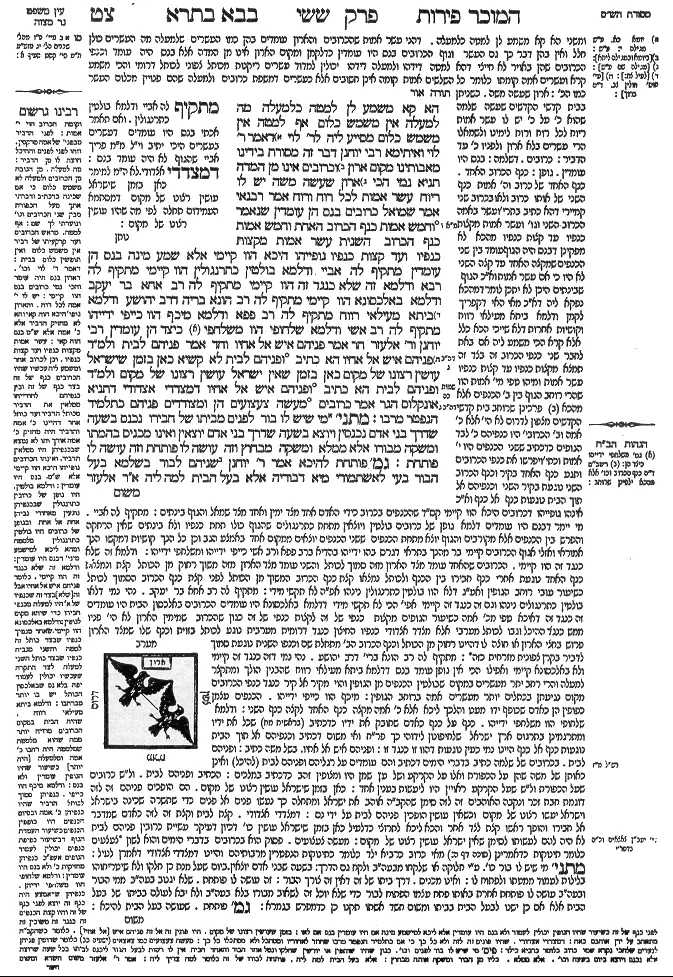
Bava Batra 99a - Guemara
הא קא משמע לן למטה כלמעלה מה למעלה אין משמש כלום אף למטה אין משמש כלום מסייע ליה לר' לוי דאמר ר' לוי ואיתימא רבי יוחנן דבר זה מסורת בידינו מאבותינו מקום ארון וכרובים אינו מן המדה תניא נמי הכי ארון שעשה משה יש לו ריוח עשר אמות לכל רוח ורוח אמר רבנאי אמר שמואל כרובים בנס הן עומדין שנאמר (מלכים א ו, כד) וחמש אמות כנף הכרוב האחת וחמש אמות כנף הכרוב השנית עשר אמות מקצות כנפיו ועד קצות כנפיו גופייהו היכא הוו קיימי אלא שמע מינה בנס הן עומדין מתקיף לה אביי ודלמא בולטין כתרנגולין הוו קיימי מתקיף לה רבא ודלמא זה שלא כנגד זה הוו קיימי מתקיף לה רב אחא בר יעקב ודלמא באלכסונא הוו קיימי מתקיף לה רב הונא בריה דרב יהושע ודלמא ביתא מעילאי רווח מתקיף לה רב פפא ודלמא מיכף הוו כייפי ידייהו מתקיף לה רב אשי ודלמא שלחופי הוו משלחפי כיצד הן עומדין רבי יוחנן ור' אלעזר חד אמר פניהם איש אל אחיו וחד אמר פניהם לבית ולמ"ד פניהם איש אל אחיו הא כתיב (דברי הימים ב ג, יג) ופניהם לבית לא קשיא כאן בזמן שישראל עושין רצונו של מקום כאן בזמן שאין ישראל עושין רצונו של מקום ולמ"ד ופניהם לבית הא כתיב (שמות כה, כ) ופניהם איש אל אחיו דמצדדי אצדודי דתניא אונקלוס הגר אמר כרובים (דברי הימים ב ג, י) מעשה צעצועים הן ומצודדים פניהם כתלמיד הנפטר מרבו:
מתני׳ מי שיש לו בור לפנים מביתו של חבירו נכנס בשעה שדרך בני אדם נכנסין ויוצא בשעה שדרך בני אדם יוצאין ואינו מכניס בהמתו ומשקה מבורו אלא ממלא ומשקה מבחוץ וזה עושה לו פותחת וזה עושה לו פותחת:
גמ׳ פותחת להיכא אמר ר' יוחנן שניהם לבור בשלמא בעל הבור בעי לאשתמורי מיא דבוריה אלא בעל הבית למה ליה א"ר אלעזר
Comments from Rashbam - Bava Batra 99a
ומשני הא קא משמע לן למטה כלמעלה . דהני עשר אמות שהכרובים והארון עומדים בהן כמו העשרים שלמעלה מה העשרים כולן חלל ואין בהן דבר כך גם העשר וגוף הכרובים בנס היו עומדין כדלקמן ומקום הארון אינו מן המדה אלא בנס היה עומד וכנפי הכרובים שהן באויר לא חייצי דהא למטה דידהו ולמעלה דידהו יכולין למדוד עשרים ריקנות מכותל צפוני לכותל דרומי והכי משמע קרא ועשרים אמה קומתו כלומר כל השלשים אמות קומה אינן חשובים אלא כעשרים דמשפת כרובים ולמעלה שהם פנויין מכלום העשר כמו הכ': ארון שעשה משה . כשניתן בבית קדשי הקדשים שעשה שלמה שהוא כ' על כ' יש לו עשר אמות ריוח לכל רוח ורוח לימינו ולשמאלו הרי עשרים בלא ארון ולפניו כ' עד הדביר: כרובים . דשלמה: בנס היו עומדין . גופן: כנף הכרוב האחד . כנף האחד של כרוב וה' אמות כנף השני של אותו כרוב ולאו בכרוב שני קמיירי דהא כתיב בתרי' ועשר באמה הכרוב השני וגו' ועשר אמות מקצות כנפיו עד קצות כנפיו מהכא לא מפקינן דבנס היה הגוף עומד בין שני הכנפים שמקצה האחד עד קצה השני לא היו כי אם עשר אמות וא"כ הגוף שבינתים היכן לא יתכן לומר דמהכא נפקא ליה דא"כ מאי האי דקפריך לקמן ודלמא ביתא מעילאי רווח וקושיות אחרות דלא שייכי הכא כלל אלא קרא הכי משמע ליה אם באת לחבר שני כנפי הכרוב זה בצד זה תמצא מקצות כנפיו עד קצות כנפיו עשר אמות ומיהו טפי מי' אמות הוו שהרי רוחב הגוף בין ב' הכנפים אלא מהכא פרכינן שרוחב בית קדשי הקדשים מצפון לדרום לא הי' אלא כ' אמה וב' הכרובי' היו כנפיהם כ' לבד הגופים כדכתיב ששני הכנפים היו י' אמות וכתי' ויפרשו את כנפי הכרובים ותגע כנף האחד בקיר וכנף הכרוב השני נוגעת בקיר השני וכנפיהם אל תוך הבית נוגעות כנף אל כנף וא"כ אינהו גופייהו דכרובים היכא הוו קיימי קס"ד שהכנפים בכרוב כידי האדם אחד מצד ימין ואחד מצד שמאל והגוף בינתים: מתקיף לה אביי . מי יימר דבנס היו עומדים דלמא גופן של כרובים בולטין ויוצאין מתחת כתרנגולים שהגוף כולו תחת כנפיו ולא בינתים שאין הרחקה והפרש בין הכנפים אלא מקורבים והגוף יוצא מתחת הכנפים ששני הכנפים יוצאים ממקום אחד באמצע הגב וכן כל הנך קושיות דמקשו הנך אמוראי ואזלי אגוף הכרובים קיימי בר מהנך בתראי דגרס בהו ידייהו בהדיא ברב פפא ורב אשי כייפי ידייהו ומשלחפי ידייהו: ודלמא זה שלא כנגד זה הוו קיימי . הכרובים שהאחד עומד מצד הארון מזה סמוך לכותל והשני עומד מצד הארון מזה משוך רחוק מן הכותל קצת ונמצאת כנף האחד נוגעת אחרי כנף חבירו בין הכנף ולכותל נמצאו קצת כנף הכרוב המשוך מן הכותל לפני קצת כנף הכרוב הסמוך לכותל כשיעור עובי רוחב הגופין ואע"ג דלא הוו בולטין כתרנגולין נינהו אפ"ה לא תקשי מידי: מתקיף לה רב אחא בר יעקב . נהי נמי דלאו בולטין כתרנגולים נינהו וגם זה כנגד זה קיימי אפי' הכי לא תקשי מידי דדלמא באלכסונא היו עומדים הכרובים באלכסון הבית היו עומדים זה כנגד זה דאיכא טפי מכ' אמה כשיעור הגופים מקצות כנפי של זה לקצות כנפי של זה כגון שהכרוב שמימין הארון לא הי' פניו ממש כנגד ההיכל וגבו לכותל מערבי אלא מצדד אצדודי כנפיו החיצון כנגד דרומית מערבית נוגע לכותל בזוית וכנף שלו שמצד הארון פרוש בחצי הארון או חוצה לו דהיינו רחוק מן הכותל וכנף הכרוב הב' מתחלת שם וכנפו השנית נוגעת סמוך לדביר בקרן צפונית מזרחית כזה:  מתקיף לה רב הונא ברי' דרב יהושע . נהי נמי דזה כנגד זה קיימי ולא באלכסונא קיימי ואפילו הכי אין גופן עומד בנס דדלמא ביתא מעילאי רווח שהבנין הולך ומתקצר למעלה והרי רחב יתר מעשרים במקום שבולטין הכנפים מן הגופין והוי מקיר אל קיר כנגד כנפי הכרובים מקום נגיעתן בכתלים יותר מעשרים אמה ברוחב הגופין: מיכף הוו כייפי ידייהו . הכנפים עצמן כפופין הן כאדם שכופף ידו מעט והלכך ליכא אלא כ' אמה מקצה כנף האחד לקצה כנף השני: ודלמא שלחופי הוו משלחפי ידייהו . כנף על כנף כאדם שחובק את ידיו כדכתיב (בראשית מח) שכל את ידיו ומתרגמינן בתרגום ארץ ישראל שלחיפונון לידוהי כך פר"ח ואי משום דכתיב וכנפיהם אל תוך הבית נוגעות כנף אל כנף היינו נמי כעין נוגעות דהוו זו כנגד זו: ופניהם איש אל אחיו . בשל משה כתיב: ופניהם לבית . בכרובים של שלמה כתיב בדברי הימים דכתיב והם עומדים על רגליהם ופניהם לבית (להיכל) ואינן כאותן של משה שהן על הכפורת ואלו על הקרקע ושל עץ שמן היו ומצופין זהב כדכתיב במלכים: הכתיב ופניהם לבית . ול"ש כרובים שעל הכפורת ול"ש שעל הקרקע ראויין היו ליעשות בענין אחד: כאן בזמן שישראל עושין רצונו של מקום . הם הופכים פניהם זה לזה דוגמת חבת זכר ונקבה האוהבים זה לזה סימן שהקב"ה אוהב את ישראל ומתחלה כך נעשו פנים אל פנים כדי שתשרה שכינה בישראל וישראל יעשו רצונו של מקום וכשאין עושין הופכין פניהם לבית על ידי נס: דמצדדי אצדודי . קצת לבית וקצת זה לזה כאדם שמדבר אל חבירו והופך ראשו קצת לצד אחר והכא ליכא לתרוצי כדלעיל כאן בזמן שישראל עושין כו' דכיון דעיקר עשיית כרובין פניהם לבית לא היה להם לעשותו לסימן שאין ישראל עושין רצונו של מקום: מעשה צעצועים . פסוק הוא בכרובים בדברי הימים והוא לשון צעצעים כלומר תינוקות כדאמרינן (סוכה דף ה:) מאי כרוב כרביא ילד כלומר כתינוקות הנפטרין מרבותיהם והיינו דמצדדי אצדודי דאמרן לעיל: מתני' מי שיש לו בור כו' . ע"י חלוקה או שלקחו מבעה"ב ולקח גם הדרך: בשעה שבני אדם יוצאין . ביום שעל מנת כן חלקו ולא שיטריחוהו בלילות לעמוד ממטתו ולפתוח לו: ואינו מכניס . דרך ביתו של זה דאין זה צורך הבור: זה עושה לו פותחת . שלא יגנוב בעה"ב ממי הבור ובעה"ב עושה לו פותחת אחרת באותו פתח עצמו הפתוח לבור כדי שלא יוכל זה לשאוב מבורו בלא בעה"ב ולא יבא לעולם בביתו של בעל הבית אלא אם כן ישנו לבעל הבית בביתו ומשום חשד אשתו תקנו כן כדמפרש בגמרא: גמ' פותחת . שעושה בעל הבית להיכא:
Comments from Tosafot - Bava Batra 99a
מתקיף לה אביי ודלמא בולטין כתרנגולין. ואם תאמר אכתי בנס היו עומדים דעשרים בעשרים היכי יתיב וי"ל מ"מ פריך אביי שהגוף לא היה עומד בנס: דמצדדי אצדודי. לא ה"מ למימר כאן בזמן שישראל עושין רצונו של מקום דמסתמא העמידום תחלה לפי מה שהיו עושין רצונו של מקום:
Bava Batra 99a - Mishnah translated into english
The verse teaches us this: The area below the cherubs is like the area above them; just as the area above the cherubs’ wings, which were spread out in the air, was not used for anything, i.e., it was empty space, so too the area below them was not used for anything and was empty.
This supports the opinion of Rabbi Levi, as Rabbi Levi said, and some say it was Rabbi Yoḥanan who said: This matter is a tradition handed down to us by our ancestors: The space occupied by the Ark of the Covenant and the cherubs is not included in the measurement of the Holy of Holies in which it rested, as miraculously it did not occupy any space at all. The Gemara comments: This is also taught in a baraita: When they brought the Ark that Moses crafted into the Holy of Holies in the Temple of King Solomon, even though the total width of the Holy of Holies was only twenty cubits, nevertheless the Ark had ten cubits of empty space between it and the wall in each and every direction.
Rabbenai says that Shmuel says: The cherubs stood miraculously and did not occupy any physical space, as it is stated: “And five cubits was one wing of the cherub, and five cubits was the second wing of the cherub; ten cubits from the tip of its wings until the tip of its wings” (I Kings 6:24). Accordingly, the wings of two cherubs, standing side by side, would occupy the entire twenty cubits width of the Sanctuary. But if so, where, in what space, were their bodies standing? Since their wings alone, which protruded from the sides of cherubs’ bodies, occupied twenty cubits, there was no room left in which their bodies could stand. Rather, one must conclude from the verse that the cherubs stood miraculously and did not occupy any physical space.
Abaye objects to this proof: But perhaps they stood with their bodies emerging beneath their wings, like chickens, with their wings protruding above them from the same point in the center of their backs. If so, their bodies would stand beneath their wings and would not occupy any additional space. Rava also objects to this proof: But perhaps they stood so that this one was not next to that one and the wings of the two cherubs overlapped, thereby allowing for the additional space occupied by their bodies. Rav Aḥa bar Yaakov also objects to this proof: But perhaps they were standing in a diagonal [ba’alakhsona] alignment from one corner of the Holy of Holies to the diagonally opposite corner. In this way there would be enough space for their bodies and their wings.
Rav Huna son of Rav Yehoshua also objects to this proof: But perhaps the width of twenty cubits stated in the verse refers only to the width at ground level, whereas the room widened at the top and was therefore able to accommodate both their wings and the width of the bodies. Rav Pappa also objects to this proof: But perhaps they were folding their wings somewhat; since their wings were not fully extended they did not actually fill the full twenty cubits of the Sanctuary. Rav Ashi also objects to this proof: But perhaps their wings crossed over one another, so that they did not occupy so much space.
§ Continuing its focus on the cherubs, the Gemara asks: How were the cherubs standing? Rabbi Yoḥanan and Rabbi Elazar disagree about this. One says: Their faces were turned one toward the other. And one says: Their faces were turned toward the House, i.e., the Sanctuary. The Gemara asks: But according to the one who says that their faces were turned one toward the other, isn’t it written: “And their faces were toward the House” (II Chronicles 3:13)? How does he explain the meaning of this verse? The Gemara answers: This is not difficult, as their faces miraculously changed directions in reflection of the Jewish people’s relationship to God. Here, when it states that the cherubs faced each other, it was when the Jewish people do the will of God. There, the verse that describes that the cherubs faced the Sanctuary and not toward each other, was when the Jewish people do not do the will of God.
The Gemara asks: And according to the one who says they stood as described in the verse: “And their faces were toward the House,” isn’t it written: “With their faces one toward the other” (Exodus 25:20). How does he explain the meaning of this verse? The Gemara answers: They were angled sideways so that they turned both to each other and toward the Sanctuary, as it is taught in a baraita: Onkelos the Convert said that the cherubs were of the form of children, as the verse states: “And in the Holy of Holies he made two cherubim of the form of children; and they overlaid them with gold” (II Chronicles 3:10), and their faces were angled sideways toward the Ark of the Covenant, like a student taking leave of his teacher.
MISHNA: One who has ownership of a cistern located beyond the house of another, i.e., the cistern can be accessed only by entering the property of the other, and also has access rights to that cistern, may enter the house to access his cistern only at a time when it is usual for people to enter, and may leave only at a time when it is usual for people to leave. And in addition, he may not bring his animal into the house and water it from his cistern; rather, he must fill a pail with water from the cistern and water his animal outside. And this one, the owner of the cistern, constructs for himself a lock on the entrance to the cistern to prevent the homeowner from drawing water from it, and that one, the homeowner, constructs for himself a lock.
GEMARA: The mishna states that the owner of the cistern and the homeowner each construct a lock. The Gemara asks: A lock to where? Rabbi Yoḥanan says: Both of them construct a lock on the opening to the cistern to prevent the other from accessing it unilaterally. The Gemara asks: Granted, the owner of the cistern constructs a lock, as he wants to protect the water of his well. But why does the homeowner construct a lock? Rabbi Elazar said:
Traduction : The William Davidson digital edition of the Koren Noé Talmud, with commentary by Rabbi Adin Even-Israel Steinsaltz.
Bava Batra 99a : Significance
Next step
Finished studying Bava Batra 99a? Carry on with the rest of the tractate.
Study Bava Batra 99bFrequently asked questions: Bava Batra 99a
Where is Bava Batra 99a in tractate Bava Batra?
Bava Batra 99a is page 195 of 350 in tractate Bava Batra (Seder Nezikin).
When is daf 99 of Bava Batra studied in Daf Yomi?
Daf Yomi covers one daf a day, both sides. Daf 99 of Bava Batra will be studied on March 5, 2032.
Is there a video class on Bava Batra 99a?
Yes, by Daf Tube, Rabbi Dr. Moshe Weisblum. These classes were published on YouTube by their authors and are gathered on this site.
What is tractate Bava Batra about?
Masechet Baba Batra is the third tractate of the Seder Nezikin. The Baba Batra gemara is the study of laws relating to matters relating to individual responsibility and the rights of property holders. The Baba Batra tractate is a gemara which contains 10 chapters.
Your study is also dedicated to them
- L'ilui Nishmat Amram ben Itshak Loubaton
- L'ilui Nishmat Nissim ben Barukh Malka
- L'ilui Nishmat Reuven ben Rivka SEBBAG