 Talmud Bavli
Bava Batra 137a : Youtube
Daf TubeYoutube
2 video classes :
Bava Batra Page 137a
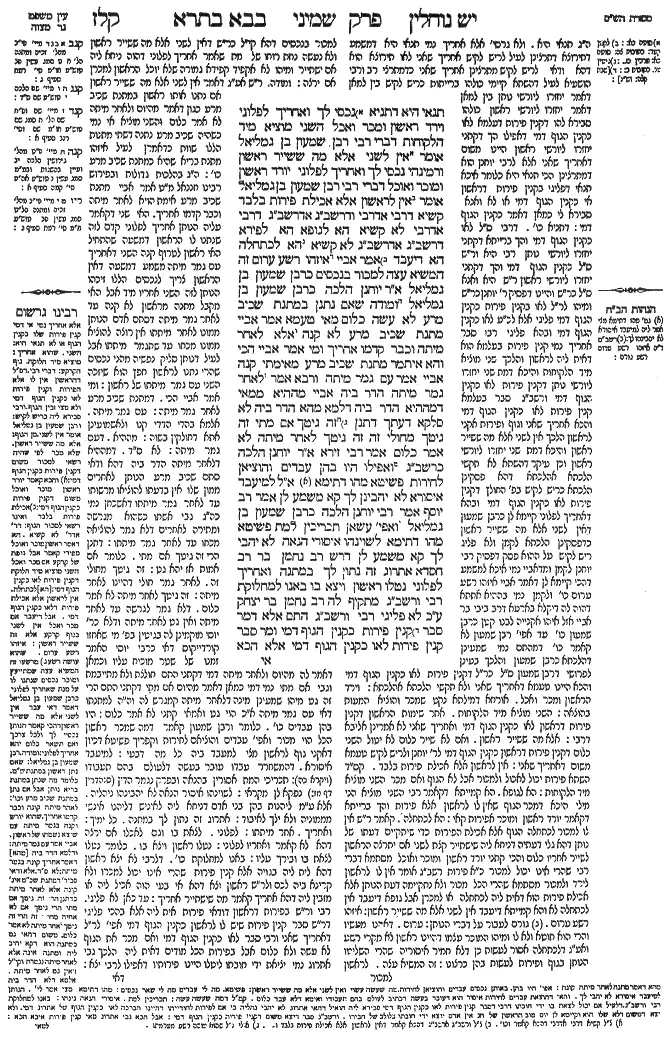
Bava Batra 137a - Guemara
תנאי היא דתניא נכסי לך ואחריך לפלוני וירד ראשון ומכר ואכל השני מוציא מיד הלקוחות דברי רבי רבן שמעון בן גמליאל אומר אין לשני אלא מה ששייר ראשון ורמינהי נכסי לך ואחריך לפלוני יורד ראשון ומוכר ואוכל דברי רבי רבן שמעון בן גמליאל אומר אין לראשון אלא אכילת פירות בלבד קשיא דרבי אדרבי ודרשב"ג אדרשב"ג דרבי אדרבי לא קשיא הא לגופא הא לפירא דרשב"ג אדרשב"ג לא קשיא הא לכתחלה הא דיעבד אמר אביי איזהו רשע ערום זה המשיא עצה למכור בנכסים כרבן שמעון בן גמליאל א"ר יוחנן הלכה כרבן שמעון בן גמליאל ומודה שאם נתנן במתנת שכיב מרע לא עשה כלום מאי טעמא אמר אביי מתנת שכיב מרע לא קנה אלא לאחר מיתה וכבר קדמו אחריך ומי אמר אביי הכי והא איתמר מתנת שכיב מרע מאימתי קנה אביי אמר עם גמר מיתה ורבא אמר לאחר גמר מיתה הדר ביה ביי מההיא ממאי דמההיא הדר ביה דלמא מהא הדר ביה לא סלקא דעתך דתנן זה גיטך אם מתי זה גיטך מחולי זה זה גיטך לאחר מיתה לא אמר כלום אמר רבי זירא א"ר יוחנן הלכה כרשב"ג ואפילו היו בהן עבדים והוציאן לחירות פשיטא מהו דתימא א"ל למיעבד איסורא לא יהבינן לך קא משמע לן אמר רב יוסף אמר רבי יוחנן הלכה כרבן שמעון בן גמליאל ואפי' עשאן תכריכין למת פשיטא מהו דתימא לשוינהו איסורי הנאה לא יהבי לך קא משמע לן דרש רב נחמן בר רב חסדא אתרוג זה נתון לך במתנה ואחריך לפלוני נטלו ראשון ויצא בו באנו למחלוקת רבי ורשב"ג מתקיף לה רב נחמן בר יצחק ע"כ לא פליגי רבי ורשב"ג התם אלא דמר סבר קנין פירות כקנין הגוף דמי ומר סבר קנין פירות לאו כקנין הגוף דמי אלא הכא
Comments from Rashbam - Bava Batra 137a
ה"ג תנאי היא . ולא גרסי' אלא אחריך נמי תנאי היא דמשמע דתירוצא דתרצינן לעיל לריש לקיש אחריך שאני לאו תירוצא הוא דהא ודאי לריש לקיש מתרצינן אחריך שאני כדמתרצי רב ורבי הושעיא לעיל דהשתא קיימי כולהו ברייתות כריש לקיש בין למאן דאמר יחזרו ליורשי נותן בין למאן דאמר יחזרו ליורשי ראשון כולהו סבירא להו דקנין פירות דעלמא לאו כקנין הגוף דמי דאפילו הך דקתני יחזרו ליורשי ראשון היינו משום דאחריך שאני אלא לרבי יוחנן הוא דמתרצינן הכי תנאי היא כלו מר איכא תנאי דפליגי בקנין פירות דראשון אי כקנין הגוף דמי או לא ואנא סבירא לי כמאן דאמר כקנין הגוף דמי: דתניא כו' . דרבי ס"ל לאו כקנין הגוף דמי והך ברייתא דקתני יחזרו ליורשי נותן רבי היא ור"ש ס"ל כקנין הגוף דמי והך דקתני יחזרו ליורשי ראשון ר"ש היא ואנא ס"ל כר"ש והיינו דפסיק ר' יוחנן כר"ש ומיהו לר"ל לאו בקנין פירות כקנין הגוף דמי פליגי אלא לכ"ע לאו כקנין הגוף דמי ובהא פליגי רבי סבר אחריך נמי קנין פירות בעלמא הוא דאית ליה לראשון והלכך שני מוציא מיד הלקוחות והיכא דמת שני יחזרו ליורשי נותן דקנין פירות לאו כקנין הגוף דמי ורשב"ג סבר בעלמא קנין פירות לאו כקנין הגוף דמי והכא אחריך שאני וגוף ופירות אקני לראשון הלכך אין לשני אלא מה ששייר ראשון והיכא דמת שני יחזרו ליורשי ראשון וכן עיקר דהשתא לא תקשי הלכתא אהלכתא דהא פסקינן הלכתא כריש לקיש בפ' החולץ דקנין פירות לאו כקנין הגוף דמי ובהא דאחריך לפלוני קיימא לן כרבן שמעון דאין לשני אלא מה ששייר ראשון כדפסקינן הלכתא לקמן ולא פליג ריש לקיש על ההוא פסק דפסיק רבי יוחנן לקמן ומדאביי נמי איכא למשמע דהכי קיימא לן דאמר אביי איזהו רשע ערום כו' ולקמן נמי בההיא אתתא דהוה לה דיקלא בארעא דרב ביבי בר אביי אזל איהו אקנייה לבנו קטן כרבן שמעון כו' עד אפי' רבן שמעון לא קאמר כו' דמהתם נמי שמעינן דהלכתא כרבן שמעון והלכך בעינן לפרושי דרבן שמעון ס"ל כר"ל דקנין פירות לאו כקנין הגוף דמי והכא היינו טעמא דאחריך שאני ולא תקשי הלכתא אהלכתא: וירד הראשון ומכר ואכל . אורחא דמילתא נקט שמכר והוציא המעות בהוצאה: השני מוציא מיד הלקוחות . אחר שימות הראשון דקנין פירות דראשון לאו כקנין הגוף דמי ואחריך שאני לא אמרינן אליבא דרבי: אלא מה ששייר ראשון . ואם לא שייר כלום לא יטול השני כלום דקנין פירות דראשון כקנין הגוף דמי לר' יוחנן ולריש לקיש טעמא משום דאחריך שאני: אין לראשון אלא אכילת פירות בלבד . קס"ד השתא פירות יכול לאכול ולמכור אבל לא הגוף ואם מכר השני מוציא מיד הלקוחות: הא לגופא . הא קמייתא דקאמר רבי השני מוציא הני מילי היכא דמכר הגוף שאין לו לראשון אלא פירות והך ברייתא דקאמר יורד ראשון ומוכר אפירות קאי: הא לכתחלה . קאמר ר"ש אין לו למכור לכתחלה הגוף אלא אכילת הפירות כדי שיתקיים דעתו של נותן דהא גלי דעתיה דניחא ליה שישתייר קצת לשני אם יתרצה הראשון לשייר אחריו כלום והכי קתני יורד ראשון ומוכר ואוכל מסתמא דברי רבי שהרי אינו יכול למכור כ"א פירות רשב"ג אומר אין לו לראשון לירד ולמכור מסתמא שהרי הכל מכור ולא נתקיימה דעת הנותן אלא אכילת פירות הוא דאית ליה לכתחלה או למכרן אבל גופא דיעבד אין לכתחלה לא והא קמייתא דיעבד אין לשני אלא מה ששייר ראשון: איזהו רשע ערום . גורם לעבור על דברי הנותן: ערום . דאהנו מעשיו והרי הוא חוטא ולא לו ומיהו המוכר עצמו דהיינו ראשון לא מקרי רשע ואע"ג דלכתחלה אסור לעשות כן דלא חמיר איסוריה שהרי השליטו הנותן בגוף ופירות לעשות בהן כרצונו: זה המשיא עצה . לראשון למכור בנכסים דהא קי"ל כר"ש דאין לשני אלא מה ששייר ראשון ולא נעשה נחת רוחו של מת שאמר אחריך לפלוני דהוה ניחא ליה אם ישתייר ומיהו לא אקפיד קפידא גמורה שלא יוכל הראשון למכרן אם ירצה: ומודה . ר"ש אע"ג דאמר אין לשני אלא מה ששייר ראשון אם נתנו אותו ראשון במתנת שכיב מרע כגון דאמר מהיום ולאחר מיתה לא אמר כלום והשני מוציא אי נמי כשהיה שכיב מרע נתנה דשתי מתנות הללו שוות כדאמרן לעיל איזהו מתנת בריא שהיא כמתנת שכיב מרע כו': ה"ג בהלכות גדולות ובפירוש רבינו חננאל מ"ט אמר אביי מתנת שכיב מרע אימת הויא לאחר מיתה וכבר קדמו אחריך . האי שני דקאמר עליה הנותן אחריך לפלוני קדם לזה שנתנו לו הראשון דמשעה שהתחיל האי ראשון לטרוף קנה השני דאחריך עם גמר מיתה משמע דמשעה דאין הראשון צריך לנכסים הללו זיכהו הנותן לזה השני אחריו מיד אבל האי מקבל מתנה מראשון לא קנה עד לאחר גמר מיתה דסתם אדם הנותן ממונו לאחר מיתתו אין רוצה להוציא ממונו מכחו עד שתגמר מיתתו אבל לעיל דנותן סליק נפשיה מהני נכסים שהרי נתנו לראשון חפץ הוא שיזכה השני עם גמר מיתתו של ראשון: ומי אמר אביי הכי . דמתנת שכיב מרע לאחר גמר מיתה: עם גמר מיתה . אלמא בהדי הדדי קנו ולאשמועינן אתא דחולקין בשוה: מההיא . דעם גמר מיתה: לא ס"ד . דמההיא דלאחר מיתה הדר ביה דהא ודאי סתם שכיב מרע הנותן לאחרים ממון שלו אין בדעתו להוציאו מרשותו עד לאחר גמר מיתתו דאשכחן נמי כה"ג גבי אשתו כשהוא מגרשה ומתירה לאחרים דלא גמר להוציאה מכחו עד לאחר גמר מיתתו: דתנן הרי זה גיטך אם מתי . כלומר אם אמות אז יהא גט: זה גיטך מחולי זה . לאחר גמר חולי דהיינו לאחר מיתה: זה גיטך לאחר מיתה לא אמר כלום . דלא גמר לגרשה עד לאחר מיתה ואין גט לאחר מיתה ודלא כר' יוסי מוקמינן לה בגיטין בפ' מי שאחזו קורדייקוס דאי כרבי יוסי האמר זמנו של שטר מוכיח עליו וכמאן דאמר לה מהיום ולאחר מיתה דמי דקתני התם חולצת ולא מתייבמת וגבי אם מתי נמי דמי כמאן דאמר מהיום אם מתי דקתני התם הרי זה גט מיהו שמעינן מינה דלאחר מיתה קמגרש לה וה"ה למתנתו דאי עם גמר מיתה א"כ הוי גט ואמאי קתני לא אמר כלום: היו בהן עבדים כו' . כלומר ורבן שמעון קאמר דמה שמכר ראשון הכל הוי מכור ואפי' עבדים והוציאם לחירות וקפריך פשיטא דכיון דאקני גוף לראשון מצי למעבד ביה כל מה דבעי: למיעבד איסורא . דהמשחרר עבדו עובר בעשה דלעולם בהם תעבודו (ויקרא כה): תכריכי המת אסורין בהנאה ובפרק נגמר הדין (סנהדרין דף מז:) נפקא לן מקראי: לשוינהו איסור הנאה לא יהבינהו ניהליה . אלא ע"מ ליהנות בהן בני אדם דניחא ליה לאיניש דליהנו אינשי מממוניה ולא ילך לאיבוד: אתרוג זה נתון לך במתנה . כל ימיך: ואחריך . אחר מיתתו: לפלוני . לצאת בו וגם לאכלו אם ירצה דהא לא קאמר ואחריו לפלוני: נטלו ראשון ויצא בו . כלומר נטלו לצאת בו ובירך עליו: באנו למחלוקת כו' . דלרבי לא יצא ראשון דהא לית ליה בגויה אלא קנין פירות שהרי אינו יכול למכרו ולא קרינא ביה לכם ולר"ש ראשון יצא דהא אי בעי הוה אכיל ליה או מזבין ליה דהא אחריך קאמר מה שישתייר אחריך: עד כאן לא פליגי . רבי ור"ש בפירות דראשון דודאי פירות אית ליה אלא בהכי פליגי דר"ש סבר קנין פירות שיש לו לראשון כקנין הגוף דמי אפי' לר"ל דאחריך שאני ורבי סבר לאו כקנין הגוף דמי ואם מכר את הגוף לא עשה ולא כלום אבל בפירות הכל מודים דאית ליה הלכך גבי אתרוג נמי יציאת ידי חובתו ליטלו היינו פירותיו דאפילו לרבי יצא:
Bava Batra 137a - Mishnah translated into english
The Gemara answers: The halakha in this case is a dispute between tanna’im; as it is taught in a baraita: With regard to one who said: My property is given to you, and after you, to so-and-so, and the first recipient entered the property and sold it and consumed the profits, the second recipient repossesses the property from the purchasers, as the property belongs to him after the death of the first recipient; this is the statement of Rabbi Yehuda HaNasi. Rabban Shimon ben Gamliel says: The second recipient receives only that which the first beneficiary left, since his sale is valid.
And the Gemara raises a contradiction from another baraita (Tosefta 8:4): If one says: My property is given to you, and after you, to so-and-so, the first one may enter the property and sell it and consume the profits; this is the statement of Rabbi Yehuda HaNasi. Rabban Shimon ben Gamliel says: The first one has only the right of consumption of the produce.
This statement of Rabbi Yehuda HaNasi is difficult as it is contradicted by the other statement of Rabbi Yehuda HaNasi, and this statement of Rabban Shimon ben Gamliel is difficult as it is contradicted by the other statement of Rabban Shimon ben Gamliel. Their opinions in the latter baraita seem to be the opposite of those in the former baraita.
The Gemara answers: The apparent contradiction between one statement of Rabbi Yehuda HaNasi and the other statement of Rabbi Yehuda HaNasi is not difficult; this ruling that the first one cannot sell it is referring to the property itself, and that ruling that he can sell it is referring to the produce. The apparent contradiction between one statement of Rabban Shimon ben Gamliel and the other statement of Rabban Shimon ben Gamliel is not difficult either; this statement, that the first has only the right to consume the produce, is referring to his rights ab initio, whereas that statement, that if he sold the property the second one gets nothing, is referring to the halakha after the fact.
Abaye says: Who is a cunning wicked person? This is one who provides advice to sell property in accordance with the ruling of Rabban Shimon ben Gamliel. Although Rabban Shimon ben Gamliel holds that the sale is valid, he does not permit one to do so ab initio, as that would deprive the second designated recipient of the property. Therefore, one who advises the first recipient to do so is considered a cunning wicked person.
Rabbi Yoḥanan says: The halakha is in accordance with the opinion of Rabban Shimon ben Gamliel; but Rabban Shimon ben Gamliel concedes that if the first recipient gave the property to another as the gift of a person on his deathbed, in which case no formal act of acquisition is required, he has done nothing; the second recipient can repossess the property from the one to whom it was given.
What is the reason? Abaye says: The recipient of the gift of a person on his deathbed acquires it only after the person’s death, and in this case, the acquisition of the recipient resulting from the statement of: After you, i.e., the second designated recipient, has already preceded the acquisition of the first one.
The Gemara asks: But did Abaye actually say this, that the gift of a person on his deathbed takes effect only after his death? But wasn’t it stated in an amoraic dispute concerning the matter: From when does the recipient of the gift of a person on his deathbed acquire it? Abaye says: With the completion of death, i.e., at the moment he dies; and Rava says: After the completion of death.
The Gemara answers: Abaye retracted that latter statement. The Gemara asks: From where is it known that he retracted that statement? Perhaps he retracted this, i.e., the statement that the recipient acquires it only after the person’s death, and his conclusion is that he acquires it at the moment of his death.
The Gemara answers: That possibility should not enter your mind, as we learned in a mishna (Gittin 72b): If a man on his deathbed says to his wife: This is your bill of divorce if I die, or: This is your bill of divorce if I die from this illness, or: This is your bill of divorce after I die, he has said nothing. The divorce does not take effect after his death. Evidently, when one gives instructions on his deathbed, his intention is for them to be effective after he dies.
Rabbi Zeira says that Rabbi Yoḥanan says: The halakha is in accordance with the opinion of Rabban Shimon ben Gamliel that if the first recipient sells the property, the sale is valid, and this is the halakha even if there were Canaanite slaves included in the property and the first recipient emancipated them.
The Gemara asks: Isn’t that obvious? The Gemara answers: Lest you say that the giver would have said to him: I did not give you my Canaanite slaves to transgress a prohibition, as it is prohibited to emancipate Canaanite slaves, Rabbi Yoḥanan teaches us that he has the legal right to do so.
Rav Yosef says that Rabbi Yoḥanan says: The halakha is in accordance with the opinion of Rabban Shimon ben Gamliel even if he made the gift into shrouds for a corpse. The Gemara asks: Isn’t that obvious? The Gemara answers: Lest you say that the giver would have said to him: I did not give you my possessions to render them into items from which deriving benefit is prohibited, but rather so that you may use and enjoy them, and Rabbi Yoḥanan teaches us that he may do so.
§ Rav Naḥman bar Rav Ḥisda taught: If one said to another: This etrog is given to you as a gift, and after you die, to so-and-so, and the first recipient then took it and fulfilled his obligation of taking the four species on the first day of Sukkot with it, when one is obligated to take species that belong to him, in this case, we have arrived at the dispute between Rabbi Yehuda HaNasi and Rabban Shimon ben Gamliel as to the nature of the ownership of the first recipient. According to Rabbi Yehuda HaNasi’s opinion that he cannot sell the etrog, it is not considered entirely his, and he does not fulfill his obligation by taking it. According to the opinion of Rabban Shimon ben Gamliel, who holds that he can sell it, he fulfills his obligation.
Rav Naḥman bar Yitzḥak objects to this statement, reasoning that Rabbi Yehuda HaNasi and Rabban Shimon ben Gamliel disagree only there, in the case of: After you, with regard to the nature of the recipient’s ownership; as one Sage, Rabban Shimon ben Gamliel, holds that ownership of the rights to use an item and the profits it engenders is considered like ownership of the item itself, and the other Sage, Rabbi Yehuda HaNasi, holds that ownership of the rights to use an item and the profits it engenders is not considered like ownership of the item itself. But here, with regard to the etrog,
Traduction : The William Davidson digital edition of the Koren Noé Talmud, with commentary by Rabbi Adin Even-Israel Steinsaltz.