 Talmud Bavli
Bava Batra 78a : Youtube
Daf TubeYoutube
2 video classes :
Bava Batra Page 78a
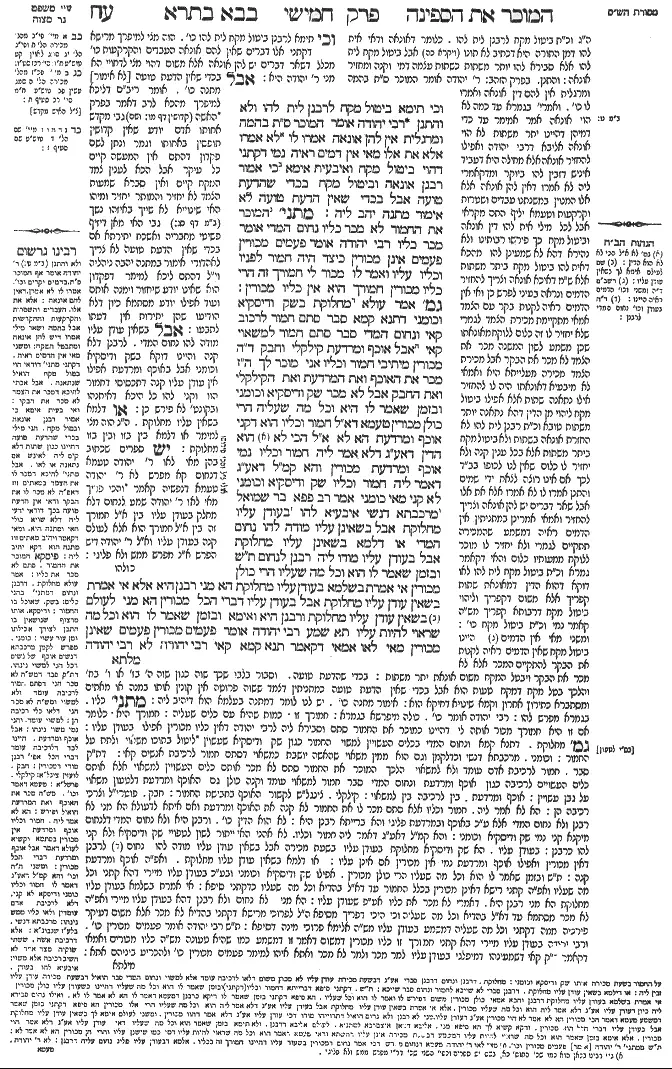
Bava Batra 78a - Guemara
וכי תימא ביטול מקח לרבנן לית להו ולא והתנן רבי יהודה אומר המוכר ס"ת בהמה ומרגלית אין להן אונאה אמרו לו לא אמרו אלא את אלו מאי אין דמים ראיה נמי דקתני דהוי ביטול מקח ואיבעית אימא כי אמור רבנן אונאה וביטול מקח בכדי שהדעת טועה אבל בכדי שאין הדעת טועה לא אימור מתנה יהב ליה:
מתני׳ המוכר את החמור לא מכר כליו נחום המדי אומר מכר כליו רבי יהודה אומר פעמים מכורין פעמים אינן מכורין כיצד היה חמור לפניו וכליו עליו ואמר לו מכור לי חמורך זה הרי כליו מכורין חמורך הוא אין כליו מכורין:
גמ׳ אמר עולא מחלוקת בשק ודיסקיא וכומני דתנא קמא סבר סתם חמור לרכוב קאי ונחום המדי סבר סתם חמור למשאוי קאי אבל אוכף ומרדעת קילקלי וחבק ד"ה מכורין מיתיבי חמור וכליו אני מוכר לך ה"ז מכר את האוכף ואת המרדעת ואת הקילקלי ואת החבק אבל לא מכר שק ודיסקיא וכומני ובזמן שאמר לו היא וכל מה שעליה הרי כולן מכורין טעמא דא"ל חמור וכליו הוא דקני אוכף ומרדעת הא לא א"ל הכי לא הוא הדין דאע"ג דלא אמר ליה חמור וכליו נמי אוכף ומרדעת מכורין והא קמ"ל דאע"ג דאמר ליה חמור וכליו שק ודיסקיא וכומני לא קני מאי כומני אמר רב פפא בר שמואל מרכבתא דנשי איבעיא להו בעודן עליו מחלוקת אבל בשאינן עליו מודה להו נחום המדי או דלמא בשאינן עליו מחלוקת אבל בעודן עליו מודו ליה רבנן לנחום תא שמע ובזמן שאמר לו הוא וכל מה שעליו הרי כולן מכורין אי אמרת בשלמא בעודן עליו מחלוקת הא מני רבנן היא אלא אי אמרת בשאין עודן עליו מחלוקת אבל בעודן עליו דברי הכל מכורין הא מני לעולם בשאין עודן עליו מחלוקת ורבנן היא ואימא ובזמן שאמר לו הוא וכל מה שראוי להיות עליו תא שמע רבי יהודה אומר פעמים מכורין פעמים שאינן מכורין מאי לאו אמאי דקאמר תנא קמא קאי רבי יהודה לא רבי יהודה
Comments from Rashbam - Bava Batra 78a
ה"ג וכ"ת ביטול מקח לרבנן לית להו . כלומר דאונאה ודאי אית להו דמן התורה היא דכתיב לא תונו (ויקרא כה) אבל ביטול מקח לית להו אלא סבירא להו יותר משתות כשתות עצמה דמי וקנה ומחזיר אונאה: והתנן . בפרק הזהב: ר' יהודה אומר המוכר ס"ת בהמה ומרגלית אין להם דין אונאה ואמרו לו כו'. ואמרי' בגמרא עד כמה לא הוי אונאה אמר אמימר עד כדי דמיהן דהיינו יתר משתות לא הוי אונאה אליבא דרבי יהודה ואפילו להחזיר אונאה אלא מחילה היא דעביד איניש דזבין להו ביוקר ומדקאמרי ליה לא אמרו דאין להן אונאה אלא אלו המנוין במשנתנו עבדים ושטרות וקרקעות וטעמא יליף התם מקראי אבל לכל מילי אית להו דין אונאה וביטול מקח כך פירשו רבותינו ולא נהירא דהא לא שמעינן להו מהכא דאית להו ביטול מקח ביתר משתות אלא ש"מ דאיכא אונאה וצריך להחזיר הדמים ונראה בעיני לפרש כן ואי אין הדמים ראיה לקנות בקר עם הצמד אמאי מתקיימת מכירת הצמד לגמרי שלא יחזיר לו זה כלום ללוקח מאונאתו שכן משמע לשון המשנה מכר את הצמד לא מכר את הבקר אבל מכירת הצמד מכירה מעלייתא היא ואמאי לא מיבעיא דאונאתו היה לו להחזיר אילו נתאנה שתות אלא אפילו ביטול מקח ליהוי מן הדין דהא נתאנה יותר משתות טובא וכ"ת רבנן לית להו לא החזרת אונאה בשתות ולא ביטול מקח ביתר משתות אלא בכל ענין קנה ולא יחזיר לו כלום שאין לנו לכופו בב"ד לכך אם אינו רוצה לצאת ידי שמים והתנן אמרו לו לא אמרו אלא את אלו אבל שאר דברים יש להן אונאה וצריך להחזיר ואמאי אמרינן במתניתין אין הדמים ראיה דמשמע שהמכירה תתקיים לגמרי ולא יחזיר לו מוכר ללוקח ממעותיו כלום והאי דקאמר גמרא וכ"ת ביטול מקח לית להו לאו דוקא דהוא הדין דמאונאת שתות קפריך אלא משום דקפריך וליהוי ביטול מקח דרבותא קפריך מש"ה קאמר נמי וכ"ת ביטול מקח כו': ומשני מאי אין הדמים היינו ביטול מקח שאין הדמים ראיה לקנות את הבקר להתקיים המכר אלא לא מכר את הבקר ויבטל המקח משום אונאת יתר משתות: בכדי שהדעת טועה . וסבור בלבו שכך שוה כגון שוה ה' בז' או ו' בח' והלכך בטל מקח דמקח טעות הוא אבל בכדי שאין הדעת טועה כמתניתין דצמד ששוה פרוטה אין קונין אותו במנה או מאתים ומסתברא כתירוץ אחרון וקמא שינויא דחיקא הוא: אימור מתנה כו' . יש לנו לומר דמתנה בעלמא הוא דיהיב ליה: מתני' כליו . בגמרא מפרש להו: רבי יהודה אומר כו' . כולה מיפרשא בגמרא: חמורך זו . כמות שהיא עם כלים שעליה: חמורך היא . כלומר אם זו היא חמורך מכור אותה לי דהיינו כמוכר את החמור סתם וסבירא ליה לרבי יהודה דאין כליו מכורין אפילו בעודן עליו: גמ' מחלוקת . דתנא קמא ונחום המדי בכלים העשויין למשוי החמור כגון שק ודיסקיא שעשוין ליטול בתוכו משאוי ולתת על החמור: וכומני . מרכבתא דנשי וכדלקמן וגם הוא ממין משאוי שהאשה יושבת כמשאוי דסתם חמור לרכיבת אנשים קאי: דת"ק סבר . חמור לרכיבת אדם עומד ולא למשאוי הלכך המוכר את החמור סתם לא מכר אותם כלים העשויין למשאוי אלא אותם כלים העשויים לרכיבה כגון אוכף ומרדעת ונחום המדי סבר חמור למשאוי עומד וקנה כולן גם האוכף ומרדעת דלטעון משאוי על גבן עשויין: אוכף ומרדעת . בין לרכיבה בין למשאוי: קילקלי . צינגל"ש לקשור האוכף בחבישת החמור: חבק . פוטרי"ל וצרכי רכיבה הן: הא לא אמר ליה . חמור וכליו אלא סתם מכר לו את החמור לא קנה את האוכף ומרדעת ואם איתא לדעולא הא מני לא רבנן ולא נחום המדי אלא ע"כ באוכף ובמרדעת פליגי והא ברייתא רבנן היא: לא הוא הדין כו' . ורבנן היא ולא נחום המדי דלנחום מיקנא קני נמי שק ודיסקיא וכומני: והא קמ"ל דאע"ג דאמר ליה חמור וכליו . לא אהני האי ייתור לשון לטפויי שק ודיסקיא ולא קני להו כרבנן: בעודן עליו . הא שק ודיסקיא מחלוקת בעודן עליו בשעת מכירה אבל בשאין עודן עליו מודה להו נחום לרבנן דאין מכורין ואפילו אוכף ומרדעת נמי אין מכורין אם אינן עליו: או דלמא בשאין עודן עליו מחלוקת . ואפ"ה אוכף ומרדעת קנה: ת"ש ובזמן שאמר לו הוא וכל מה שעליו הרי כולן מכורין . אפילו שק ודיסקיא וכומני ובע"כ בעודן עליו מיירי דהא קתני וכל מה שעליו ואפ"ה קתני רישא דאינן מכורין בכלל החמור עד דא"ל בהדיא וכל מה שעליו כדקתני סיפא: אי אמרת בשלמא בעודן עליו מחלוקת הא מני רבנן היא . דאמרי לא מכר את כליו אע"פ שעודן עליו: הא מני . לא נחום ולא רבנן דהא בעודן עליו מיירי ואפ"ה לא מכר מסתמא עד דא"ל בהדיא וכל מה שעליה וכי היכי דפריך מסיפא ה"ל לפרוכי מרישא דקתני בהדיא לא מכר אלא משום דעיקר פירכיה ממה דקתני וכל מה שעליה דמשמע בעודן עליו מש"ה אלימא פרוכי מינה דסיפא: ת"ש רבי יהודה אומר פעמים מכורין כו' . ורבי יהודה בעודן עליו מיירי דהא קתני חמורך זו כליו מכורין דמשום דאמר זו דמשמע כמו שהיא טעונה מש"ה כליו מכורים ואמאי דקאמר ת"ק קאי דשמעינהו דמיפלגי בעודן עליו למר מכר ולמר לא מכר ואתא איהו למימר פעמים מכורין כו' ולהכריע ביניהם אתא:
Comments from Tosafot - Bava Batra 78a
וכי תימא לרבנן ביטול מקח לית להו כו'. הוה מצי למיפרך מרישא דקתני אלו דברים שאין להם אונאה העבדים והקרקעות כו' מכלל דשאר דברים יש להן אונאה אלא משום דהוי מצי לדחויי הא מני ר' יהודה היא: אבל בכדי שאין הדעת טועה [לא אימור] מתנה כו'. אומר ריב"ם דליכא למיפרך מהכא לרב דאמר בפרק האשה (קדושין דף מו: ושם) גבי מקדש אחותו אדם יודע שאין קדושין תופסין באחותו וגמר ונתן לשם פקדון דהתם אין המעשה קיים כל עיקר אבל הכא לענין צמד המקח קיים ואין סברא שמעות הצמד לא יחזיר והמותר יחזיר ומיהו האי שינוייא לא שייך באיזהו נשך (ב"מ דף סג:) גבי האי מאן דיזיף פשיטי מחבריה ואשכח יתירתא אם בכדי שאין הדעת טועה לא צריך לאהדורי אימור במתנה יהבה ניהליה וי"ל דהתם ליכא למימר דפקדון הוא שאינו יודע שיחזור וימנה אותם ועוד אפילו יודע מסתמא כיון דלא הודיעו שהן יתירות אין דעתו לתבעו: אבל בשאין עודן עליו מודה להו נחום המדי. לרבנן דלא קנה והיינו דוקא בשק ודיסקיא וכומני אבל באוכף ומרדעת אפילו אין עודן עליו קנה דתכסיסי דחמור הוו וקני להו כל היכא דאיתנהו ובקונט' לא פירש כן: או דלמא בשאין עליו מחלוקת. ה"נ הוה מצי למימר או דלמא בין בזו ובין בזו מחלוקת: יש ספרים שכתוב בהן מאי לאו ר' יהודה טעמא דנחום קא מפרש לא ר' יהודה טעמא דנפשיה קאמר. והכי פריך מאי לאו ר' יהודה שמע לנחום דלא מחלק בעודן עליו בין א"ל חמורך זה בין א"ל חמורך הוא אלא לעולם קנה בעודן עליו וא"ל ר' יהודה דיש הפרש א"נ מפרש ממש ולא פליגי:
Bava Batra 78a - Mishnah translated into english
And if you would say that the Rabbis do not hold that in a case of exploitation of less than one-sixth one must return the money and that if it was more than one-sixth there is nullification of the transaction, can it be maintained that they do not accept these halakhot? But didn’t we learn in a mishna (Bava Metzia 56b) that Rabbi Yehuda says: Even in the case of one who sells a Torah scroll, an animal, or a pearl, these items are not subject to the halakhot of exploitation, as they have no fixed price. The Rabbis said to him: The early Sages stated that only these items listed earlier in the mishna, i.e., land, slaves, and documents, are not subject to the halakhot of exploitation. Therefore, the Rabbis should agree that the sale of the yoke is nullified.
The Gemara answers: What is the meaning of the mishna that teaches that according to the opinion of the Rabbis the sum of money is not proof? This means that the transaction is nullified. And if you wish, say instead that the sale of the yoke is not nullified, because when the Sages spoke of exploitation and the nullification of a transaction, they meant that these halakhot apply only in a case where the difference in price is an amount about which one could be mistaken and believe that this is the correct price. But when the difference in price is so great a sum that one could not be mistaken, this sale is not subject to the halakhot of exploitation. In that case, one must say that the buyer gave the extra money to the seller as a gift; he could not have thought that this was the actual price of the object.
MISHNA: One who sells a donkey has not sold its vessels, i.e., its equipment, with it. Naḥum the Mede says: He has sold its vessels. Rabbi Yehuda says: There are times when the vessels are sold, and there are times when they are not sold. How so? If the donkey was before him and its vessels were on it, and the buyer said to him: Sell me this donkey of yours, its vessels are sold. If the buyer said to him: Is the donkey yours; I wish to purchase it, its vessels are not sold.
GEMARA: Ulla says: The dispute in the mishna is referring to the donkey’s sack and the saddlebag [disakkaya] and the kumni, a term explained later in the Gemara. As the first tanna holds: An ordinary donkey is used primarily for riding, and therefore these articles, which are not used for riding but for carrying burdens, are not included in the sale. And Naḥum the Mede holds: An ordinary donkey is used for carrying burdens, and therefore the items that serve this purpose are sold along with the donkey. But with regard to the saddle and the saddlecloth, the harness and the saddle band, everyone agrees that they are sold, as they are used both for riding and for carrying burdens.
The Gemara raises an objection from a baraita. If a seller says: I am selling you a donkey and its vessels, this one has sold the saddle, and the saddlecloth, and the harness, and the saddle band. But he has not sold the sack, and the saddlebag, and the kumni. And when the seller said to the buyer: I am selling it and everything that is on it, to you; the donkey and all of these items are sold. It can be inferred from here that the reason that the buyer acquires the saddle and the saddlecloth is that the seller said to him: I am selling you a donkey and its vessels. By inference, if the seller did not say this, the buyer does not acquire them.
The Gemara answers: The same is true even if the seller did not say to him: I am selling you a donkey and its vessels. In that case as well, the saddle and the saddlecloth are sold. And this is what the baraita teaches us: That even though the seller said to him: I am selling you a donkey and its vessels, the buyer still does not acquire the sack and the saddlebag and the kumni.
The Gemara inquires: What is the meaning of: And the kumni? Rav Pappa bar Shmuel said: This is the saddle used by women.
A dilemma was raised before the Sages: Does this dispute apply only to a case where the vessels are on the donkey, but when the vessels are not on the donkey, Naḥum the Mede concedes to the Rabbis that they are not sold? Or perhaps the dispute applies to a case where the vessels are not on the donkey, but when the vessels are on the donkey the Rabbis concede to Naḥum that the vessels are sold. The Gemara suggests: Come and hear a proof from the aforementioned baraita: And when the seller said to the buyer: I am selling it and everything that is on it, the donkey and all of these items are sold. In this case, the vessels are on the donkey, and everything is sold.
Granted, if you say that the dispute applies when the vessels are on the donkey, in accordance with whose opinion is this ruling? It is the opinion of the Rabbis that although in general one does not acquire the vessels, if the seller explicitly says that he is selling the donkey and everything on it, the buyer acquires it all. But if you say that the dispute applies when the vessels are not on the donkey, but when the vessels are on the donkey everyone agrees that they are sold, in accordance with whose opinion is this ruling? Even according to the opinion of the Rabbis there is no need to say explicitly that he is selling everything.
The Gemara answers: Actually, the dispute applies when the vessels are not on the donkey, and the baraita is in accordance with the opinion of the Rabbis, and the language of the baraita should be emended to say: And when he said to him: I am selling it and everything that is fit to be on it, i.e., those items usually found on a donkey, everything is sold.
The Gemara suggests another proof: Come and hear a solution from the mishna. Rabbi Yehuda says: There are times when the vessels are sold, and there are times when they are not sold. What, is it not the case that Rabbi Yehuda is referring to that which the first tanna said? If so, the dispute between the Rabbis and Naḥum the Mede must be referring to a case where the vessels are on the donkey, as Rabbi Yehuda addresses the same set of circumstances. The Gemara rejects this proof: No, Rabbi Yehuda
Traduction : The William Davidson digital edition of the Koren Noé Talmud, with commentary by Rabbi Adin Even-Israel Steinsaltz.