 Talmud Bavli
Bava Batra 167a : Youtube
Daf TubeYoutube
2 video classes :
Bava Batra Page 167a
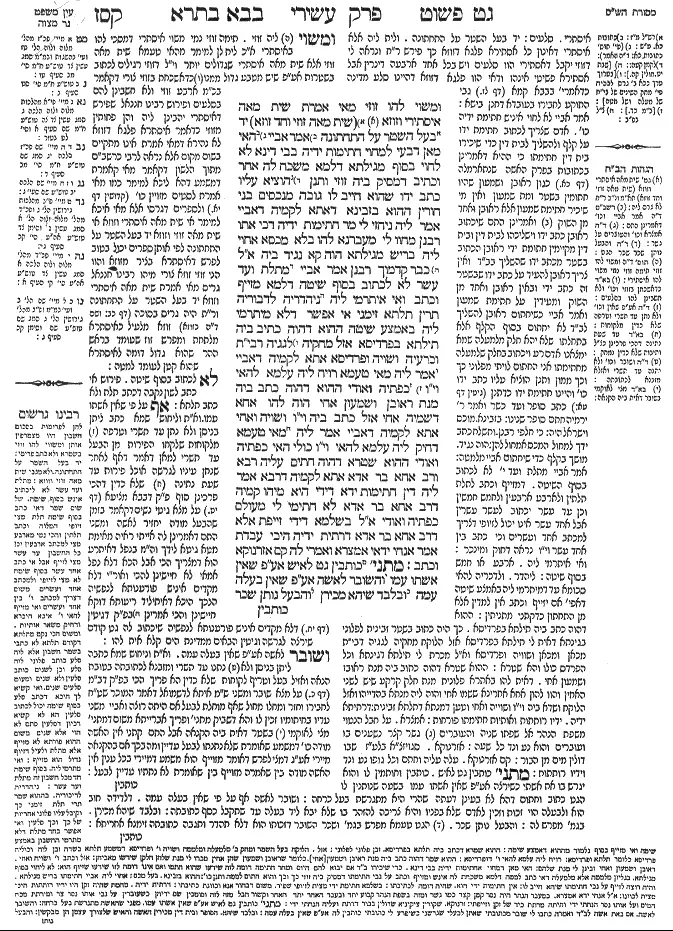
Bava Batra 167a - Guemara
ומשוי להו זוזי מאי אמרת שית מאה איסתירי וזוזא (שית מאה זוזי וחד זוזא) יד בעל השטר על התחתונה אמר אביי האי מאן דבעי למחוי חתימות ידיה בבי דינא לא לחוי בסוף מגילתא דלמא משכח לה אחר וכתיב דמסיק ביה זוזי ותנן הוציא עליו כתב ידו שהוא חייב לו גובה מנכסים בני חורין ההוא בזבינא דאתא לקמיה דאביי אמר ליה ניחזי לי מר חתימות ידיה דכי אתו רבנן מחוו לי מעברנא להו בלא מכסא אחוי ליה בריש מגילתא הוה קא נגיד ביה א"ל כבר קדמוך רבנן אמר אביי מתלת ועד עשר לא לכתוב בסוף שיטה דלמא מזייף וכתב ואי איתרמי ליה ניהדריה לדבוריה תרין תלתא זימני אי אפשר דלא מיתרמי ליה באמצע שיטה ההוא דהוה כתיב ביה תילתא בפרדיסא אזל מחקיה לגגיה דבי"ת וכרעיה ושויה ופרדיסא אתא לקמיה דאביי אמר ליה מאי טעמא רויח ליה עלמא להאי וי"ו כפתיה ואודי ההוא דהוה כתב ביה מנת ראובן ושמעון אחי הוה להו אחא דשמיה אחי אזל כתב ביה וי'ו ושויה ואחי אתא לקמיה דאביי אמר ליה מאי טעמא דחיק ליה עלמא להאי וי"ו כולי האי כפתיה ואודי ההוא שטרא דהוה חתים עליה רבא ורב אחא בר אדא אתא לקמיה דרבא אמר ליה דין חתימות ידא דידי היא מיהו קמיה דרב אחא בר אדא לא חתימי לי מעולם כפתיה ואודי א"ל בשלמא דידי זייפת אלא דרב אחא בר אדא דרתית ידיה היכי עבדת אמר אנחי ידאי אמצרא ואמרי לה קם אזרנוקא וכתב:
מתני׳ כותבין גט לאיש אע"פ שאין אשתו עמו והשובר לאשה אע"פ שאין בעלה עמה ובלבד שיהא מכירן והבעל נותן שכר
Comments from Rashbam - Bava Batra 167a
איסתרי . סלעים: יד בעל השטר על התחתונה . ולית ליה אלא איסתרי דאינון כל אסתירא פלגא דזוזא כך פירש ר"ח ונראה לי דזוזי יקבל דאסתירי הוו סלעים ויש בכל אחד ארבעה דינרין אבל אסתירא פשיטי אינהו ודאי הוו פלגא דזוזא דהיינו סלע מדינה כדאמרי' בבבא קמא (דף לז.) גבי התוקע לחבירו בעובדא דחנן בישא: אמר אביי לא לחוי איניש חתימת ידיה כו' . אדם שצריך לכתוב חתימת ידו על קלף ולהשליך לבית דין כדי שיכירו בית דין חתימתו כי ההיא דאמרינן בכתובות בפרק האשה שנתארמלה (דף כא.) כגון ראובן ושמעון שהיו חתומין בשטר ומת שמעון ואין מי שיכיר חתימת שמעון אלא ראובן ואחד מן השוק ואמרינן התם שיכתוב ראובן כתב ידו וישליכהו לבית דין ובית דין מקיימין חתימת ידי ראובן הכתוב בשטר מכתב ידו שהשליך בב"ד ואין צריך ראובן להעיד על כתב ידו שבשטר זה כתב ידי ובאין ראובן ואחד מן השוק ומעידין על חתימת שמעון ואמר אביי כשיחתום ראובן להשליך לב"ד לא יחתום בסוף הקלף אלא בתחלתו שלא יהא חלק מלמעלה שמא ימצאנו אדם רע ויכתוב בחלק שלמעלה מחתימתו אני החתום לויתי מפלוני כך וכך ממון ותנן הוציא עליו כתב ידו כו' והיינו חתימת ידו כדתנן (גיטין דף עא:) כתב סופר ועד כשר ואמר ר' ירמיה חתם סופר שנינו: בזבינא . מוכס וישראל היה: כי חלפי רבנן . ותשלח כתב ידך למחול המכס אמחול להן: הוה נגיד . מושך בקלף כדי שיחתום אביי מלמטה: אמר אביי מתלת ועד י' לא לכתוב בסוף השיטה . דמזייף וכתב לתלת תלתין ולארבע ארבעין ולחמש חמשין וכן עד עשר יכתוב לעשר עשרין אבל אחד עשר אינו יכול לזיופי דצריך למכתב אחד ועשרים וכי כתב בין אחד עשר וי"ו נראה דחוק ומינכר: ואי איתרמי ליה . ארבע או חמש בסוף שיטה: ליהדר . ולדכריה להאי סכומא עד דמיתרמי ליה באמצע שיטה דאפי' אם יזייף וכתב אין למדין אלא מן התחתון כדקתני מתניתין: ההוא דהוה כתב ביה תילתא בפרדיסא . כך היה כתוב בשטר זבינית לפלוני בגינתא דאית לי תילתא בפרדיסא אזל הלוקח מחקיה לגגיה דבי"ת מכאן ומכאן ושוויה ופרדיסא וא"ל מכרת לי תילתא דגינתא וכל הפרדס כולו והא שטרא: ההוא שטרא דהוה כתוב ביה מנת ראובן ושמעון אחי . דאית להו באתרא פלונית מנת חלק קרקע שיש לשני האחין והוו להון אחא אחרינא ששמו אחי והוה ליה מנתא בהדייהו ואזל הלוקח ושדא ביה וי"ו ושוייה ואחי וטען דמנתא דתלתא זבינית: דרתיתא ידיה . ידיו רותתות ואותיות חתימתו פורחות: אמצרא . על חבל הנטוי משפת הנהר אל שפתו שניה והעוברים גשר קצר נשענים בו ועוברים והוא נע ונד כל שעה: אזרנוקא . סגויזצ"א בלע"ז שבו דולין מים מן הבור: קם אזרנוקא . עלה עליה וחתם וכל גופו נע ונד וידיו רותתות: מתני' כותבין גט לאיש . כותבין וחותמין לו והוא יגרש בו את אשתו כשירצה אע"פ שאין אשתו עמו בשעה שנותנין לו הגט כתוב וחתום דהא לא בעינן דעתה שהרי היא מתגרשת בעל כרחה: ושובר לאשה אף על פי שאין בעלה עמה . דלדידה חוב הוא ולבעלה הוי זכות וזכין לאדם שלא בפניו והיא צריכה להזהר בו שלא יבא ליד בעלה עד שתקבל כסף כתובתה: ובלבד שיהא מכירן . בגמ' מפרש לה: והבעל נותן שכר . הגט טעמא מפרש בגמ' ושכר השובר דזכותו הוא דלא תהדר ותגבה כתובתה זימנא אחריתא:
Comments from Tosafot - Bava Batra 167a
ומשוי ליה זוזי. תימה זוזי נמי משוי איסתרי דמסכי להו באיסתרי א"כ לית לן למימר מהאי טעמא שית מאה זוזי אלא שית מאה איסתרי שגדולים יותר וי"ל דזוזי רגילים לכתוב בשטרות אע"פ שיש מטבע גדול ממנו כדאשכחת בזוזי צורי דקאמר בכ"מ ארבע זוזי ולא חשבינן להם בסלעים ופירוש רבינו חננאל שפירש דאיסתרי יהבינן ליה והן פחותין מזוזי כדאמר איסתרא פלגא דזוזא לא נהירא דמאי אמרת אינו מתקיים בשום מקום אלא נראה לרבי כרשב"ם מתוך הלשון דקאמר מאי קאמרת דמשמע דהא ליכא למימר כמו מאי אמרת לסטים מזויין כו' (קדושין דף יא.) ולספרים דגרסי אלא מאי איכא למימר אי שית מאה איסתרי וזוזא אי שית מאה זוזי וזוזא יד בעל השטר על התחתונה לפי אותן ספרים יכול בטוב לפרש דאיסתרא בציר מזוזא והוו הני זוזי זוזא צורי מיהו רבינו חננאל גריס מאי אמרת שית מאה איסתרי וזוזא יד בעל השטר על התחתונה ור"ת היה גריס בסוכה (דף כב: ושם ד"ה כזוזא) זוזא מלעיל כאיסתרא מלתחת ומפרש זוז שעומד בראש ההר שהוא גדול דומה לאיסתרא שהוא קטן לעומד למטה: לא לכתוב בסוף שיטה. פירוש אי כתב לשון נקבה דכתב תלת ולא כתב תלתא: אף על פי שאין אשתו עמו. וא"ת וליחוש שמא כתב ליתן בניסן ולא נתן עד תשרי וטרפה מלקוחות שלקחו הפירות מן הבעל עד תשרי למאן דאמר דאף לאחר שנתן עיניו לגרשה אוכל פירות עד שעת נתינה שלא כדין דהכי פרכינן סוף פ"ק דבבא מציעא (דף יט.) על מצא גיטי נשים דקאמר בזמן שהבעל מודה יחזיר לאשה ומשני התם דאמרינן לה אייתי ראיה מאימת מטא גיטא לידך וה"מ בנפל דאיתרע הוא דמצריך הכי אבל הכא דלא נפל אמאי לא חיישינן להכי ואור"י דלא מקדים איניש פורענותא לנפשיה הלכך היכא דאיתיליד ריעותא דוקא חיישינן והכי אמרינן בפ"ק דגיטין (דף יח.) דלא מקדים איניש פורענותא לנפשיה שיכתוב לה גט קודם שירצה לגרשה וגיטין הבאים ממדינת הים קלא אית להו: ושובר לאשה אע"פ שאין בעלה עמה. וא"ת וניחוש שמא כתבה ליתן בניסן ולא נתנו עד תשרי ומזבנא לכתובתה בטובת הנאה ואזיל בעל וטריף לקוחות שלא כדין הא פריך הכי בפ"ק דב"מ (דף כ.) על מצא שובר ומשני ש"מ איתא לדשמואל דאמר המוכר שט"ח לחבירו וחזר ומחלו מחול שאף מוחלת לבעל אם היתה רוצה ואביי משני עדיו בחיתומיו זכין לו והא דשביק מתני' ופריך אברייתא משום דמתני' מצי לאוקמי בשטר דאית ביה הקנאה אבל התם קתני אין האשה מודה כו' דמשמע שאומרת שלא נתנתו לבעל עדיין ומה בכך אם בהקנאה מיירי אע"ג דמצי לפרש דאומר מזוייף הוא משמע דמיירי בכל ענין אין האשה מודה בין שאמרה מזוייף בין שאומרת לא נתתיו עדיין לבעל:
Bava Batra 167a - Mishnah translated into english
and change them into a smaller number of dinars. Therefore, what can you say? The highest and lowest remaining possibilities are: Six hundred istira and a dinar, and six hundred dinars and one more dinar. The guiding principle is that the holder of the document is at a disadvantage, and the lesser of these two values is assumed.
§ Abaye said: With regard to this one who needs to show his signature in court for the purpose of corroborating his signature on a document, he should not show it by writing it at the end of the parchment, lest another, unscrupulous, person find the parchment and write above the signature that the signatory owes him money. And such a document would be valid, as we learned in a mishna (175b): If one presents to a debtor a document in the handwriting of the debtor stating that he owes money to him, but without witnesses signed on the document, the creditor can collect only from unsold property, i.e., property that is currently in the possession of the debtor.
The Gemara relates: There was a certain Jewish tax collector who came before Abaye and said to him: Let the Master show me his signature on a piece of paper to keep in my records, as when rabbis come to me and show me a note with your signature on it, attesting to the fact that they are Torah scholars, I let them pass without paying the tax. Abaye showed him his signature at the top of the parchment, though the unscrupulous tax collector kept pulling the parchment away from Abaye so that the signature would be at the bottom. Abaye noticed this and said to him: The Sages have already anticipated people such as you and advised that one should never write his signature at the bottom of a paper.
§ Abaye said: When writing a promissory note, one should not write any number from three until ten at the end of a line, lest someone commit forgery and write an extension to the number, since it is at the end of the line. In Hebrew and Aramaic, the words for the numbers three through nine can be changed to thirty through ninety, respectively, by appending to them the suffix in, written with the letters yod and nun. Ten can be changed to twenty in a similar manner. And if by chance it occurs for him that these numbers fall out at the end of a line, he should repeat his words two or three times, stating and restating the agreement in question, as it is impossible that the number will not eventually occur for him in the middle of a line. When there is a contradiction, it is the final mention of the amount that is authoritative, as the mishna teaches.
The Gemara relates: There was a certain bill of sale in which it was written that the item sold was: In my garden, one-third of the orchard. The purchaser went and erased the roof and the foot of the beit of the term: Of the orchard [befardeisa], and thereby changed the prefix beit into a vav, yielding: In my garden one-third, and the orchard [ufardeisa], indicating that the sale included one-third of the garden in addition to all of the orchard. The document came before Abaye, who said to the purchaser: What is the reason that there is so much space around this vav? Since the letter vav is narrower than the letter beit, a larger space between letters emerged as compared to the spacing of letters in the rest of the document. Abaye bound the purchaser, i.e., he subjected him to physical coercion, and he admitted to the forgery.
The Gemara relates: There was a certain bill of sale in which it was written that the item being sold was: The portions of Reuven and Shimon, brothers [aḥei]. Reuven and Shimon happened to have a brother whose name was Aḥai, which, when writing without vowels, is spelled identically to aḥei. The purchaser went and wrote a conjunctive vav in the document before the word aḥei, and changed the wording into: The portions of Reuven and Shimon and Aḥai. The document came before Abaye, who said to the purchaser: What is the reason that it is so crowded around this vav? By inserting the extra vav, a smaller space between letters emerged as compared to the spacing of letters in the rest of the document. Abaye bound the purchaser, i.e., he subjected him to physical coercion, and he admitted the forgery.
The Gemara relates: There was a certain document upon which the signatures of Rava and Rav Aḥa bar Adda were signed. The one holding the document came before Rava, who said to him: This is my signature, but I never signed any document before Rav Aḥa bar Adda. Rava bound the holder of the document, i.e., he subjected him to physical coercion, and he admitted the forgery. Rava said to him: Granted, you were able to forge my signature, but how did you perform a forgery of Rav Aḥa bar Adda’s signature, since his hands shake and as a result his signature is distinctive? The man said: I placed my hands on the rope of a narrow footbridge [amitzra], and was thereby able to duplicate Rav Aḥa’s signature. And some say that the forgery was accomplished when the forger stood upon a wobbly water skin [azarnuka] and wrote the signature.
MISHNA: A scribe may write a bill of divorce for a man who requests one, even if his wife is not with him to give her consent when he presents his request, as there is no possibility that he will misuse the document. And a scribe may write a receipt for a woman upon her request, attesting to the payment of her marriage contract, even if her husband is not with her to give his consent. This is true provided that the scribe recognizes the parties requesting the document, to prevent misrepresentation. And for both documents, the husband gives the scribe his wages.
Traduction : The William Davidson digital edition of the Koren Noé Talmud, with commentary by Rabbi Adin Even-Israel Steinsaltz.