 Talmud Bavli
Bava Batra 164a : Youtube
Daf TubeYoutube
2 video classes :
Bava Batra Page 164a
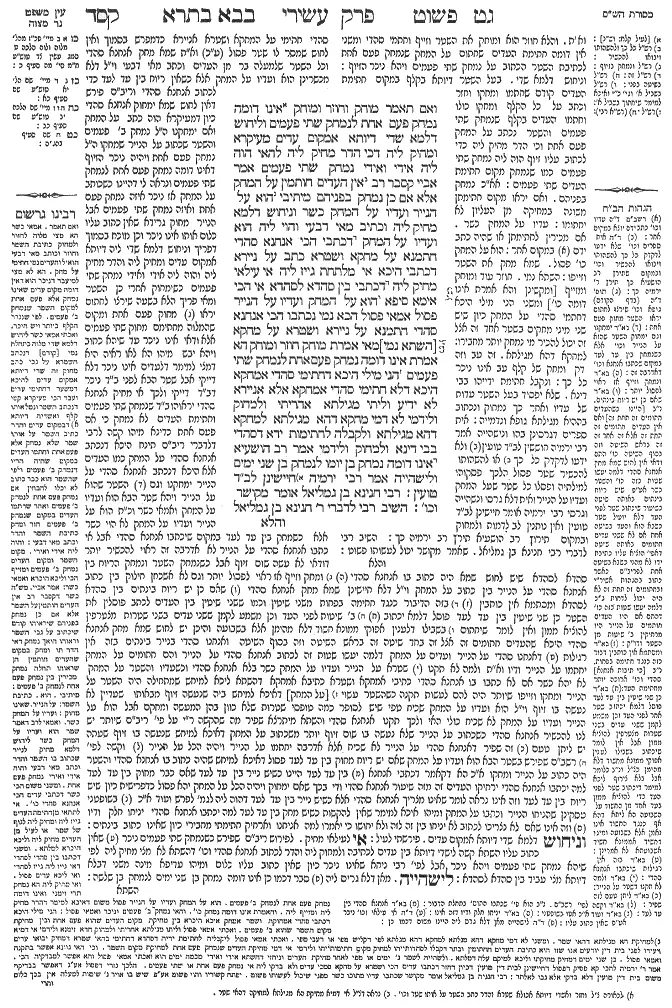
Bava Batra 164a - Guemara
ואם תאמר מוחק וחוזר ומוחק אינו דומה נמחק פעם אחת לנמחק שתי פעמים וליחוש דלמא שדי דיותא אמקום עדים מעיקרא ומחיק ליה דכי הדר מחיק ליה להאי הוה ליה אידי ואידי נמחק שתי פעמים אמר אביי קסבר רב אין העדים חותמין על המחק אלא אם כן נמחק בפניהם מיתיבי הוא על הנייר ועדיו על המחק כשר וניחוש דלמא מחיק ליה וכתיב מאי דבעי והוי ליה הוא ועדיו על המחק דכתבי הכי אנחנא סהדי חתמנא על מחקא ושטרא כתב על ניירא דכתבי היכא אי מלתחת גייז ליה אי עילאי מחיק ליה דכתבי בין סהדא לסהדא אי הכי אימא סיפא הוא על המחק ועדיו על הנייר פסול אמאי פסול הכא נמי נכתבו הכי אנחנא סהדי חתמנא על ניירא ושטרא על מחקא [השתא נמי] מאי אמרת מוחק חוזר ומוחק הא אמרת אינו דומה נמחק פעם אחת לנמחק שתי פעמים הני מילי היכא דחתימי סהדי אמחקא היכא דלא חתימי סהדי אמחקא אלא אניירא לא ידיע וליתי מגילתא אחריתי ולמחוק ולידמי לא דמי מחקא דהא מגילתא למחקא דהא מגילתא ולקבלה לחתימות ידא דסהדי בבי דינא ולמחוק ולידמי אמר רב הושעיא אינו דומה נמחק בן יומו לנמחק בן שני ימים ולישהייה אמר רבי ירמיה חיישינן לב"ד טועין:
רבי חנינא בן גמליאל אומר מקושר וכו':
השיב רבי לדברי ר' חנינא בן גמליאל
Comments from Rashbam - Bava Batra 164a
וא"ת . והלא חוזר הוא ומוחק את השטר וזייף וחתמי סהדי ומשני אין דומה חתימת העדים שחתום על המחק שנמחק פעם אחת לכתיבת השטר הכתוב על נמחק שתי פעמים ויהא ניכר הזיוף: וניחוש דלמא שדי . בעל השטר דיותא בקלף במקום חתימת העדים קודם שחתמו ומחקו וחזר וכתב על כל הקלף ומחקו כולו וחתמו העדים בקלף שנמחק שתי פעמים והשטר נכתב על המחק פעם אחת וכי הדר מחיק ליה כדי לכתוב עליו זיוף הוה ליה נמחק שתי פעמים כמו שנמחק מקום חתימת העדים שתי פעמים: אא"כ נמחק בפניהם . ואם יראו מקום חתימתן משונה במחיקה מן העליון לא יחתומו: עדיו על המחק כשר . אם מכירין לחתימתן או שהיה כתב ידם במקום אחר: הוא על המחק כו' פסול . שמא מחק את השטר וזייפו: השתא נמי . חוזר עוד ומוחק ומזייף [ומקשינן והא אמרת אינו דומה כו'] ומשני הני מילי היכא דחתמי סהדי על המחק כיון שיש שני מיני מחקים בשטר אחד זה אצל זה יכול להכיר מי נמחק יותר מחבירו: למחקא דהא מגילתא . זה עב וזה דק ומחק של קלף עב אינו ניכר כל כך: ונקבל חתימת ידייהו בבי דינא . שלא יפסיד בעל השטר עדות של עדיו ואחר כך נמחוק ונכתוב בההיא מגילתא גופא ונדמייה: אית ספרים דגרסינן בהו ונישהייה אמר רבי ירמיה חוששין לב"ד טועין ולא ידעו לדקדק כל כך או להשהותו להכשיר שטר פסול הלכך פסקוהו למילתיה ופסלו כל שטר שעל המחק ועדיו על הנייר ואית דלא גרסי ונשהייה וגרסי רבי ירמיה אומר חיישינן לב"ד טועין ואין נותנין לב לדמות ולמחוק ובמקום תירוץ רב הושעיא תירץ רב ירמיה כך: השיב רבי לדברי רבי חנינא בן גמליאל . שאמר מקושר יכול לעשותו פשוט:
Comments from Tosafot - Bava Batra 164a
וניחוש דלמא שדי דיותא אמקום עדים. פירשתי לעיל: אי לעילאי מחיק. לפירוש ריב"ם שפירש כשנמחק שתי פעמים ניכר שאין כתוב עליו השתא קשה לישדי דיותא בין עדים לכתיבה ולמחוק ליה והדר לכתוב אנחנא סהדי וכו' דהשתא לא מצי מחיק ליה לפי שיהא נמחק שתי פעמים ויהא ניכר אבל לפי' רבי ניחא שאינו ניכר כיון שאין כתוב עליו כלום ומיהו עדיפא מינה משני דבלא דיותא מצי עביד בין סהדא לסהדא: לישהייה. מאן דלא גריס ליה סבר דכמו כן אינו דומה נמחק בן שני ימים לנמחק בן שלשה:
Bava Batra 164a - Mishnah translated into english
And if you say: There is a possibility of forgery with such a document, as the holder of the document can erase the original writing on the paper, then write the text of the document and have witnesses sign on the part that had been erased, then erase the document text once again, substituting for it a text that is more to his advantage, leaving the original signatures in place, this is not a valid argument. Paper that has been erased once is not similar in appearance to paper that has been erased twice. It will be seen that the signatures are on a place that had been erased once and that the text is written on a place that had been erased twice, and the forgery will be noticed.
The Gemara suggests: But let there be a concern that perhaps the holder of the document will initially, after the entire original document, including the signatures, has been erased, but before the second one is written, throw some ink on the place where the witnesses are to sign under the text of the second document, and then erase that ink. He will do this so that when, after the witnesses have signed, he then erases the document text and writes a false text, it will emerge that both this, the new document’s text, and that, the signatures, will be on paper that had been erased twice.
Abaye said in response: Rav holds that witnesses may not sign a document written over an erasure unless the paper was erased in their presence, i.e., unless they saw the paper after its old text had been erased, before the new text was written. They will then see that the place where they are to sign has been erased twice, while the place where the document is to be written has been erased only once. They will realize that this leaves open an opportunity of subsequent erasing and falsification, and they will refrain from signing.
The Gemara raises an objection to the opinion of Rav from a baraita: A document in which its text is on a part of the paper that has never had writing erased and the signatures of its witnesses are on an erasure is valid. The Gemara suggests: But let us be concerned that perhaps the holder of the document will erase the text and write in its place whatever he wants, and it will then be a document where both its text and the signatures of its witnesses are on an erasure. Since Rav maintains that such a document is valid, it is easily forgeable in this manner.
The Gemara answers: Such a document is valid only in a case where the witnesses write this: We, the witnesses, signed on an erasure, but the document text was written on a part of the paper that never had writing erased. If the holder of the document then tries to erase the original text and write new text in its place, the forgery will be noticed.
The Gemara asks: Where do the witnesses write this declaration? If they write it underneath their signatures, the holder of the document can simply excise it. And if they write it above their signatures, the holder of the document can erase it along with the text of the document. The Gemara answers: They write the declaration between the signature of one witness and the signature of the other witness.
The Gemara asks: If that is so, that the baraita is discussing a case in which the witnesses write a declaration about the circumstances of the document’s condition, say the latter clause of the baraita: A document in which its text is on an erasure and the signatures of its witnesses are on a part of the paper that never had writing erased is not valid. The Gemara presents its question: Why is such a document not valid? Here, too, let the witnesses write this: We, the witnesses, signed on paper that never had writing erased, but the document text was written on an erasure.
Now in this case as well it should be valid, as what can you say to argue that it is a forgeable document? If you say that the holder of the document, having erased the original document, can erase the writing once again and write a new, false document, this is not a concern, as didn’t you say that paper that has been erased once is not similar in appearance to paper that has been erased twice? It would therefore be noticeable that the document had been erased a second time, and the forgery would be noticeable. The Gemara answers: That statement applies only when the witnesses are signed on an erasure, and the appearance of that erasure can be compared with the appearance of a double erasure. But in a case where the witnesses are signed not on an erasure but on paper that has not had its writing erased, so that there is no contrast between a single erasure and a double erasure, the forgery would not be known.
The Gemara suggests: But let the court bring another parchment, write something on it and erase it, and then compare this single erasure with the erasure on the document in question. If the document were erased twice, a contrast would be seen between a single erasure and a double erasure. The Gemara answers: The erasure of this parchment is not necessarily similar to the erasure of that parchment. A single erasure on one parchment might resemble a double erasure on a different parchment.
The Gemara continues to suggest: But let us accept, i.e., verify, the signatures of the witnesses on the document in court, after which they may safely be erased; and then erase the signatures and compare that erasure to the erasure of the document text, to see if it was erased once or twice. In response to this question Rav Hoshaya says: That which is erased on the same day that it was written is not necessarily similar to that which was erased two days ago, i.e., more than a day after it was written. An older erasure looks different from a new one, so the comparison might not show that there was a double erasure in the document.
The Gemara suggests: But let us retain the document for an extra day, at which point both erasures will be old and can be compared. Rabbi Yirmeya said in response: We are concerned for the possibility of an erring court. If such complicated procedures were used in order to declare a document valid, there would be a chance that a particular court would not apply them properly, and that court would end up ratifying a document that was not valid.
§ The mishna teaches that Rabbi Ḥanina ben Gamliel says: A tied document whose witnesses wrote their signatures inside of it is valid, because one can transform it into an ordinary document by untying it. Rabbi Yehuda HaNasi raised an objection to the statement of Rabbi Ḥanina ben Gamliel:
Traduction : The William Davidson digital edition of the Koren Noé Talmud, with commentary by Rabbi Adin Even-Israel Steinsaltz.