 Talmud Bavli
The learning on the whole site is dedicated : L'ilui Nishmat Chemouel Eliezer ben Batcheva
The learning on the whole site is dedicated : L'ilui Nishmat אסתר בת חיים
The learning on the whole site is dedicated : L'ilui Nishmat Nissim ben Barukh Malka
Bava Batra 129a : Youtube
Daf TubeYoutube
2 video classes :
Bava Batra Page 129a
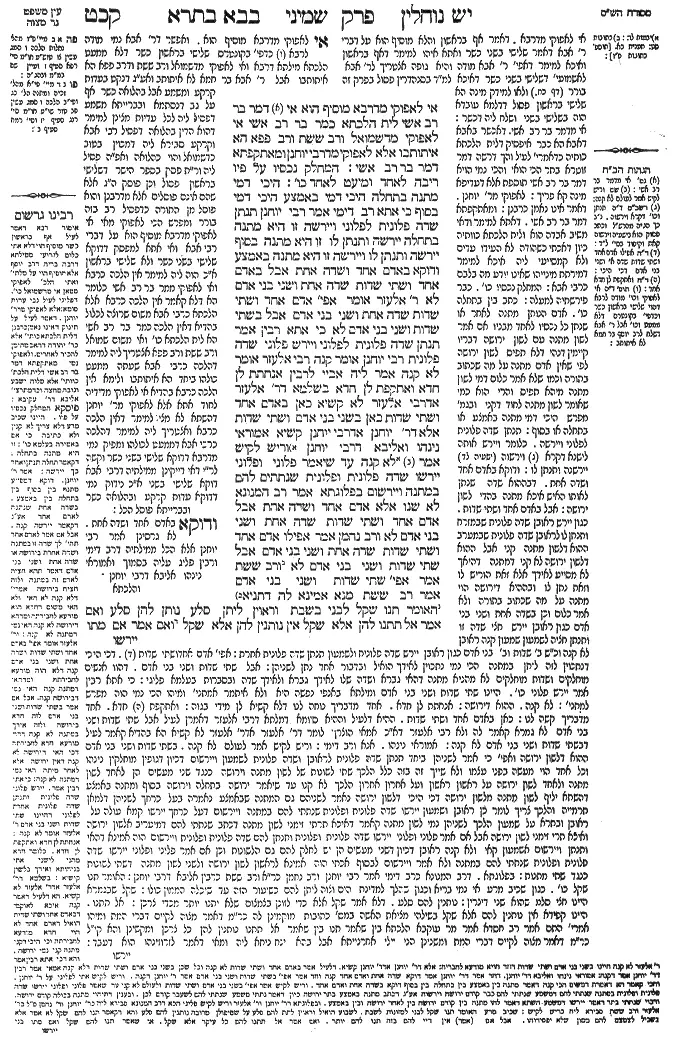
Bava Batra 129a - Guemara
אי לאפוקי מדרבא מוסיף הוא אי דמר בר רב אשי לית הלכתא כמר בר רב אשי אי לאפוקי מדשמואל ורב ששת ורב פפא הא איתותבו אלא לאפוקי מדרבי יוחנן ומאתקפתא דמר בר רב אשי:
המחלק נכסיו על פיו ריבה לאחד ומיעט לאחד כו':
היכי דמי מתנה בתחלה היכי דמי באמצע היכי דמי בסוף כי אתא רב דימי אמר רבי יוחנן תנתן שדה פלונית לפלוני ויירשה זו היא מתנה בתחלה יירשה ותנתן לו זו היא מתנה בסוף יירשה ותנתן לו ויירשה זו היא מתנה באמצע ודוקא באדם אחד ושדה אחת אבל באדם אחד ושתי שדות שדה אחת ושני בני אדם לא ר' אלעזר אומר אפי' אדם אחד ושתי שדות שדה אחת ושני בני אדם אבל בשתי שדות ושני בני אדם לא כי אתא רבין אמר תנתן שדה פלונית לפלוני ויירש פלוני שדה פלונית רבי יוחנן אומר קנה רבי אלעזר אומר לא קנה אמר ליה אביי לרבין אנחתת לן חדא ואתקפת לן חדא בשלמא דר' אלעזר אדרבי אלעזר לא קשיא כאן באדם אחד ושתי שדות כאן בשני בני אדם ושתי שדות אלא דר' יוחנן אדרבי יוחנן קשיא אמוראי נינהו ואליבא דרבי יוחנן וריש לקיש אמר לא קנה עד שיאמר פלוני ופלוני יירשו שדה פלונית ופלונית שנתתים להם במתנה ויירשום בפלוגתא אמר רב המנונא לא שנו אלא אדם אחד ושדה אחת אבל אדם אחד ושתי שדות שדה אחת ושני בני אדם לא ורב נחמן אמר אפילו אדם אחד ושתי שדות שדה אחת ושני בני אדם אבל שתי שדות ושני בני אדם לא ורב ששת אמר אפי' שתי שדות ושני בני אדם אמר רב ששת מנא אמינא לה דתניא האומר תנו שקל לבני בשבת וראוין ליתן סלע נותן להן סלע ואם אמר אל תתנו להן אלא שקל אין נותנין להן אלא שקל ואם אמר אם מתו
Comments from Rashbam - Bava Batra 129a
אי לאפוקי מדרבא . דאמר אף בראשון והלא מוסיף הוא על דברי ר' אבא דאמר שלישי בשני כשר ואתא איהו למימר דאף בראשון ואיכא למימר דאפי' ר' אבא מודה והיא גופה אצטריך לר' אבא לאשמועי' דשלישי בשני כשר דאיכא למ"ד בסנהדרין פסול בפרק זה בורר (דף כח.) ולאו למידק מינה הא שלישי בראשון פסול דדלמא עובדא הוה בשלישי בשני ושלח ליה דכשר: אי מדמר בר רב אשי . דאכשר באבא דאבא הא כבר איפסיק דלית הלכתא כותיה כדאמרי' לעיל והך דרשה דמר זוטרא בתר הכי הואי והכי נמי הויא דמר בר רב אשי תוספת אלא דעדיפא מינה קא פריך: לאפוקי מר' יוחנן . דאמר אינו נאמן כרבנן: ומאתקפתא דמר בר רב אשי . דאתא למימר ודאי משיב אבדה הוא ולית הלכתא כוותיה כיון דאכתי כשהודה לא העידו עדים ולא קמסייעי ליה איכא למימר דמירתת מינייהו שאינו יודע מה בלבם כרבי אבא: המחלק נכסיו כו' . כבר פירשתיה למעלה: כתב בין בתחלה כו' . אדם הנותן מתנה לאחר או שנתן כל נכסיו לאחד מבניו אם אמר לשון מתנה עם לשון ירושה דבריו קיימין דנהי דלא תפיס לשון ירושה לפי שאין אדם מתנה על מה שכתוב בתורה וכמו שלא אמר כלום דמי לשון מתנה מיהא תפיס והרי הוא כמי שאומר לשון מתנה לחוד דקני ובגמ' מפרש היכי דמי מתנה באמצע או בתחלה או בסוף: תנתן שדה פלונית לפלוני ויירשה . כלומר ויירש אותה לישנא דקרא וירשוה (ישעיהו לד) יירשנה ותנתן לו: ודוקא באדם אחד ושדה אחת . דבההוא שדה שנתן לאותו האיש איכא מתנה בהדי לשון ירושה: אבל באדם אחד ושתי שדות . כגון יירש ראובן שדה פלונית שבמזרח ותנתן לו לראובן שדה פלונית שבמערב ההוא דלשון מתנה קני אבל ההוא דלשון ירושה לא קני דמתנה דהיאך לא מסייע לאידך אלא זאת הוריש לו וזאת נתן לו ובההיא דירושה הוי מתנה על מה שכתוב בתורה ולא אמר כלום וכן בשדה אחת ושני בני אדם כגון ראובן יירש חצי שדה זו ותנתן חציה לשמעון שמעון קנה ראובן לא קנה וכ"ש ב' שדות וב' בני אדם כגון ראובן יירש שדה פלונית ולשמעון תנתן שדה פלונית אחרת: אפי' אדם אחד ושתי שדות . דכי היכי דנתכוין לזה ליתן במתנה הכי נמי נתכוין לאידך הואיל ובדבור אחד נתן לשניהן: אבל שתי שדות ושני בני אדם . דהוו אנשים מוחלקים ושדות מוחלקים לא מהניא מתנה דהאי גברא ושדה שלו לאידך גברא ולאידך שדה ובסברות בעלמא פליגי: כי אתא רבין אמר יירש פלוני כו' . היינו שתי שדות ושני בני אדם ומילתא באנפי נפשה היא ולא איתמר אמתני' ומיהו הכי נמי הוה מפרש למתני': לא קנה . ההוא דירושה: אנחתת לן חדא . אחד מדבריך נוחה לנו דלא קשיא לן מידי בגוה: ואתקפת חדא . אחד מדבריך קשה לנו: כאן באדם אחד ושתי שדות . ההיא דלעיל וההיא סיומא דמלתא דרבי אלעזר דאמרן לעיל אבל שתי שדות ושני בני אדם לא גמרא קאמר לה ולא רבי אלעזר דא"כ אמאי הוצרך לומר דר' אלעזר אדר' אלעזר לא קשיא הא בהדיא קאמר לעיל דבשתי שדות ושני בני אדם לא קנה: אמוראי נינהו . אנא ורב דימי: וריש לקיש אמר לעולם לא קנה . בשתי שדות ושני בני אדם ההוא דלשון ירושה ואפי' כי אמר לשניהן ביחד תנתן שדה פלונית לראובן ושדה פלונית לשמעון ויירשום דכיון דגופין מוחלקין נינהו וכל אחד הוי מעשה בפני עצמו ולא שייך זה בזה כלל הלכך שתי לשונות של לשון מתנה וירושה כנגד שני מעשים הן לאחד לשון מתנה ולאחד לשון ירושה על ראשון ראשון ועל אחרון אחרון הלכך לא קנו עד שיאמר ירושה בתחלה וירושה בסוף ומתנה באמצע דהשתא יליף לשון מתנה מלשון ירושה דכי היכי דלשון ירושה נאמר לשניהם גם המתנה שבאמצע נאמרה בעל כרחך לשניהן דלמאן תרמייה והלכך צריך לומר כן ראובן ושמעון יירשו שדה פלונית ופלונית שנתתי להם במתנה ויירשום דעל כרחך יירשו קמא עולה על ראובן ובתרא על שמעון הלכך לשניהן נמי לשון מתנה קאמר דאיכא תרתי זימני לשון מתנה דכתב שנתתי להם דמיעריב אלשון ירושה ואיכא תרי זימני לשון ירושה אבל אם אמר פלוני ופלוני יירשו שדה פלונית ופלונית ותנתן להם שדה פלונית ופלונית ויירשום הוה אמינא דהאי ותנתן ויירשום אשמעון קאי ולא קנה ראובן דכיון דשני מעשים הן יש לחלק להם גם הלשונות וכן אם אמר פלוני ופלוני יירשו שדה פלונית ופלונית שנתתי להם במתנה ולא אמר ויירשום לבסוף אכתי הוה אמינא לראשון לשון ירושה ולשני לשון מתנה דשתי לשונות כנגד שתי מתנות: בפלוגתא . דרב המנונא כרב דימי אמר רבי יוחנן ורב נחמן כר"א ורב ששת כרבין אליבא דרבי יוחנן: האומר תנו שקל כו' . כגון שכיב מרע אי נמי בריא וכגון שהלך למדינת הים וצוה ליתן להם כשיעור הזה עד שיכלה הממון כולו: שקל שבגמרא היינו חצי סלע שהוא שני דינרין: נותנין להם סלע . דלא אמר שקל אלא כדי לזונן בצמצום שלא יתנו יותר מכדי צרכן: אל תתנו . היינו קפידא אין נותנין להם אלא שקל בשילהי מציאת האשה במס' כתובות מוקמינן לה כר"מ דאמר מצוה לקיים דברי המת ומיהו אמרי' התם אמר רב חסדא אמר מר עוקבא הלכתא בין שאמר תנו בין שאמר אל תתנו נותנין להן כל צרכן ומקשינן והא קי"ל כר"מ דאמר מצוה לקיים דברי המת ומשנינן הני מילי אחרנייתא אבל בהא מינח ניחא ליה ומאי דאמר לזרוזינהו הוא דעבד:
Comments from Tosafot - Bava Batra 129a
אי לאפוקי מדרבא מוסיף הוא. ואפשר דר' אבא נמי מודה לרבא כדפי' בקונטרס שלישי בראשון כשר דלא ממעט הלכתא מילתא דרבא ואי לאפוקי מדשמואל ורב ששת ודרב פפא הא איתותבו אבל ר' אבא בר חמא לא איתותב ואע"ג דנקט בעדות קרקע ומשמע אבל בהלואה כשר אף על גב דנסתמא ובברייתא משמע דפסיל ליה לכל עדיות מצינן למימר דהוא הדין בהלואה דפסיל רבי אבא וקרקע סבירא ליה דמכוין בטוב כדשמואל והוי כהלואה ואפ"ה פסיל ליה ור"ת פסק בספר הישר דשלישי בראשון פסול וכן פוסק ה"ג אלא שהם אינם פוסלים אלא מדרבנן והוא פוסל מן התורה כדפסיל רב בזה בורר ומפרש הכי לאפוקי מאי אי לאפוקי מדרבא מוסיף הוא על דברי רבי אבא ואי אתא למפסק דדוקא שלישי בשני כשר ולא שלישי בראשון א"כ הוה ליה למימר אין הלכה כרבא ואי לאפוקי ממר בר רב אשי כלומר הא דלא קאמר אין הלכה כרבא. אלא הלכתא כרבי אבא משום שרוצה לכלול בהדיא דאין הלכה כמר בר רב אשי הא לית הלכתא כו' ואי משום שמואל ורב ששת ורב פפא אצטריך ליה למימר דהלכה כרבי אבא שעתה ממעט כולהו ביחד הא איתותבו ולימא אין הלכה כרבא בהדיא אי לאפוקי מדידיה לחוד אתא אלא לאפוקי מר' יוחנן דהשתא לא מצי למימר דאין הלכה כרבא ואצטריך ליה למימר דהלכה כרבי אבא דממעט לכולהו ומפיק נמי מדרבא דדוקא שלישי בשני כשר וקשה לר"י דאי דייקינן ממילתיה דרבי אבא דוקא שלישי בשני א"כ נידוק נמי דדוקא עדות קרקע ובהלואה כשר ובברייתא פוסל הכל: ודוקא באדם אחד ושדה אחת. לא גרסינן אמר רבי יוחנן אלא הכל ממילתיה דרב דימי ורבין פליג עליה בסמוך ואמוראי נינהו אליבא דרבי יוחנן.
Bava Batra 129a - Mishnah translated into english
If his statement is said to exclude the statement of Rava that the testimony of members of the third generation concerning members of the first generation is valid, this is difficult, as Rava’s statement is not in conflict with Rabbi Abba’s statement that the testimony of members of the third generation with regard to members of the second generation is valid; it merely adds to it. If it is said to exclude the opinion of Mar bar Rav Ashi that a grandfather can testify concerning his grandchild, this is also difficult, as it has already been established that the halakha is not in accordance with the opinion of Mar bar Rav Ashi. If it is said to exclude the rulings of Shmuel and Rav Sheshet and Rav Pappa, that a person who became blind can testify about what he saw beforehand, this too is difficult, as their rulings were refuted based on a baraita.
The Gemara explains: Rather, Mar Zutra’s statement is said to exclude the statement of Rabbi Yoḥanan that one cannot testify that a specific one of his sons is his firstborn, and to exclude the strong objection of Mar bar Rav Ashi to the statement of Rabbi Abba with regard to a case where a debtor admitted to part of a claim and witnesses testified that he repaid the entire debt. Despite Mar bar Rav Ashi’s objection, the halakha is that the debtor is not liable to take an oath.
§ The mishna teaches: With regard to one on his deathbed who apportions his property orally, granting it to his sons as a gift, and he increased the portion given to one of his sons and reduced the portion given to one other son, or equated the portion of the firstborn to the portions of the other sons, his statement stands. But if he said that they will receive the property not as a gift but as an inheritance, he has said nothing. If he wrote in his will, whether at the beginning, or in the middle, or at the end, that he is granting them the property as a gift, his statement stands. The Gemara asks: What are the circumstances where it is phrased as a gift at the beginning? What are the circumstances where it is phrased as a gift in the middle? What are the circumstances where it is phrased as a gift at the end?
When Rav Dimi came from Eretz Yisrael to Babylonia, he said that Rabbi Yoḥanan says that where one on his deathbed instructed: Such and such a field will be given to so-and-so and he will inherit it, this is a case where it is phrased as a gift at the beginning. Where he instructed: And he will inherit it and it will be given to him, this is a case where it is phrased as a gift at the end. Where he instructed: He will inherit it and it will be given to him and he will inherit it, this is a case where it is phrased as a gift in the middle.
And the halakha that his statement is valid pertains specifically to a case where the two terms, giving and inheritance, are employed with regard to one person and one field. But if they are employed with regard to one person and two fields, e.g., if he says: Reuven will inherit this field and will be given that field, or one field and two people, e.g., Reuven will inherit half of this field and Shimon will be given the other half, the part that was phrased as inheritance does not take effect. Only the part that is phrased as a gift takes effect.
Rabbi Elazar says: Even in a case where the two terms are employed with regard to one person and two fields, or one field and two people, his instruction takes effect, as both terms were employed with regard to the same person or the same field. But with regard to two fields and two people, it does not take effect, as the two instructions are not connected to one another.
When Ravin came from Eretz Yisrael to Babylonia, he said that if one on his deathbed said: Such and such a field will be given to so-and-so, and so-and-so, i.e., another person, will inherit such and such a field, i.e., another field, Rabbi Yoḥanan says that even the latter person, who was designated to inherit his field, has acquired it. Rabbi Elazar says: He has not acquired it.
Abaye said to Ravin: You have lightened our burden with one statement that you cited, but you have made it difficult for us with the other one. Granted, the contradiction between this statement of Rabbi Elazar that you cited and the previously cited statement of Rabbi Elazar is not difficult. There, in the previously cited statement, Rabbi Elazar said that the directive takes effect with regard to a case of one person and two fields, and here he said that the directive does not take effect with regard to a case of two people and two fields.
But the apparent contradiction between one statement of Rabbi Yoḥanan and the other statement of Rabbi Yoḥanan is difficult, as Rav Dimi cited in Rabbi Yoḥanan’s name that his directive takes effect only in a case of one person and one field, and according to your citation in the name of Rabbi Yoḥanan it takes effect even in a case of two people and two fields.
Ravin answered him: Rav Dimi and I are amora’im, and we each have a different tradition with regard to the opinion of Rabbi Yoḥanan.
Ravin continued: And Reish Lakish says that one has not acquired the field in the case of two people and two fields unless the giver says: So-and-so and so-and-so will inherit such and such a field and such and such a field that I have given them as a gift, and they will inherit it.
This dispute between the amora’im of Eretz Yisrael is also the subject of a dispute between the amora’im of Babylonia. Rav Hamnuna says: The mishna taught that when both giving and inheritance are mentioned one can increase the portion of one of his sons only with regard to a case of one person and one field, but with regard to one person and two fields, or one field and two people, it is not effective. And Rav Naḥman says: Even in a case of one person and two fields, or one field and two people, it is effective, but in a case of two fields and two people, it is not. And Rav Sheshet says: Even in a case of two fields and two people, it is effective.
Rav Sheshet said: From where do I say this? As it is taught in a baraita (Tosefta, Ketubot 6:10): If a person on his deathbed, or one who is going overseas, says to his children’s steward: Give a shekel to my children every week for their needs, and this is a situation where, based on their needs, they are fit for the steward to give them a sela, i.e., double the amount, he gives them a sela. When the father mentioned a shekel, he presumably meant that the children should be given a sum in accordance with their actual requirements, not that specific amount. But if he said: Give them only a shekel, the steward gives them only a shekel, and no more. And if he said: If my children die,
Traduction : The William Davidson digital edition of the Koren Noé Talmud, with commentary by Rabbi Adin Even-Israel Steinsaltz.