 Talmud Bavli
Bava Batra 131a : Youtube
Daf TubeYoutube
2 video classes :
Bava Batra Page 131a
Bava Batra 131a - Guemara
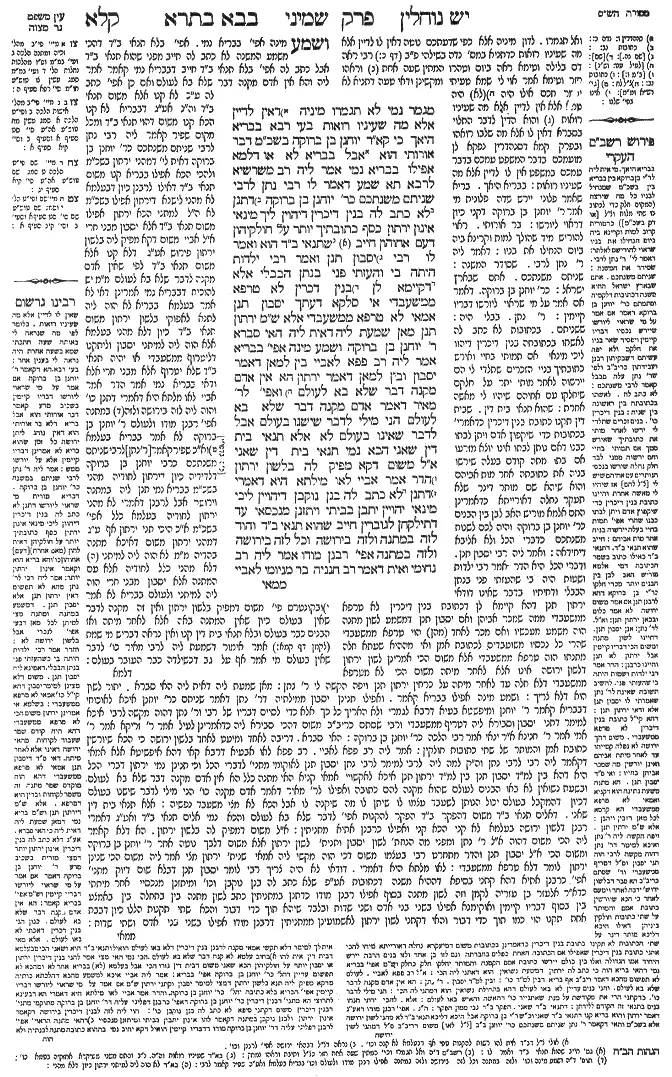
מגמר נמי לא תגמרו מיניה דאין לדיין אלא מה שעיניו רואות בעי רבא בבריא היאך כי קא"ר יוחנן בן ברוקה בשכ"מ דבר אורותי הוא אבל בבריא לא או דלמא אפילו בבריא נמי אמר ליה רב משרשיא לרבא תא שמע דאמר לו רבי נתן לרבי שניתם משנתכם כר' יוחנן בן ברוקה דתנן לא כתב לה בנין דיכרין דיהוין ליך מינאי אינון ירתון כסף כתובתיך יותר על חולקיהון דעם אחוהון חייב שתנאי ב"ד הוא ואמר לו רבי יסבון תנן ואמר רבי ילדות היתה בי והעזתי פני בנתן הבבלי אלא דקיימא לן בנין דכרין לא טרפא ממשעבדי אי סלקא דעתך יסבון תנן אמאי לא טרפא ממשעבדי אלא ש"מ ירתון תנן מאן שמעת ליה דאית ליה האי סברא ר' יוחנן בן ברוקה ושמע מינה אפי' בבריא אמר ליה רב פפא לאביי בין למאן דאמר יסבון ובין למאן דאמר ירתון הא אין אדם מקנה דבר שלא בא לעולם ואפי' לר' מאיר דאמר אדם מקנה דבר שלא בא לעולם הני מילי לדבר שישנו בעולם אבל לדבר שאינו בעולם לא אלא תנאי בית דין שאני הכא נמי תנאי בית דין שאני א"ל משום דקא מפיק לה בלשון ירתון הדר אמר אביי לאו מילתא היא דאמרי דתנן לא כתב לה בנן נוקבן דיהויין ליכי מינאי יהויין יתבן בביתי ויתזנן מנכסאי עד דתילקחן לגוברין חייב שהוא תנאי ב"ד והוה לזה במתנה ולזה בירושה וכל לזה בירושה ולזה במתנה אפי' רבנן מודו אמר ליה רב נחומי ואית דאמר רב חנניה בר מניומי לאביי
Comments from Rashbam - Bava Batra 131a
ואל תגמרו . לדון מיניה אלא כפי שדעתכם נוטה דאין לו לדיין אלא מה שעיניו רואות כדתניא במס' נדה בשילהי פ"ב (דף כ:) רבי ראה דם בלילה וטימא ראה ביום וטהרו המתין שעה אחת וראהו אור וטימא אמר אוי לי שמא טעיתי ומקשינן ודאי טעה דתניא לא יאמר חכם אילו היה (לא) היה טמא אלא אין לדיין אלא מה שעיניו רואות והוא הדין לדבר התלוי בסברא דאין לו אלא מה שלבו רואהו ובפרק קמא דסנהדרין נפקא לן מועמכם בדבר המשפט עמכם בדבר עמכם במשפט אין לו לדיין אלא מה שעיניו רואות: בבריא היאך . בריא שאמר פלוני יירש שדה פלונית מי אמר ר' יוחנן בן ברוקה דקני כיון דראוי ליורשו: בר אורותי . ראוי להוריש מיד שהולך למות וקרינא ביה ביום הנחילו את בניו: דאמר ליה ר' נתן לרבי . שסידר המשנה: ר' נתן . בבלי היה: שניתם משנתכם . אתם שבארץ ישראל: כר' יוחנן בן ברוקה . דאמר אם אמר על מי שראוי ליורשו דבריו קיימין: ששניתם . בכתובות לא כתב לה לאשתו בכתובתה בנין דיכרין דיהוו ליכי מינאי אם תמותי בחיי ואירש כתובתיך בניי הזכרים שתלדי לי הם יירשוה לאחר מותי יתר על חלקם שיחלקו עם אחיהם שיהיו לי מאשה אחרת: שהוא תנאי בית דין . שבית דין תקנו כתובת בנין דיכרין כדאמרי' בכתובות כדי שיקפוץ אדם ויתן לבתו כבנו דאם נותן לבתו אינו יוצא מזרעו אם בתו מתה קודם בעלה שירשו בניה את כתובתה אחר מות אביהם והוא שיהא שם מותר דינר שלא תעקר נחלה דאורייתא כדאמרינן התם אלמא מוריש האב לבן בין הבנים כר' יוחנן בן ברוקה והיה לכם לשנות משנתכם כדברי הכל ולא אליבא דיחידאה: ואמר ליה רבי יסבון תנן . ודברי הכל היא: הדר אמר רבי ילדות ושטות היה בי שהעזתי פני בנתן הבבלי ודחיתיו בדבר שאינו דודאי ירתון תנן דהא קיימא לן דכתובת בנין דיכרין לא טרפא ממשעבדי ממה שמכר אביהן ואם יסבון תנן דמשמע לשון מתנה הוה משמע מעכשיו ואם מכר לאחד (מהן) הוי טרפא ממשעבדי שהרי כל נכסיו משועבדים לכתובת אמן ואי מההיא שעתא חלה מתנתו הוה טרפא ממשעבדי אלא משום הכי אמרינן לשון ירתון דלשון ירושה אינו אלא לאחר מיתה משום הכי לא מטרפא ממשעבדי דלא חלה עד לאחר מיתה על כרחין ירתון תנן ויפה הקשה לי ר' נתן: מאן שמעת ליה דאית ליה האי סברא . יתור לשון הוא דלא צריך: האי סברא . דריבה לאחד ומיעט לאחד בלשון ירושה כי הכא שיורשין כתובת אמן והמותר של שתי כתובות חולקין: ושמע מינה אפילו בבריא קאמר . ואפילו תנינן יסבון ממילתיה דר' נתן דאמר שניתם כר' יוחנן איכא לאוכוחי דבבריא קאמר ר' יוחנן ומיפשטא בעיא דרבא לגמרי ולא האריך כל כך אלא כדי לסיים דבריו של רבי ור' נתן דהוה מקשה לרבי איכא למימר דתני יסבון וסבירא ליה דטריף ממשעבדי ורבי שסתם כריב"ב משום דהכי סבירא ליה כדאמרינן לעיל אמר ר' זריקא אמר ר' אמי אמר ר' חנינא א"ר ינאי אמר רבי הלכה כר' יוחנן בן ברוקה: אמר ליה רב פפא לאביי . רב פפא לאו אבעיא דרבא קאי דהא איפשיטא אלא אמאי דקאמר ליה רבי לרבי נתן וה"ק למה ליה לרבי למימר לרבי נתן יסבון תנן לאוקומי מתני' לדברי הכל וכי תנינן נמי ירתון דברי הכל היא דהא בין למ"ד יסבון תנן בין למ"ד ירתון תנן איכא לאקשויי אמאי קניא האי מתנה כלל הא אין אדם מקנה דבר שלא בא לעולם ובשעת נשואין לא באו הבנים לעולם שהוא מקנה להם כתובה ואפילו לר' מאיר דאמר אדם מקנה כו' הני מילי לדבר שישנו בעולם דכיון דהמקבל בעולם יכול הנותן לשעבד עצמו לו שיתן לו מה שיקנה לו אבל הכא לא מצי משעבד נפשיה: אלא תנאי בית דין שאני . דאלים תנאי ב"ד משום דהפקר ב"ד הפקר להקנות אפי' לדבר שלא בא לעולם והכא נמי אלים תנאי ב"ד ואע"ג דאמרי רבנן דלשון ירושה בעלמא לא קני הכא קני ואפילו כרבנן אתיא מתניתין: א"ל משום דמפיק לה בלשון ירתון . הא דלא קאמר ליה הכי משום דהוה א"ל ר' נתן ומפני מה הנחת' לשון יסבון ותנית' לשון ירתון אלא משום דלבך נוטה אחר ר' יוחנן בן ברוקה ומשום הכי א"ל יסבון תנן והדר מתחרט רבי בעצמו משום דכי הוה מקשי ליה אמאי שנית' ירתון מצי אמר ליה משום הכי שנינן ירתון לומר דלא טרפא ממשעבדי: לאו מלתא היא דאמרי . דודאי לא היה צריך רבי לומר יסבון תנן דבלא שום דיוק מתני' אפי' כרבנן אתיא דהא קתני בסיפא דההיא משנה דכתובות אע"פ שלא כתב לה בנן נוקבן וכו' ומיתזנן מנכסיי אחר מיתתי כדא"ר אלעזר בן עזריה לקמן וזה לשון מתנה בסוף אפילו רבנן מודו כדתנן במתניתין כתב לשון מתנה בין בתחלה בין באמצע בין בסוף דבריו קיימין ואוקימנא אפילו בשני בני אדם ושני שדות ובלבד שיהא תוך כדי דבור והכא שתי תקנות הללו כיון דבבת אחת תקנו הוי כמו תוך כדי דבור והאי דקתני לשון ירתון לאשמועינן ממתניתין דרבנן מודו אפילו בשני בני אדם ושתי שדות:
Comments from Tosafot - Bava Batra 131a
ושמע מינה אפי' בבריא נמי. אפי' בלא תנאי ב"ד דהכי משמע המשנה לא כתב לה חייב מפני שהוא תנאי ב"ד אבל כתב לה אפי' בלא תנאי ב"ד חייב דבבריא נמי קאמר אמר ליה והא אין אדם מקנה דבר שלא בא לעולם ואם כן אפי' כתב לה ע"כ לא קנו אלא משום תנאי ב"ד וה"נ אע"ג דבבריא לא קנו הכא קנו משום דהוי תנאי ב"ד ומכל מקום שפיר קאמר ליה רבי נתן לרבי שניתם משנתכם כר' יוחנן בן ברוקה דאית לי' דמהני ירתון בשכ"מ ולהכי הכא אפילו בבריא קנו משום תנאי ב"ד דאילו לרבנן כיון דבעלמא לא מהני לישנא דירתון אפילו בשכ"מ לא ה"ל למתני הכא ירתון אפילו משום תנאי ב"ד אלא יסבון מבני חרי א"ל אביי משום דקא מפיק ליה בלשון ירתון פירוש אע"ג דלא קנו אלא משום תנאי ב"ד לפי שאין אדם מקנה לדבר שלא בא לעולם מ"מ יש להוכיח דבבריא נמי אמרינן דאי לא אמר בעלמא בבריא לא הוה ליה לתנא לאפוקי בלשון ירתון משום תנאי ב"ד כיון דלא מהני בעלמא אלא הוה ליה למיתני יסבון וליתקנו דליטרוף ממשעבדי או יהיה תנאי ב"ד שלא יטרוף אלא מבני חרי אלא ודאי בבריא נמי אמר הדר אמר אביי לאו מלתא היא דאמרי דתנן כו' והוה ליה לזה בירושה ולזה במתנה אפי' רבנן מודו ולעולם ר' יוחנן בן ברוקה לא אמר בבריא בעלמא וא"כ שפיר קאמר [ר' נתן] לרבי שניתם משנתכם כרבי יוחנן בן ברוקה דלדידיה כיון דירתון לחודיה מהני בשכ"מ בבריא נמי תנן ליה במתנה וירושה אבל לרבנן דאמרי לא מהני ירתון לחודיה בעלמא כלל אפי' בשכ"מ א"כ היכי תני ירתון אף ע"ג דמהני ירתון משום דאיכא מתנה בהדיה מ"מ לא הוה ליה למיתני דלא מהני כלל לחודיה אלא עם המתנה אלא יסבון מבני חרי הוה ליה למיתני ולעולם בבריא לא אמר ובקונטרס פי' משום דמפיק בלשון ירתון ואין זה מקנה לדבר שאין בעולם כיון שאין המתנה באה אלא לאחר מיתה ואז הבנים כבר בעולם ובלא תנאי בית דין קנו ואין נראה דבריש מי שמת (לקמן בבא בתרא דף קמא:) אמר אימור דשמעת ליה לרבי מאיר כו' לדבר שאין בעולם מי אמר אף על גב דכשילדה כבר העובר בעולם:
Bava Batra 131a - Mishnah translated into english
but do not learn from it either, as a judge has only what his eyes see as the basis for his ruling. One must rule according to his own understanding.
§ Rava raises a dilemma: In the case of a healthy person who bequeaths his estate to one of his sons, how should the court rule? Should it be reasoned that when Rabbi Yoḥanan ben Beroka says that the bequeathal is valid, he said so specifically with regard to the case of a person on his deathbed, since he is capable of bequeathal, as the verse: “In the day that he causes his sons to inherit” (Deuteronomy 21:16), from which the validity of this bequeathal is derived, is referring specifically to the time of one’s death; but in the case of a healthy person, he did not say his ruling? Or perhaps he stated his ruling even in the case of a healthy person.
Rav Mesharshiyya said to Rava: Come and hear a resolution of your dilemma from a baraita, as Rabbi Natan said to Rabbi Yehuda HaNasi: You taught in your Mishna in accordance with the opinion of Rabbi Yoḥanan ben Beroka, as we learned in a mishna (Ketubot 52b): If the husband did not write for her in her marriage contract: Any male children you will have from me will inherit the money of your marriage contract in addition to their portion of the inheritance that they receive together with their brothers, he is nevertheless obligated as though he had written it, as it is a stipulation of the court and consequently takes effect even if it is not explicitly stated. This mishna is in accordance with the opinion of Rabbi Yoḥanan ben Beroka that one may add to the share of some of his sons at the expense of the others.
And Rabbi Yehuda HaNasi said to him: We did not learn that the male children she has from him will inherit the money of the marriage contract; that version is not accurate. Rather, we learned that they will take the money of the marriage contract, as a gift. When a bequeathal is worded in this manner, it is valid in any event, as stated in the previous mishna (126b).
The baraita continues: And Rabbi Yehuda HaNasi later retracted his response, and said: My response was because of immaturity that I had in me, and I was insolent in the presence of Rabbi Natan the Babylonian by responding in a manner that is incorrect. It is incorrect for the following reason: But since we maintain that concerning an obligation detailed in a marriage document ensuring inheritance rights of a woman’s male children, the beneficiaries do not repossess liened property that has been sold, one can infer that they do not receive the money as a gift. As, if it enters your mind that we learned in the mishna that they will take the money as a gift, why don’t they repossess liened property? The gift was given to them before the property was sold to others. Rather, conclude from this claim that we learned in the mishna that they will inherit the money.
Rav Mesharshiyya concludes: Of whom have you heard that he holds this opinion that one can add to the inheritance of some of his sons at the expense of the others? It is the opinion of Rabbi Yoḥanan ben Beroka, and conclude from the mishna in Ketubot that his ruling applies even with regard to a healthy person, as one does not write a marriage contract on his deathbed. This resolves Rava’s dilemma.
Rav Pappa said to Abaye: How can one prove that the mishna in tractate Ketubot is in accordance with the opinion of Rabbi Yoḥanan ben Beroka? Whether according to the one who says that the correct version of the mishna is: They will take, and whether according to the one who says the correct version of the mishna is: They will inherit, the mishna is difficult, for the following reason: A person cannot transfer ownership of an entity that has not yet come into the world. How can the husband confer rights to his property to children that have yet to be born?
Rav Pappa explains: And even according to Rabbi Meir, who says that a person can transfer ownership of an entity that has not yet come into the world, this statement applies specifically in a case where he transfers the item to an entity, i.e., a person, that is in the world; but with regard to transferring ownership of an item to an entity that is not yet in the world, e.g., to his children that have yet to be born, this statement does not apply. Therefore, the ruling of the mishna is difficult according to all opinions.
Rav Pappa explains: Rather, evidently a stipulation of the court is different. Since this clause of the marriage contract was instituted by rabbinic ordinance, it is not subject to the standard halakhot of transferring property, and one can transfer ownership of an item to an entity that is not yet in the world. Accordingly, here too, with regard to the dispute between Rabbi Yoḥanan ben Beroka and the Rabbis, a stipulation of the court is different, and even according to the Rabbis, who disagree with the opinion of Rabbi Yoḥanan ben Beroka, one can bequeath the money of his wife’s marriage contract to the male children she will have from him in any manner he chooses. Consequently, there is no proof that the mishna is in accordance with the opinion of Rabbi Yoḥanan ben Beroka.
Abaye said to him: The assertion that the mishna is in accordance with the opinion of Rabbi Yoḥanan ben Beroka is due to the fact that it expresses this bequeathal with the wording: They will inherit, as opposed to: They will take. This indicates that a person can normally apportion his inheritance to his sons in any manner he wishes, in accordance with the opinion of Rabbi Yoḥanan ben Beroka.
Abaye then said: That which I said is not correct. The expression: They will inherit, is appropriate even according to the Rabbis, who disagree with Rabbi Yoḥanan ben Beroka, as we learned in the continuation of that mishna that even if the husband did not write for his wife: Any female children you will have from me will sit in my house and be sustained from my property until they are taken by men, i.e., until they are married, he is nevertheless obligated as though he had written it, as it too is a stipulation of the court.
And since these two clauses are written adjacent to each other in the marriage contract, it is effectively a case where one bequeaths his estate to two people: To this one, the daughters, as a gift, and to that one, the sons, as an inheritance. And in any case where one bequeaths his estate to this person as an inheritance and to that person as a gift, even the Rabbis concede that the bequest is valid even if it is to people who are not his heirs, as it is considered a gift with regard to both recipients.
Rav Naḥumi, and some say it was Rav Ḥananya bar Minyumi, said to Abaye:
Traduction : The William Davidson digital edition of the Koren Noé Talmud, with commentary by Rabbi Adin Even-Israel Steinsaltz.
Bava Batra 131a : Significance
Next step
Finished studying Bava Batra 131a? Carry on with the rest of the tractate.
Study Bava Batra 131bFrequently asked questions: Bava Batra 131a
Where is Bava Batra 131a in tractate Bava Batra?
Bava Batra 131a is page 259 of 350 in tractate Bava Batra (Seder Nezikin).
When is daf 131 of Bava Batra studied in Daf Yomi?
Daf Yomi covers one daf a day, both sides. Daf 131 of Bava Batra will be studied on April 6, 2032.
Is there a video class on Bava Batra 131a?
Yes, by Daf Tube, Rabbi Dr. Moshe Weisblum. These classes were published on YouTube by their authors and are gathered on this site.
What is tractate Bava Batra about?
Masechet Baba Batra is the third tractate of the Seder Nezikin. The Baba Batra gemara is the study of laws relating to matters relating to individual responsibility and the rights of property holders. The Baba Batra tractate is a gemara which contains 10 chapters.
Your study is also dedicated to them
- L'ilui Nishmat Avraham Ben Simha
- L'ilui Nishmat אסתר בת חיים
- L'ilui Nishmat Rav Chlomo Ben Jamilla