 Talmud Bavli
Bava Batra 150a : Youtube
Daf TubeYoutube
2 video classes :
Bava Batra Page 150a
Bava Batra 150a - Guemara
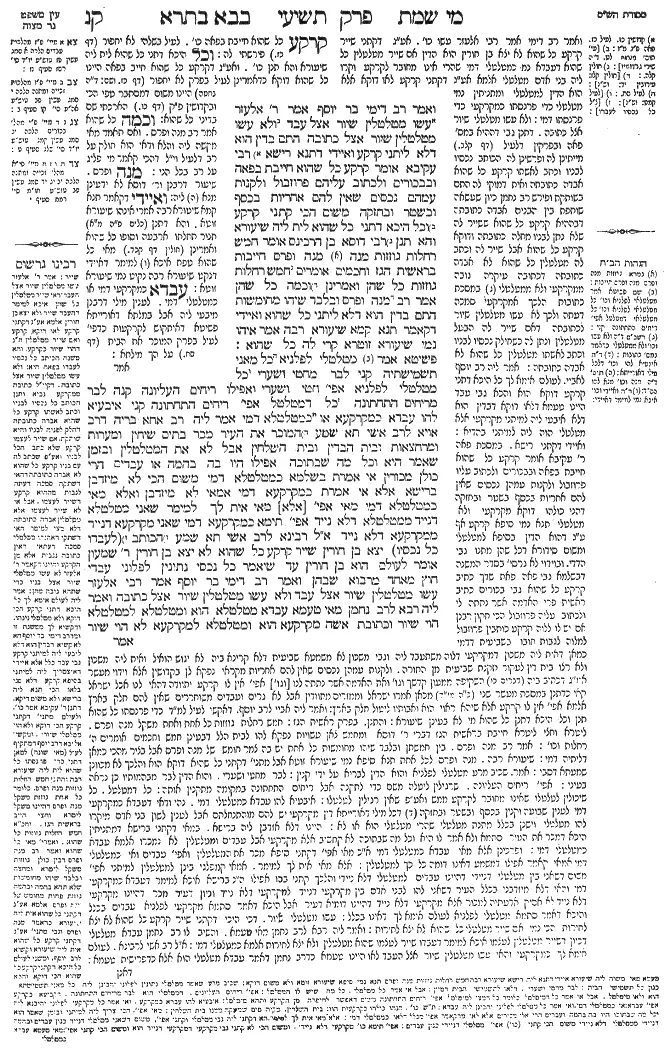
ואמר רב דימי בר יוסף אמר ר' אלעזר עשו מטלטלין שיור אצל עבד ולא עשו מטלטלין שיור אצל כתובה התם בדין הוא דלא ליתני קרקע ואיידי דתנא רישא רבי עקיבא אומר קרקע כל שהוא חייבת בפאה ובבכורים ולכתוב עליהם פרוזבול ולקנות עמהם נכסים שאין להם אחריות בכסף ובשטר ובחזקה משום הכי קתני קרקע וכל היכא דתני כל שהוא לית ליה שיעורא והא תנן רבי דוסא בן הרכינס אומר חמש רחלות גוזזות מנה מנה ופרס חייבות בראשית הגז וחכמים אומרים חמש רחלות גוזזות כל שהן ואמרינן וכמה כל שהן אמר רב מנה ופרס ובלבד שיהו מחומשות התם בדין הוא דלא ליתני כל שהוא ואיידי דקאמר תנא קמא שיעורא רבה אמר איהו נמי שיעורא זוטרא קרי לה כל שהוא:
פשיטא אמר מטלטלי לפלניא כל מאני תשמישתיה קני לבר מחטי ושערי כל מטלטלי לפלניא אפי' חטי ושערי ואפילו ריחים העליונה קנה לבר מריחים התחתונה כל דמטלטל אפי' ריחים התחתונה קני איבעיא להו עבדא כמקרקעא או כמטלטלא דמי אמר ליה רב אחא בריה דרב אויא לרב אשי תא שמע המוכר את העיר מכר בתים שיחין ומערות ומרחצאות ובית הבדין ובית השלחין אבל לא את המטלטלין ובזמן שאמר היא וכל מה שבתוכה אפילו היו בה בהמה או עבדים הרי כולן מכורין אי אמרת בשלמא כמטלטלא דמי משום הכי לא מיזדבן ברישא אלא אי אמרת כמקרקעא דמי אמאי לא מיזדבן ואלא מאי כמטלטלא דמי מאי אפי' [אלא] מאי אית לך למימר שאני מטלטלא דנייד ממטלטלא דלא נייד אפי' תימא כמקרקעא דמי שאני מקרקעא דנייד ממקרקעא דלא נייד א"ל רבינא לרב אשי תא שמע הכותב (לעבדו כל נכסיו) יצא בן חורין שייר קרקע כל שהוא לא יצא בן חורין ר' שמעון אומר לעולם הוא בן חורין עד שיאמר כל נכסי נתונין לפלוני עבדי חוץ מאחד מרבוא שבהן ואמר רב דימי בר יוסף אמר רבי אלעזר עשו מטלטלין שיור אצל עבד ולא עשו מטלטלין שיור אצל כתובה ואמר ליה רבא לרב נחמן מאי טעמא עבדא מטלטלא הוא ומטלטלא למטלטלא הוי שיור וכתובת אשה מקרקעא הוא ומטלטלא למקרקעא לא הוי שיור
Comments from Rashbam - Bava Batra 150a
ואמר רב דימי אמר רבי אלעזר עשו כו' . אע"ג דקתני שייר קרקע כל שהוא לא יצא בן חורין הוא הדין אם שייר מטלטלין כל שהוא דעבדא נמי כמטלטלי דמי שהרי אינו מחובר לקרקע וקרו ליה בני אדם מטלטלי אלמא אע"ג דקתני קרקע לאו דוקא אלא הוא הדין למטלטלי ומתניתין נמי מטלטלי כדי פרנסתו כמקרקעי כדי פרנסתו דמי: ולא עשו מטלטלי שיור אצל כתובה . דתנן גבי דההיא במס' פאה ובפרקין דלעיל (בבא בתרא דף קלב.) מייתינן לה ופרשינן לה הכותב נכסיו לבניו וכתב לאשתו קרקע כל שהוא אבדה כתובתה ואית דמוקי לה התם בשותקת ופירש רב נחמן כיון שעשאה שותפת בין הבנים אבדה כתובתה דבההיא קרקע כל שהוא ששייר לה שלא נתן לבניו מחלה כתובתה ודוקא קרקע כל שהוא אבל שייר לה וכתב לה מטלטלין כל שהוא לא אבדה כתובתה דכתובה עיקרה גובה ממקרקעי ולא ממטלטלי במסכת כתובות הלכך אמקרקעי סמכה דעתה ולכך לא עשו מטלטלין שיור לכתובתה דאם שייר לה הבעל מטלטלין ונתן לה כשחילק נכסיו לבניו וכתב לאשתו מטלטלין כל שהוא לא אבדה כתובתה: אמר ליה רב יוסף לאביי . לעולם אימא לך כל היכא דתני קרקע דוקא הוא והכא גבי עבד היינו טעמא דלאו דוקא דבדין הוא דלא איבעי ליה למיתני מקרקעי אלא מטלטלי הוה ליה למיתני בהדיא: ואיידי דקתני רישא . במסכת פאה ר' עקיבא אומר קרקע כל שהוא חייבת בפאה ובבכורים ולכתוב עליו פרוזבול ולקנות עמהן נכסים שאין להם אחריות בכסף בשטר ובחזקה דהני כולהו דוקא מקרקעי ולא מטלטלי תנא נמי סיפא קרקע אף ע"ג דהוא הדין בסיפא למטלטלי ומשום סידורא דכל שהן מתנו גבי הדדי: ובוידוי לא גרסי' בסדר המשנה דבשלמא גבי פאה פאת שדך כתיב קרקע כל שהוא גבי בכורים כתיב ראשית פרי האדמה אשר נתתה לי ולכתוב עליה פרוזבול הכי תקון רבנן אם יש לו ללוה קרקע כותבין פרוזבול למלוה לגבות חובו בשביעית דדמי כמאן דאית ליה משכון דמקרקעי דלוה משתעבד ליה וגבי משכון לא משמטא שביעית דלא קרינא ביה לא יגוש הואיל ואית ליה משכון ולא רצו בית דין לעקור תקנת שביעית מן התורה: ולקנות עמהן נכסים שאין להם אחריות מקראי נפקא לן בקדושין אלא וידוי מעשר אע"ג דכתיב ביה (דברים כו) השקיפה ממעון קדשך וגו' ואת האדמה אשר נתתה לנו [וגו'] אפי' אין לו קרקע יתוודה דהאי לנו אכל ישראל קאי כדתנן במסכת מעשר שני (פ"ה מי"ד) מכאן אמרו ישראל וממזרים מתוודין אבל לא גרים ועבדים משוחררים שאין להם חלק בארץ אלמא אפי' אין לו קרקע אלא שיהא ראוי הוא ואבותיו ליטול חלק בארץ: ואמר ליה אביי לרב יוסף . דאקשי לעיל למ"ד כדי פרנסתו כל שהוא תנן וכל היכא דתנן כל שהוא מי לא בעינן שיעורא: והתנן . בפרק ראשית הגז: חמש רחלות גוזזות כל אחת ואחת משקל מנה ופרס . ליטרא וחצי ליטרא חייבת בראשית הגז דברי ר' דוסא ומחמש צאן עשויות נפקא להו לבית הלל דבעינן חמש וחכמים אומרים ה' רחלות וכו': אמר רב מנה ופרס . בין חמשתן ובלבד שיהו מחומשות כל אחת יש בה צמר חומש של מנה ופרס אבל בציר מהכי כמאן דליתיה דמי: שיעורא רבה . מנה ופרס לכל אחת תנא סיפא נמי שיעורא זוטא אבל מתני' דקתני כל שהוא דוקא הוא והלכך לא מכוונן שמעתא דסבי: אמר . שכיב מרע מטלטלי לפלניא והוא הדין לבריא על ידי קנין: לבר מחטי ושערי . והוא הדין לבר מבהמותיו כן נראה בעיני: אפי' ריחים העליונה . שרגילין ליטלה משם כדי לתקנה אבל ריחים התחתונה במקומה מתקנין אותה: כל דמטלטל . כל שיכולין לטלטלו שאינו מחובר לקרקע ממש ואע"פ שאין רגילין לטלטלו: איבעיא להו עבדא כמטלטלי דמי . נהי ודאי דעבדא כמקרקעי דמי לענין שבועה וקנין בכסף ובשטר ובחזקה דכל מילי דאורייתא דין מקרקעי יש להם מוהתנחלתם אבל לענין לשון בני אדם מיקרו להו מטלטלי וישנן בכלל מתנת מטלטלי שהרי מטלטלי הוא או לא: היינו דלא אזדבן ליה ברישא . במאי דקתני ברישא דמתניתין היכא דמכר את העיר סתמא ולא אמר לו היא וכל מה שבתוכה לא קחשיב אלא מקרקעי אבל עבדים ומטלטלין לא נמכרו אלמא עבדא כמטלטלי דמי: ופרכינן אלא מאי עבדא כמטלטלי דמי א"כ מאי אפי' דקתני סיפא מכר את המטלטלין ואפי' עבדים ואי כמטלטלי דמי אמאי קאמר אפילו דמשמע דאינו דומה כל כך למטלטלין: אלא מאי אית לך למימר . אמאי קמפלגי בינן למטלטלין למיתני אפי' משום דשאני בין מטלטלי דניידי דהיינו עבדים למטלטלי דלא ניידי והלכך קתני בהו אפילו ה"נ ברישא איכא למימר דעבדא כמקרקעי דמי והאי דלא מיזדבני בכלל העיר דשאני להו לבני אדם בין מקרקעי דנייד למקרקעי דלא נייד וכיון דעיר מכר דהיינו מקרקעי דלא נייד לא אסיק אדעתיה למכור אלא מקרקעי דלא נייד דהיינו דומיא דעיר אבל היכא דאמר סתמא מקרקעי לפלניא עבדים בכלל והיכא דאמר סתמא מטלטלי לפלניא לעולם אימא לך דאינו בכלל: עשו מטלטלי שיור . דכי היכי דקתני שייר קרקע כל שהוא לא יצא לחירות הכי נמי אם שייר מטלטלי כל שהוא לא יצא לחירות: ואמר ליה רבא לרב נחמן מאי טעמא . והשיב לו רב נחמן עבדא מטלטלי דכיון דשייר מטלטלין לעצמו איכא למימר דעבדו שייר לעצמו שהוא מטלטלין ולא יצא לחירות אלמא כמטלטלי דמי:
Comments from Tosafot - Bava Batra 150a
קרקע כל שהוא חייבת בפאה כו'. לעיל בשלהי לא יחפור (בבא בתרא דף כז.) פירשתי לה: וכל היכא דתני כל שהוא לית ליה שיעורא והא תנן כו'. ואע"ג דקרקע כל שהוא חייב בפאה היינו כל שהוא דוקא כדאמרינן לעיל בפרק לא יחפור (בבא בתרא דף כז. ושם: ד"ה בחטה) היינו משום דמסתבר טפי הכי ובקדושין פ"ק (דף כו.) הארכתי שם בדיני כל שהוא: וכמה כל שהוא אמר רב מנה ופרס. ואם תאמר מאי מקשה ליה והלא ודאי הוא חולק על רב דלעיל וי"ל דהכי קאמר מי פליג על רב בכל הני: מנה ופרס. שיעור דרבנן ור' דוסא לא ידעינן מנא ליה: ואיידי דקאמר תנא קמא שיעורא רבה אמרי אינהו שיעורא זוטא. והא דתנן (כלים פ"ה מ"א) תנור תחלתו ארבעה וסופו כל שהוא ואמרינן (חולין דף קכד.) מאי כל שהוא טפח איכא למימר דאיידי. דנקט שיעורא רבה נקיט נמי שיעורא זוטא: עבדא כמקרקעי דמי או כמטלטלי דמי. לענין מילי דרבנן מיבעי ליה אבל במלתא דאורייתא פשיטא דאיתקוש לקרקעות כדפי' לעיל בפרק המוכר את הבית (בבא בתרא דף סח.) על הך מילתא:
Bava Batra 150a - Mishnah translated into english
And Rav Dimi bar Yosef says that Rabbi Elazar says: The Sages deemed movable property to be considered a significant reserving of property for oneself with regard to the emancipation of a slave, so that a slave is not emancipated when his owner gives him all of his other property. But they did not deem movable property that one withheld from his sons and earmarked for his wife to be considered a significant reserving of property with regard to her marriage contract. If one granted all of his property to his sons but reserved any amount of land for his wife, she forfeits her marriage contract. By not protesting the gift, she has conceded that she will collect her marriage contract only from the land he reserved for her. Nevertheless, if he reserved only movable property for his wife, she does not forfeit her marriage contract. Rabbi Elazar’s ruling with regard to a slave indicates that the expression: Reserves any amount of land, does not necessarily exclude movable property.
Rav Yosef replies: There, with regard to the slave, by right the mishna should not have taught the halakha with regard to land, but it should have taught the halakha with regard to all property. But since the former clause of the mishna teaches a halakha with regard to land, the mishna mentions land in the subsequent clause as well. The Gemara cites the former clause (Pe’a 3:6): Rabbi Akiva says: The owner of any amount of land is obligated in pe’a and in first fruits; and if the debtor possesses any amount of land the creditor can write a document that prevents the Sabbatical Year from abrogating an outstanding debt [prosbol] for it so that his loans will not be canceled in the seventh year; and he can acquire property that does not serve as a guarantee along with it by means of money, by a deed, or by taking possession of it. Rav Yosef concludes: Due to this reason, the mishna teaches the halakha with regard to land.
Abaye raises an objection to Rav Yosef’s statement that the term any amount should be understood literally: And anywhere that the term: Any amount, is taught, does the amount not have a measure? But didn’t we learn in a mishna (Ḥullin 135a): Rabbi Dosa ben Harkinas says: When shearing five sheep, the sheared wool of each sheep, with the wool weighing one hundred dinars and half of one hundred dinars, i.e., one hundred and fifty dinars, renders the owner obligated in the mitzva to give the first sheared wool to the priests. And the Rabbis say: Five sheep, each of whose sheared wool yields wool weighing any amount. And we say: And how much is signified by the term: Any amount? Rav says: A total weight of one hundred dinars and half of one hundred dinars, provided that the one hundred and fifty dinars are divided equally between the five sheep. This indicates that the term any amount can denote a certain minimal amount.
Rav Yosef replies: There, with regard to the first sheared wool, by right the mishna should not have taught the halakha with regard to any amount. But since the first tanna, Rabbi Dosa ben Harkinas, states a large measure, the Rabbis also state that they require a small measure, and therefore they call this measure any amount. But with regard to the gift of a person on his deathbed, the term any amount should be understood literally.
§ It is obvious that if one said: I give my movable property to so-and-so, then that person acquires all of his utensils, excluding his wheat and barley. If one said: I give all my movable property to so-and-so, then that person acquires even the wheat and barley, and he acquires even the upper millstone, since it is occasionally removed from its place. He acquires all the property that is not land or houses, except for the lower millstone, which is never moved. If he said: I give everything that can be moved to so-and-so, that person acquires even the lower millstone, as it is possible to move it.
A dilemma was raised before the Sages: Is the legal status of a Canaanite slave like that of land, or is his status like that of movable property? Rav Aḥa, son of Rav Avya, said to Rav Ashi: Come and hear a proof from a mishna (68a): A landowner who sells the city has sold with it the houses, and the ditches and caves, and the bathhouses, and the olive presses and the irrigated fields, but not the movable property. But when the seller said to the buyer: I am selling it and everything that is in it, then even if there were animals or Canaanite slaves in the city, they are all sold. Rav Aḥa, son of Rav Avya, explains the proof: Granted, if you say that the legal status of a Canaanite slave is like that of movable property, due to that reason he is not sold in the first case. But if you say that the legal status of a Canaanite slave is like that of land, why is he not sold with the city?
Rav Ashi replied: Rather, what do you say? Do you maintain that his legal status is like that of movable property? If there is no difference in legal status between Canaanite slaves and movable property, what is the reason that the mishna emphasizes in the second case that even the Canaanite slaves are sold? Rather, what have you to say to explain this? One must explain that movable property that moves by itself is different from movable property that does not move by itself, and therefore one might have thought that although the sale includes movable property, Canaanite slaves are not included in the sale. In the same manner, even if you say that the legal status of a Canaanite slave is like that of land, land that moves is different from land that does not move. Therefore, the legal status of Canaanite slaves cannot be proved from this mishna.
Ravina said to Rav Ashi: Come and hear a proof from a mishna (Pe’a 3:8): With regard to one who writes, i.e., gives via a document, all of his property to his Canaanite slave, the slave has been emancipated, but if he reserved for himself any amount of land, then he has not been emancipated, as perhaps he reserved the slave for himself as well. Rabbi Shimon says: He always becomes a freeman regardless of the wording of the document, even if the owner reserved land for himself, unless it says in the document: All of my property is given to so-and-so my slave, except for one ten-thousandth of it.
And Rav Dimi bar Yosef says that Rabbi Elazar says: The Sages deemed movable property to be considered a significant reserving of property for oneself with regard to a slave, so that the slave is not emancipated when the owner gives him all of his other property. But they did not deem movable property that one withheld from his sons and earmarked for his wife to be considered a significant reserving of property with regard to her marriage contract. And Rava said to Rav Naḥman: What is the reason for this? Rav Naḥman explained: A Canaanite slave is considered movable property, and reserving movable property is considered a significant reserving with regard to movable property. But a woman’s marriage contract is a document concerning land, since the payment of the marriage contract is collected from land, and reserving movable property is not considered a significant reserving with regard to land. Rav Naḥman states that a Canaanite slave is considered movable property.
Traduction : The William Davidson digital edition of the Koren Noé Talmud, with commentary by Rabbi Adin Even-Israel Steinsaltz.
Bava Batra 150a : Significance
Next step
Finished studying Bava Batra 150a? Carry on with the rest of the tractate.
Study Bava Batra 150bFrequently asked questions: Bava Batra 150a
Where is Bava Batra 150a in tractate Bava Batra?
Bava Batra 150a is page 297 of 350 in tractate Bava Batra (Seder Nezikin).
When is daf 150 of Bava Batra studied in Daf Yomi?
Daf Yomi covers one daf a day, both sides. Daf 150 of Bava Batra will be studied on April 25, 2032.
Is there a video class on Bava Batra 150a?
Yes, by Daf Tube, Rabbi Dr. Moshe Weisblum. These classes were published on YouTube by their authors and are gathered on this site.
What is tractate Bava Batra about?
Masechet Baba Batra is the third tractate of the Seder Nezikin. The Baba Batra gemara is the study of laws relating to matters relating to individual responsibility and the rights of property holders. The Baba Batra tractate is a gemara which contains 10 chapters.
Your study is also dedicated to them
- For the success of Elyahou ben H'anna & family
- L'ilui Nishmat יוסף בן מושה
- L'ilui Nishmat Reuven ben Rivka SEBBAG