 Talmud Bavli
Bava Batra 25a : Youtube
Daf TubeYoutube
2 video classes :
Bava Batra Page 25a
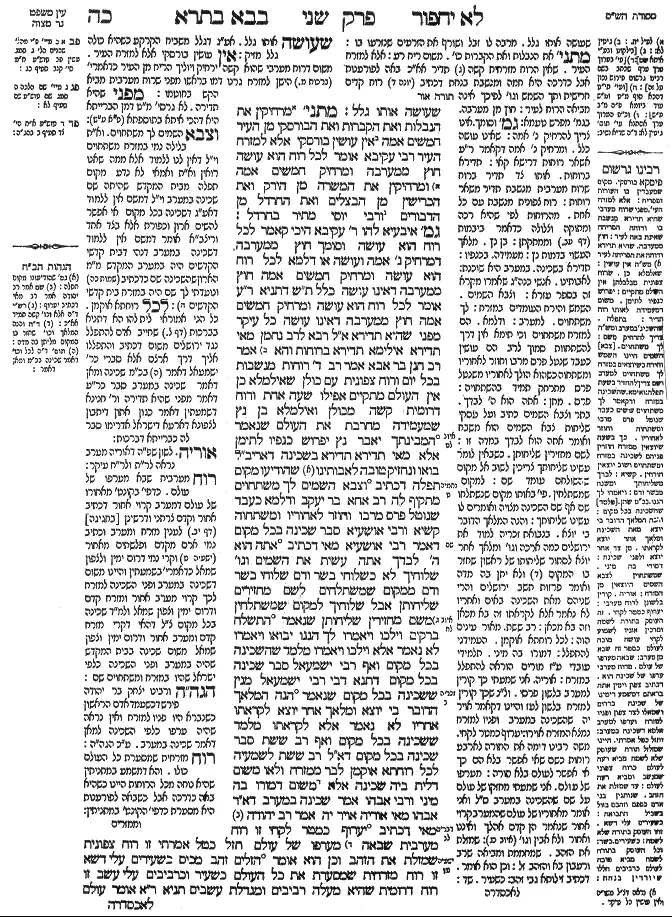
Bava Batra 25a - Guemara
שעושה אותו גלל:
מתני׳ מרחיקין את הנבלות ואת הקברות ואת הבורסקי מן העיר חמשים אמה אין עושין בורסקי אלא למזרח העיר רבי עקיבא אומר לכל רוח הוא עושה חוץ ממערבה ומרחיק חמשים אמה ומרחיקין את המשרה מן הירק ואת הכרישין מן הבצלים ואת החרדל מן הדבורים ורבי יוסי מתיר בחרדל:
גמ׳ איבעיא להו ר' עקיבא היכי קאמר לכל רוח הוא עושה וסומך חוץ ממערבה דמרחיק נ' אמה ועושה או דלמא לכל רוח הוא עושה ומרחיק חמשים אמה חוץ ממערבה דאינו עושה כלל תא שמע דתניא ר"ע אומר לכל רוח הוא עושה ומרחיק חמשים אמה חוץ ממערבה דאינו עושה כל עיקר מפני שהיא תדירא א"ל רבא לרב נחמן מאי תדירא אילימא תדירא ברוחות והא אמר רב חנן בר אבא אמר רב ד' רוחות מנשבות בכל יום ורוח צפונית עם כולן שאילמלא כן אין העולם מתקיים אפילו שעה אחת ורוח דרומית קשה מכולן ואילמלא בן נץ שמעמידה מחרבת את העולם שנאמר (איוב לט, כו) המבינתך יאבר נץ יפרוש כנפיו לתימן אלא מאי תדירא תדירא בשכינה דאריב"ל בואו ונחזיק טובה לאבותינו שהודיעו מקום תפלה דכתיב (נחמיה ט, ו) וצבא השמים לך משתחוים מתקיף לה רב אחא בר יעקב ודלמא כעבד שנוטל פרס מרבו וחוזר לאחוריו ומשתחוה קשיא ורבי אושעיא סבר שכינה בכל מקום דאמר רבי אושעיא מאי דכתיב (נחמיה ט, ו) אתה הוא ה' לבדך אתה עשית את השמים וגו' שלוחיך לא כשלוחי בשר ודם שלוחי בשר ודם ממקום שמשתלחים לשם מחזירים שליחותן אבל שלוחיך למקום שמשתלחין משם מחזירין שליחותן שנאמר (איוב לח, לה) התשלח ברקים וילכו ויאמרו לך הננו יבואו ויאמרו לא נאמר אלא וילכו ויאמרו מלמד שהשכינה בכל מקום ואף רבי ישמעאל סבר שכינה בכל מקום דתנא דבי רבי ישמעאל מנין ששכינה בכל מקום שנאמר (זכריה ב, ז) הנה המלאך הדובר בי יוצא ומלאך אחר יוצא לקראתו אחריו לא נאמר אלא לקראתו מלמד ששכינה בכל מקום ואף רב ששת סבר שכינה בכל מקום דא"ל רב ששת לשמעיה לכל רוחתא אוקמן לבר ממזרח ולאו משום דלית ביה שכינה אלא משום דמורו בה מיני ורבי אבהו אמר שכינה במערב דא"ר אבהו מאי אוריה אויר יה אמר רב יהודה מאי דכתיב (דברים לב, ב) יערוף כמטר לקחי זו רוח מערבית שבאה מערפו של עולם תזל כטל אמרתי זו רוח צפונית שמזלת את הזהב וכן הוא אומר (ישעיהו מו, ו) הזלים זהב מכיס כשעירים עלי דשא זו רוח מזרחית שמסערת את כל העולם כשעיר וכרביבים עלי עשב זו רוח דרומית שהיא מעלה רביבים ומגדלת עשבים תניא ר"א אומר עולם
Comments from Rashi on Masechet Bava Batra Page 25a
שעושה אותו גלל . מרבה לו זבל ושורף את הזרעים שנזרעו בו: מתני' את הנבלות ואת הקברות כו' . משום ריח רע: אלא למזרח העיר . שאין הרוח מזרחית קשה תדיר אא"כ באה לפורענות אבל כדרכה היא חמה ומנשבת בנחת דכתיב (יונה ד) רוח קדים חרישית ותך השמש וגו' לפיכך אינה מביאה הרוח לעיר: חוץ מן מערבה . בגמ' מפרש טעמא: גמ' וסומך . אינו צריך להרחיק נ' אמה: שאינו עושה כלל . ומרחיק נ' אמה דקאמר ר"ע אשאר רוחות דרישא קאי: תדירא ברוחות . אותו צד תדיר ברוח שרוח מערבית מנשבת תדיר משאר רוחות: רוח צפונית מנשבת עם כל אחת . מהרוחות לפי שהיא רכה ומתוקה וצלולה כדאמר ביבמות (דף עב.) וממתקתן: בן נץ . מלאך העשוי בדמות נץ: מעמידה . בכנפיו: תדירא בשכינה . במערב היא שוכנת: לאבותינו . אנשי כנה"ג שאמרו מקרא זה בספר עזרא: וצבא השמים . השמש והירח העומדים במזרח: לך משתחוים . למערב: ודלמא . הם למזרח משתחוים וכי תימא אין דרך להשתחוות סמוך לרב הם עושין כעבד שנטל פרס מרבו וחוזר לאחוריו ומשתחוה כשהוא הולך לאחוריו משנטל פרס מתרחק תמיד בהשתחויה: פרס . מתן: אתה הוא ה' לבדך . בתר וצבא השמים כתיב ועל עסקי שליחות צבא השמים הוא משבח ואומר אתה הוא לבדך במדה זו: לשם מחזירין שליחותן . כשבאין לומר עשינו שליחותך צריכין לשוב אל מקום שהשולחם עומד שם: למקום שמשתלחין . פי' באותו מקום שנשתלחו שם אף שם השכינה מצויה ואומרים לו עשינו שליחותך: והנה המלאך הדובר בי יוצא . בנבואת זכריה למוד את ירושלים כמה ארכה וגו' ומלאך אחר יוצא לסתור שליחותו של ראשון שחזר בו המקום ולא יתן בה מדה ואומר פרזות תשב ירושלים והרי שניהם מאת השכינה באים ואחריו לא נאמר אלא לקראתו זה בא מכאן וזה בא מכאן: רב ששת . מאור עינים הוה: לכל רוחתא אוקמן . העמידני להתפלל: דמורו בה מיני . תלמידי עובדי ע"ז מורים הוראה להתפלל במזרח: אוריה . אני שמעתי כך קורין למערב בלשון פרסי. ול"נ שכך קורין למזרח בלשון לעז והיינו דקאמר אויר יה שהשכינה במערב ופניו למזרח נמצא המזרח אוירו: יערוף כמטר לקחי . משה רבינו דימה את התורה לארבע רוחות כשם שאי אפשר בלא הם כך אי אפשר לעולם בלא תורה: מערפו של עולם . אני שמעתי מחזקו של עולם על שם שהשכינה במערב ס"ל ואני אומר מאחוריו של עולם שהמערב קרוי אחור שנאמר הן קדם אהלך ואיננו ואחור ולא אבין וגו' (איוב כג): שמזלת את הזהב . שמחממת ומביאה שרב ורעבון בא והזהב זל: וכן הוא אומר . דכתיב זילותא גבי זהב: כשעיר . שד:
Comments from Tosafot - Bava Batra 25a
שעושה אותו גלל. אע"ג דגלל משביח הקרקע כשהיא כולה גלל מזיק: אין עושין בורסקי אלא למזרח העיר. משום דרוח מערבי שהוא קשה ירחיק ויוליך הריח מן העיר כדאמרי' (ברכות מ.) הישן למזרח גרנו דמו בראשו מפני שרוח מערבית מביא הקש בחוטמו: מפני שהיא תדירה. לא גרסי' מ"ט דמן הברייתא היא דהכי איתא בתוספתא (פ"א ע"ש): וצבא השמים לך משתחוים. וא"ת בלילה נמי במזרח משתחוים וי"ל דאין לנו ללמוד אלא ממה שאנו רואין וא"ת ואמאי לא נדע מקום תפלה מבית המקדש שהיתה שם שכינה במערב וי"ל דמשם אין ללמוד דאע"ג דשכינה בכל מקום אי אפשר להשים ארון וכפורת אלא בצד אחד וריצב"א אומר דמשם אין ללמוד דשכינה במערב דנהי דבית קדשי הקדשים היה במערב המקדש מ"מ הארון שהשכינה שם כדכתיב (שמות כה) ונועדתי לך שם היה במזרח בית קדשי הקדשים: לכל רוחתא אוקמן. כל הני אמוראי לית להו הא דתניא בברכות (דף ל.) שחייב אדם להתפלל נגד ירושלים משום דכתיב והתפללו אליך דרך ארצם אלא סברי כר' ישמעאל דאמר בכ"מ שכינה ומאן דאמר שכינה במערב סבר כר"ע דאמר מפני שהיא תדירה ור' חנינא דשמעתין דאמר כגון אתון דיתבון לצפונא דארעא דישראל אדרימו סבר לה כברייתא דברכות: אוריה. לשון שפ"ה דאוריה מערב נראה לר"ת ולר"ח עיקר: רוח מערבית שבא מערפו של עולם. כדפי' בקונט' מאחורו של עולם דמערב קרוי אחור דכתיב אחור וקדם צרתני ודרשינן [בחגיגה] (דף יב.) לענין מזרח ומערב וכתיב נמי ארם מקדם ופלשתים מאחור (ישעיהו ט) וקרי נמי דרום ימין ולצפון שמאל כדאמרי' בשמעתין והיינו משום דשכינה במערב ופני השכינה למזרח לכך קרוי מערב אחור ומזרח קדם ודרום ימין וצפון שמאל ולמ"ד שכינה בכל מקום צ"ל דהאי דקרי מזרח קדם ומערב אחור ודרום ימין וצפון שמאל משום שכינה בבית המקדש שהיה במערב ופני השכינה כלפי ישראל שהיו במזרח ומשתחוים שם: הגה"ה ורבינו יצחק בר יהודה פירש דכשעמד אדם הראשון כשנברא היו פניו למזרח ואין נראה שהיה ערפו כלפי השכינה למאן דאמר שכינה במערב. ע"כ הגה"ה: רוח מזרחית שמסערת כל העולם כולו. והא דמשמע במתניתין שהיא נוחה מכל הרוחות היינו כשהיא באה כדרכה אבל כשבאה לפורענות היא מסערת כדפי' הקונט' במתניתין:
Bava Batra 25a - Mishnah translated into english
he turns it into manure, i.e., the chaff acts like manure, and an excessive amount of manure damages the seeds.
MISHNA: One must distance animal carcasses, and graves, and a tannery [haburseki], a place where hides are processed, fifty cubits from the city. One may establish a tannery only on the east side of the city, because winds usually blow from the west and the foul smells would therefore be blown away from the residential area. Rabbi Akiva says: One may establish a tannery on any side of a city except for the west, as the winds blowing from that direction will bring the odors into the city, and one must distance it fifty cubits from the city. One must distance from vegetables water in which flax is steeped, because this water ruins them; and likewise one must distance leeks from onions, and mustard from bees. And Rabbi Yosei permits one not to do so in the case of mustard.
GEMARA: A dilemma was raised before the Sages: With regard to what case is Rabbi Akiva speaking? Did he mean that one may establish a tannery on any side of a city, and one may even place the tannery close to the city, except for the west side, where one must establish it at a distance of fifty cubits? Or perhaps he meant that one may establish a tannery on any side and distance it fifty cubits, except for the west side, where one may not establish a tannery at all.
The Gemara cites a proof: Come and hear, as it is taught in a baraita: Rabbi Akiva says that one may establish a tannery on any side of the city and distance it fifty cubits, except for the west side, where one may not establish a tannery at all, because the western wind is frequent.
§ With regard to the last statement of the baraita, Rava said to Rav Naḥman: What does frequent mean in this context? If we say it means frequent among the winds, i.e., this wind blows all the time, that is difficult. But doesn’t Rav Ḥanan bar Abba say that Rav says: Four winds blow every day from different directions, and the northern wind blows with each of the other three; as, if this were not so, i.e., if it did not blow, the world would not exist for even one hour, as the northern wind is pleasant and tempers the bitter effects of the other winds. And the southern wind is harsher than all of them, and were it not for the angel named Ben Netz, who stops it from blowing even harder, it would destroy the entire world, as it is stated: “Does the hawk [netz] soar by your wisdom, and stretch her wings toward the south?” (Job 39:26). This indicates that the northern wind is the most constant, not the western wind.
Rather, what is the meaning of frequent? It means frequent with the Divine Presence, i.e., the Divine Presence is found on the western side, and therefore it is inappropriate to set up a tannery there with its foul odors. As Rabbi Yehoshua ben Levi says: Come and let us be grateful to our ancestors who revealed to us the place of prayer, as it is written: “And the hosts of heaven bow down to You” (Nehemiah 9:6). Since the celestial bodies move from east to west, they bow in that direction, which indicates that the Divine Presence is in the west.
Rav Aḥa bar Ya’akov objects to this: But perhaps the celestial bodies are like a servant who receives a gift from his master and walks backward while bowing. If so, the Divine Presence is in the east and the celestial bodies are moving backward. The Gemara comments: Indeed, this is difficult, i.e., the verse does not provide a definitive proof.
The Gemara comments: And Rabbi Oshaya holds that the Divine Presence is found in every place, as Rabbi Oshaya says: What is the meaning of that which is written: “You are the Lord, even You alone, You have made heaven…You preserve them all alive and the hosts of heaven bow down to You” (Nehemiah 9:6)? This indicates that Your messengers are not like the messengers of flesh and blood. The messengers of flesh and blood return to the place from where they were sent to report on their mission. But Your messengers return and report on their mission from the very same place to which they are sent, as it is stated “Can you send forth lightnings, that they may go out and say to you: Here we are?” (Job 38:35). The verse does not state: They will come and say, i.e., they do not return to their point of departure, but: “They may go out and say,” which teaches that the Divine Presence is found in every place.
The Gemara comments: And Rabbi Yishmael, too, holds that the Divine Presence is in every place, as one of the Sages of the school of Rabbi Yishmael taught: From where is it derived that the Divine Presence is in every place? As it is stated: “And behold the angel who spoke with me went forth, and another angel went out to meet him” (Zechariah 2:7). Although both angels were coming from the Divine Presence, the verse does not state: After him, but: “To meet him,” which teaches that the Divine Presence is in every place, and therefore the angels depart for their missions from every place.
And Rav Sheshet, too, holds that the Divine Presence is in every place, as Rav Sheshet said to his servant: Set me facing any direction to pray except for the east. Rav Sheshet, who was blind, required the assistance of his aide to prepare for prayer. He explained to his servant: And the reason I do not wish to face east is not because it does not contain the Divine Presence, but because the heretics instruct people to pray in that direction.
But Rabbi Abbahu says: The Divine Presence is in the west, as Rabbi Abbahu says: What is the meaning of oriyya, which is a name for the west? It means the air of God [avir Yah], i.e., this is the place of the Divine Presence.
The Gemara cites a statement connected to the four winds. Rav Yehuda said: What is the meaning of that which is written: “My doctrine shall drop as the rain, my speech shall distill as the dew; as the small rain upon the tender growth, and as the showers upon the herb” (Deuteronomy 32:2)? “My doctrine shall drop [ya’arof ] as the rain”; this is the western wind, which comes from the back of [me’orpo] the world, as the west is also referred to as the back.
“My speech shall distill [tizzal] as the dew”; this is the northern wind, which brings dry air that reduces the rain and grain and thereby devalues [mazzelet] gold. When grain crops are reduced their price appreciates, and consequently the value of gold decreases. And in addition, it says: “You who lavish [hazzalim] gold out of the bag” (Isaiah 46:6).
“As the small rain [kisirim] upon the tender growth”; this is the eastern wind that rages through [maseret] the entire world like a demon [sa’ir] when it blows strongly. “And as the showers upon the herb”; this is the southern wind, which raises showers and causes herbs to grow.
It is taught in a baraita that Rabbi Eliezer says: The world
Traduction : The William Davidson digital edition of the Koren Noé Talmud, with commentary by Rabbi Adin Even-Israel Steinsaltz.
Bava Batra 25a : Significance
Next step
Finished studying Bava Batra 25a? Carry on with the rest of the tractate.
Study Bava Batra 25bFrequently asked questions: Bava Batra 25a
Where is Bava Batra 25a in tractate Bava Batra?
Bava Batra 25a is page 47 of 350 in tractate Bava Batra (Seder Nezikin).
When is daf 25 of Bava Batra studied in Daf Yomi?
Daf Yomi covers one daf a day, both sides. Daf 25 of Bava Batra will be studied on December 22, 2031.
Is there a video class on Bava Batra 25a?
Yes, by Daf Tube, Rabbi Dr. Moshe Weisblum. These classes were published on YouTube by their authors and are gathered on this site.
What is tractate Bava Batra about?
Masechet Baba Batra is the third tractate of the Seder Nezikin. The Baba Batra gemara is the study of laws relating to matters relating to individual responsibility and the rights of property holders. The Baba Batra tractate is a gemara which contains 10 chapters.
Your study is also dedicated to them
- For the success of Elyahou ben H'anna & family
- L'ilui Nishmat Yechayahou ben Moche
- L'ilui Nishmat אליעזר בן רחל