 Talmud Bavli
Bava Batra 89a : Youtube
Daf TubeYoutube
2 video classes :
Bava Batra Page 89a
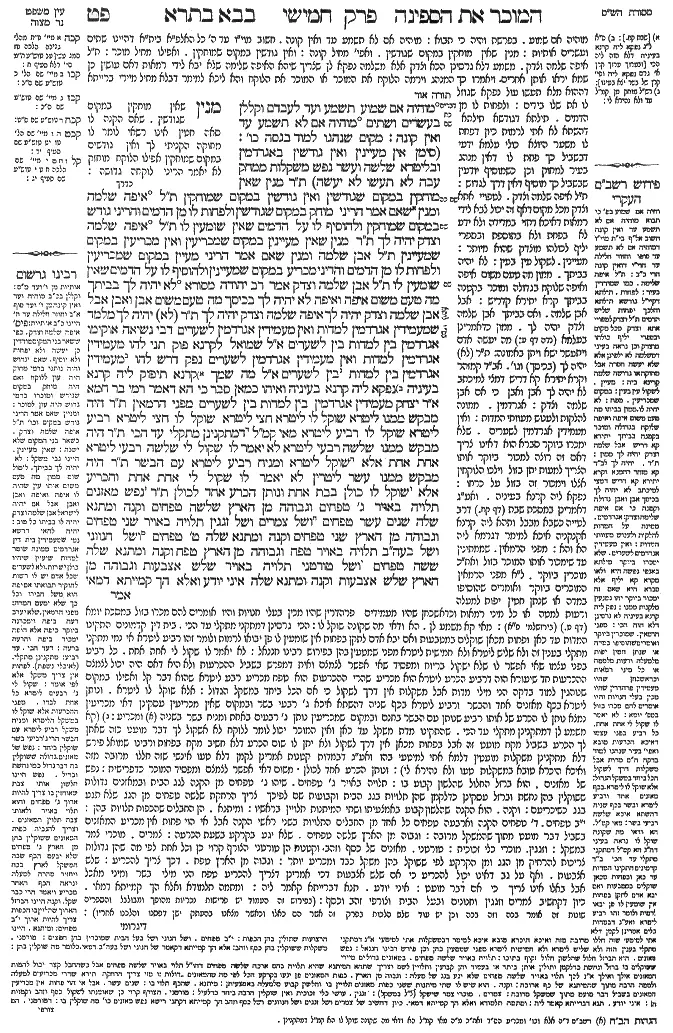
Bava Batra 89a - Guemara
(דברים כח, א) מוהיה אם שמוע תשמע ועד לעבדם וקללן בעשרים ושתים (דברים כח, טו) מוהיה אם לא תשמע עד ואין קונה:
מקום שנהגו למוד בגסה כו':
(סימן אין מעיינין ואין גודשין באגרדמין ובליטרא שלשה ועשר נפש משקלות ממחק) ת"ר מנין שאין מוחקין במקום שגודשין ואין גודשין במקום שמוחקין ת"ל (דברים כה, טו) איפה שלמה ומנין שאם אמר הריני מוחק במקום שגודשין ולפחות לו מן הדמים והריני גודש במקום שמוחקין ולהוסיף לו על הדמים שאין שומעין לו ת"ל (דברים כה, טו) איפה שלמה וצדק יהיה לך ת"ר מנין שאין מעיינין במקום שמכריעין ואין מכריעין במקום שמעיינין ת"ל אבן שלמה ומנין שאם אמר הריני מעיין במקום שמכריעין ולפחות לו מן הדמים והריני מכריע במקום שמעיינין ולהוסיף לו על הדמים שאין שומעין לו ת"ל אבן שלמה וצדק אמר רב יהודה מסורא (דברים כה, יד) לא יהיה לך בביתך מה טעם משום איפה ואיפה לא יהיה לך בכיסך מה טעם משום אבן ואבן אבל אבן שלמה וצדק יהיה לך איפה שלמה וצדק יהיה לך ת"ר (לא) יהיה לך מלמד שמעמידין אגרדמין למדות ואין מעמידין אגרדמין לשערים דבי נשיאה אוקימו אגרדמין בין למדות בין לשערים א"ל שמואל לקרנא פוק תני להו מעמידין אגרדמין למדות ואין מעמידין אגרדמין לשערים נפק דרש להו מעמידין אגרדמין בין למדות בין לשערים א"ל מה שמך קרנא תיפוק ליה קרנא בעיניה נפקא ליה קרנא בעיניה ואיהו כמאן סבר כי הא דאמר רמי בר חמא א"ר יצחק מעמידין אגרדמין בין למדות בין לשערים מפני הרמאין ת"ר היה מבקש ממנו ליטרא שוקל לו ליטרא חצי ליטרא שוקל לו חצי ליטרא רביע ליטרא שוקל לו רביע ליטרא מאי קמ"ל דמתקנינן מתקלי עד הכי ת"ר היה מבקש ממנו שלשה רבעי ליטרא לא יאמר לו שקול לי שלשה רבעי ליטרא אחת אחת אלא שוקל ליטרא ומניח רביע ליטרא עם הבשר ת"ר היה מבקש ממנו עשר ליטרין לא יאמר לו שקול לי אחת אחת והכריע אלא שוקל לו כולן בבת אחת ונותן הכרע אחד לכולן ת"ר נפש מאזנים תלויה באויר ג' טפחים וגבוהה מן הארץ שלשה טפחים וקנה ומתנא שלה שנים עשר טפחים ושל צמרים ושל זגגין תלויה באויר שני טפחים וגבוהה מן הארץ שני טפחים וקנה ומתנא שלה ט' טפחים ושל חנווני ושל בעה"ב תלויה באויר טפח וגבוהה מן הארץ טפח וקנה ומתנא שלה ששה טפחים ושל טורטני תלויה באויר שלש אצבעות וגבוהה מן הארץ שלש אצבעות וקנה ומתנא שלה איני יודע ואלא הך קמייתא דמאי
Comments from Rashbam - Bava Batra 89a
מוהיה אם שמוע . בפרשת והיה כי תבוא: מוהיה אם לא תשמע עד ואין קונה . חשוב מוי"ו עד ה' כל האלפ"א בית"א דהיינו שתים ועשרים אותיות: מנין שאין מוחקין במקום שגודשין . ואפי' מחיל קונה: ואין גודשין במקום שמוחקין . ואפילו מחיל מוכר: ת"ל איפה שלמה וצדק . משמע דלא גרסינן הכא וצדק אלא משלמה נפקא לן שצריך שיהא האיפה שלימה שלא יבא לידי רמאות דאם עושין כן שמא יראו אותן אחרים ויאמרו כך המנהג וירמה הלוקח את המוכר או המוכר את הלוקח והא ליכא למימר דבלא מחיל מיירי ברייתא דההוא מלא תעשו עול נפקא שגוזל לו את שלו בידים: ולפחות לו מן הדמים . תילתא דגודשא תילתא דהשתא לא אתי לרמות כיון דפחת לו משער היוצא כולי עלמא ידעי דבשביל כך פחת לו דאין מנהג בעיר למחוק וכן כשמוסיף יודעין שבשביל כך מוסיף דאין דרך לגדוש: ת"ל איפה שלמה וצדק . לטפויי אתא וצדק מכל מקום דאף זה יכול לבא לידי רמאות דאיכא דחזי במדידה ולא ידע לא בפחת ולא בתוספת ובספרי יליף לכולהו מוצדק שהוא מיותר: מעיינין . לשקול עין בעין: לא יהיה בביתך . ממון מה טעם משום איפה ואיפה שלוקח בגדולה ומוכר בקטנה בביתך קרא יתירא קדריש: אבל אבן שלמה . ואם בביתך אבן שלמה וצדק יהיה לך ממון כדאמרינן בעלמא (נדה דף ע:) מה יעשה אדם ויתעשר ישא ויתן באמונה: ת"ר (לא) יהיה לך (בכיסך) וגו' . אב"ד קמזהר וקרא יתירא קא דריש דמצי למיכתב לא יהיה לך אבן ואבן כי אם אבן שלמה וצדק: אגרדמין . ממונה להלקות ולענוש מעוותי המדות: ואין מעמידין אגרדמין לשערים . שלא ימכרו ביוקר סברא הוא דאינו צריך דאם זה רוצה למכור ביוקר אותו הצריך למעות יתן בזול וילכו הלוקחין אצלו וימכור זה בזול על כרחו: נפקא ליה קרנא בעיניה . ואע"ג דאמרינן במסכת שבת (דף קח.) דרב לטייה כשבא מבבל ותהא ליה קרנא אקנקניה איכא למימר דגרמא ליה הא והא: מפני הרמאין . שממתינין עד שימכור אותו המוכר בזול ואח"כ מוכרין ביוקר. ל"א מפני הרמאין המוכרים ביוקר ואומרים שהוסיפו במדה או שנתן חטין יפות למעלה ורעות למטה או כל מיני רמאות וכדאשכחן שהיו מעמידין פרהדרין שהיו מכין בעלי חנויות והיו אומרים להם מכרו בזול במסכת יומא (דף ט.) (בירושלמי פ"א): מאי קא משמע לן . הא ודאי מה שקונה שוקל לו: הכי גרסינן דמתקני מתקלי עד הכי . בית דין קדמונים התקינו המדות עד כאן ופחות מכאן שוקלים במטבעות ואם יבא אדם לתקן בפחות אין שומעין לו פן יבואו לרמות ולומר זהו רביע ליטרא אי נמי מתקני מתקלי בענין זה ולא שליש ליטרא ולא חמישית ליטרא מפני שמטעין בהן בפירוש רבינו חננאל: (קא משמע לן דמתקנינן מתקלי עד הכי. שהתקינו מדת משקל עד כאן ואין המוכר יכול לומר ללוקח לא אשקול לך דבר מועט כזה שאתן לך הכרע בשביל מקח מועט זה אבל בפחות מכאן אין דרך לשקול ולא יתן לו שום הכרע דלא חשיב מקח בפחות ורבינו שמואל פירש דלא מתקנינן משקלות מועטין דלמא אתי למיטעי בהו ואע"ג דבמדות קטנות אמרינן לקמן דלא טעו אינשי שזה חללו מרובה מזה ואיכא היכרא טובא במשקלות טעו ולא נהירא לי): לא יאמר לו שקול לי אחת אחת . כל רביע בפני עצמו שאי אפשר לו שלא ישקול בריוח ומפסיד שאי אפשר לצמצם ואית דמפרש בשביל ההכרעות ולא היא דאם היה יכול לצמצם ההכרעות חד שיעורא הוה דרביע הכרע ליטרא הוא מכריע שהרי ההכרעות הוא טפח מכריע רבע ליטרא שהוא דבר קל ואפילו במקום שנוהגין למוד בדקה הני מילי מדות אבל משקלות אין דרך לשקול כי אם הכל ביחד במשקל הגדול: אלא שוקל לו ליטרא . ונותן ליטרא בכף מאזנים אחד והבשר ורביע ליטרא בכף שניה דהשתא איכא ג' רבעי בשר ובמקום שאין מכריעין עסקינן דאי מכריעין נמצא נותן לו הכרע של אותו רביע שנותן עם הבשר בחנם ובמקום שמכריעין נותן ג' רבעים באחת ומניח בשר בשניה ומכריע: ונותן הכרע אחד לכולן . משום דאי אפשר לצמצם ומפסיד המוכר כדפרישית: נפש של מאזנים . הוא ברזל החלול שהלשון קבוע בו: תלויה באויר ג' טפחים . שיהו ג' טפחים מן הקנה לגג הבית ובמאזנים גדולות ששוקלין בהן נחשת וברזל עסקינן כדלקמן שהן תלויות בגג הבית וקבועות שם לפיכך צריך הרחקת שלשה טפחים מן הגג שלא תגע בגג כשיכריעם: וקנה . הוא הקנה שהלשון קבוע באמצעיתו ושתי המיתנות תלויין בראשיו: ומיתנא . הן החבלים שהכפות תלויות בהן: י"ב טפחים . ד' טפחים הקנה וארבעה טפחים כל אחד מן החבלים התלויות בשני ראשי הקנה אבל אי הוי פחות אין מכריע המאזנים בשביל דבר מועט מתוך שהמשקל מרובה: וגבוה מן הארץ שלשה טפחים . שלא יגע בקרקע בשעת הכרעה: צמרים . מוכרי צמר במשקל: וזגגין . מוכרי כלי זכוכית: טורטני . מאזנים של כסף וזהב וקטנות הן טורטני הצורף קרוי כן וכל אחת לפי מה שהן גדולות צריכות להרחיק מן הגג ומן הקרקע לפי ששוקל בהן משקל כבד ומכריע יותר: וגבוה מן הארץ טפח . דכך צריך להכריע: שלש אצבעות . ואף על גב דאינו יכול להכריע כי אם שלש אצבעות דכי אמרינן דצריך להכריע טפח הני מילי בשר ומיני מאכל אבל באלו אינו צריך כי אם דבר מועט: איני יודע . תנא דברייתא קאמר ליה: ומתמה תלמודא ואלא הך קמייתא דמאי . כיון דקחשיב צמרים וזגגין וחנונים ובעל הבית וצורפי זהב וכסף: (בפירוש זה העמוד יש פרישות נכריות מהופך ומבולבל והספרים שונות זה אומר בכה וזה בכה וכן יש עוד שלש הלכות בפרק זה אשר הם כאלו וכאשר מצאנו בהעתק ישן דפסנו והלכנו אחריו):
Comments from Tosafot - Bava Batra 89a
מנין שאין מוחקין במקום שגודשין. שאם הקנה לו סאה חטין אינו רשאי לומר לו מחוקה הקניתי לך ואין גודשים במקום שמוחקין אפילו הלוקח מוחזק לא יאמר הריני לוקחה גדושה:
Bava Batra 89a - Mishnah translated into english
from the letter vav that begins the verse: “And it shall come to pass [vehaya], if you shall hearken diligently” (Deuteronomy 28:1), until: “To serve them [le’ovdam]” (Deuteronomy 28:14), which ends with the letter mem. And he cursed them with twenty-two letters, from the letter vav that begins the verse: “But it shall come to pass [vehaya], if you will not hearken to the voice of the Lord” (Deuteronomy 28:15), until: “And no man shall buy [koneh]” (Deuteronomy 28:68). This verse ends with a letter heh, which comes just before vav in the alphabet. Starting with a vav and ending with a heh encompasses the twenty-two letters of the alphabet.
§ The mishna teaches that in a place where they were accustomed to measure with one large measuring vessel, one may not measure with several small measuring vessels. In a place where the custom is to level the top of the measuring vessel to remove substances heaped above its edges, one may not heap it; and where they are accustomed to heap it, one may not level it. The Gemara provides a mnemonic for the ensuing halakhot: One may not balance with precision; and one may not heap it; with market inspectors [ba’agardamin]; and with a litra; three; and ten; fulcrum; weights; a thick leveler; you may not do; one may not do.
The Sages taught: From where is it derived that one may not level a measuring vessel in a place where they are accustomed to heap it and that one may not heap it in a place where they are accustomed to level it? The verse states: “A perfect weight” (Deuteronomy 25:15), which indicates that one must use whatever is considered a perfect measuring vessel in that locale, as this ensures that there is no deception or trickery.
And from where is it derived that if the seller said in a place where they heap: I am hereby leveling and am willing in exchange to reduce the price for you, or said, in a place where they level: I am hereby heaping and am willing to increase the price for you, that the court does not listen to him? The verse states: “A perfect and just weight you shall have” (Deuteronomy 25:15). The addition of the term “just,” beyond the requirement that the weight be “perfect,” teaches that one must keep his weights in a just manner, i.e., that employed by the people of that locale.
The Sages taught: From where is it derived that one may not balance a scale so that it will balance with precision [me’ayyenin] in a place where they are accustomed to let the scales tilt a handbreadth for the benefit of the buyer, and that one may not let the scales tilt a handbreadth in a place where they are accustomed to balance with precision? The verse states: “A perfect weight” (Deuteronomy 25:15), which teaches that the weight must be considered perfect in that locale.
And from where is it derived that if a seller said, in a place where it is the custom to let the scales tilt a handbreadth: I am hereby balancing with precision and am willing to reduce the price for the buyer; or, in a place where it is the custom to balance with precision: I am hereby letting the scales tilt a handbreadth and am willing to increase the price for the buyer, that the court does not listen to him? The verse states: “A perfect and just weight” (Deuteronomy 25:15), which teaches that the just way of acting is to weigh in accordance with the practice in that locale.
Rav Yehuda of Sura says a homiletic interpretation of the phrase: “You shall not have in your house diverse measures” (Deuteronomy 25:14): “You shall not have in your house” means that you will become a pauper, who has nothing in his house. What is the reason for this? It is due to the fact that you used diverse measures, buying with a large vessel and selling with a small one.
The phrase: “You shall not have in your purse diverse weights” (Deuteronomy 25:13), is interpreted in a similar fashion: “You shall not have in your purse,” i.e., you will become a pauper, who has nothing in his purse. What is the reason for this? It is due to the fact that you used diverse weights. But if you possess only “a perfect and just weight,” then “you shall have” wealth. Likewise, if you possess only “a perfect and just measure,” then “you shall have” wealth.
§ The Sages taught that the phrase: “You shall not have,” teaches that the court appoints market inspectors to supervise the accuracy of measures. The Gemara infers: But the court does not appoint market inspectors for supervising market prices. The Gemara relates: The house of the Nasi appointed market inspectors for supervising both measures and prices. Shmuel said to his student, the Sage Karna: Go out and teach them that one appoints market inspectors for supervising measures but one does not appoint market inspectors for prices.
Karna went out and taught them that one appoints market inspectors for supervising both measures and prices. Shmuel, hearing what he had done, said to him: What is your name? He replied: Karna. Shmuel said: Let a horn [karna] emerge in his eye. A horn, i.e., a growth of flesh, emerged in his eye. The Gemara asks: And Karna, in accordance with whose opinion did he hold, which led him to disregard his teacher’s statement? He held in accordance with that which Rami bar Ḥama says that Rabbi Yitzḥak says: One appoints market inspectors for supervising both measures and prices, due to swindlers, to prevent people from using smaller measures or from selling at a steep price while falsely claiming that they are selling superior-quality merchandise.
The Gemara discusses several halakhot related to the cases of the mishna. The Sages taught: If the buyer requested from the seller a litra of a specific item, he weighs for him using a litra weight. If he asks for half a litra, he weighs for him using a half-litra weight. If he wants one-quarter of a litra, he weighs for him using a quarter-litra weight. The Gemara asks: Isn’t this obvious? What is this baraita teaching us? The Gemara explains: It teaches that one sets weights until this amount, one-quarter of a litra, but not less. If a buyer asks the seller to weigh a smaller amount for him, his request is not granted.
Furthermore, the Sages taught: If the buyer requested from him three-quarters of a litra, and there is no weight equal to this amount, the buyer may not say to him: Weigh for me three units using a quarter-litra weight, one by one, so that the seller lets the scales tilt by a handbreadth as he measures each quarter-litra weight. Rather, he weighs the merchandise all at once, as he places a litra weight on one pan of the scale, and places on the other pan of the scale a quarter-litra weight together with the meat that is being sold.
The Sages likewise taught: In a case where the buyer requested from the seller ten litra of merchandise, the buyer may not say to him: Weigh for me each litra one by one, and let the scales tilt each time, as on every occasion that the seller does this the buyer receives more than that for which he paid. Rather, he weighs all the merchandise at the same time and lets the scales tilt once for all the merchandise.
§ The Sages taught: The fulcrum of a scale must be suspended in the air so that the point the lever goes through it is at a distance of three handbreadths from the ceiling, and the pans of the scale must be three handbreadths above the ground. And the scale’s lever and cord, from which each pan is suspended, must be twelve handbreadths long. And the fulcrum of a scale of wool-weavers and glassmakers must be suspended in the air at a distance of two handbreadths from the ceiling, and the pans of the scale must be two handbreadths above the ground. And its lever and cord must be nine handbreadths long.
And the fulcrum of a scale of a storekeeper and of a homeowner must be suspended in the air at a distance of one handbreadth from the ceiling, and the pans of the scale must be one handbreadth above the ground. And its lever and cord must be six handbreadths long. And the fulcrums of small scales [turtanei] used for weighing gold and silver must be suspended in the air at a distance of three fingerbreadths from the ceiling, and the pans of the scales must be three fingerbreadths above the ground. The tanna continues: But with regard to its lever and cord, I do not know their required length.
Since the function of each type of balance scale is mentioned with the exception of the first type, the Gemara asks: And that large balance scale, which is mentioned first, for what is it used?
Traduction : The William Davidson digital edition of the Koren Noé Talmud, with commentary by Rabbi Adin Even-Israel Steinsaltz.