 Talmud Bavli
Bava Batra 60a : Youtube
Daf TubeYoutube
2 video classes :
Bava Batra Page 60a
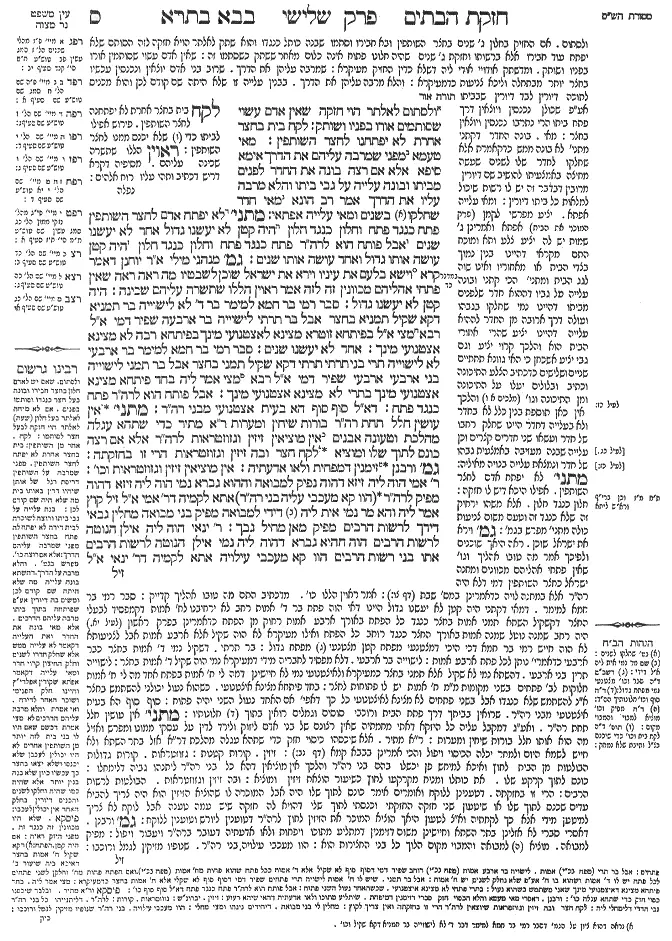
Bava Batra 60a - Guemara
ולסתום לאלתר הוי חזקה שאין אדם עשוי שסותמים אורו בפניו ושותק:
לקח בית בחצר אחרת לא יפתחנו לחצר השותפין:
מאי טעמא מפני שמרבה עליהם את הדרך אימא סיפא אלא אם רצה בונה את החדר לפנים מביתו ובונה עלייה על גבי ביתו והלא מרבה עליו את הדרך אמר רב הונא מאי חדר שחלקו בשנים ומאי עלייה אפתאי:
מתני׳ לא יפתח אדם לחצר השותפין פתח כנגד פתח וחלון כנגד חלון היה קטן לא יעשנו גדול אחד לא יעשנו שנים אבל פותח הוא לרה"ר פתח כנגד פתח וחלון כנגד חלון היה קטן עושה אותו גדול ואחד עושה אותו שנים:
גמ׳ מנהני מילי א"ר יוחנן דאמר קרא (במדבר כד, ב) וישא בלעם את עיניו וירא את ישראל שוכן לשבטיו מה ראה ראה שאין פתחי אהליהם מכוונין זה לזה אמר ראוין הללו שתשרה עליהם שכינה:
היה קטן לא יעשנו גדול:
סבר רמי בר חמא למימר בר ד' לא לישוייה בר תמניא דקא שקיל תמניא בחצר אבל בר תרתי לישוייה בר ארבעה שפיר דמי א"ל רבא מצי א"ל בפיתחא זוטרא מצינא לאצטנועי מינך בפיתחא רבה לא מצינא אצטנועי מינך:
אחד לא יעשנו שנים:
סבר רמי בר חמא למימר בר ארבעי לא לישוייה תרי בני תרתי תרתי דקא שקיל תמני בחצר אבל בר תמני לישוייה בני ארבעי ארבעי שפיר דמי א"ל רבא מצי אמר ליה בחד פיתחא מצינא אצטנועי מינך בתרי לא מצינא אצטנועי מינך:
אבל פותח הוא לרה"ר פתח כנגד פתח:
דאמר ליה סוף סוף הא בעית אצטנועי מבני רה"ר:
מתני׳ אין עושין חלל תחת רה"ר בורות שיחין ומערות ר"א מתיר כדי שתהא עגלה מהלכת וטעונה אבנים אין מוציאין זיזין וגזוזטראות לרה"ר אלא אם רצה כונס לתוך שלו ומוציא לקח חצר ובה זיזין וגזוזטראות הרי זו בחזקתה:
גמ׳ ורבנן זימנין דמפחית ולאו אדעתיה:
אין מוציאין זיזין וגזוזטראות וכו':
ר' אמי הוה ליה זיזא דהוה נפיק למבואה וההוא גברא נמי הוה ליה זיזא דהוה מפיק לרה"ר (הוו קא מעכבי עליה בני רה"ר) אתא לקמיה דר' אמי א"ל זיל קוץ אמר ליה והא מר נמי אית ליה דידי למבואה מפיק בני מבואה מחלין גבאי דידך לרשות הרבים מפיק מאן מחיל גבך:
ר' ינאי הוה ליה אילן הנוטה לרשות הרבים הוה ההוא גברא דהוה ליה נמי אילן הנוטה לרשות הרבים אתו בני רשות הרבים הוו קא מעכבי עילויה אתא לקמיה דר' ינאי א"ל
Comments from Rashbam - Bava Batra 60a
ולסתום . אם החזיק בחלון ג' שנים בחצר השותפין ובא חבירו וסתמו שבנה כותל כנגדו והוא שתק לאלתר הויא חזקה לזה הסותם שלא יפתח עוד חבירו אלא ברשותו וחזקת ג' שנים שהיה חלונו פתוח אינה כלום מאחר ששתק כשסתמו זה: שאין אדם עשוי שסותמין אורו בפניו ושותק . ומדשתק אודויי אודי ליה דשלא כדין החזיק מעיקרא: שמרבה עליהן את הדרך . שרוב בני אדם יוצאין ונכנסין עכשיו בחצר יותר מבתחלה וליכא צניעות כדמעיקרא: והלא מרבה עליהן את הדרך . בבנין עלייה זו שלא היתה שם קודם לכן והוא מכניס לתוכה דיורין לבד דיורין שבביתו אע"פ שכולן נכנסין ויוצאין דרך פתח ביתו הרי נתרבו נכנסין ויוצאין בחצר: מאי . בונה החדר דקתני מתני' לא בונה ממש כדקאמרת אלא שחלקו לחדר שלו לשנים שעשה מחיצה באמצעיתו להושיב שם דיורין מרובין דבדבר זה יש לו רשות שיכול למלאות כל ביתו דיורין: ומאי עלייה אפתא . יציע מפרשי לקמן (פרק המוכר את הבית) אפתא ואמרינן ג' שמות יש לה יציע צלע ותא ומוכח התם מקראי דהיינו בנין נמוך בצדי הבית או מאחוריו ואינו שוה לגג הבית ומתני' הכי קתני ובונה עלייה על גביו דההוא חדר שלפנים מביתו דהיינו נמי שחלקו בגבהו ועולה דרך ארובה מן החדר לההיא עלייה דהיינו יציע שהרי אחורי הבית הוא והלכך קרוי יציע וגם גבי יציע אשכחן כי האי גוונא תחתיים שניים ושלישים כדכתיב הצלע התיכונה וכתיב ובלולים יעלו על התיכונה ומן התיכונה וגו' (מלכים א ו) והלכך אין כאן תוספת בנין כלל לא בחדר ולא בעלייה דחדר היינו שחלק רחבו של חדר ועשאו שני חדרים קצרים וכן עלייה שבנה מעזיבה באמצעית גבהו של חדר ונמצאת עלייה בנויה מאיליה: מתני' לא יפתח אדם לחצר השותפין . אפילו היכא דיש לו חזקה: חלון כנגד חלון . אלא משהו ירחיק זה שלא כנגד זה וטעם משום צניעות כולה מתני' מפרש בגמ': גמ' וירא את ישראל שוכן . ראה היאך שוכנים ולפיכך אמר מה טובו אהליך וגו' שאין פתחי אהליהם מכוונים ומחנה ישראל כחצר השותפין דמי דלא היה רה"ר אלא במחנה לויה כדאמרינן במס' שבת (דף צו:): אמר ראוין הללו כו' . מדכתיב התם מה טובו אהליך קדייק: סבר רמי בר חמא למימר . דמאי דקתני היה קטן לא יעשנו גדול היינו דאי הוה פתח בר ד' אמות רחב לא ירחיבנו לח' אמות דקמפסיד לבעלי החצר דקשקיל השתא תמני אמות בחצר כנגד כל הפתח באורך ארבע אמות רחוק מן הפתח כדאמרינן בפרק ראשון (לעיל בבא בתרא יא.) היה רחב שמנה נוטל שמנה אמות באורך החצר כנגד רוחב כל הפתח ואילו מעיקרא לא הוה שקיל אלא ארבע אמות אבל לצניעותא לא הוה חייש רמי בר חמא דכי היכי דמצטנעי מפתח קטן מצטנעי מפתח גדול: בר תרתי . דשקיל נמי ד' אמות בחצר כבר ארבעי כדאמרי' נותן לכל פתח ארבע אמות: לישוייה בר ארבעי . דלא מפסיד לחבריה מידי דמעיקרא נמי הוה שקיל ד' אמות בחצר: לישוייה תרין בני ארבעי . דהשתא נמי לא שקיל אלא תמני בחצר כמעיקרא ולאיצטנועי נמי לא חיישינן דמה לי ח' אמות בפתח אחד מה לי ח' אמות חלוקות לב' פתחים בשני מקומות מ"מ ח' אמות יש לו פתוחות לחצר: בחד פיתחא מצינא איצטנועי . כשהוא נעול יכולני להשתמש בחצר א"נ להשתמש שלא כנגדו אבל בשני פתחים לא מצינא לאיצטנועי כל כך דאפי' אם האחד נעול השני יהיה פתוח: סוף סוף הא בעית איצטנועי מבני רה"ר . שרואין בביתך דרך פתח הבית ורוכבי סוסים וגמלים רואין בתוך חלונותיו: מתני' אין עושין חלל תחת רה"ר . ואע"ג דמקבל עליה כל היזקא דאתי מחמתיה שאין רצונם של בני אדם ליזוק ולירד לדין על עסקי ממונו ומפרש ואזיל מה הוא אותו חלל בורות שיחין ומערות: ר"א מתיר . אלא שיכסהו כיסוי חזק כדי שתהא עגלה מהלכת דר"א אזל בתר השתא ולא חייש לשמא היום ולמחר יכלה הכיסוי ויפול והכי אמרינן בבבא קמא (דף נב:): זיזין . קורות קטנות: גזוזטראות . קורות גדולות הבולטות מן הבית לחוץ ואיכא למיחש פן יכשלו בהם בני רה"ר והלכך אין מוציאין דהא כל בני רה"ר ליתנהו גביה דלימחלו: כונס לתוך קרקע שלו . את כותלו ומניח מקרקעו לחוץ כשיעור הוצאת זיזין ומוציא: ובה זיזין וגזוזטראות . הבולטות לרשות הרבים: הרי זו בחזקתה . דטענינן ללוקח ואומרים אימר כונס לתוך שלו היה אבל המוכרה לו שהוציא הזיזין הוא היה צריך להביא עדים שכנס לתוך שלו או שיטעון שני חזקה החזקתי וכנסתי לתוך שלי דהויא לה חזקה שיש עמה טענה אבל לוקח לא צריך למיטען מידי אלא כך לקחתיה וא"צ לטעון היאך הוציא המוכר את הזיזין לחוץ לרה"ר דטוענין ליורש וטוענין ללוקח: גמ' ורבנן . דאסרי סברי לא אזלינן בתר השתא וחיישינן משום דזימנין דמתליע מתוכו ויפחות ולאו אדעתיה דעובר ברה"ר ויעבור ויפול: מפיק למבואה . מוציא למבואה והמבוי מקום הלוך כל בני החצירות הוא: הוו מעכבי עילויה בני רה"ר . שנופיו מזיקין לגמל ורוכבו:
Comments from Tosafot - Bava Batra 60a
לקח בית בחצר אחרת לא יפתחנה לחצר השותפין. פירוש אפילו לביתו כדי שלא יכנס ממנו לחצר השותפין: ראוין הללו שתשרה שכינה עליהם. מסיפיה דקרא דריש דכתיב ותהי עליו רוח אלהים:
Bava Batra 60a - Mishnah translated into english
And to seal, i.e., if one sealed another’s window in his presence, there is an acquired privilege established immediately to keep the window sealed, as it is not common behavior for a person to have his source of light sealed in his presence and remain silent. The fact that he did not immediately protest indicates that the one who sealed the window had the legal right to do so unilaterally, or that the owner of the window agreed.
§ The mishna teaches that if one purchased a house in another, adjacent courtyard, he may not open the house into a courtyard belonging to partners. The Gemara explains: What is the reason for this? Because by adding residents to the courtyard it increases their traffic, and the residents of the courtyard do not wish to be disturbed by additional people passing through.
The Gemara questions this. But say the last clause of the mishna: Rather, if he desired to build a loft, he may build a room within his house, or he may build a loft above his house, and have it open into his house, not directly into the courtyard. But if he does so, isn’t there still a concern that it increases the traffic? Rav Huna said as an explanation: What does the mishna mean when it says that he may build a room? It means that he may divide an existing room in two. And what is the loft to which the mishna is referring? It is an internal story created by dividing an existing space into two stories.
MISHNA: A person may not open an entrance opposite another entrance or a window opposite another window toward a courtyard belonging to partners, so as to ensure that the residents will enjoy a measure of privacy. If there was a small entrance he may not enlarge it. If there was one entrance he may not fashion it into two. But one may open an entrance opposite another entrance or a window opposite another window toward the public domain. Similarly, if there was a small entrance he may enlarge it, and if there was one entrance he may fashion it into two.
GEMARA: The Gemara asks: From where are these matters, i.e., that one may not open an entrance opposite another entrance, or a window opposite another window, derived? Rabbi Yoḥanan says that the verse states: “And Balaam lifted up his eyes, and he saw Israel dwelling tribe by tribe; and the spirit of God came upon him” (Numbers 24:2). The Gemara explains: What was it that Balaam saw that so inspired him? He saw that the entrances of their tents were not aligned with each other, ensuring that each family enjoyed a measure of privacy. And he said: If this is the case, these people are worthy of having the Divine Presence rest on them.
The mishna teaches that if there was a small entrance he may not enlarge it. Rami bar Ḥama thought to say this means that if the entrance was the width of four cubits, one may not fashion it to the width of eight cubits, as he would then be allowed to take eight corresponding cubits in the courtyard. The halakha is that one is entitled to utilize the area of the courtyard up to a depth of four cubits along the width of the opening. But if the entrance was the width of two cubits and one wishes to fashion it to the width of four cubits, one may well do so, as in any event he already had the right to use an area of four cubits by four cubits in front of the entrance. Rava said to him: This is not so, as his neighbor can say to him: I can conceal myself from you with there being a small entrance, but I cannot conceal myself from you with there being a large entrance.
The mishna teaches that if there was one entrance he may not fashion it into two. In this case as well, Rami bar Ḥama thought to say that this means if the entrance was the width of four cubits he may not make it into two openings, each the width of two cubits, as he would then be allowed to take eight corresponding cubits in the courtyard, four for each entrance. But if it was the width of eight cubits and he wishes to make it into two openings, each the width of four cubits, he may well do so, as in any event he already had the right to use an area of eight cubits by four cubits in front of his entrance. Rava said to him: This is not so, as his neighbor can say to him: I can conceal myself from you with there being one entrance, but I cannot conceal myself from you with there being two entrances.
The mishna teaches: But one may open an entrance opposite another entrance or a window opposite another window toward the public domain. Why is this so? Because he can say to the one who wishes to protest: Ultimately, you must conceal yourself from the people of the public domain. Since you cannot stop them from passing by and therefore cannot engage in behavior that requires privacy with your entrance open, it is of no consequence to you if I open an entrance as well.
MISHNA: One may not form an empty space beneath the public domain by digging pits, ditches, or caves. Rabbi Eliezer deems it permitted for one to do so, provided that he places a covering strong enough that a wagon laden with stones would be able to tread on it without breaking it, therefore ensuring that the empty space will not cause any damage to those in the public domain. One may not extend projections or balconies [ugzuztraot] into the public domain. Rather, if he desired to build one he may draw back into his property by moving his wall, and extend the projection to the end of his property line. If one purchased a courtyard in which there are projections and balconies extending into the public domain, this courtyard retains its presumptive status, i.e., the owner has the acquired privilege of their use, and the court does not demand their removal.
GEMARA: The Gemara asks: Rabbi Eliezer’s opinion that if the covering of the space is strong enough to support a wagon laden with stones then it is permitted to dig out the empty space, is eminently reasonable; but what do the Rabbis hold? The Gemara answers: There are times when the cover erodes over time, and he is not aware, thereby potentially causing damage to those in the public domain.
The mishna teaches that one may not extend projections or balconies into the public domain. The Gemara relates: Rabbi Ami had a projection that protruded into an alleyway, and a certain man also had a projection that protruded into the public domain, and the general public was preventing the man from leaving it there, as it interfered with traffic. He came before Rabbi Ami, who said to him: Go sever your projection.
The man said to him: But the Master also has a similar projection. Rabbi Ami said to him: It is different, as mine protrudes into an alleyway, where a limited number of people live, and the residents of the alleyway waive their right to protest to me. Yours protrudes into the public domain, which does not belong to any specific individuals. Who can waive their right to protest to you?
The Gemara relates: Rabbi Yannai had a tree that was leaning into the public domain. There was a certain man who also had a tree that was leaning into the public domain, and the general public was preventing him from leaving it there, insisting he cut it down, as required by the mishna (27b). He came before Rabbi Yannai, who said to him:
Traduction : The William Davidson digital edition of the Koren Noé Talmud, with commentary by Rabbi Adin Even-Israel Steinsaltz.