 Talmud Bavli
Bava Batra 93a : Youtube
Daf TubeYoutube
2 video classes :
Bava Batra Page 93a
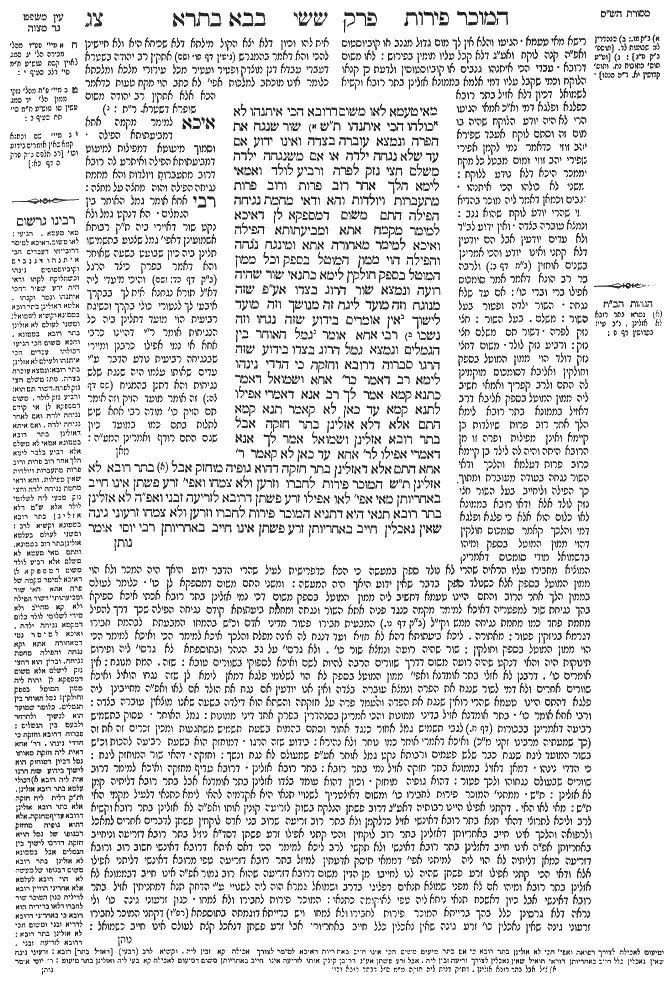
Bava Batra 93a - Guemara
מאי טעמא לאו משום דרובא הכי איתנהו לא כולהו הכי איתנהו ת"ש שור שנגח את הפרה ונמצא עוברה בצדה ואינו ידוע אם עד שלא נגחה ילדה או אם משנגחה ילדה משלם חצי נזק לפרה ורביע לולד ואמאי לימא הלך אחר רוב פרות ורוב פרות מתעברות ויולדות והא ודאי מחמת נגיחה הפילה התם משום דמספקא לן דאיכא למימר מקמה אתא ומביעתותא הפילה ואיכא למימר מאחורה אתא ומינגח נגחה והפילה הוי ממון המוטל בספק וכל ממון המוטל בספק חולקין לימא כתנאי שור שהיה רועה ונמצא שור הרוג בצדו אע"פ שזה מנוגח וזה מועד ליגח זה מנושך וזה מועד לישוך אין אומרים בידוע שזה נגחו וזה נשכו רבי אחא אומר גמל האוחר בין הגמלים ונמצא גמל הרוג בצדו בידוע שזה הרגו סברוה דרובא וחזקה כי הדדי נינהו לימא רב דאמר כר' אחא ושמואל דאמר כתנא קמא אמר לך רב אנא דאמרי אפילו לתנא קמא עד כאן לא קאמר תנא קמא התם אלא דלא אזלינן בתר חזקה אבל בתר רובא אזלינן ושמואל אמר לך אנא דאמרי אפילו לר' אחא עד כאן לא קאמר ר' אחא התם אלא דאזלינן בתר חזקה דהוא גופיה מוחזק אבל בתר רובא לא אזלינן ת"ש המוכר פירות לחברו וזרען ולא צמחו ואפי' זרע פשתן אינו חייב באחריותן מאי אפי' לאו אפילו זרע פשתן דרובא לזריעה זבני ואפ"ה לא אזלינן בתר רובא תנאי היא דתניא המוכר פירות לחברו וזרען ולא צמחו זרעוני גינה שאין נאכלין חייב באחריותן זרע פשתן אינו חייב באחריותן רבי יוסי אומר
Comments from Rashbam - Bava Batra 93a
רישא מאי טעמא . הגיעו והלא אין לך מום גדול מגנב או קוביוסטוס ואפ"ה קנה לוקח ואע"ג דלא קבל עליו מומין בפירוש: לאו משום דרובא . עבדי הכי איתנהו גנבים או קוביוסטוסין ולדעת כן קנאו הלוקח וכמי שקבל עליו דמי אלמא בממונא אזלינן בתר רובא וקשיא לשמואל דכיון דלא אזיל בתר רובא כפלגא ופלגא דמי וא"כ אמאי הגיעו הרי לא היה יודע הלוקח שהיה בו מום זה וסתם לוקח אעבד שפירא יהב זוזי כדאמר נמי לקמן אפירי שפירי יהב זוזי ומום מבטל כל מקח וממכר היכא דלא נודע ללוקח: ומשני לא כולהו הכי איתנהו . גנבים וכמאן דאמר ליה מוכר בהדיא דמי שהרי יודע לוקח שהוא גנב: ונמצא עוברה בצדה . ואין ידוע לב"ד ולא עדים יודעין אבל הם יודעין דלא קתני ואינו יודע והכי אמרינן בשנים אוחזין (ב"מ דף ב:) ולרבה בר רב הונא דאמר אמר סומכוס אפילו ברי וברי כו': אם עד שלא נגחה . השור ילדה ופטור בעל השור: משלם . בעל השור: חצי נזק לפרה . דשור תם משלם חצי נזק: ורביע נזק לולד . משום דחצי נזק דולד הוי ממון המוטל בספק וחולקין ואליבא דסומכוס מוקמינן לה התם ולרב קפריך ואמאי חשיב ליה ממון המוטל בספק אליבא דרב דאזיל בממונא בתר רובא לימא הלך אחר רוב פרות שיולדות בן קיימא ואינן מפילות ופרה זו מן הרובא היתה והיה לה לילד בן קיימא כרוב פרות דעלמא והלכך ודאי השור נגחה בעודה מעוברת ומתוך כך הפילה וליחייב בעל השור חצי נזק לולד אלא ודאי רובא בממונא לאו כלום הוא אלא כי פלגא ופלגא דמי והלכך קאמר סומכוס חולקין דהוי ממון המוטל בספק ומיהו בדשמואל מודי סומכוס דאמרינן המוציא מחבירו עליו הראיה שהרי לא נולד ספק במעשה כי הכא כדפרישית לעיל שהרי הדבר ידוע היאך היה המכר ולא הוי ממון המוטל בספק אלא כשנולד ספק בדבר שאין ידוע היאך היה המעשה: ומשני התם משום דמספקא לן כו' . כלומר לעולם בממון הלך אחר הרוב והתם היינו טעמא דחשיב ליה ממון המוטל בספק משום דכי נמי אזלינן בתר רובא אכתי איכא ספיקא בהך נגיחת שור למפטריה דאיכא למימר מקמה כנגד פניה אתא השור ונגחה ומחמת ביעתותא קודם נגיחה הפילה שכך דרך להפיל מחמת פחד כמו מחמת נגיחה ממש וקי"ל (ב"ק דף נו.) המבעית חבירו פטור מדיני אדם וכ"ש בהמתו המבעתת לבהמת חבירו דגרמא בניזקין פטור: מאחורה . ליכא ביעתותא דהא לא חזיא ועד דנגח לה אינה מפלת והלכך איכא למימר הכי ואיכא למימר הכי הוי ממון המוטל בספק וחולקין: שור שהיה רועה ונמצא שור כו' . ולא גרסי' על גב הנהר ובתוספתא לא גרסי' ליה ופירוש תינוקות היה והאי דנקט שהיה רועה משום דדרך שוורים הרבה להיות לשם ואיכא לספוקי בשוורים טובא: שזה . המת מנוגח: אין אומרים כו' . דרבנן לא אזלי בתר אומדנא ואפי' ממון המוטל בספק לא הוי לשלומי פלגא דמאן לימא לן שזה נגחו הואיל ואיכא שוורים אחרים ולא דמי לשור שנגח את הפרה ונמצא עוברה בצדה ואין אנו יודעין אם נגח את הולד אם לאו ואפ"ה מחייבינן ליה פלגא דהתם היינו טעמא שהרי רואין שנגח את הפרה והעמד פרה על חזקתה והשתא הוא דילדה בשעה שאנו מוצאין עוברה בצדה: ורבי אחא אומר כו' . בתר אומדנא אזיל בדיני ממונות והכי אמרינן בסנהדרין בפרק אחד דיני ממונות: גמל האוחר . עסוק בתשמיש רביעה דאמרינן בבכורות (דף ח.) לגבי תשמיש גמל אחור כנגד אחור וסתם בהמות בשעת תשמיש משתגעות ומכין זכרים זה את זה (כך שמעתיה מרבינו זקני מ"כ) ואיכא דאמרי אוחר כמו נוחר ולא נהירא: בידוע שזה הרגו . דמוחזק הוא בשעת רביעה להכות וכ"ש בשור המועד ליגח שנגח כבר שלש פעמים ורבותא נקט גמל אוחר אע"פ שמעולם לא נגח ונשך: וחזקה . דהאי שור המוחזק ליגח: כי הדדי נינהו . דמאן דאזיל בממונא בתר חזקה אזיל נמי בתר רובא: בתר רובא אזלינן . דרובא עדיף מחזקה ואיכא למימר דרוב שוורים שבעולם נגחוהו ולכך פטור: דהוא גופיה מוחזק . וכיון דהוא עומד בצדו אזלינן בתר אומדנא אבל בתר רובא דליתיה קמן לא אזלינן: ת"ש . ממתני' המוכר פירות לחבירו כו' ומשום דאיצטריך לשנויי תנאי היא אקדמיה להאי לימא כתנאי דלעיל מקמי האי ת"ש: מאי לאו האי . דקתני אפילו היינו רבותיה דאע"ג דרוב פשתן הנלקח בשוק לזריעה קונין אותו ואפ"ה לא אזלינן בתר רובא וקשיא לרב וליכא לתרוצי דהאי תנא בתר רובא דאינשי אזיל כדלקמן ולא בתר רוב זריעה שרוב בני אדם לוקחין פשתן לדברים אחרים למאכל ולרפואה והלכך אינו חייב באחריותן דאזלינן בתר רוב לוקחין והכי קתני אפילו זרע פשתן דסד"א ניזיל בתר רובא דזריעה וניחייב באחריותן אפ"ה אינו חייב דאזלינן בתר רובא דאינשי ולא תקשי לרב ליכא למימר הכי דאם איתא דרובא דאינשי חשוב רוב ורובא דזריעה כמאן דליתיה לא הוי ליה למיתני אפי' דממאי תיסק אדעתין למיזל בתר רובא דזריעה טפי מרובא דאינשי דליתני אפילו אלא ודאי הכי קתני אפילו זרע פשתן שהיה לנו לחייבו מן הדין משום דרובא דזריעה שהוא רוב גמור אפ"ה אינו חייב דבממונא לא אזלינן בתר רובא ומיהו אם לא מפני שמוצא תנאים דפליגי בדרב ושמואל גמרא הוה ליה לשנויי ע"י הדחק תנא דמתניתין אזיל בתר רובא דאינשי אבל כיון דאשכח תנאי ניחא ליה טפי לאוקומה כתנאי: המוכר פירות לחבירו ולא צמחו . כגון זרעוני גינה כו' ולי נראה דלא גרסינן כלל בהך ברייתא המוכר פירות לחבירו ולא צמחו ויש ברייתא דוגמתא בתוספתא (רפ"ו) דקתני המוכר לחבירו זרעוני גינה שאין נאכלין כו' זרע גינה שאין נאכלין כלל חייב באחריותן אבל זרע פשתן דנאכל קצת לעולם אינו חייב כשמואל:
Comments from Tosafot - Bava Batra 93a
איכא למימר מקמה אתא דמביעתותא הפילה. וסמוך מיעוטא דמפילות למיעוט דמביעתותא הפילה ואיתרע לה רובא דרוב מתעברות ויולדות והא מחמת נגיחה הפילה והוה מחצה על מחצה: רבי אחא אומר גמל האוחר בין הגמלים. הא דנקט גמל ולא נקט שור דאיירי ביה ת"ק רבותא אשמועינן דאפי' גמל שצנוע בתשמישו תלינן ביה כיון שבועט בשעה שאוחר והא דאמר בפרק כיצד הרגל (ב"ק דף כד: ושם) והיכי מיעדי ליה דא"ל תורא נגחנא אית לך בבקרך איבעי לך לנטורי כולי בקרך וכשיגח רביעית הוי מועד דתלינן ביה כל הנגיחות אומר ר"י דהיינו כרבי אחא אי נמי אפילו כרבנן ומיירי שבנגיחה רביעית נודע הדבר ע"י עדים שאותו עצמו היה שנגח שלש נגיחות והא דתנן בהמניח (שם דף לה:) זה אומר מועד הזיק וזה אומר תם הזיק כו' מודה רבי אחא שיש לתלות בתם כמו במועד כיון שגם התם רודף ואמרינן המע"ה:
Bava Batra 93a - Mishnah translated into english
what is the reason that the sale is not considered to be a mistaken transaction? Is it not because a majority of slaves are like this, i.e., either thieves or gamblers? Apparently, the majority is followed in monetary matters.
The Gemara rejects the proof: No, it is because all slaves are like this. Accordingly, no proof can be drawn as to whether we follow the majority in monetary matters.
Come and hear another challenge to Rav’s opinion from a mishna (Bava Kamma 46a): In the case of an innocuous ox that gored and killed a cow, and the cow’s fetus was found dead at its side, and it is not known whether the cow calved before the ox gored it and the fetus’ death was unrelated to the goring, or whether it calved after the ox gored it and the fetus died on account of the goring, the ox’s owner pays half the cost of the damage for the cow, as is the halakha for an innocuous ox (see Exodus 21:35), and one-quarter of the cost of the damage for the offspring. Since it is uncertain whether the ox caused the death of the fetus, its owner pays for half of the standard liability of half the cost of the damage.
The Gemara explains the proof from the baraita: But why, according to Rav, should he only pay for one-quarter of the damage to the fetus? Since there is an uncertainty, let us say: Follow the majority of cows, and since the majority of cows become pregnant and calve live offspring, one should conclude that this cow, which did not, certainly miscarried due to the ox goring it, and the ox’s owner should be liable for half the cost of the fetus. Since that line of reasoning is not applied here, it is apparent that the majority is not followed in monetary matters.
The Gemara rejects the proof: There, the reason that the ox’s owner pays for only one-quarter of the damage for the fetus is due to the fact that we are uncertain about how it died, as it is possible to say that the ox approached the cow from its front and it was due to the cow’s fright, not due to the goring, that it miscarried, meaning that the ox’s owner would not be liable; and it is also possible to say that the ox approached the cow from behind it and gored it, and that is why the cow miscarried. Accordingly, the payment for such damage constitutes property of uncertain ownership, and the halakha is that all property of uncertain ownership is divided equally between the two parties.
The Gemara suggests: Let us say that this dispute between Rav and Shmuel is parallel to a dispute between tanna’im, as it is taught in a baraita: In the case of an ox that was grazing and another ox that was found killed at its side, even though this dead ox has been gored and that grazing ox is forewarned with regard to goring, or this dead ox has been bitten and that grazing ox is forewarned with regard to biting, nevertheless one does not say that it is evident that this grazing ox gored the dead ox or that grazing ox bit it, despite the fact such behavior is typical for the ox; rather, one cannot draw any definite conclusions. Rabbi Aḥa says that in the case of a rutting male camel that is rampaging among other camels and another camel that was found killed at its side, it is evident that this rampaging camel killed it, as such behavior is typical for a rutting camel. Therefore, the owner of that camel is liable.
Those who suggested the parallel between the tannaitic dispute and the dispute between Rav and Shmuel assumed that a majority and a logical presumption about whether an event will happen are equivalent in their capacity to determine the facts of a case. Consequently, let us say that Rav, who says that one follows the majority in monetary matters, holds in accordance with the opinion of Rabbi Aḥa, who follows a presumption to determine the facts of a case, and that Shmuel, who says that one does not follow the majority in monetary matters, holds in accordance with the opinion of the first tanna, who does not follow a presumption.
The Gemara rejects this: Rav could have said to you: I am stating my ruling even in accordance with the opinion of the first tanna, as the first tanna says that one cannot draw a definite conclusion only there, in the case of the grazing ox, as we do not follow a presumption in monetary matters, but he concedes that we follow the majority in monetary matters.
And Shmuel could have said to you: I am stating my ruling even in accordance with the opinion of Rabbi Aḥa, as Rabbi Aḥa says that one can draw a definite conclusion only there, in the case of the camels, since we follow a presumption in monetary matters, as this camel itself is presumed, based on its behavior, to be the killer. But he concedes that we do not follow the majority in deciding monetary matters.
The Gemara suggests: Come and hear another challenge to Rav’s opinion from the mishna: With regard to one who sells produce to another that is sometimes purchased for consumption and sometimes for planting, and the buyer planted it and it did not sprout, and even if he had sold flaxseeds, which are rarely sold as food, the seller does not bear financial responsibility for them.
The Gemara explains the proof: What novelty is indicated by saying: Even if he had sold flaxseeds? Is it not that even where he sold flaxseeds, of which the majority is purchased for planting, and they were not suitable for that purpose, nevertheless the sale stands because we do not follow the majority in monetary matters?
The Gemara concedes that the mishna cannot be reconciled with Rav’s opinion, but suggests that there are other tanna’im who hold in accordance with his opinion. It is a dispute between tanna’im, as it is taught in a baraita: With regard to one who sells produce to another, and the buyer planted it and it did not sprout, if the produce was seeds for garden plants, which are not eaten at all, then the seller bears financial responsibility for them. If the produce was flaxseeds, which are only occasionally eaten, then the seller does not bear financial responsibility for them. Rabbi Yosei says:
Traduction : The William Davidson digital edition of the Koren Noé Talmud, with commentary by Rabbi Adin Even-Israel Steinsaltz.