 Talmud Bavli
Bava Batra 163a : Youtube
Daf TubeYoutube
2 video classes :
Bava Batra Page 163a
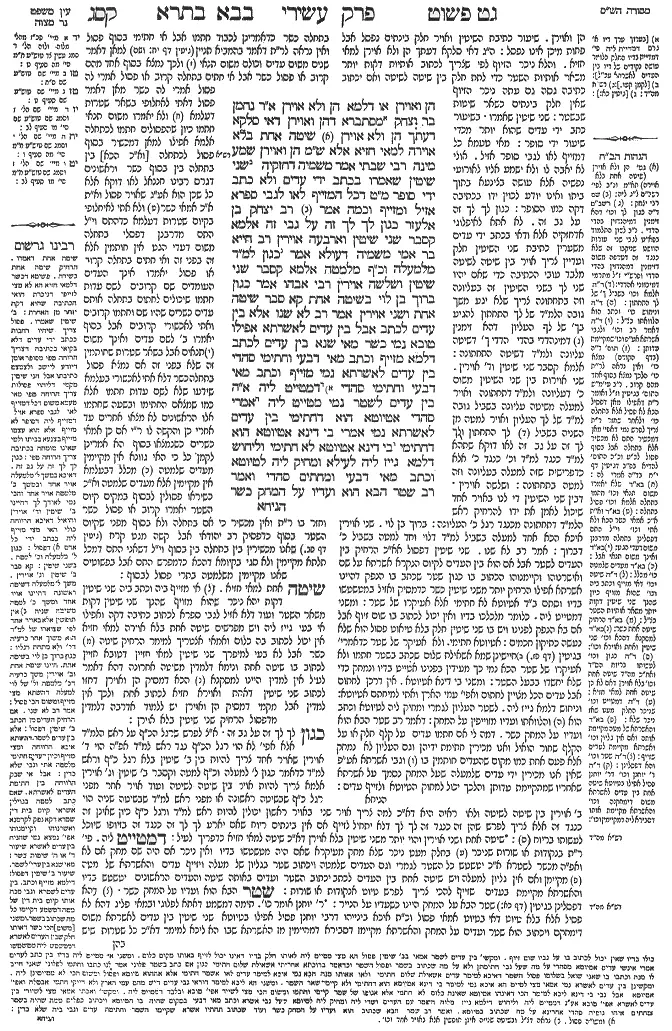
Bava Batra 163a - Guemara
הן ואוירן או דלמא הן ולא אוירן א"ר נחמן בר יצחק מסתברא דהן ואוירן דאי סלקא דעתך הן ולא אוירן שיטה אחת בלא אוירה למאי חזיא אלא ש"מ הן ואוירן שמע מינה רבי שבתי אמר משמיה דחזקיה שני שיטין שאמרו בכתב ידי עדים ולא כתב ידי סופר מ"ט דכל המזייף לאו לגבי ספרא אזיל ומזייף וכמה אמר רב יצחק בן אלעזר כגון לך לך זה על גבי זה אלמא קסבר שני שיטין וארבעה אוירין רב חייא בר אמי משמיה דעולא אמר כגון למ"ד מלמעלה וכ"ף מלמטה אלמא קסבר שני שיטין ושלשה אוירין רבי אבהו אמר כגון ברוך בן לוי בשיטה אחת קא סבר שיטה אחת ושני אוירין אמר רב לא שנו אלא בין עדים לכתב אבל בין עדים לאשרתא אפילו טובא נמי כשר מאי שנא בין עדים לכתב דלמא מזייף וכתב מאי דבעי וחתימי סהדי בין עדים לאשרתא נמי מזייף וכתב מאי דבעי וחתימי סהדי דמטייט ליה א"ה בין עדים לשטר נמי מטייט ליה אמרי סהדי אטיוטא הוא דחתימי בין עדים לאשרתא נמי אמרי בי דינא אטיוטא הוא דחתימי בי דינא אטיוטא לא חתימי וליחוש דלמא גייז ליה לעילא ומחיק ליה לטיוטא וכתב מאי דבעי ומחתים סהדי ואמר רב שטר הבא הוא ועדיו על המחק כשר
Comments from Rashbam - Bava Batra 163a
הן ואוירן . שיעור כתיבת השיטין ואויר חלק בינתים נפסל אבל פחות מיכן אינו נפסל: ה"ג דאי סלקא דעתך הן ולא אוירן למאי חזיא . והלא ניכר הזיוף לפי שצריך לכתוב אותיות דקות יותר משאר אותיות השטר כדי לתת חלק בין שיטה לשיטה ואם יכתוב כתיבה גסה גם עתה ניכר הזיוף שאין חלק בינתים כשאר שיטות שבשטר: שני שיטין שאמרו . בשיעור כתב ידי עדים שהוא יותר מכדי שיעור ידי סופר: מאי טעמא כל דמזייף לאו לגבי סופר אזיל . אולי לא יאבה לו ולא ישמע אליו לאורועי נפשיה אלא עושה בצינעא בתוך ביתו ואינו יודע לכוין ידו בכתיבה דקה כמו הסופר: כגון לך לך זה על גב זה . לא אתא לאיפלוגי אדחזקיה אלא ודאי בכתב ידי עדים משערין כתיבת שני השיטין חלק ועדיין צריך אויר בין שיטה לשיטה מלבד עובי הכתיבה כדי שאם יהיו שני לך בשני השיטין זה בעליונה וזה בתחתונה צריך שלא יגע משך גובה הלמ"ד של לך התחתון להגיע בך' של לך העליון דהא זימנין דמינהדדי בהדי הדדי ך' דשיטה עליונה ולמ"ד דשיטה תחתונה: אלמא קסבר שני שיטין וד' אוירין . שני אוירות בין שני השיטין משום כ' דעליונה ולמ"ד דתחתונה ואויר למעלה משיטה עליונה בשביל גובה למ"ד של לך העליון ואויר למטה מן השניה בשביל לך התחתון ולך לך זה על גב זה לאו דוקא שתהא למ"ד כנגד למ"ד וכ' כנגד כ' אלא כדפרישית שזה למעלה בעליונה וזה למטה בתחתונה: ושלשה אוירין . דבין שני השיטין די לנו באויר אחד שיכול לאמן את ידו להרחיק ראש הלמ"ד דתחתונה מכנגד רגל כ' העליונה: ברוך בן לוי . שני אוירין איכא הכא אחד למעלה בשביל למ"ד דלוי וחד למטה בשביל כ' דברוך: אמר רב לא שנו . שני שיטין דפסול אא"כ הרחיק בין העדים לשטר אבל אם הוא בין העדים לקיום הנקרא אשרתא על שם ואישרנוהו וקיימנוהו הכתוב בו כגון שטר שכתב בו הנפק דהיינו אשרתא אפילו הרחיק יותר משני שיטין כשר כדמסיק ואזיל במטשטשו בדיו וסתם ב"ד אטיוטא לא חתימי אלא אעיקרו של שטר: ומשני דמטייט ליה . כלומר מלכלכו בדיו ואין יכול לכתוב בו שום זיוף אבל אם בא הנפק לפנינו ויש בו שני שיטין חלק בלא טיאוט פסול הוא שלא נעשה כתיקון חכמים: אטיוטא חתימי . ולא אעיקר של שטר כדאמרי' בגיטין (דף פז.) חיישינן שמא אשאילת שלום שכתב בשטר חתמו ולא אעיקרו של שטר הכא נמי כך מעידין בפנינו אטייט בדיו ונמחק כדי שלא יחשדו בבעל השטר: ומשני בי דינא אטיוטא . אין דרכן לחתום אבל עדים הכל מצויין לחתום ואפי' עמי הארץ ואתי למיחתם אטיוטא: וניחוש דלמא גייז ליה . לשטר העליון לגמרי ומחיק ליה לטיוטא וכתב הוא והלוואתו ועדיו מזוייפין על המחק: דאמר רב שטר הבא הוא ועדיו על המחק כשר . דמה לי אם חתמו עדים על קלף חלק או על הקלף שחור הואיל ואנו מכירין חתימת ידיהן וגם העליון לא נמחק אלא פעם אחת כמו מקום שהעדים חותמין בו וגבי אשרתא אע"פ שאין אנו מכירין ידי עדים שלמעלה שעל המחק נסמך על אשרתא שאחריו שמתקיימת עדותן והלכך יכול למחוק הטיוטא ולזייף עדים:
Comments from Tosafot - Bava Batra 163a
שיטה אחת למאי חזיא. אי מזייף ביה וכתב ביה שני שיטין דקות יהא ניכר שהוא מזויף שהנך שני שיטין דקות משאר השטר ועוד דלא אזיל לגבי ספרא לכתוב כתיבה דקה ואפילו אי בעי גייז ליה ויש מפרשים שיטה אחת בלא אוירה למאי חזיא אין יכול לכתוב בה כלום ואמאי אצטריך למימר הרחיק שיטה כשר אבל לא בעי למיפרך שני שיטין למאי חזיין דטובא חזיין לכתוב בו שיטה אחת ונימא דלמדין משיטה אחרונה דהא דאמר לעיל אין למדין היינו למסקנא הכא דמסיק הן ואוירן דחזו לכתוב שני שיטין דאחת ואוירא חזיא לכתוב אחת ולכך אין למדין אבל מקמי דמסיק הן ואוירן יש ללמוד אדרבה דלמדין מדפסול הרחיק שני שיטין בלא אוירן: כגון לך לך זה על גב זה. א"צ לפרש שרגל הכ"ף על ראש הלמ"ד אלא אפי' לא הוי רגל הכ"ף נגד ראש למ"ד אפ"ה הוי ד' אוירין שאויר אחד צריך להיות בין ב' שיטין בלא רגל כ"ף וראש למ"ד כדאמר כגון ל' למעלה וכ"ף למטה וקסבר ב' שיטין וג' אוירין אלמא צריך להיות אויר בין שיטה לשיטה ועוד אויר אחר מפני רגל כ"ף שבשיטה ראשונה או מפני ראש למ"ד שבשיטה שניה הוי ב' אוירין בין שיטה לשיטה ולאו ראיה היא דא"כ למה צריך אויר שני באויר ראשון יכולין להיות ראש למ"ד ורגל כ"ף כיון שאינן זה כנגד זה אלא צריך לפרש שהן זה כנגד זה לך לך דלא יתחיל לזייף אם אין בינתים ריוח שאם יארע לך לך זה כנגד זה בזיופו שיוכל לעשותו בריוח: שיטה אחת ושני אוירין. והוי יותר משני שיטין בלא אוירן דא"כ שיטה למאי חזיא כדפריך לעיל: דמטייט ליה. פי' ר"ת בנקודות או שורות שניכר בחלק מעט ניכר שלא מחק מעיקרא שאם היה מטשטשו בדיו ואין ניכר אם היה שם מחק אם לא ואפ"ה מכשר לשטרא א"כ יטשטש כל השטר לגמרי וגם העדים שלמטה ויכתוב שטר בגליון של מעלה ויזייף עדים והאשרתא של מטה מקיימן ואם אין גליון למעלה ויש שיטה אחת בין העדים לכתב יכתוב השטר ועדים באותה שיטה והעדים הראשונים יטשטש בדיו והאשרתא מקיימת בעדים שזייף להכי צריך לפרש טיוט אנקודות או שורות: שטר הבא הוא ועדיו על המחק כשר. דהא דפסלינן בגיטין (דף כא:) שטר הבא על המחק היינו כשעדיו על הנייר:
Bava Batra 163a - Mishnah translated into english
does this refer to the size of lines with the space between lines added? Or is it perhaps referring to lines of writing themselves, without their spaces?
Rav Naḥman bar Yitzḥak said: It stands to reason that it is referring to the lines with their spaces. As, if it were to enter your mind that it is referring to the lines without their spaces, for what is one line without its space fit? The baraita did not have to state that a document with a single blank line after the text, measured without counting spaces, is not forgeable; this is obvious. Rather, one may conclude from this claim that the reference is to two lines with their spaces. The Gemara affirms: Conclude from this claim that it is so.
Rabbi Shabbtai says in the name of Ḥizkiyya: With regard to the gap of two blank lines between the text and the signatures, which the Sages said invalidates the document, the lines are measured by the handwriting of witnesses, and not by the handwriting of a scribe, who is presumably skilled enough to write in a smaller script. What is the reason for this? Anyone who forges a document, adding additional lines to the document, would not go to a scribe and ask him to forge it; he would execute the forgery himself, or have another unscrupulous person who is not a professional scribe forge it. Therefore, in order to present a concern for possible forgery, a document must have two blank lines that are measured by the handwriting of an ordinary person, such as one of the witnesses.
The Gemara has established that the width of the gap required to invalidate the document is two lines with interlinear space. The Gemara clarifies: And how much interlinear space is necessary to invalidate the document? Rav Yitzḥak ben Elazar says: For example, enough to write the Hebrew word lekha, and then the Hebrew word lekha, this word on top of that one. These two words each consist of the two letters lamed and final khaf; the former has a projection that fully occupies the interlinear space above it, and the latter has a projection that fully occupies the interlinear space below it. Writing these words one under the other, then, would require an additional interlinear space above and below both lines. The Gemara concludes: Apparently, Rav Yitzḥak ben Elazar maintains that the empty space required to invalidate the document is the width of two written lines with four interlinear spaces.
Rav Ḥiyya bar Ami states a different opinion in the name of Ulla: For example, enough to write a lamed on the upper line and a final khaf on the lower line. The Gemara concludes: Apparently, Ulla maintains that the empty space required to invalidate the document is the width of two written lines with three interlinear spaces, one above the first line, one between the two lines, and one beneath the second line.
Rabbi Abbahu states a different opinion: For example, enough to write the name Barukh ben Levi on one line. Barukh contains a final khaf, and Levi contains a lamed. The Gemara concludes: Apparently, Rabbi Abbahu maintains that the empty space required to invalidate the document is the width of one written line with two interlinear spaces, one above the line and one beneath the line.
§ Rav says: They taught in the baraita that a gap of two lines invalidates the document only if that space is between the witnesses’ signatures and the text of the document. But if there is a gap between the witnesses’ signatures and a court’s ratification of the document, which follows the witnesses’ signatures, then even if there is more space than this, the document is valid.
The Gemara asks: What is different about the case where the gap is between the witnesses and the text, that it invalidates the document? There is a concern that perhaps the holder of the document may forge additional lines and write whatever he wants, and the witnesses have already signed at the bottom, giving the appearance that they attest to the added lines as well. But the same concern can be raised concerning a gap between the witnesses’ signatures and the court’s ratification as well: There, too, he can forge additional lines and write whatever he wants, and have witnesses sign it, with the court’s ratification giving the appearance that it attests to the added lines and signatures as well. Why is this document valid?
The Gemara explains: When is a gap between the witnesses’ signatures and the court’s ratification not problematic, according to Rav? Only when someone inks in the blank space with lines or dots, to prevent information from being added there. The Gemara asks: If so, the gap between the witnesses’ signatures and the text of the document should also be made irrelevant in this manner: Let the scribe ink in [metayyet] the blank space. Why, then, was it taught categorically that the witnesses must sign within two lines of the text?
The Gemara answers: Inking in the gap between the text and the signatures of the witnesses will not help, as people might say, i.e., the concern might be raised: The witnesses are signed only on the inking in. It is possible that the witnesses’ signatures were affixed only to attest that the inking was done in their presence and that the inking in is not a sign of duplicity, and their signatures do not relate to the actual text of the document. The Gemara asks: If so, raise the same concern when the gap between the witnesses’ signatures and the court’s ratification is inked in; there too, people might say: The court’s ratification is signed only for the inking in, and not for the actual text of the document. The Gemara answers: A court does not sign on mere inking in; their ratification is always in reference to the entire document.
The Gemara raises another issue: And let there be a concern that perhaps the holder of the document will excise the entire text that appears above the signatures, and then erase the inked-in part and write whatever he wants in that erased area, and have unscrupulous witnesses sign it. And this would be a valid document, as Rav says: A document that comes before the court for ratification in which its content and the signatures of its witnesses are both written over an erasure is valid. The court ratification would then be assumed to be referring to this new, forged document.
Traduction : The William Davidson digital edition of the Koren Noé Talmud, with commentary by Rabbi Adin Even-Israel Steinsaltz.