 Talmud Bavli
Bava Batra 139a : Youtube
Daf TubeYoutube
2 video classes :
Bava Batra Page 139a
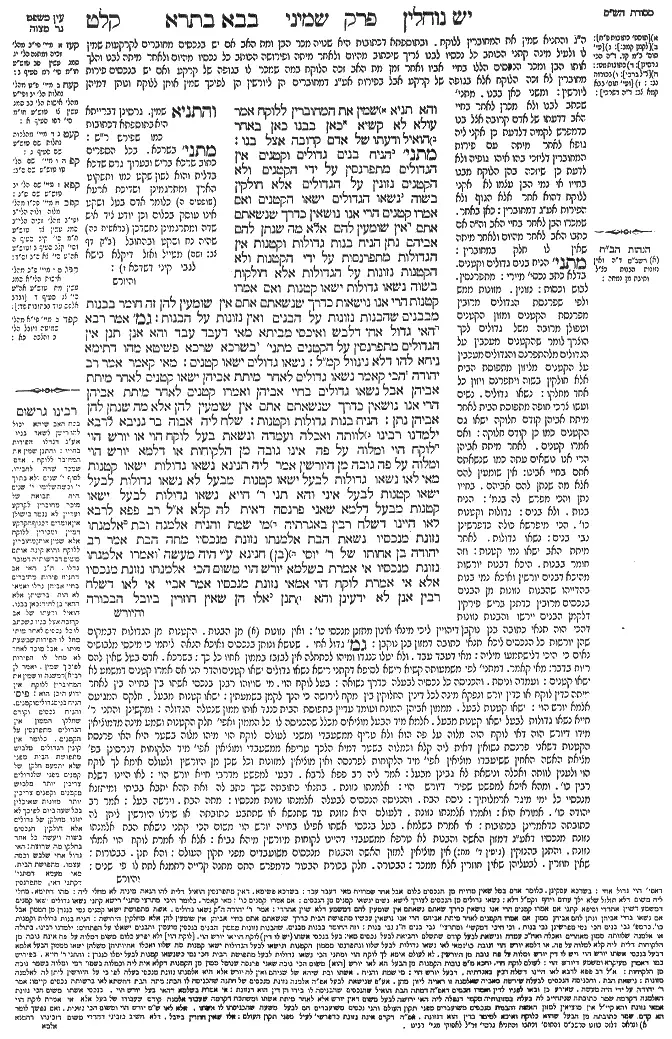
Bava Batra 139a - Guemara
והא תניא שמין את המחוברין ללוקח אמר עולא לא קשיא כאן בבנו כאן באחר הואיל ודעתו של אדם קרובה אצל בנו:
מתני׳ הניח בנים גדולים וקטנים אין הגדולים מתפרנסין על ידי הקטנים ולא הקטנים נזונין על הגדולים אלא חולקין בשוה נשאו הגדולים ישאו הקטנים ואם אמרו קטנים הרי אנו נושאין כדרך שנשאתם אתם אין שומעין להם אלא מה שנתן להם אביהם נתן הניח בנות גדולות וקטנות אין הגדולות מתפרנסות על ידי הקטנות ולא הקטנות נזונות על הגדולות אלא חולקות בשוה נשאו גדולות ישאו קטנות ואם אמרו קטנות הרי אנו נושאות כדרך שנשאתם אתם אין שומעין להן זה חומר בבנות מבבנים שהבנות נזונות על הבנים ואין נזונות על הבנות:
גמ׳ אמר רבא האי גדול אחי דלבש ואיכסי מביתא מאי דעבד עבד והא אנן תנן אין הגדולים מתפרנסין על הקטנים מתני' בשרכא שרכא פשיטא מהו דתימא ניחא להו דלא נינוול קמ"ל:
נשאו גדולים ישאו קטנים:
מאי קאמר אמר רב יהודה הכי קאמר נשאו גדולים לאחר מיתת אביהן ישאו קטנים לאחר מיתת אביהן אבל נשאו גדולים בחיי אביהן ואמרו קטנים לאחר מיתת אביהן הרי אנו נושאין כדרך שנשאתם אתם אין שומעין להן אלא מה שנתן להן אביהן נתן:
הניח בנות גדולות וקטנות:
שלח ליה אבוה בר גניבא לרבא ילמדנו רבינו לוותה ואכלה ועמדה ונשאת בעל לוקח הוי או יורש הוי לוקח הוי ומלוה על פה אינו גובה מן הלקוחות או דלמא יורש הוי ומלוה על פה גובה מן היורשין אמר ליה תנינא נשאו גדולות ישאו קטנות מאי לאו נשאו גדולות לבעל ישאו קטנות מבעל לא נשאו גדולות לבעל ישאו קטנות לבעל איני והא תני ר' חייא נשאו גדולות לבעל ישאו קטנות מבעל דלמא שאני פרנסה דאית לה קלא א"ל רב פפא לרבא לאו היינו דשלח רבין באגרתיה מי שמת והניח אלמנה ובת אלמנתו נזונת מנכסיו נשאת הבת אלמנתו נזונת מנכסיו מתה הבת אמר רב יהודה בן אחותו של ר' יוסי (בן) חנינא ע"י היה מעשה ואמרו אלמנתו נזונת מנכסיו אי אמרת בשלמא יורש הוי משום הכי אלמנתו נזונת מנכסיו אלא אי אמרת לוקח הוי אמאי נזונת מנכסיו אמר אביי אי לאו דשלח רבין אנן לא ידעינן והא תנן אלו הן שאין חוזרין ביובל הבכורה
Comments from Rashbam - Bava Batra 139a
ה"ג והתניא שמין את המחוברין ללוקח . ובתוספתא דכתובות היא שנויה מכר הבן ומת האב אם יש בנכסים מחוברים לקרקעות שמין לו ולעיל מינה קתני הכותב כל נכסיו לבנו צריך שיכתוב מהיום ולאחר מיתה ופירושה הכותב כל נכסיו מהיום ולאחר מיתה לבנו והלך אותו הבן ומכר הנכסים הללו בחיי אביו ואחר זמן מת האב זכה הלוקח במה שמכר לו בגופה של קרקע ואם יש בנכסים פירות מחוברין לא זכה הלוקח אלא בגופה של קרקע אבל בפירות אע"ג דמחוברים הן ליורשין הן לפיכך שמין אותן ללוקח ונותן דמיהן ליורשין: ומשני כאן בבנו . מתני' שכתב לבנו ולא מכרן לאחר בחיי האב דדעתו של אדם קרובה אצל בנו כדמפרש לקמיה דלדעת כן אקני ליה גופא לאחר מיתה עם פירות המחוברין דליזכי בהו איהו גופיה ולא לדעת כן שיזכה בהן הלוקח מבנו בחייו אי נמי הבן עצמו לא אקני ללוקח דהוא אחר אלא הגוף ולא הפירות אע"ג דמחוברין: כאן באחר . שמכרו הבן לאחר בחיי האב וה"ה אם כתבו האב לאחר מהיום ולאחר מיתה שאין לו חלק במחוברין: מתני' הניח בנים גדולים וקטנים . בדלא כתב נכסי' מיירי: מתפרנסין . לבוש וכסות: נזונין . מזונות ממש ולפי שפרנסת הגדולים מרובין מפרנסת הקטנים ומזון הקטנים וטפולן מרובה משל גדולים לכך הוצרך לומר שהקטנים מעכבין על הגדולים מלהתפרנס והגדולים מעכבין על הקטנים מליזון מתפוסת הבית אלא חולקין בשוה ויתפרנס ויזון כל אחד מחלקו: נשאו גדולים . נשים ועשו צרכי חופה מתפוסת הבית לאחר מיתת אביהן קודם חלוקה ישאו גם הקטנים כמו כן קודם חלוקה: ואם אמרו קטנים . לאחר מיתת אביהן הרי אנו נושאים עתה כמו שנשאתם אתם בחיי אבינו: אין שומעין להם אלא מה שנתן להם אביהם . בחייו נתן והכי מפרש לה בגמ': הניח בנות . ולא בנים: גדולות וקטנות כו' . הכי מיפרשא כולה כדפרשינן גבי בנים: נשאו גדולות . לאחר מיתת האב ישאו נמי קטנות: וזה חומר בבנות . היכא דבנות יורשות מהיכא דבנים יורשין ואיכא נמי בנות בהדייהו שהבנות נזונות מן הבנים בנכסים מרובין כדתנן בריש פירקין דלקמן הבנים יירשו והבנות נזונות דהכי הוה תנאי כתובה בנן נוקבן דיהויין ליכי מינאי אינון מתזנן מנכסי כו': ואין נזונות מן הבנות . הקטנות מן הגדולות דבמקום שהן יורשות כל הנכסים ליכא תנאי כתובה דמזון בנן נוקבן: גמ' גדול אחי . שנושא ונותן בנכסים ואיכא הנאה ליתמי כי מיכסי מלבושים נאים כי היכי דלישתמעו מיליה: מאי דעבד עבד . ולא יטלו כנגדו ומיהו לכתחלה אין לבזבז בממון אחיו כל כך: בשרכא . אדם בטל שאין להם ריוח בדבר: מאי קאמר . דמתני' לפי משמעותה קשיא רישא לסיפא דקתני רישא נשאו גדולים ישאו קטנים והדר תני אם אמרו קטנים דמשמע לא ישאו קטנים: ועמדה וניסת . והכניסה כל נכסיה לבעלה כדרך נשואה: בעל לוקח הוי . מי שויוהו רבנן בנכסי אשתו בין בחייה בין לאחר מיתה כדין לוקח או כדין יורש ונפקא מינה לכל דינין החלוקין בין מקח לירושה כי הנך לקמן בשמעתין: ישאו קטנות מבעל . חלקם המגיעם אלמא יורש הוי: ישאו קטנות לבעל . מממון אביהן המונח ועומד עדיין בתפוסת הבית כנגד אותו ממון שנטלה הגדולה: ומקשינן והתני ר' חייא נשאו גדולות לבעל ישאו קטנות מבעל . אלמא מיד הבעל מוציאים מכלל שהכניסה לו כל הממון ואפי' חלק הקטנות ושמע מינה מדמוציאין מידו דיורש הוה דאי לוקח הוה מלוה על פה הוא ולא טריף ממשעבדי ומשני לעולם לוקח הוי מיהו מלוה בשטר היא האי פרנסת הקטנות דשאני פרנסת נשואין דאית ליה קלא וכמלוה בשטר דמיא הלכך טריפא ממשעבדי ומוציאין אפי' מיד הלקוחות דגרסינן בפ' מציאת האשה האחין ששיעבדו מוציאין אפי' מיד הלקוחות לפרנסה ואין מוציאין למזונות וכל שכן מן היורשין ולעולם אימא לך לוקח הוי ולענין לוותה ואכלה ונישאת לא גבינן מבעל: אמר ליה רב פפא לרבא . דבעי למפשט מדרבי חייא יורש הוי: לאו היינו דשלח רבין כו' . ומהא איכא למפשט שפיר דיורש הוי: אלמנתו נזונת . בתנאי כתובתה שכך כתב לה ואת תהא יתבא בביתי ומיתזנא מנכסיי כל ימי מיגר ארמלותיך: ניסת הבת . והכניסה הנכסים לבעלה אלמנתו נזונת מנכסיו: מתה הבת . וירשה בעל: אמר רב יהודה כו' . אמורא הוא: ואמרו אלמנתו נזונת . דלעולם היא נזונת עד שתנשא או שתתבע כתובתה או שירצו היורשין ליתן לה כתובתה כדאמרינן בכתובות: אי אמרת בשלמא . בעל בנכסי אשתו אפילו בחייה יורש הוי משום הכי קתני נישאת הבת אלמנתו נזונת מנכסיו דאע"ג דמזון האשה והבנות לא טרפא ממשעבדי דהיינו לקוחות מיורשין מיהא גביא: אלא אי אמרת לוקח הוי אמאי נזונת . והתנן בהנזקין (גיטין ד' מח:) אין מוציאין למזון האשה והבנות מנכסים משועבדים מפני תקון העולם: והא תנן . בבכורות: שאין חוזרין . לבעליהן שאין חוזרין אלא ממכר: הבכורה . חלק בכורת הבכור כדמפרש התם מתנה קרייה רחמנא לתת לו פי שנים:
Comments from Tosafot - Bava Batra 139a
והתניא שמין. גרסינן דברייתא היא בתוספתא דכתובות כמו שפירש ר"ש: מתני' בשרכא. בכל הספרים כתוב שרכא בריש ובערוך גרס שדכא בדלית והוא לשון שקט כמו ותשקוט הארץ ומתרגמינן ושדיכת ארעא (שופטים ה) כלומר אדם בטל ושקט אינו עוסק בכלום וכן יודע ציד איש שדה ומתרגמינן נחשדכן (בראשית כה) שהיה נח ושקט ובהחובל (ב"ק דף צב: ושם) מטייל ואזל דיקלא בישא לגבי קיני דשדכא:
Bava Batra 139a - Mishnah translated into english
But isn’t it taught in a baraita (Tosefta, Ketubot 8:5) that in a similar case, the court appraises the produce still connected to the ground for the purchaser of the land, who must pay the seller’s heirs for it? Accordingly, the connected produce also belongs to the heirs.
Ulla said that this is not difficult; here, in the mishna, the halakha is stated with regard to his son, who receives the connected produce after the father’s death. There, in the baraita, the halakha is stated with regard to another person who purchased the land from the son. Since a person’s disposition is favorable toward his son, the father certainly intended to bequeath the connected produce to his son together with the property itself. When the son sold it to another person, there was no such intention.
MISHNA: If a person died and left adult and minor sons, the adults are not provided for by using funds of the minors, and the minors are not sustained, i.e., they do not receive food, by using funds of the adults. Rather, they receive a share of the inheritance equally, and each son sees to his needs from his own share.
If the adults married, the minors marry, as the Gemara will explain. But if the minors say: We are marrying in the same manner that you adults married during our father’s lifetime, the court does not listen to them. Rather, whatever their father gave the adults in his lifetime he gave them, and the minors do not have the right to receive more than their share of the inheritance.
Similarly, if the father left adult and minor daughters but no sons, in which case his daughters inherit the estate, the adults are not provided for by using funds of the minors, and the minors are not sustained by using funds of the adults. Rather, they receive a share of the inheritance equally, and each daughter sees to her needs from her share.
If the adult daughters married, the minor daughters marry, as the Gemara will explain. But if the minors say: We are marrying in the same manner that you adults married during our father’s lifetime, the court does not listen to them.
This following halakha is a stringency with regard to daughters’ inheritance vis-à-vis sons’ inheritance: The halakha is that the daughters are sustained by using funds of the sons, as stipulated in their mother’s marriage contract, but they are not sustained by using funds of the other daughters.
GEMARA: Rava says: With regard to this eldest of the brothers who wears garments and covers himself from the common property of the house, what he did is done, and the other brothers cannot subtract from his share of the inheritance as a result.
The Gemara asks: But didn’t we learn in the mishna that the adults are not provided for by using funds of the minors? The Gemara answers: The mishna is referring to an unemployed person [bisherakha], whereas Rava was referring to the brother who handles the finances of the entire family. Therefore it is in the interest of all the brothers for him to wear appropriate attire.
The Gemara asks: If the mishna is referring to an unemployed person, isn’t it obvious that he may not take from the common inheritance of all the brothers? The Gemara answers: Lest you say that it is preferable for them that he dress appropriately so that he will not be repulsive, thereby dishonoring the family name, the mishna teaches us that he does not have the right to take money for clothing from the common inheritance, and if he does so, the brothers can subtract from his share of the inheritance as a result.
§ The mishna teaches that if the adults married, the minors marry. The Gemara asks: What is it saying? What does this mean?
Rav Yehuda says that this is what it is saying: If the adults married after their father’s death and used the common inheritance to pay for their weddings, the minors that marry after their father’s death may also pay for their weddings from the common inheritance. But if the adults married during their father’s lifetime, and the minors said after their father’s death: We will marry in the same manner that you married, the court does not listen to them. Rather, whatever sum their father gave the adults to pay for their weddings in his lifetime he gave them, and the minors do not have the right to demand that same sum from the inheritance.
§ The mishna teaches that if the father left adult and minor daughters, and the adults married, the minors marry. Avuh bar Geneiva sent a question to Rava: Our teacher, instruct us: If a woman borrowed money and consumed it, and before repaying the debt she arose and married, bringing her property into the marriage, what is the halakha? Is the husband considered a purchaser of her property or is he considered an heir to her property?
The halakhic ramification of this dilemma is as follows: Is he considered a purchaser, and the creditor therefore cannot collect his wife’s premarital debt from him, as one does not collect from the purchasers a loan by oral agreement? Or perhaps he is considered her heir, and one collects from the heirs a loan by oral agreement.
Rava said to him: We learned the answer to this question in the mishna: If the adult daughters married, the minor daughters marry. What, is it not teaching that if the adult daughters married, each one of them transferring money from the common inheritance to her husband to cover the wedding expenses, the minor daughters also marry, paying for the wedding from the money that each elder sister transferred to her husband? Clearly, although the money the elder daughters took from the inheritance for their weddings has the status of a loan by oral agreement, their husbands are liable to return it. This proves that the husbands are considered heirs.
The Gemara answers: No, the mishna is teaching that if the adults married and each one transferred money to her husband, the minors also marry, and each one may transfer money from the common inheritance to her husband for the wedding expenses. They cannot collect money from what was already transferred by their sisters to their husbands.
The Gemara asks: Is that so? But didn’t Rabbi Ḥiyya teach that if the adults married and transferred money to the husband, the minors marry and collect money from the husband of each elder sister?
The Gemara answers: Even according to this interpretation, there is no proof from the mishna with regard to the case of a loan by oral agreement. Perhaps the provision of wedding expenses for the daughters is different, as it generates publicity. Since it is well known that a specific portion of a person’s estate is liened to the future wedding expenses of his single daughters, it has the status of a loan with a promissory note. Therefore, the younger daughters can collect from the husbands of the elder daughters even if the status of the husbands is that of purchasers.
Rav Pappa said to Rava: Is this not identical to the halakha that Ravin sent in his letter from Eretz Yisrael? That halakha states that with regard to one who died and left a widow and a daughter, his widow is sustained from his property. If the daughter then married, the widow is still sustained from his property, although it is now in the possession of the daughter’s husband, as she had inherited the property from her father. With regard to a case where the daughter then died and her husband inherited from her, Rav Yehuda, son of the sister of Rabbi Yosei ben Ḥanina, says: This incident occurred with me, and the Sages said that the late man’s widow is still sustained from his property although it is fully owned by his daughter’s husband.
Rav Pappa explains: Granted, if you say the husband is considered an heir, it is due to that reason that his father-in-law’s widow is sustained from his property; it is still liened to her sustenance. But if you say that a husband is considered a purchaser of his wife’s property, why is his father-in-law’s widow sustained from his property? The purchasers of inherited property are not obligated to sustain the widow.
Abaye said: If Ravin had not sent this letter, would we not have known that the husband has the status of a purchaser? But didn’t we learn in the mishna (Bekhorot 52b): These properties do not return to their original owners in the Jubilee Year (see Leviticus 25:13–24): The portion of the firstborn, i.e., it does not return to the common ownership of the brothers to be shared equally like the rest of the inheritance, but rather remains in the possession of the firstborn;
Traduction : The William Davidson digital edition of the Koren Noé Talmud, with commentary by Rabbi Adin Even-Israel Steinsaltz.