 Talmud Bavli
Bava Batra 169a : Youtube
Daf TubeYoutube
2 video classes :
Bava Batra Page 169a
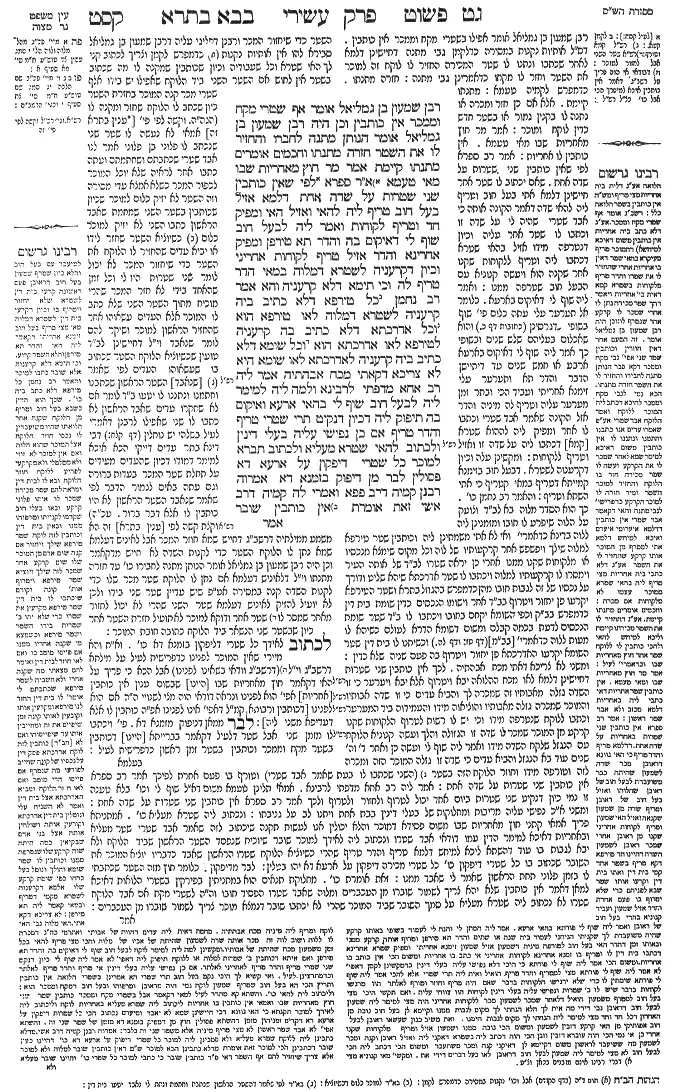
Bava Batra 169a - Guemara
רבן שמעון בן גמליאל אומר אף שטרי מקח וממכר אין כותבין וכן היה רבן שמעון בן גמליאל אומר הנותן מתנה לחברו והחזיר לו את השטר חזרה מתנתו וחכמים אומרים מתנתו קיימת אמר מר חוץ מאחריות שבו מאי טעמא א"ר ספרא לפי שאין כותבין שני שטרות על שדה אחת דלמא אזיל בעל חוב טריף ליה להאי ואזיל האי ומפיק חד וטריף לקוחות ואמר ליה לבעל חוב שוף לי דאיקום בה והדר תא טירפן ומפיק אחרינא והדר אזיל טריף לקוחות אחריני וכיון דקרעניה לשטרא דמלוה במאי הדר טריף לה וכי תימא דלא קרעניה והא אמר רב נחמן כל טירפא דלא כתיב ביה קרעניה לשטרא דמלוה לאו טירפא הוא וכל אדרכתא דלא כתיב בה קרעניה לטירפא לאו אדרכתא הוא וכל שומא דלא כתיב ביה קרעניה לאדרכתא לאו שומא היא לא צריכא דקאתי מכח אבהתיה אמר ליה רב אחא מדפתי לרבינא ולמה ליה למימר ליה לבעל חוב שוף לי בהאי ארעא ואיקום בה תיפוק ליה דכיון דנקיט תרי שטרי טריף והדר טריף אם כן נפישי עליה בעלי דינין ולכתוב להאי שטרא מעליא ולכתוב תברא למוכר כל שטרי דיפקון על ארעא דא פסולין לבר מן דיפוק בזמנא דא אמרוה רבנן קמיה דרב פפא ואמרי לה קמיה דרב אשי זאת אומרת אין כותבין שובר
Comments from Rashbam - Bava Batra 169a
רבן שמעון בן גמליאל אומר אפילו בשטרי מקח וממכר אין כותבין . דס"ל אותיות נקנות במסירה כדלקמן גבי מתנה דחיישינן דלמא לאחר שכתבו ונתנו לו שטר המכירה החזיר לו לוקח זה למוכר את השטר וחזר לו מקחו כדאמרינן גבי מתנה: חזרה מתנתו . כדמפרש לקמיה טעמא: מתנתו קיימת . אלא אם כן חזר ומכרה או נתנה לו בקנין גמור או בשטר חדש כדין לוקח ומוכר: אמר מר חוץ מאחריות שבו מאי טעמא . אין כותבין לו אחריות: אמר רב ספרא לפי שאין כותבין שני שטרות על שדה אחת . שאם יכתוב לו שטר אחר חיישינן דלמא אתי בעל חוב וטריף ליה להאי שדה דאמר הקונה אותה כי אבד שטרי שהיה לי על שדה זו וכתבו לו שטר אחר עליה וכיון דנטרפה מידו אזיל בהאי שטרא דכתבו ליה וטריף ללקוחות שקנו אחר שקנה הוא ויעשה קנוניא עם הבעל חוב שטרפה ממנו: ואמר ליה שוף לי דאיקום בארעא . כלומר אל תערער עלי עתה כלום פי' שוף בשופי כדגרסינן (כתובות דף כ.) והוא שאכלום בעליהם שלש שנים ובשופי כך אמר ליה שוף לי דאיקום בארעא ארבע או חמש שנים עד דיתיישן הדבר והדר תא ותערער עלי זימנא אחריתי ועביד הכי ובתר זמן מערער עליה וטריף לה מיניה והדר אזל הקונה שאמר אבד שטרי וכתבו לו אחר ומפיק ליה לההוא שטרא [קמא] דכתבו ליה על שדה זו ואזיל וטריף ללקוחות: ומקשינן עלה וכיון דקרענוה לשטרא . דבעל חוב בזימנא קמייתא דטריף במאי קטריף כי אתי השתא וטריף: והאמר רב נחמן כו' . כך הוא הסדר מלוה בא לב"ד וצועק על הלוה שיפרע לו חובו ומזמנינן ליה ללוה בדינא כדאמרי' ואי לא אתי משמתינן ליה וכותבין שטר טירפא למלוה שילך ויפשפש אחר קרקעותיו של לוה וכל מקום שימצא מנכסיו או מלקוחות שקנו ממנו אחרי כן יראה שטרו לב"ד של אותה העיר וימסרו לו קרקעותיו למלוה ויכתבו לו שטר אדרכתא שיהא שליט ודורך על נכסיו של זה לגבות חובו מהן כדמפרש בהגוזל בתרא ושטר הטירפא יקרעו פן יחזור ויטרוף בב"ד אחר וישומו הנכסים כדין שומת בית דין כדמפרש בב"ק וכפי השומא יקחם בחובו ויכתבו לו ב"ד שטר שומת הנכסים לדעת בכמה קבלם ומשום דשומא הדרא לעולם כשיהא לו מעות ללוה כדאמרי' [בב"מ] (דף טז: ודף לה.) וכשיתנו לו בית דין שטר השומא יקרעו האדרכתא פן יחזור ויטרוף בה פעם שניה שלא כדין: ומשני לא צריכא דאתי מכח אבהתיה . לכך אין כותבין שני שטרות דחיישינן דלמא לאו מכח ההלואה יבא ויטרוף אלא יבא ויערער כי זו השדה גזלה מאבותיו זה שמכרה לך והביא עדים כי זו שדה אבותיו והמוכר שמכרה גזלה מאבותיו והוציאוה מידו והעמידוה ביד המערער וכתבו ללוקח שנטרפה מידו וכי יש לו רשות לטרוף הלקוחות שקנו קרקע מן המוכר שמכר לו שדה זו הגזולה והלך ועשה קנוניא הלוקח עם הנגזל שלקח השדה מידו ואמר ליה שוף לי ועשה כן ואחר ד' וה' שנים עוד בא הנגזל והביא עדים כי שדה זו גזלה המוכר הזה ומכרה לזה וטורפה מידו וחוזר הלוקח הזה בשטר (השני שכתבו לו בעת שאמר אבד שטרי) וטורף בו פעם אחרת לפיכך אמר רב ספרא אין כותבין שני שטרות על שדה אחת: אמר ליה רב אחא מדפתי לרבינא . אמאי תלינן טעמא משום דא"ל שוף לי וכו' בלא טענה זו נמי כיון דנקיט שני שטרות ביום אחד יכול לטרוף ולחזור ולטרוף ולכך אמר רב ספרא אין כותבין שני שטרות על שדה אחת: ומשני א"כ נפישי עליה מריבות ומחלוקות של בעלי דינין בבת אחת ויתנו לב על גניבתו: ונכתוב ליה שטרא מעליא כו' . אמתניתא פריך אמאי קתני חוץ מאחריות שבו משום פסידא דמוכר והלא יכולין אנו לעשות תקנה שיכתוב לזה שאמר אבד שטרי שטר מעליא ובאחריות דאיכא למימר הדין עמו דודאי אבד שטרו ונכתוב ליה לאידך למוכר שובר שיוכיח שנפסד השטר הראשון שביד הלוקח ולא יבא לגבות בו עוד דהשתא ליכא למיחש דלמא טריף והדר טריף שהרי כשיוציא הלוקח שטרו הראשון שאבד כדבריו יוציא המוכר את השובר שכתוב בו כל שטרי דיפקון כו' כל שטרי מכירה דיפקון על ארעא דא יהו בטלין: לבר מדיפקון . כלומר חוץ מזה השטר שכתבתי לו בזמן פלוני תחת הראשון שאמר לי שאבד ממנו: זאת אומרת כו' . מחלוקת תנאים הוא במתניתין בפירקין בשטרי הלואות דאיכא למאן דאמר אין כותבין שלא יהא צריך לשמור שוברו מן העכברים ומלוה שאבד שטרו הפסיד חובו וה"ה לשטרי מקח אם אבד הלוקח שטרו לא נכתוב ליה שטרא מעליא על סמך השובר שביד המוכר שהרי לא יכתבו שובר דנמצא מוכר צריך לשמור שוברו מן העכברים.
Comments from Tosafot - Bava Batra 169a
לכתוב לאידך כל שטרי דליפקון בזמנא דא כו'. וא"ת והא מיירי שאין המוכר לפנינו כדפרישית לעיל על מילתא דרשב"ג וי"ל (דרשב"ג וודאי בשאינו לפנינו) אבל הכא כי פריך על האי דקאמר חוץ מאחריות שבו [היינו] שבשום ענין אין כותבין [אחריות] אפי' הוא לפנינו ונראה דודאי הוה מצי לשנויי ה"ה אם הוא לפנינו [דכותבין ורבותא קמ"ל דאפי' אינו לפנינו אפ"ה כותבין לו אלא דעדיפא משני ליה]: לבר ממאן דניפוק מזמנא דא. פי' ויכתבו לו מזמן שני אבל שטר דלעיל דקאמר בברייתא [היינו] דכותבין בשטר מקח וממכר וכותבין בשטר זמן ראשון כדפרישית לעיל:
Bava Batra 169a - Mishnah translated into english
The baraita continues: Rabban Shimon ben Gamliel says: The court may not write a replacement document even for deeds of buying and selling land. And Rabban Shimon ben Gamliel says as well: With regard to one who gives a gift of land to another, and the recipient returned the deed to him, his gift of land returns to him as well. But the Rabbis say: His gift of land remains in the possession of the recipient.
The Gemara analyzes the baraita: The Master says in the baraita: With regard to deeds of buying and selling land, the court may write a replacement document, excluding the guarantee that was in the first document. What is the reason that the guarantee may not be written?
Rav Safra says: It is because the court may not write two deeds of sale for the same sale of one field, lest a creditor of the seller go and repossess the field sold to this purchaser, and that purchaser go and take out one deed, and in accordance with the guarantee clause of the sale, repossess land from other purchasers who purchased land from the same seller at a later date, and say to the creditor: Remain quiet [shof ] about this matter for a few years, while I become established in the property I repossessed. And then, come and claim your loan again, and then you will repossess this property from me. And then, after it is taken from him a second time, the purchaser will then take out the other document of sale, the replacement that the court had written for him, and then go and repossess land from other purchasers who purchased land from the same seller. In short, a replacement document with a guarantee will enable double collection on that guarantee.
The Gemara asks with regard to Rav Safra’s scenario: How would it be possible for this to occur? But once the creditor repossessed the land the first time as payment of the debt, we, the court, tore the promissory note of the seller’s creditor; with what document could the creditor repossess the purchaser’s land again?
And if you would say that we did not tear the creditor’s promissory note in the course of the first collection, that cannot be. But doesn’t Rav Naḥman say that any document of authorization to repossess liened property from its purchaser in which it is not written: We have torn the creditor’s promissory note, is not a valid document of authorization to repossess liened property; and any document of authorization used to seize a debtor’s property in which it is not written: We have torn the creditor’s document of authorization to repossess liened property, is not a valid document of authorization; and any document of appraisal of an article’s value in which it is not written: We have torn the creditor’s document of authorization, is not a valid document of appraisal.
The Gemara answers: No, it is necessary to explain Rav Safra’s case as follows: The concern is not that a creditor will repossess the field, but that someone will come to repossess it based on his claim to the land as the property of his ancestors. That is, he proved that the field had belonged to his ancestors, and by extension belongs to himself as their heir, and the one who sold the field was in fact a thief. It was for this reason that he repossessed the field from the purchaser, and the concern is that the purchaser will seek reimbursement, as stipulated in the guarantee, from other property sold subsequently by the seller. If the purchaser has two deeds of sale with guarantees, he can collect payment twice.
The Gemara presents another question pertaining to Rav Safra’s case. Rav Aḥa of Difti said to Ravina: And why did Rav Safra have to include in his case that the purchaser will say to the creditor: Remain quiet about this matter for a few years while I become established in this land I repossessed, and then come and claim your loan again? Why did he devise a case in which the seller’s creditor collects payment twice? Let the problem derive from the fact that since the purchaser holds two deeds he will be able to repossess land based on his guarantee once and then repossess land again, even if the creditor does not collect his debt twice.
Ravina answered: If so, if the purchaser attempts to repossess land twice based on a single repossession of the creditor, he will have too many litigants to deal with at once, and his dishonest dealings will be discovered.
The Gemara asks further: But let the court write a proper bill of sale, one that includes a guarantee, for this purchaser, and then let the court write a receipt for the seller, stating: All documents that are issued with regard to the purchase of this field are not valid, except for the one issued on this date, referring to the replacement document written by the court. This will prevent double collection, as if the purchaser attempts to collect on his guarantee with a second document, the seller will foil this attempt by showing this receipt.
The Rabbis said before Rav Pappa in response to this question, and some say it was said before Rav Ashi: Is that to say that the tanna of the baraita holds that in general the court does not write a receipt in such cases?
Traduction : The William Davidson digital edition of the Koren Noé Talmud, with commentary by Rabbi Adin Even-Israel Steinsaltz.