 Talmud Bavli
The learning on the whole site is dedicated : L'ilui Nishmat Nissim ben Barukh Malka
The learning on the whole site is dedicated : L'ilui Nishmat Yechayahou ben Moche
The learning on the whole site is dedicated : L'ilui Nishmat Jacques Isaac Ben Amram Loubaton
Bava Batra 36a : Youtube
Daf TubeYoutube
2 video classes :
Bava Batra Page 36a
Bava Batra 36a - Guemara
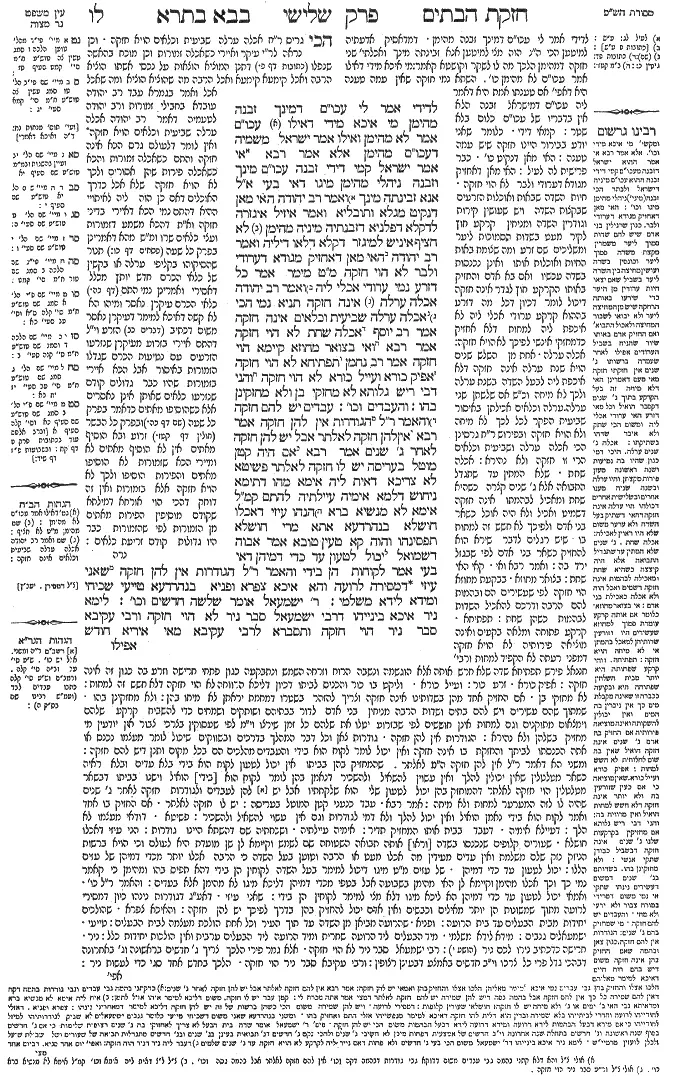
לדידי אמר לי עכו"ם דמינך זבנה מהימן מי איכא מידי דאילו עכו"ם אמר לא מהימן ואילו אמר ישראל משמיה דעכו"ם מהימן אלא אמר רבא אי אמר ישראל קמי דידי זבנה עכו"ם מינך וזבנה ניהלי מהימן מיגו דאי בעי א"ל אנא זבינתה מינך ואמר רב יהודה האי מאן דנקיט מגלא ותובליא ואמר איזיל איגזרה לדקלא דפלניא דזבנתיה מיניה מהימן לא חציף איניש למיגזר דקלא דלאו דיליה ואמר רב יהודה האי מאן דאחזיק מגודא דערודי ולבר לא הוי חזקה מאי טעמא מימר אמר כל דזרע נמי ערודי אכלי ליה ואמר רב יהודה אכלה ערלה אינה חזקה תניא נמי הכי אכלה ערלה שביעית וכלאים אינה חזקה אמר רב יוסף אכלה שחת לא הוי חזקה אמר רבא ואי בצואר מחוזא קיימא הוי חזקה אמר רב נחמן תפתיחא לא הוי חזקה אפיק כורא ועייל כורא לא הוי חזקה והני דבי ריש גלותא לא מחזקי בן ולא מחזקינן בהו:
והעבדים וכו':
עבדים יש להם חזקה והאמר ר"ל הגודרות אין להן חזקה אמר רבא אין להן חזקה לאלתר אבל יש להן חזקה לאחר ג' שנים אמר רבא אם היה קטן מוטל בעריסה יש לו חזקה לאלתר פשיטא לא צריכא דאית ליה אימא מהו דתימא ניחוש דלמא אימיה עיילתיה להתם קמ"ל אימא לא מנשיא ברא הנהו עיזי דאכלו חושלא בנהרדעא אתא מרי חושלא תפסינהו והוה קא טעין טובא אמר אבוה דשמואל יכול לטעון עד כדי דמיהן דאי בעי אמר לקוחות הן בידי והאמר ר"ל הגודרות אין להן חזקה שאני עיזי דמסירה לרועה והא איכא צפרא ופניא בנהרדעא טייעי שכיחי ומידא לידא משלמי:
ר' ישמעאל אומר שלשה חדשים וכו':
לימא ניר איכא בינייהו דרבי ישמעאל סבר ניר לא הוי חזקה ורבי עקיבא סבר ניר הוי חזקה ותסברא לרבי עקיבא מאי איריא חודש
Comments from Rashbam - Bava Batra 36a
לדידי אמר לי עכו"ם דמינך זבנה מהימן . דמדאסיק אדעתיה למיטען הכי ה"נ הוה מצי למיטען אנא זבינתה מינך ואכלתי' שני חזקה דמהימן הלכך מה לו לשקר וקושטא קאמר: מי איכא מידי דאילו אמר עכו"ם לא מהימן כו' . השתא נמי חזקה שאין עמה טענה היא דאפי' אם טענתו אמת היא דאמר ליה עכו"ם דמישראל זבנה הלא אין בדבריו של עכו"ם כלום בלא שטר: קמאי דידי . כלומר שאני יודע בבירור היינו חזקה שיש עמה טענה: האי מאן דנקיט כו' . כבר פרישית לה לעיל: האי מאן דאחזיק מגודא דערודי ולבר לא הוי חזקה . חיות השדה שבאות ואוכלות הזרעים שבקצות השדה ויש שעושין קירות וגודרין השדה ומניחין קרקע חוץ לקיר מעט בשדות הסמוכות ליער ומשליכים שם זרע ומה שצומח באות החיות ואוכלות אותו ואינן נכנסות בשדה עכשיו ואם בא אדם והחזיק באותו הקרקע חוץ לגדר אינה חזקה דיכול לומר דכיון דכל מה דזרע בההוא קרקע ערודי אכלי ליה לא איכפת ליה למחות דלא אחזיק כדמחזקי אינשי לפיכך לא הויא חזקה: אכלה ערלה . אחת מן השלש שנים הויא שנת ערלה אינה חזקה דלא איכפת ליה לבעל השדה בשנת ערלה ולכך לא מיחה וכ"ש אם שלשתן שני ערלה ערלה וכלאים אכילתן באיסור שביעית הפקר לכל לכך לא מיחה ולא הויא חזקה ובפירוש ר"ח גרסינן הכי אכלה ערלה ושביעית וכלאים הרי זו חזקה ולא נהירא: אכלה שחת . שלא המתין עד שתגדל התבואה אלא ג' שנים קצרה כשהיא שחת ומאכיל לבהמתו אינה חזקה דשמיט ואכיל ולא היה אוכל כשאר בני אדם ולפיכך לא חשש זה למחות בו שיש רגלים לדבר שירא הוא להחזיק כשאר בני אדם לפי שבגזל ירד בה: ואמר רבא ואי . קאי האי שחת: בצואר מחוזא . בבקעת מחוזא הוי חזקה לפי שעשירים הם ובהמות להם הרבה ודרכם להאכיל השדות לבהמות כשהן שחת: תפתיחא . קרקע פתוחה ומלאה בקעים ואינה מוציאה פירותיה לא הויא חזקה דמפני רעתה לא הקפיד למחות ורבי' חננאל פירש תפתיחא שדה שלא חרש אותה אלא הוגשמה ונשבה הרוח וזרחה השמש ונתבקעה כגון פתחי חרישה וזרע בה כגון זה אינה חזקה: אפיק כורא . זרע כור: ועייל כורא . וליקט בו כור והכניס לביתו דכיון דליכא הרווחה לא הוי חזקה דלא תשש זה למחות: לא מחזקי בן . אם החזיק אחד מהן בשדותינו אינה חזקה וצריך להזהר בשטרו דמחמת יראתן לא מיחו בהן: ולא מחזקינן בהו . שמתוך שהם עשירים ויש להם בתים ושדות הרבה מניחין בני אדם לדור בבתיהם ושותקים ושמחים כדי להשביח קרקע שלהם וימצאום מתוקנים וגם למחות אינן חוששים לפי שבזרוע יטלו את שלהם כל זמן שירצו וי"מ לפי שעסוקין בצרכי צבור אין יודעין מי מחזיק בשלהן ולא נהירא: הגודרות אין להן חזקה . גודרות צאן וכל דבר המהלך בדרכים ובשווקים שיכול לומר מעצמו נכנס או אתה הכנסתו לביתך והחזקת בו אינה חזקה ואין יכול לומר לקוח הוא בידי והעבדים מהלכים הם בכל מקום ותנן דיש להם חזקה: ומשני הא דאמר ר"ל אין להן חזקה ה"מ לאלתר . שהמחזיק בהן בביתו אין יכול לטעון לקוח הוא בידי בלא עדים ובלא ראיה כשאר מטלטלין שאין יכולין להלך ואין עשוין להשאיל ולהשכיר דנאמן בהן לומר לקוח הוא [בידי] הואיל וישנו בביתו דבשאר מטלטלין הוי חזקה לאלתר דהמוחזק בהן יכול לטעון שלי הוא שלקחתיו אבל יש להן לעבדים ולגודרות חזקה לאחר ג' שנים שהיה לו לזה המערער למחות ולא מיחה: אמר רבא . עבד כנעני קטן המוטל בעריסה: יש לו חזקה לאלתר . אם החזיק בו אחד ואמר לקוח הוא בידי נאמן הואיל ואין יכול להלך ולא דמי לגודרות וגם אין עשוי להשאיל ולהשכיר: פשיטא . דודאי מעצמו לא הלך: דעיילא אימיה . דעבד בבית אותו המחזיק תדיר: אימיה עיילתיה . ושכחתיה שם דהשתא היינו גודרות: הני עיזי דאכלו חושלא . שעורים קלופים שנכנסו בשדה [וראו] אותה תבואה השטוחה שם לשמש וקיימא לן שן מועדת היא לעולם וכי הויא ברשות הניזק נזק שלם משלמת ואין עדים מעידין מה אכלו מעט או הרבה וטוען בעל השדה כי הרבה אכלו יותר מכדי דמיהן של עזים הללו: יכול לטעון עד כדי דמיהן . של עזים מ"ט מיגו דיכול למימר בעל השדה לקוחין הן בידי דהא תפיס בהו ומהימן כי קאמר נמי כך וכך אכלו מהימן וקיימא לן האי מהימן בשבועה אבל בטפי מכדי דמיהן דליכא מיגו לא מהימן אלא בעדים: והאמר ר"ל כו' . ואמאי יכול לטעון עד כדי דמיהן הא ליכא מיגו דלא מצי למימר לקוחין הן בידי: שאני עיזי . דאע"ג דגודרות נינהו כיון דמסירי לרועה מתוך שמשונות הן יותר מאילים וכבשים ואין אדם יכול להחזיק בהן בדרך לפיכך יש להן חזקה: והאיכא צפרא . שהולכים יחידות מבית הבעלים עד בית הרועה: ופניא . שהרועה מביאן מן השדה עד תוך העיר וכל אחת הולכת מעצמה לבית הבעלים: טייעי . ישמעאלים גנבים: מידא לידא משלמי . מיד הבעלים ליד הרועה שחרית ומיד הרועה ליד הבעלים ערבית ואין הולכות יחידות כלל: ניר . חרישה כדכתיב נירו לכם ניר (הושע י): רבי ישמעאל סבר ניר לא הוי חזקה . אלא גמר פירי הלכך צריך ג' חדשיס בראשונה וג' באחרונה דבהכי גדל פרי כל צרכו וי"ב חדשים באמצע דבעינן רצופין: ורבי עקיבא סבר ניר הוי חזקה . הלכך בחדש אחד סגי כדי לעשות ניר:
Comments from Tosafot - Bava Batra 36a
הכי גריס ר"ח אכלה ערלה שביעית וכלאים הויא חזקה. וכן נראה לר"י עיקר ואיירי כשאכלה זמורות וכן מוכח בהאשה שנפלו (כתובות דף פ.) דתנן המוציא הוצאות על נכסי אשתו הוציא הרבה ואכל קימעא קימעא ואכל הרבה מה שהוציא הוציא ומה שאכל אכל ואמר בגמרא עבד רב יהודה עובדא בחבילי זמורות ורב יהודה לטעמיה דאמר רב יהודה אכלה ערלה שביעית וכלאים הויא חזקה ואין לומר דלעולם גרס הכא אינה חזקה והתם כשאכלה זמורות והכא כשאכלה פירות שהן אסורים ולכך לא הויא חזקה שלא אכל כדרך האוכלים דאם כן הוה ליה לאיתויי ההיא דהתם נמי הכא דאיירי בדיני חזקה וא"ת דהכא משמע דזמורות ועצי כלאים שרו ומ"ש מהא דאמרינן בפרק כל שעה (פסחים דף כו:) תנור שהסיקוהו בקליפי ערלה או בקשין של כלאי הכרם חדש יותץ מכלל דאסירי ואמרינן נמי התם (דף כה.) כלאי הכרם עיקרן נאסר ומיהו הא לא קשה דאיכא למימר דעיקרן נאסר משום דכתיב (דברים כב) הזרע וי"ל דהתם איירי בזרוע מעיקרן שנזרעו הזרעים עם נטיעות הכרם שגדלו הזמורות באיסור אבל הכא איירי בזמורות שהיו כבר גדולים קודם שנזרעו כלאים שאותן אינן נאסרים אלא כשהוסיפו מאתים כדאמר בפרק כל שעה (שם דף כה.) ובפרק כל הבשר (חולין דף קטז.) זרוע ובא הוסיף מאתים אין לא הוסיף מאתים לא ומיירי הכא שזמורות לא הוסיפו מאתים והפירות הוסיפו ולכך לא הויא חזקה אלא בזמורות ואין זה דוחק דהכי הוי אורחא דמילתא שקודם מוסיפין הפירות מאתים מן הזמורות לפי שהזמורות כבר היו גדולות קודם זריעת כלאים:
Bava Batra 36a - Mishnah translated into english
The gentile told me that he purchased a field from you, this claim is deemed credible. The Gemara asks: Is there any case where if a gentile says it he is not deemed credible, but if a Jew said it in the gentile’s name he would be deemed credible?
Rather, Rava said: If a Jew said to the prior owner: A gentile purchased a field from you in my presence, and then he sold it to me, this claim is deemed credible, since if he wanted to, he could have said to the prior owner of the land: I purchased it from you.
The Gemara records a series of halakhot pertaining to presumptive ownership. And Rav Yehuda says: This one who is holding a sickle and rope and says: I will go cull the dates from the date tree of so-and-so, from whom I purchased it, is deemed credible. The reason for this is that a person is not so brazen that he would cull the dates from a date tree that is not his.
And Rav Yehuda says: With regard to this one, who possesses a field only from the fence built to prevent the entry of the wild donkeys and outward toward the public property, this conduct is not sufficient to establish the presumption of ownership. What is the reason? The owner says to himself: Everything that he sows, the wild donkeys will eat as well, and cannot establish the presumption of ownership for him, as he is not profiting from the land as an owner would.
And Rav Yehuda says: With regard to one who profited from the land by consuming produce from the first three years after it was planted [orla], during which time one is prohibited from deriving benefit from the produce, this conduct is not sufficient to establish the presumption of ownership. This is also taught in a baraita: With regard to one who profited from the land by consuming orla produce, or profited from the land by consuming produce of the Sabbatical Year, or consumed produce that was prohibited as it was of diverse kinds, this conduct is not sufficient to establish the presumption of ownership.
Rav Yosef says: With regard to one who profited from the land by consuming fodder, i.e., produce that has grown stalks but is not yet ripe, this conduct is not sufficient to establish the presumption of ownership. Rava said: But if the land was located in the neck of Meḥoza, a valley where it was common to harvest unripe produce to feed animals, this conduct is sufficient to establish the presumption of ownership.
Rav Naḥman says: Consumption of produce of land that is fissured is not sufficient to establish the presumption of ownership. This is due to the fact that produce does not grow well there, and therefore, owners do not bother to protest if a trespasser uses the land. Therefore, their silence should not be understood as an admission that it belongs to the possessor. Similarly, consumption of produce of land where one expends a kor of seed to sow and retrieves a kor of produce when harvesting it, is not sufficient to establish the presumption of ownership. Here, too, the owners do not bother to protest, as the land is of inferior quality.
Rav Naḥman continues: And these members of the household of the Exilarch do not establish the presumption of ownership in our land, as people are afraid to lodge a protest against them, and we do not establish the presumption of ownership in their land, as, due to their wealth, they might not lodge a protest against one who trespasses on their land.
§ The mishna teaches: And of slaves, presumption of ownership of them is established by using them for a duration of three years from day to day. The Gemara asks: With regard to slaves, is there presumptive ownership of them? But doesn’t Reish Lakish say: With regard to livestock [hagoderot], possession of them does not establish the presumption of ownership, since they wander from place to place. Therefore, one cannot claim that his mere possession of livestock demonstrates ownership as one can with regard to other movable items, because it may have wandered into his property on its own. The same halakha should apply with regard to a slave. Rava said: It is true that possession of them does not establish the presumption of ownership immediately, but there is presumptive ownership of them after three years.
Rava said: If the slave in question was a small child placed in a cradle, possession of him does establish the presumption of ownership immediately, as it does with regard to other movable items. The Gemara asks: Isn’t that obvious, since he cannot move on his own? The Gemara answers: No, it is necessary in a case where he has a mother. Lest you say: One should be concerned that perhaps his mother brought him up to there, and his being on another’s property does not indicate that the latter is his master. Therefore, Rava teaches us that there is no concern about this possibility, since a mother does not forget her son. Therefore, possession of the infant slave does establish the presumption of ownership.
The Gemara relates: There were these certain goats that ate peeled barley [ḥushela] in Neharde’a. The owner of the peeled barley came and seized the goats, and was claiming a large sum of money for the barley from the owner of the goats. Shmuel’s father said: He is able to claim up to the value of the goats, since if he wants to, he could say: The goats are purchased and that is why they are in my possession. The Gemara asks: But doesn’t Reish Lakish say: With regard to livestock, possession of them does not establish the presumption of ownership? The Gemara answers: Goats are different, as they are given to shepherds, and do not wander on their own.
The Gemara challenges: But there is morning and evening to consider, when the goats are unsupervised when traveling between the owner and the shepherd, and during those times this halakha of livestock should apply with regard to them. The Gemara explains: The case under discussion took place in Neharde’a, and Arabs [tayya’ei] who steal animals are common in Neharde’a, and goats there are delivered from hand to hand and are never left unsupervised.
§ The mishna teaches that Rabbi Yishmael says: Three months of possession in the first year, three months of possession in the third year, and twelve months of possession in the middle, which are eighteen months, suffices to establish the presumption of ownership. Rabbi Akiva disagrees, and says that one month in the first and third year, in addition to the full middle year, is sufficient. The Gemara asks: Shall we say that the difference between them is whether plowing the land is sufficient to establish the presumption of ownership? As Rabbi Yishmael holds that plowing is not sufficient to establish the presumption of ownership, and three months are needed for the crop to grow, and Rabbi Akiva holds that plowing is sufficient to establish the presumption of ownership, and therefore one month is sufficient.
The Gemara asks: And how can you understand their opinions this way? If so, according to Rabbi Akiva, why specifically require a full month?
Traduction : The William Davidson digital edition of the Koren Noé Talmud, with commentary by Rabbi Adin Even-Israel Steinsaltz.