 Talmud Bavli
The learning on the whole site is dedicated : L'ilui Nishmat Margalit bat Ledicia
The learning on the whole site is dedicated : L'ilui Nishmat Chemouel Eliezer ben Batcheva
The learning on the whole site is dedicated : L'ilui Nishmat Reuven ben Rivka SEBBAG
Bava Batra 145a : Youtube
Daf TubeYoutube
2 video classes :
Bava Batra Page 145a
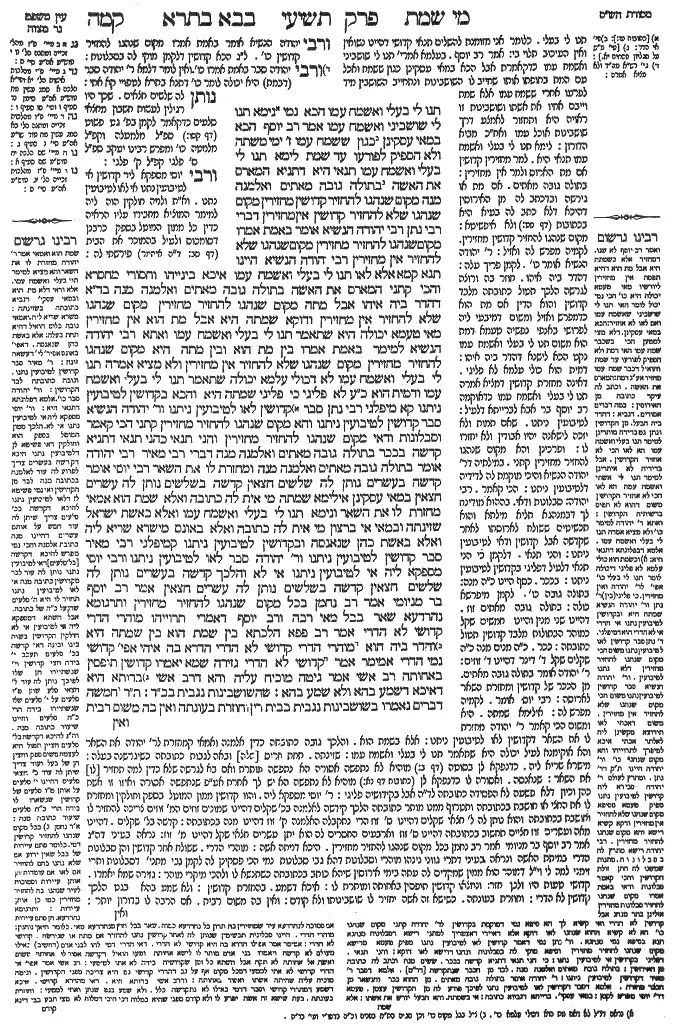
Bava Batra 145a - Guemara
תנו לי בעלי ואשמח עמו הכא נמי נימא תנו לי שושביני ואשמח עמו אמר רב יוסף הכא במאי עסקינן כגון ששמח עמו ז' ימי משתה ולא הספיק לפורעו עד שמת לימא תנו לי בעלי ואשמח עמו תנאי היא דתניא המארס את האשה בתולה גובה מאתים ואלמנה מנה מקום שנהגו להחזיר קדושין מחזירין מקום שנהגו שלא להחזיר קדושין אין מחזירין דברי רבי נתן רבי יהודה הנשיא אומר באמת אמרו מקום שנהגו להחזיר מחזירין מקום שנהגו שלא להחזיר אין מחזירין רבי יהודה הנשיא היינו תנא קמא אלא לאו תנו לי בעלי ואשמח עמו איכא בינייהו וחסורי מחסרא והכי קתני המארס את האשה בתולה גובה מאתים ואלמנה מנה בד"א דהדר ביה איהו אבל מתה מקום שנהגו להחזיר מחזירין מקום שנהגו שלא להחזיר אין מחזירין ודוקא שמתה היא אבל מת הוא אין מחזירין מאי טעמא יכולה היא שתאמר תנו לי בעלי ואשמח עמו ואתא רבי יהודה הנשיא למימר באמת אמרו בין מת הוא ובין מתה היא מקום שנהגו להחזיר מחזירין מקום שנהגו שלא להחזיר אין מחזירין ולא מציא אמרה תנו לי בעלי ואשמח עמו לא דכולי עלמא יכולה שתאמר תנו לי בעלי ואשמח עמו ודמית הוא כ"ע לא פליגי כי פליגי שמתה היא והכא בקדושין לטיבועין ניתנו קא מיפלגי רבי נתן סבר קדושין לאו לטיבועין ניתנו ור' יהודה הנשיא סבר קדושין לטיבועין ניתנו והא מקום שנהגו להחזיר מחזירין קתני הכי קאמר וסבלונות ודאי מקום שנהגו להחזיר מחזירין והני תנאי כהני תנאי דתניא קדשה בככר בתולה גובה מאתים ואלמנה מנה דברי רבי מאיר רבי יהודה אומר בתולה גובה מאתים ואלמנה מנה ומחזרת לו את השאר רבי יוסי אומר קדשה בעשרים נותן לה שלשים חצאין קדשה בשלשים נותן לה עשרים חצאין במאי עסקינן אילימא שמתה מי אית לה כתובה ואלא שמת הוא אמאי מחזרת לו את השאר ונימא תנו לי בעלי ואשמח עמו ואלא באשת ישראל שזינתה ובמאי אי ברצון מי אית לה כתובה ואלא באונס מישרא שריא ליה ואלא באשת כהן שנאנסה ובקדושין לטיבועין ניתנו קמיפלגי רבי מאיר סבר קדושין לטיבועין ניתנו ור' יהודה סבר לאו לטיבועין ניתנו ורבי יוסי מספקא ליה אי לטיבועין ניתנו אי לא והלכך קדשה בעשרים נותן לה שלשים חצאין קדשה בשלשים נותן לה עשרים חצאין אמר רב יוסף בר מניומי אמר רב נחמן בכל מקום שנהגו להחזיר מחזירין ותרגומא נהרדעא שאר בבל מאי רבה ורב יוסף דאמרי תרוייהו מוהרי הדרי קדושי לא הדרי אמר רב פפא הלכתא בין שמת הוא בין שמתה היא והדר ביה הוא מוהרי הדרי קדושי לא הדרי הדרא בה איהי אפי' קדושי נמי הדרי אמימר אמר קדושי לא הדרי גזירה שמא יאמרו קדושין תופסין באחותה רב אשי אמר גיטה מוכיח עליה והא דרב אשי בדותא היא דאיכא דשמע בהא ולא שמע בהא:
שהשושבינות נגבית בב"ד:
ת"ר חמשה דברים נאמרו בשושבינות נגבית בבית דין וחוזרת בעונתה ואין בה משום רבית
Comments from Rashbam - Bava Batra 145a
תנו לי בעלי . כלומר אני מזומנת להשלים תנאי קדושי דהיינו נשואין ואין העיכוב תלוי בי: אמר רב יוסף . בעלמא אמרי' תנו לי שושביני ואשמח עמו כדקאמרת אבל הכא במאי עסקינן כגון ששמח ואכל עם המת בחופתו אותו שחייב לו השושבינות ונתחייב השושבין מיד לפרעו אחרי ששמח עמו אלא שמת וייבם אחיו את אשתו ושושבינות זו ראויה היא ותחזור לאמצע דרך שושבינות אוכל עמו ואח"כ מביא הדורון: לימא תנו לי בעלי ואשמח עמו תנאי היא . למר מחזירין קדושין אם מת הארוס ולמר אין מחזירין: בתולה גובה מאתים . אם מת או גירשה ובדכתב לה מן האירוסין דהיכא דלא כתב לה בעיא היא בכתובות (דף פט:) ולא איפשיטא: מקום שנהגו להחזיר קדושין מחזירין . לקמיה מפרש לה ואזיל: ר' יהודה הנשיא אומר כו' . לקמן פריך עלה: דהדר ביה איהו . חוזר בה ורוצה לגרשה הלכך תטול כתובתה מלבד קדושין והוא הדין אם מת הוא כדמפרש ואזיל ומשום דמיבעי ליה לפרושי באנפי נפשיה טעמא דמת הוא משום תנו לי בעלי ואשמח עמו נקט הכא לישנא דהדר ביה איהו: דמית הוא כולי עלמא לא פליגי . דאינה מחזרת קדושין דמציא אמרה תנו לי בעלי ואשמח עמו כדאוקמה רב יוסף בר אבא לברייתא דלעיל: לטיבועין ניתנו . שאם תמות ולא יזכה לישאנה יהיו אבודין ולא יחזרו לו: ופרכינן והא מקום שנהגו להחזיר מחזירין קתני . במילתיה דר' הודה הנשיא והיכי מוקמת לה לדידיה דלטיבועין ניתנו: הכי קאמר . רבי יהודה: סבלונות ודאי . בההוא מודינא לך דבמנהגא תליא מילתא והוא תכשיטים ששולח לארוסתו לאחר שקדשה אבל קדושין ודאי לטיבועין ניתנו: והני תנאי . דלקמן כי הני תנאי דלעיל דפליגי בקדושין לטיבועין ניתנו: בככר . כסף היינו כ"ה מנה: בתולה גובה כו' . לקמן מיפרשא כולה: בתולה גובה מאתים זוז . דהיינו שני מנין והיינו חמשים שקל כמוהר הבתולות מלבד קדושין תטול כתובתה: ככר . כ"ה מנים מנה כ"ה שקלים שקל ד' דינר דהיינו ד' זוזים: ר' יהודה אומר בתולה גובה מאתים . מן הככר של קדושין ומחזרת השאר לארוסה: רבי יוסי אומר . לקמיה מפרש לה: אילימא שמתה . היא ומשום הכי קאמר ר' יהודה מחזרת לו את השאר דקדושין לאו לטיבועין ניתנו: אלא בשמת הוא . והלכך גובה כתובתה כדין אלמנה ואמאי קמחזרת לר' יהודה את השאר והא אוקימנא לעיל יכולה היא שתאמר תנו לי בעלי ואשמח עמו: שזינתה . תחת ארוס [שלה] ובאה לגבות כתובתה כשיגרשנה בעלה: מישרא שריא ליה . כדנפקא לן בסוטה (דף ב:) מוהיא לא נתפשה אסורה הא נתפשה מותרת ואם בא לגרשה שלא כדין למה תחזיר [לו] את השאר: שנאנסה . ואסורה לו כדנפקא לן (כתובות דף נא:) מוהיא לא נתפשה הא יש לך אחרת אע"פ שנתפשה אסורה ואיזו זו אשת כהן וכיון דלא פשעה לא הפסידה כתובתה לד"ה אבל בקידושיה פליגי: ר' יוסי מספקא ליה . והוו קדושין ממון המוטל בספק וחולקין ומחזרת לו את החצי או חושבת בכתובתה ותטרוף ממנו מותר כתובתה הלכך קידשה לאלמנה בכ' שקלים דהיינו שמונים זוזים המ' זוזים צריכה להחזיר לו וחושבת בכתובתה והוא נותן לה ל' חצאי שקלים דהיינו ס' זוז הרי נתקבלה האלמנה ק' זוז דהיינו מנה בכתובתה: קדשה בל' שקלים . דהיינו מאה ועשרים זוז חציים תחשוב בכתובתה דהיינו ס' זוז וארבעים החסרים לה הוא יתן עשרים חצאי שקל דהיינו מ' זוז: נראה בעיני דה"ג אמר רב יוסף בר מניומי אמר רב נחמן בכל מקום שנהגו להחזיר מחזירין. היכא דמתה אשה: מוהרי הדרי . ששולח אחר קדושין והן סבלונות הדרי במיתת האשה ונראה בעיני דתרי גווני נינהו מוהרי וסבלונות דהא גבי סבלונות נמי הכי פסקינן לה לקמן גבי מתני' דסבלונות ותרי זימני למה לי וי"ל דמוהר הוא ממון שמקדים לה עתה בימי אירוסין שיהא כותב בכתובתה כשתנשא לו ולהכי מיקרי מוהר: גזירה שמא יאמרו . קדושי טעות היו ולכך חזרו ונמצאו קדושין תופסין באחותה ומותרת לו: איכא דשמע . בהחזרת קדושין: ולא שמע בהא . בגט הלכך קדושין לא הדרי: וחוזרת בעונתה . כשישא זה אשה יחזיר לו שושבינותו ולא קודם: ואין בה משום רבית . אם הרבה לו בדורון יותר:
Comments from Tosafot - Bava Batra 145a
ורבי יהודה הנשיא אומר באמת אמרו מקום שנהגו להחזיר קדושין כו'. ל"ג הכא קדושין דלקמן מוקי לה בסבלונות: ורבי יהודה סבר באמת אמרו כו'. ואין לומר דלמא ר' יהודה סבר (דבמת) היא יכולה לומר כו' דתנא בתרא לטפויי קא אתי: נותן לה שלשים חצאים. שכך היו רגילין לעשות חשבון מחצאי סלעים כדקאמר לקמן בפ' גט פשוט (בבא בתרא דף קסו:) ספ"ל מלמעלה וקפ"ל מלמטה כו' ומפרש רבינו יעקב ספ"ל ס' פלגי קפ"ל ק' פלגי: ורבי יוסי מספקא ליה קדושין אי לטיבועין נתנו אי לאו לטיבועין נתנו. וא"ת ולמה חולקין הוה ליה למימר המוציא מחבירו עליו הראיה כדין כל ממון המוטל בספק כרבנן דסומכוס ולעיל בהמוכר את הבית (בבא בתרא דף סב: ד"ה איתמר) פירשתי לה:
Bava Batra 145a - Mishnah translated into english
Give me my husband and I will rejoice with him, i.e., it is not my fault that we are not getting married, she is not required to return the betrothal money. Here too, let him say: Give me my groomsman and I will rejoice with him.
Rav Yosef said: With what are we dealing here? Shmuel’s statement is referring to a case where the original recipient, in reciprocation, rejoiced with the brother who brought the gifts of groomsmen during the seven days of the wedding feast, but did not suffice to repay him before the brother died. Since it was the usual practice to send the gifts of groomsmen after the groomsman rejoiced with the betrothed man for seven days, he is obligated to reciprocate the gifts of groomsmen, and the yavam cannot claim them for himself.
The Gemara suggests: Shall we say that Shmuel’s statement that a betrothed woman can claim: Give me my husband and I will rejoice with him, is a dispute between tanna’im? As it is taught in a baraita: With regard to one who betrothed a woman and then he divorces her or dies, if she is a virgin, she collects two hundred dinars in payment of her marriage contract. And if she is a widow, she collects one hundred dinars. In a place where people were accustomed to return the betrothal money when the betrothed man or woman died, they return it. In a place where people were accustomed not to return the betrothal money, they do not return it. This is the statement of Rabbi Natan. Rabbi Yehuda HaNasi says: Actually they said: In a place where people were accustomed to return it, they return it; in a place where people were accustomed not to return it, they do not return it.
The Gemara clarifies: The opinion of Rabbi Yehuda HaNasi is identical to the opinion of the first tanna, i.e., Rabbi Natan. Rather, is it not that the difference between them concerns the validity of the claim: Give me my husband and I will rejoice with him?
And the statement in the baraita is incomplete and this is what it is teaching: With regard to one who betrothed a woman and then the betrothal is terminated, if she is a virgin, she collects two hundred dinars in payment of her marriage contract, and if she is a widow, she collects one hundred dinars. In what case is this statement said? It is said where he retracted, i.e., he died or divorced her. But with regard to where she died, the halakha is as follows: In a place where people were accustomed to return the betrothal money, they return it; in a place where people were accustomed not to return the betrothal money, they do not return it. And this applies specifically to where she died; but if he died, they do not return it. What is the reason for this? It is because she can say: Give me my husband and I will rejoice with him. This is the statement of Rabbi Natan.
And Rabbi Yehuda HaNasi came to say: Actually they said: Whether he died or whether she died, in a place where people were accustomed to return it, they return it; in a place where people were accustomed not to return it, they do not return it, and she cannot say: Give me my husband and I will rejoice with him.
The Gemara rejects this explanation: No, everyone agrees that she can say: Give me my husband and I will rejoice with him, and in a case where he died, everyone agrees that she does not have to return the betrothal money. They disagree in a case where she died, and here it is with regard to the question of whether betrothal money is given as a sunk cost, i.e., that it is not returned even if the betrothal is not consummated, that they disagree. Rabbi Natan holds that betrothal money is not given as a sunk cost, and in a place where people were accustomed to return it, they return it. And Rabbi Yehuda HaNasi holds that betrothal money is given as a sunk cost.
The Gemara asks: But doesn’t the baraita teach that according to Rabbi Yehuda HaNasi, in a place where people were accustomed to return it, they return it? This indicates that Rabbi Yehuda HaNasi does not hold that the betrothal money was given as a sunk cost. The Gemara replies: This is not referring to the betrothal money, which is not returned in any event. This is what the baraita is saying: But with regard to presents, which the betrothed man sent his betrothed following the betrothal, certainly in a place where people were accustomed to return them, they return them.
The Gemara notes: The dispute between these tanna’im, in the following baraita, is like the dispute between those tanna’im just mentioned, as it is taught in a baraita: In a case where the man betrothed a woman with a talent of silver, equivalent to six thousand dinars, if she was a virgin she collects in payment of her marriage contract two hundred dinars over and above this amount, and if she was a widow she collects one hundred dinars over and above this amount. This is the statement of Rabbi Meir. Rabbi Yehuda says: A virgin collects two hundred dinars and a widow one hundred dinars, and she returns the rest of the betrothal money to him. Rabbi Yosei says: If he betrothed her with twenty, he gives her thirty halves; if he betrothed her with thirty, he gives her twenty halves, as the Gemara will explain.
The Gemara clarifies the baraita: With what are we dealing? If we say the baraita is referring to when she died, is she entitled to receive payment of her marriage contract? Rather, perhaps the baraita is referring to where he died, in which case why does Rabbi Yehuda state that she returns the rest of the betrothal money to him? Let her say: Give me my husband and I will rejoice with him. Rather, perhaps the baraita is referring to the case of the wife, i.e., the betrothed, of an Israelite, who committed adultery, who cannot claim that she is available to marry her betrothed, as it is prohibited for her to engage in intercourse with him. The Gemara challenges: This is also difficult, as with what circumstance is the baraita dealing? If it is referring to where she committed adultery willingly, is she entitled to receive payment of her marriage contract? Rather, it is referring to a case of rape. But in that case, she is permitted to him. Why should she return the betrothal money?
Rather, the baraita is referring to the wife, i.e., the betrothed, of a priest, who was raped and is prohibited from engaging in intercourse with her betrothed. She therefore cannot claim: Give me my husband and I will rejoice with him, yet she is entitled to receive payment of her marriage contract, and the tanna’im disagree with regard to whether betrothal money is given as a sunk cost: Rabbi Meir holds that betrothal money is given as a sunk cost. Rabbi Yehuda holds that it is not given as a sunk cost. And Rabbi Yosei is uncertain if it is given as a sunk cost or not.
The Gemara explains Rabbi Yosei’s opinion: And since it is uncertain whether or not she is required to return the betrothal money, therefore, she returns only half the money: If he betrothed her with twenty sela, which are equivalent to eighty dinars, she owes him forty dinars. Yet, if she is widowed or divorced, she is entitled to one hundred dinars in payment of her marriage contract, so he or his estate gives her thirty halves of a sela, which are equivalent to sixty dinars, so that she receives one hundred dinars in all. If he betrothed her with thirty sela, which are equivalent to one hundred twenty dinars, she owes him sixty dinars. Since she is entitled to one hundred dinars in payment of her marriage contract, he gives her twenty halves of a sela, equivalent to forty dinars.
Rav Yosef bar Minyumi says that Rav Naḥman says: In every place where they were accustomed to return the betrothal money, they return it. And the interpretation of this statement is that it is referring to Neharde’a. The Gemara asks: With regard to the rest of Babylonia, what is the halakha? Rabba and Rav Yosef both say: The presents are returned and the betrothal money is not returned. Rav Pappa said: The halakha is that whether he died or whether she died or whether he retracted his agreement to the betrothal and divorced her, the presents are returned and the betrothal money is not returned. If she retracted her agreement to the betrothal and requested a divorce, even the betrothal money is returned.
Ameimar said: The betrothal money is not returned. This is a rabbinic decree, lest people say that betrothal takes effect with her sister. If the betrothal money is returned, people are likely to think that the betrothal is retroactively nullified and that the man can betroth her sister, whereas in fact the betrothal was not retroactively nullified and he cannot betroth her. Rav Ashi said: Her bill of divorce proves for her that she was betrothed, so this concern is not in effect. The Gemara comments: And this statement of Rav Ashi is a mistake, since there are those who heard about this, i.e., the return of the betrothal money, but did not hear about that, i.e., the bill of divorce.
§ The mishna teaches: If the gifts of groomsmen are reciprocated after the father’s death, they are reciprocated to the middle, because gifts of groomsmen are a legal debt owed to the father, collectible in court. The Sages taught (Tosefta 10:8): Five statements were said with regard to gifts of groomsmen: They are collectible in court; and they are reciprocated only at their relevant time, i.e., at the time of the groomsman’s own wedding; and they are not subject to the prohibition of interest, i.e., it is permitted to reciprocate with a gift of greater value than the original gift;
Traduction : The William Davidson digital edition of the Koren Noé Talmud, with commentary by Rabbi Adin Even-Israel Steinsaltz.