 Talmud Bavli
Bava Batra 144a : Youtube
Daf TubeYoutube
2 video classes :
Bava Batra Page 144a
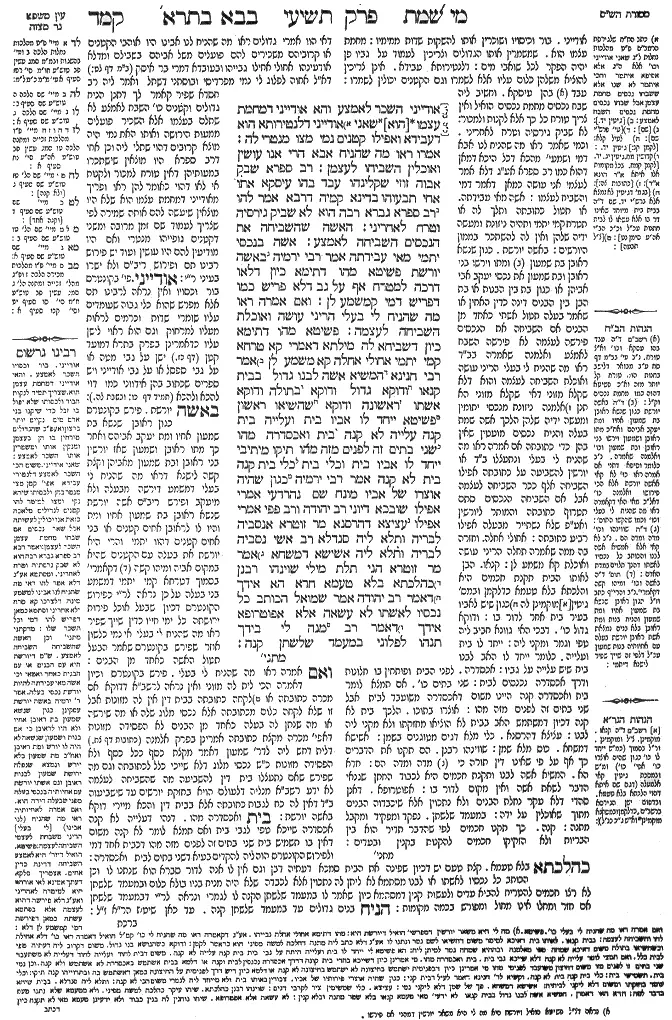
Bava Batra 144a - Guemara
אודייני השכר לאמצע והא אודייני דמחמת עצמו [הוא] שאני אודייני דלנטירותא הוא דעבידא ואפילו קטנים נמי מצו מנטרי לה:
אמרו ראו מה שהניח אבא הרי אנו עושין ואוכלין השביחו לעצמן:
רב ספרא שבק אבוה זוזי שקלינהו עבד בהו עיסקא אתו אחי תבעוהו בדינא קמיה דרבא אמר להו רב ספרא גברא רבה הוא לא שביק גירסיה וטרח לאחריני:
האשה שהשביחה את הנכסים השביחה לאמצע:
אשה בנכסי יתמי מאי עבידתה אמר רבי ירמיה באשה יורשת פשיטא מהו דתימא כיון דלאו דרכה למטרח אף על גב דלא פריש כמו דפריש דמי קמשמע לן:
ואם אמרה ראו מה שהניח לי בעלי הריני עושה ואוכלת השביחה לעצמה:
פשיטא מהו דתימא כיון דשביחא לה מילתא דאמרי קא טרחא קמי יתמי אחולי אחלה קא משמע לן אמר רבי חנינא המשיא אשה לבנו גדול בבית קנאו ודוקא גדול ודוקא בתולה ודוקא אשתו ראשונה ודוקא שהשיאו ראשון פשיטא ייחד לו אביו בית ועלייה בית קנה עלייה לא קנה בית ואכסדרה מהו שני בתים זה לפנים מזה מהו תיקו מיתיבי ייחד לו אביו בית וכלי בית כלי בית קנה בית לא קנה אמר רבי ירמיה כגון שהיה אוצרו של אביו מונח שם נהרדעי אמרי אפילו שובכא דיוני רב יהודה ורב פפי אמרי אפילו עציצא דהרסנא מר זוטרא אנסביה לבריה ותלא ליה סנדלא רב אשי נסביה לבריה ותלא ליה אשישא דמשחא אמר מר זוטרא הני תלת מילי שוינהו רבנן כהלכתא בלא טעמא חדא הא אידך דאמר רב יהודה אמר שמואל הכותב כל נכסיו לאשתו לא עשאה אלא אפוטרופא אידך דאמר רב מנה לי בידך תנהו לפלוני במעמד שלשתן קנה:
Comments from Rashbam - Bava Batra 144a
אודייני . בור וכיסויו ושוכרין אותו להשקות שדות ממימיו: מחמת עצמו הוא . שמשמרין אותו הגדולים וצריכין לעמוד על גביו פן יהיה הפקר לכל שואבי מים: דלנטירותא עבידא . אינן צריכין להוציא משלהן כלום עליו אלא לשמרו וגם הקטנים יכולין לשמרו: עבד בהן עיסקא . וחשיב ליה שבח נכסים מחמת נכסים הואיל ואין צריך טורח כל כך אלא לקנות ולמכור: לא שביק גירסיה וטרח לאחריני . וכמי שאמר ראו מה שהניח לנו אבא דמי ושמעי' מהכא דכל היכא דמאן דהוא כמו רב ספרא אע"ג דלא אמר לעצמי אני עושה כמאן דאמר דמי והשביח לעצמו: אשה מאי עבידתה . או תטול כתובתה ותלך לה או תטרח קמי יתמי ותהיה ניזונת ומעשה ידיה שלהן ואין לה להשתכר בממון היורשים: באשה יורשת . כגון שנשא ראובן בת שמעון ומתו וירשו בני ראובן ובת שמעון את נכסי יעקב אבי אביהן או כגון בת בין הבנות או בת הבן בין הבנים דינה כדין האחין או שאמר בעלה תטול אשתי כאחד מן הבנים אם השביחה את הנכסים פירשה לעצמה לא פירשה השבח לאמצע ואלמנה שאמרה בב"ד ראו מה שהניח לי בעלי הריני עושה ואוכלת השביחה לעצמה והוא דלא שקלא מזוני דאי שקלא מזוני הא תנן אלמנה ניזונת מנכסי יתומין ומעשה ידיה שלהן הלכך אשה שמת בעלה והניח נכסים מועטין שאין בהן כדי כתובתה אם אמרה ראו מה שהניח לי בעלי ונתעצלו ב"ד או יורשין להשביעה על כתובתה אפילו השביחה אלף ככר השביחה לעצמה אבל אם השביחה הנכסים סתם תטרוף כתובתה והמותר ליורשין ואע"פ שלא נשתייר מבעלה אפילו רביע כתובתה: אחולי אחלה . וחזרה בה ממה שאמרה תחלה הריני עושה ואוכלת קא משמע לן: קנאו . הבן לאותו הבית תקנת חכמים היא והלכתא בלא טעמא כדלקמן ובמס' גיטין מוקמינן לה כגון שיש לאביו בעיר בית אחר לדור בו: ודוקא גדול כו' . דבכי האי גוונא חביב ליה טפי וגמר ומקני ליה: ייחד לו בית ועלייה . כלומר ייחד לו האב לבנו בית שיש עלייה על גביו: אכסדרה . לפני הבית ופותחין בו חלונות ודרך אכסדרה נכנסים לבית: שני בתים כו' . אם תמצא לומר בית ואכסדרה קנה היינו משום דאכסדרה משועבד לבית אבל שני בתים זה לפנים מזה מהו: אוצרו בתוכו . הלכך בית לא קנה דכיון דמשתמש האב בבית לא הוציאו מחזקתו ולא מקני ליה לבנו: עציצא דהרסנא . כלי מלא דגים מטוגנים בשמן: אשישא דמשחא . כוס מלא שמן: שווינהו רבנן . הם תקנו את הדברים כך אף על פי שאינו דין תורה כי מדה ומדה הם: חדא הא . המשיא אשה לבנו ותקנת חכמים היא לכבוד החתן שגנאי הדבר לשאת אשה ואין מקום לדור בו: אפוטרופא . דאנן סהדי דלא עקר נחלת הבנים ולא נתכוין אלא שיכבדוה הבנים מתוך שאוכלין על ידה: במעמד שלשתן . נפקד ומפקיד ומקבל מתנה: קנה . כך תקנו חכמים לפי שהדבר תדיר הוא בין הבריות ולא הזקיקו חכמים להקנות בקנין ובעדים:
Comments from Tosafot - Bava Batra 144a
אודייני. פי' בקונטרס בור וכסויו ואין נראה לרבינו תם אלא מפרש שהוא כלי גבוה שעומדים עליו שומרי שדות וכרמים לראות מעליו למרחוק וגם הוא ראוי לישן עליו כדאמרינן בפרק בתרא דמועד קטן (דף כז.) ישן על גבי מטה או על גבי ספסל או על גבי אודייני ויש ספרים שכתוב בהן אידווני כמו דוי להכא ולהכא (תמיד דף כו: ובשבת לה.): באשה יורשת. פירש בקונטרס כגון ראובן שנשא בת שמעון אחיו ומת יעקב אביהם ואחר כך מתו ראובן ושמעון שאז יורשין בני ראובן ובת שמעון מאביהן וקצת קשה לישנא דראו מה שהניח לי בעלי דמשמע דירשה מבעלה ולא מיעקב ופירש ריב"ם אשה יורשת שנשא ראובן בת שמעון אחיו ומת והיו לו לראובן אחים קטנים או בני אחים קטנים דהוו יתמי והרי היא יורשת את בעלה עם הקטנים שהיא במקום אביה ומיהו קשה דקאמרי' בסמוך דטרחא קמי יתמי דמשמע בני בעלה על כן נראה לר"י כפירוש הקונטרס דכיון שבעל אוכל פירות ירושתה כל ימי חייו כדין שייך שפיר ראו מה שהניח לי בעלי אי נמי כלשון אחר שפירש בקונטרס שאמר הבעל תטול האשה כאחד מן הבנים: ואם אמרה ראו מה שהניח לי בעלי. פירש בקונטרס וכיון דאמרה הכי לית לה מזוני ואין נראה לרשב"א דדוקא אם מכרה כתובתה או לקחה כתובתה בבית דין אין לה מזונות אבל זו שלא לקחה כלום מכתובתה אלא נכסי מלוג שלה או מה שירשה או מה שנתן לה בעלה כאחד מן הבנים לא הפסידה מזונות דאפי' מכרה מקצת כתובתה אמרינן בפרק אלמנה (כתובות דף צח.) דלית דחש ליה לדר' שמעון דאמר מקצת כסף ככל כסף ולא הפסידה מזונות כ"ש נכסי מלוג דלא שייכי כלל לכתובתה וגם מה שפירש שאם נתעצלו בית דין להשביעה מה שהשביחה לעצמה לא ידע רשב"א מנליה דלעולם הויא בחזקת יורשים עד שישביעוה ב"ד דאין לה כח לגבות כתובתה אלא בבית דין והכא מיירי דוקא באשה יורשת: בית ואכסדרה מהו. דנהי דעלייה לא קנה אכסדרה שייכא טפי לגבי בית ואם תמצא לומר לא קנה משום דאין בו תשמיש בית שני בתים זה לפנים מזה מהו דכבית אחד דמי ולפירוש הקונטרס הוה ליה להקדים בעיא דשני בתים לבית ואכסדרה: כהלכתא בלא טעמא. קצת טעם יש דכיון שפינה את הבית סמכא דעתיה דבן וגם אין לו אנה לדור סברא הוא שנתנו לו וכן הכותב כל נכסיו לאשתו או לבנו מסתמא לא ליתן לה נתכוין אלא לכבדה שלא היה מניח בניו בולא כלום ובמעמד שלשתן לא רצו חכמים להטריח להביא עדים ולעשות קנין דמסתמא כיון שאמר לו במעמד שלשתן הקנה לו לגמרי ונראה לר"י דבמעמד שלשתן אם חזר ומחלו אינו מחול ומפורש בכמה מקומות: הניח בנים גדולים עד במעמד שלשתן קנה. עד כאן שיטת הר"א ז"ל:
Bava Batra 144a - Mishnah translated into english
a mortar [udaini], which people pay to use, the rent goes to the middle? But isn’t the profit accruing from a mortar considered profit accruing on his, i.e., the adult son’s, own account, as the adult son must supervise its operation, and there is no outlay from the property? The Gemara dismisses this objection: A mortar is different, as for its typical use it can suffice with supervision, and even minors are able to supervise its use. Since the adults do not contribute anything more than the minors, they cannot demand a greater share of the profits.
§ The mishna teaches: If the adult sons said from the outset: See that which our father left behind; we are going to engage in business with our share of the property and profit from it, then they enhanced the property for themselves. The Gemara relates: Rav Safra’s father left him dinars. Rav Safra took them and entered into a business venture with them. His brothers came and charged him in a court of law before Rava, claiming their share of the profits. Rava said to them: Rav Safra is a great man; he does not abandon his studies and toil for others. It is therefore clear that if he invested the money, it was for his own profit, even if he did not explicitly declare so at the outset.
§ The mishna teaches: With regard to a wife who enhanced the property of her deceased husband, she enhanced it so that the profit goes to the middle. The Gemara asks: What is the deceased’s wife doing with the orphans’ property? What rights does she have to the property? Rav Yirmeya said: The mishna is referring to a wife who is an heiress, e.g., if she were the daughter of her husband’s brother, and both brothers died without leaving sons, in which case she inherits in her father’s stead.
The Gemara asks: Isn’t it obvious that the halakha in this case is the same as with regard to any other heir? The Gemara replies: It is necessary to state this, lest you say that since it is not a woman’s way to toil to enhance property, then even though she did not expressly state that she is toiling for herself, it is considered as though she had expressly stated this. The mishna teaches us that only if she expressly stated this do the profits accrue to her.
The mishna teaches: And if she said: See that which my husband left me; I am going to engage in business with my share and profit from it, then she enhanced the property for herself. The Gemara asks: Isn’t this obvious? The Gemara explains: It is necessary to state this, lest you say that since it is praiseworthy for her to enhance the property on behalf of the orphans, as people will say: See how she toils for the orphans, she relinquishes her right to the profits and they should divide them equally. The mishna teaches us that this is not the case.
Rabbi Ḥanina says: In the case of one who marries a woman to his eldest son and arranges the wedding feast in a house that he designated for the purpose of the wedding canopy and the wedding feast, the son acquires the house as a gift. The Gemara notes: And this is the halakha specifically in the case of the eldest son, and specifically if he is marrying a virgin, and specifically when this woman is his first wife, and specifically when the father married him off first among his sons. When all these conditions exist, it is presumed that the father has a particular fondness toward the son, due to which he gave him the house.
The Gemara clarifies the details of this halakha: It is obvious that if his father designated a house for the son’s nuptials and there is an upper story above the house, the son acquired the house, but he did not acquire the upper story. If he designated a house for the son, and there is a portico [ve’akhsadra] in front of the house, what is the halakha? If there were two houses, one within the other, and the inner one was designated for the son’s nuptials, what is the halakha? The Gemara concludes: These questions shall stand unresolved.
The Gemara raises an objection from a baraita: If his father designated a house and furniture for his son’s nuptials, the son acquired the furniture, but he did not acquire the house. Rabbi Yirmeya says: This is referring to a case where his father’s storeroom was placed there. It is clear that just as his father did not intend to give him the storeroom, neither did he intend to give him the house. The Sages of Neharde’a say: Even if there is only a dovecote in the house that belongs to the father, the son does not acquire the house. Rav Yehuda and Rav Pappi say: Even if there is only a pot [atzitza] of small fried fish, the son does not acquire the house. Mar Zutra married off his son, and hung a sandal in the house, to indicate that he did not intend to give the house as a gift. Rav Ashi married off his son, and hung a jug [ashisha] of oil in the house.
Mar Zutra says: These three matters were instituted by the Sages as a halakha without any explanation of their process, i.e., they instituted these enactments despite the fact that the mechanism by which they function is unclear: One is this halakha with regard to the son acquiring the house designated for his nuptials. Another is that which Rav Yehuda says that Shmuel says: One who writes a deed granting all of his property to his wife renders her only a steward of his property, i.e., he intends only to put her in charge of the property and she does not acquire it. Another is that which Rav says: With regard to one who says to another: I have one hundred dinars in your possession; give it to so-and-so, if this occurred in the presence of all three parties, that third person acquires it, without need of witnesses or a formal act of acquisition.
Traduction : The William Davidson digital edition of the Koren Noé Talmud, with commentary by Rabbi Adin Even-Israel Steinsaltz.