 Talmud Bavli
Bava Batra 153a : Youtube
Daf TubeYoutube
2 video classes :
Bava Batra Page 153a
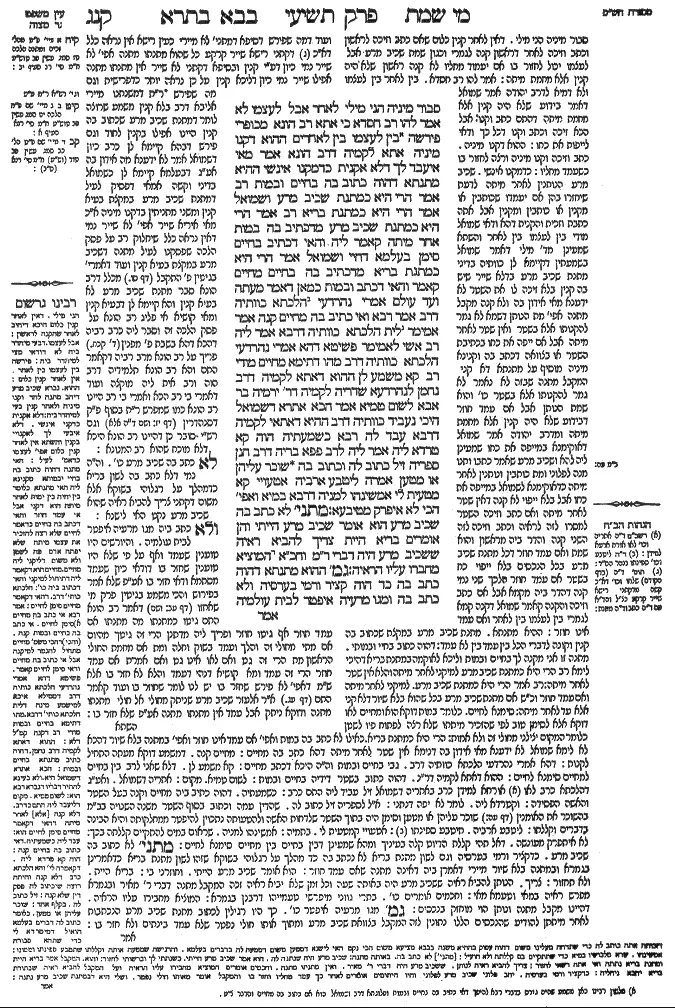
Bava Batra 153a - Guemara
סבור מיניה הני מילי לאחר אבל לעצמו לא אמר להו רב חסדא כי אתא רב הונא מכופרי פירשה בין לעצמו בין לאחרים ההוא דקנו מיניה אתא לקמיה דרב הונא אמר מאי איעבד לך דלא אקנית כדמקנו אינשי ההיא מתנתא דהוה כתוב בה בחיים ובמות רב אמר הרי היא כמתנת שכיב מרע ושמואל אמר הרי היא כמתנת בריא רב אמר הרי היא כמתנת שכיב מרע מדכתיב בה במות אחר מיתה קאמר ליה והאי דכתיב בחיים סימן בעלמא דחיי ושמואל אמר הרי היא כמתנת בריא מדכתיב בה בחיים מחיים קאמר והאי דכתב ובמות כמאן דאמר מעתה ועד עולם אמרי נהרדעי הלכתא כוותיה דרב אמר רבא ואי כתיב בה מחיים קנה אמר אמימר לית הלכתא כוותיה דרבא אמר ליה רב אשי לאמימר פשיטא דהא אמרי נהרדעי הלכתא כוותיה דרב מהו דתימא מחיים מודי רב קא משמע לן ההוא דאתא לקמיה דרב נחמן לנהרדעא שדריה לקמיה דר' ירמיה בר אבא לשום טמיא אמר הכא אתרא דשמואל היכי נעביד כוותיה דרב ההיא דאתאי לקמיה דרבא עבד לה רבא כשמעתיה הוה קא טרדא ליה אמר ליה לרב פפא בריה דרב חנן ספריה זיל כתוב לה וכתוב בה שוכר עליהן או מטען אמרה ליטבע ארביה אטעויי קא מטעית לי אמשינהו למניה דרבא במיא ואפי' הכי לא איפרק מטיבעא:
מתני׳ לא כתב בה שכיב מרע הוא אומר שכיב מרע הייתי והן אומרים בריא היית צריך להביא ראיה ששכיב מרע היה דברי ר"מ וחכ"א המוציא מחברו עליו הראיה:
גמ׳ ההוא מתנתא דהוה כתב בה כד הוה קציר ורמי בערסיה ולא כתב בה ומגו מרעיה איפטר לבית עולמיה
Comments from Rashbam - Bava Batra 153a
סבור מיניה הני מילי . דאין לאחר קנין כלום שאם כתב וזיכה לראשון וכתב וזיכה לאחר דראשון קנה לגמרי וכגון שמת שכיב מרע אבל לעצמו יכול לחזור בו אם יעמוד מחליו לא קנה ראשון שלא היה קנין אלא מחמת מיתה: אמר להו רב חסדא . בין לאחר בין לעצמו ולא דמיא לדרב יהודה אמר שמואל דאמר בידוע שלא היה קנין אלא מחמת מיתה דהתם כתב וקנו אבל הכא זיכה וכתב וקנו דכל כך ודאי לייפות את כחו: ההוא דקנו מיניה . כתב וזיכה וקנו מיניה ורצה לחזור בו כשעמד מחליו: כדמקנו אינשי . שכיב מרע הנותנין לאחר מיתה לדעת שיחזרו בהן אם יעמדו שכותבין או מקנין או כותבין ומקנין אבל אתה כתבת וזכית והקנית דהא ודאי שמואל מודי בין לעצמו בין לאחר והשתא שמעינן מד' מילי דאמר שמואל בשמעתין דקיימא לן כוותיה בדיני מתנת שכיב מרע בדלא שייר שיש בה קנין בלא זיכה לו את השטר לא ידענא מאי אידון בה ולא קנה מקבל מתנה אפי' מת הנותן דשמא לא גמר להקנותו אלא בשטר ואין שטר לאחר מיתה אבל אם ייפה את כחו בכתיבת השטר או בצוואה דכתב בה וקנינא מיניה מוסיף על מתנתא דא קני המקבל מתנה שבזה לא נאמר לא גמר להקנותו אלא בשטר כו' והוא שמת הנותן אבל אם עמד חוזר דבידוע שלא היה קנין אלא מחמת מיתה ומדרב יהודה אמר שמואל דאוקימנא במייפה את כחו שמעינן ליה להא ושכיב מרע שאמר כתבו ותנו מנה לפלוני ומת כותבין ונותנין לאחר מיתה כדאוקימנא לשמואל במייפה את כחו אבל בלא ייפוי לא קנה דאין שטר לאחר מיתה ואם כתב וזיכה השטר למסרו לזה לראיה וכתב וזיכה לזה השני קנה והדר ביה מראשון והוא שמת ואם עמד חוזר דכל מתנת שכיב מרע בכל הנכסים בלא ייפוי כח בשטר אם עמד חוזר הלכך שני נמי קנה דהדר ביה מקמא אבל אם כתב וזיכה והקנה קאמר שמואל דקנה קמא לגמרי בין לעצמו בין לאחר ואם עמד אינו חוזר: ההיא מתנתא . מתנת שכיב מרע במקצת שכתוב בה קנין וקונה לדברי הכל בין עמד בין לא עמד: דהוה כתוב בחיי ובמותי . מתנה זו אני מקנה לך בחיים ובמות וליכא לאוקמה במתנת בריא דהיכי לימא רב הרי היא כמתנת שכיב מרע למיקני לאחר מיתה והלא אין שטר לאחר מיתה: רב אמר הרי היא כמתנת שכיב מרע . למיקני לאחר מיתה ואם עמד חוזר וכ"ש אם מתנת שכיב מרע בכל שהוא בלא שיור דלא קני אלא עד לאחר מיתה: סימנא לחיים . כלומר במות דוקא הוא ומחיים לאו דוקא אלא לסימן טוב לפי שהזכיר מיתתו שלא רצה לפתוח פיו לשטן כלומר המקום יצילני מחולי זה ולא אמות: הרי היא כמתנת בריא . כאילו לא כתב בה במות ואפי' אם עמד אינו חוזר ואפי' במתנה בלא שיור דהכא לא לימא שמואל לא ידענא מאי אידון בה דנימא אין שטר לאחר מיתה דהא כתב בה מחיים: מחיים קנה . דמשמע דוקא מעתה התחיל לקנות: דהא אמרי נהרדעי הלכתא כוותיה דרב . גבי בחיים ובמות וה"ה היכא דכתב מחיים: קא משמע לן . דלא שאני לרב בין בחיים למחיים סימנא לחיים: ההוא דאתא לקמיה דר"נ . דהוה כתוב בשטר דידיה בחיים ובמות: לשום טמיא . מקום: אתריה דשמואל . ואע"ג דהלכתא כרב לאו אורחא למידן כרב באתריה דשמואל זיל עביד ליה התם כרב: כשמעתיה . דהוה כתיב ביה מחיים וקנה בעל השטר והאשה הפסידה: וקטרדא ליה . לומר לא יפה דנתני: א"ל לספריה זיל כתוב לה . שהדין עמה וכתוב בסוף השטר משנה השנויה בב"מ בהשוכר את האומנין (דף עה:) שוכר עליהן או מטען וסימן היה בתוך השטר שלדחות האשה ולהטעותה נתכוין להיפטר ממחלקותה והיא הבינה בדברים וקללתו: ליטבע ארביה . תיטבע ספינתו: אטעויי קמטעית ליה . בתמיה: אמשינהו למניה . שראום במים להתקיים קללתה בכך: לא איתפרק מעונשה . דאל תהי קללת הדיוט קלה בעיניך ומהא שמעינן דבין בחיים בין מחיים סימנא לחיים: מתני' לא כתוב בה שכיב מרע . כדקציר ורמי בערסיה וגם לשון מתנת בריא לא נכתב בה כד מהלך על רגלוהי בשוקא שזהו לשון מתנת בריא כדאמרינן בגמרא ובמתנה בלא שיור מיירי דאמרן ביה דאינה מתנה שאם עמד חוזר: הוא אומר שכיב מרע הייתי . וחוזרני בי: בריא היית . ולא תחזור: צריך . הנותן להביא ראיה ששכיב מרע היה באותה שעה וכל זמן שלא יביא ראיה זכה המקבל מתנה דברי ר' מאיר ובגמרא מפרש ראיה במאי וטעמא מאי: וחכמים אומרים כו' . בתרי גווני מיפרשי טעמייהו דרבנן בגמרא: המוציא מחבירו עליו הראיה . דהיינו מקבל מתנה ונותן הוי מוחזק בנכסים: גמ' מגו מרעיה איפטר כו' . כך היו רגילין לכתוב מתנת שכיב מרע הנכתבות לאחר מיתתן להודיע שהנכסים הללו נתונין לזה המקבל בצוואת שכיב מרע ומתוך אותו חולי נפטר שלא עמד בינתים ולא חזר בו:
Comments from Tosafot - Bava Batra 153a
לא כתב בה שכיב מרע כו'. וה"ה נמי דלא כתב בה לשון בריא כדמהלך על רגלוהי בשוקא אלא משום דקתני צריך להביא ראיה שהוא שכיב מרע נקט האי לישנא: ולא כתב ביה מגו מרעיה איפטר לבית עולמיה. והיורשים היו טוענין שעמד ואף על פי שלא היו טוענין שחזר בו דודאי כיון שעמד מסתמא ודאי חזר בו אע"פ שלא אמר בפירוש והכי משמע בגיטין פרק מי שאחזו (דף עב: ושם) דאמר רב הונא התם גיטו כמתנתו מה מתנתו אם עמד חוזר אף גיטו חוזר ופריך ליה מדתנן הרי זה גיטך מהיום אם מתי מחולי זה והלך ועמד בשוק וחלה ומת אם מחמת החולי הראשון מת הרי זה גט ואם לאו אינו גט ואם אמרת אם עמד חוזר הרי זה עמד ומאי קושיא דנהי דעמד והלא לא חזר בו אלא ש"מ דאפי' לא פירש שחזר בו יש לנו לומר שחוזר בו ועוד קאמר התם (דף עג.) א"ר אלעזר שכיב מרע שניתק מחולי אל חולי מתנתו מתנה ודוקא ניתק אבל עמד אין מתנתו מתנה אע"פ שלא חזר בו:
Bava Batra 153a - Mishnah translated into english
Rav’s disciples understood from this that this statement applies only when the person on his deathbed wishes to retract his gift and transfer it to another. But if he recovers and wishes to retract the gift and retain it for himself, Shmuel’s statement does not apply. Rav Ḥisda said to them: When Rav Huna came from Kufrei, he explained that Shmuel’s statement applies both to retaining the property for himself and to transferring it to others.
The Gemara relates: There was a certain person on his deathbed who wrote a deed of transfer granting his property to another, and it was acquired from him by means of an act of acquisition. He subsequently recovered and wanted to retract the gift, and he came before Rav Huna. Rav Huna said to him: What can I do for you? You cannot retract the gift, as you did not transfer the gift in the manner that people on their deathbed transfer ownership of gifts, and you enhanced the legal power of the recipient by performing an act of acquisition.
§ The Gemara relates: There was a deed pertaining to a certain gift of a person on his deathbed, in which it was written that the gift is given both in life and in death. In such a case, Rav says: It is like the gift of a person on his deathbed, and if he recovers he can retract it. And Shmuel says: It is like the gift of a healthy person, and he cannot retract it.
The Gemara explains: Rav says: It is like the gift of a person on his deathbed. This can be inferred from the fact that it is written in the deed that the gift is given in death. This means that the giver is saying to him that the gift should take effect after his death, and that which is written in the deed, that the gift is given in life, is merely an auspicious omen, expressing hope that the giver will live.
And Shmuel says: It is like the gift of a healthy person. This can be inferred from the fact that it is written in the deed that the gift is given in life. This means that the giver is saying that the gift takes effect during his life, i.e., immediately. And that which he wrote, that the gift is given in death, is like one who says: From now and for evermore, i.e., that the gift is not retractable. The Sages of Neharde’a say: The halakha is in accordance with the opinion of Rav.
Rava said: And if it was written in the deed that the gift is given during life and in death, the recipient acquires the gift and it cannot be retracted, as this term indicates that the gift takes effect while the giver still lives.
Ameimar said: The halakha is not in accordance with the opinion of Rava. Rav Ashi said to Ameimar: Isn’t that obvious, as the Sages of Neharde’a say that the halakha is in accordance with the opinion of Rav? Ameimar replied: Lest you say that with regard to the term: During life, Rav concedes that the giver intends for the gift to take effect immediately, Ameimar teaches us that since the giver also mentioned death, he intended the gift as the gift of a person on his deathbed and he can retract it.
The Gemara relates: There was a certain person who wrote in the deed that the gift is given in life and in death. When he recovered he wanted to retract the gift. He came before Rav Naḥman in Neharde’a. Rav Naḥman sent him to appear before Rabbi Yirmeya bar Abba in Shum Tamya. Rav Naḥman said in explanation of his actions: Here, Neharde’a, is the place of Shmuel. Consequently, Shmuel’s rulings should be followed, and therefore how can we act in accordance with the opinion of Rav?
The Gemara relates: There was a certain woman who wrote in the deed that the gift is given during life and in death. She came before Rava. Rava acted with regard to her case in accordance with his halakhic ruling, and he ruled that she cannot retract the gift. She did not accept the ruling, and she constantly troubled him, saying that he had not judged her case properly.
Rava said to Rav Pappa, his scribe, son of Rav Ḥanan: Go, write for her a ruling in her favor, and write in the ruling the phrase: He may hire replacements at their expense, or deceive them to get them to return to work. This is a phrase from the mishna (Bava Metzia 75b) that discusses the ruling in the case of one who hired laborers to perform a task that cannot be delayed, and they quit. Rava intended this phrase to indicate to the court that the ruling was merely a ruse in order to persuade the woman to leave. The woman understood the ruse. She said: May his ship sink; you are deceiving me. Rava had his clothes immersed in water so that the curse should be fulfilled in this alternative manner, but even so he was not saved from the sinking of his ship.
MISHNA: If one did not write in the deed that he was on his deathbed, and he then recovered and wished to retract the gift, and he says: I was on my deathbed, and since I recovered, I can retract the gift, but the recipients say: You were healthy, and the gift cannot be retracted, the giver must bring proof that he was on his deathbed in order to retract the gift. This is the statement of Rabbi Meir. And the Rabbis say: The burden of proof rests upon the claimant, and since the property is in the possession of the giver, the recipients must bring proof that they have the right to receive it.
GEMARA: There was a deed pertaining to a certain gift of a person on his deathbed, in which it was written that the gift was bestowed when the giver was sick and lying in his bed, but the continuation of the standard formula: And from his sickness he departed to his eternal home, was not written in it. The giver’s heirs claimed that although he was ill when he wrote the deed, he later recovered, and his gift is not valid.
Traduction : The William Davidson digital edition of the Koren Noé Talmud, with commentary by Rabbi Adin Even-Israel Steinsaltz.