 Talmud Bavli
Bava Batra 116a : Youtube
Daf TubeYoutube
2 video classes :
Bava Batra Page 116a
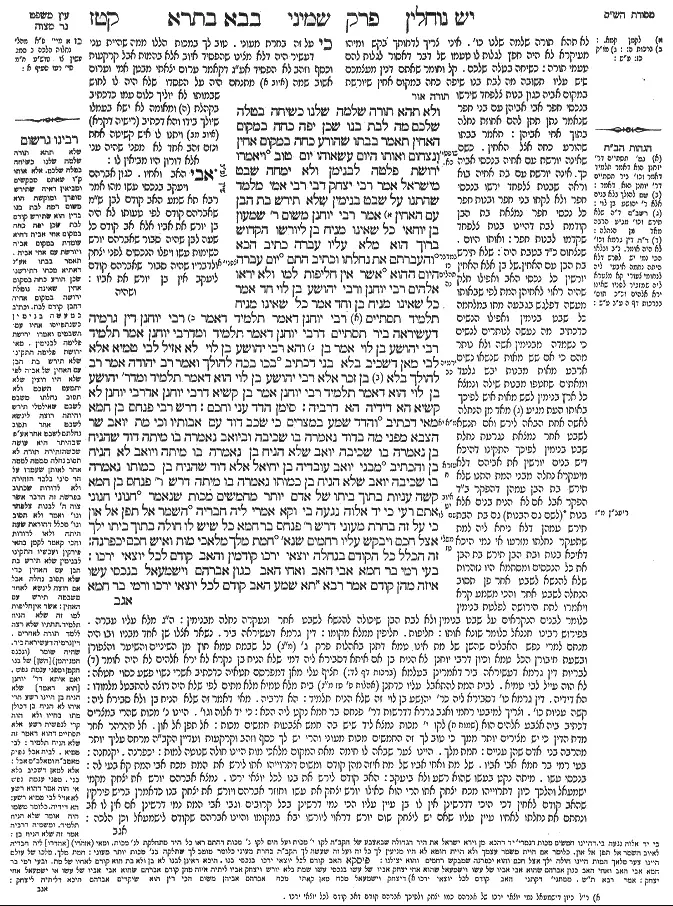
Bava Batra 116a - Guemara
ולא תהא תורה שלמה שלנו כשיחה בטלה שלכם מה לבת בנו שכן יפה כחה במקום האחין תאמר בבתו שהורע כחה במקום אחין ונצחום ואותו היום עשאוהו יום טוב (שופטים כא, יז) ויאמרו ירושת פלטה לבנימן ולא ימחה שבט מישראל אמר רבי יצחק דבי רבי אמי מלמד שהתנו על שבט בנימין שלא תירש בת הבן עם האחין אמר רבי יוחנן משום ר' שמעון בן יוחאי כל שאינו מניח בן ליורשו הקדוש ברוך הוא מלא עליו עברה כתיב הכא (במדבר כז, ח) והעברתם את נחלתו וכתיב התם (צפניה א, טו) יום עברה היום ההוא (תהלים נה, כ) אשר אין חליפות למו ולא יראו אלהים רבי יוחנן ורבי יהושע בן לוי חד אמר כל שאינו מניח בן וחד אמר כל שאינו מניח תלמיד תסתיים רבי יוחנן דאמר תלמיד דאמר רבי יוחנן דין גרמיה דעשיראה ביר תסתיים דרבי יוחנן דאמר תלמיד ומדרבי יוחנן אמר תלמיד רבי יהושע בן לוי אמר בן והא רבי יהושע בן לוי לא אזיל לבי טמיא אלא לבי מאן דשכיב בלא בני דכתיב (ירמיהו כב, י) בכו בכה להולך ואמר רב יהודה אמר רב להולך בלא בן זכר אלא רבי יהושע בן לוי הוא דאמר תלמיד ומדר' יהושע בן לוי הוא דאמר תלמיד רבי יוחנן אמר בן קשיא דרבי יוחנן אדרבי יוחנן לא קשיא הא דידיה הא דרביה:
סימן הדד עני וחכם:
דרש רבי פנחס בן חמא מאי דכתיב (מלכים א יא, כא) והדד שמע במצרים כי שכב דוד עם אבותיו וכי מת יואב שר הצבא מפני מה בדוד נאמרה בו שכיבה וביואב נאמרה בו מיתה דוד שהניח בן נאמרה בו שכיבה יואב שלא הניח בן נאמרה בו מיתה ויואב לא הניח בן והכתיב (עזרא ח, ט) מבני יואב עובדיה בן יחיאל אלא דוד שהניח בן כמותו נאמרה בו שכיבה יואב שלא הניח בן כמותו נאמרה בו מיתה דרש ר' פנחס בן חמא קשה עניות בתוך ביתו של אדם יותר מחמשים מכות שנאמר (איוב יט, כא) חנוני חנוני אתם רעי כי יד אלוה נגעה בי וקא אמרי ליה חבריה (איוב לו, כא) השמר אל תפן אל און כי על זה בחרת מעוני דרש ר' פנחס בר חמא כל שיש לו חולה בתוך ביתו ילך אצל חכם ויבקש עליו רחמים שנא' (משלי טז, יד) חמת מלך מלאכי מות ואיש חכם יכפרנה:
זה הכלל כל הקודם בנחלה יוצאי ירכו קודמין והאב קודם לכל יוצאי ירכו:
בעי רמי בר חמא אבי האב ואחי האב כגון אברהם וישמעאל בנכסי עשו איזה מהן קודם אמר רבא תא שמע האב קודם לכל יוצאי ירכו ורמי בר חמא
Comments from Rashbam - Bava Batra 116a
לא תהא תורה שלמה שלנו כו' . איני צריך לדחותך בקש ומיהו מעיקרא לא היה חפץ לגלות לו טעמו של דבר דאסור לגלות להם טעמי תורה: כשיחה בטלה שלכם . קל וחומר שאתם דנין מעצמכם שיש עליו תשובה מה לבת בנו שיפה כחה במקום אחין שיורשת במקום אביה כגון בנות צלפחד שירשו בנכסי חפר אבי אביהן עם בני חפר שנאמר נתן תתן להם אחוזת נחלה בתוך אחי אביהן: תאמר בבתו שהורע כחה אצל האחין . כשם שאינה יורשת עם אחיה בנכסי אביה כך אינה יורשת עם בת אחיה בוא וראה שבנות צלפחד ירשו בנכסי חפר ולא לקחו בני חפר ובנות חפר כל נכסי חפר נמצאת בת הבן קודמת לבת דהיינו בנות צלפחד שקדמו לבנות חפר: ואותו היום. שנצחום כ"ד בטבת היה: שלא תירש בת הבן עם האחין . של בן אלא האחין יורשין כל נכסי האב ואפילו חלק שהיה ראוי לאחיהן המת לפי שבאותו מעשה דפלגש בגבעה מתו במלחמה כל שבט בנימין ואפילו הנשים כדכתיב מה נעשה לנותרים לנשים כי נשמדה מבנימין אשה ולא נותר מהם כי אם שש מאות שנשאו נשים ארבע מאות מבנות יבש גלעד ומאתים שחטפו מבנות שילה ונמצא כל ארץ בנימין לשש מאות איש לפיכך באותו העת מגיע מאד מן הנחלה לאשה אחת הבאה לירש ואם תנשא לשבט אחר נמצאת נגרעת נחלת שבט בנימין לפיכך התקינו דהיכא דיש בנים יורשין את אביהם דלא מיעקרא נחלה מבני המת התנו שלא תירש בת הבן עמהן דהפקר ב"ד הפקר אבל אם לא הניח בנים אלא בנות (לשם גם הבנות) גם בת הבת תירש עמהן דלא ניחא ליה למת שתעקר נחלתו מזרעו אי נמי היכא דאיכא בנות ובת הבן תירש בת הבן את כל הנכסים ומסתמא היו נזהרות שלא להנשא לשבט אחר פן תסוב הנחלה לשבט אחר והכי משמע קרא ויאמרו לתת הירושה לפלטת בנימין כלומר לבנים הנקראים על שבט בנימין ולא לבת הבן שיכולה להנשא לשבט אחר ונעקרה נחלה מבנימין: ה"ג מלא עליו עברה . בפירוש רבינו חננאל כלומר שונא אותו: חליפות . חליפין ממלא מקומו: דין גרמא דעשיראה ביר . נשאר אצלו שן אחד מבניו ובו היה מנחם למרי נפש האבלים שהשן של מת אינו טמא דתנן באהלות פרק ג' (מ"ג) כל שבמת טמא חוץ מן השיניים והשיער והצפורן ובשעת חיבורן הכל טמא וכיון דרבי יוחנן לא הניח בן אם איתא דסבירא ליה דמי שלא הניח בן נקרא לא ירא אלהים לא היה אומר לבריות דין גרמא דעשיראה ביר דאמרינן בעלמא (ברכות דף לד:) חציף עלי מאן דמפרסם חטאיה כדכתיב אשרי נשוי פשע כסוי חטאה: לא הוה עייל לבי טמיא . לבית המת להתאבל עליו כדתנן (אהלות פ' טז מ"ג) בית מלא טמיא מלא מתים לפי שלא היה רוצה להתבטל מלמודו: הא דידיה . דין גרמא כו' דסבירא ליה כר' יהושע בן לוי זה שלא הניח תלמיד: הא דרביה . מאי דאמר זה שלא הניח בן ולא סבירא ליה: קשה עניות כו' . וצריך למיבעי רחמי ואגב גררא דדרשות דר' פנחס בר חמא נקט ליה הכא: כי יד אלוה וגו' . היינו נ' מכות שהרי במצרים דכתיב ביה אצבע אלהים הוא (שמות ח) לקו י' מכות נמצא ליד שיש בה חמש אצבעות חמשים מכות: אל תפן אל און . אל תהרהר אחר מדת הדין כי יש מצירים יותר ממך כי טוב לך זה החמשים מכות מעוני והרי יש לך כסף וזהב וקרקעות ועדיין הקב"ה מרחם עליך יותר מהרבה בני אדם שהן עניים: חמת מלך . היינו צער שבאה לו חימה מאת המקום מלאכי מות היינו חולה שנוטה למות: יכפרנה . יקנחנה: בעי רמי בר חמא אבי אביו . של מת ואחי אביו של מת איזה מהן קודם ומשום דתרוייהו אתו לירש את המת מכח אבי המת קא בעי לה: בנכסי עשו . מיתה נקט בעשו שהוא רשע ולא ביעקב: האב קודם לירש את בנו לכל יוצאי ירכו . נמצא אברהם יורש את יצחק מקמי ישמעאל והלכך כיון דתרוייהו מכח יצחק אתו הרי הוא כאילו יורש יצחק את עשו וחוזר אברהם ויורש את יצחק בנו כדאמרן בריש פירקין שהאב קודם לאחין דכי היכי דדרשינן אין לו בן עיין עליו הכי נמי דרשינן בכל קרובים וגבי אבי המת נמי דרשינן אם אין לו אב ונתתם את נחלתו לאחיו עיין עליו שאם יש ליצחק שום יורש דראוי ליורשו יבא במקומו והיינו אברהם שקודם לישמעאל וכן הלכה:
Comments from Tosafot - Bava Batra 116a
כי על זה בחרת מעוני. טוב לך במכות הללו ממה שהיית עני דעשיר היה דלא מצינו שהפסיד איוב אלא בהמות אבל קרקעות וכסף וזהב לא הפסיד אע"ג דקאמר ערום יצאתי מבטן אמי וערום אשוב שמה (איוב א) מתנחם היה על הפסדו שלא היה לו לחוש שבמותו לא יוליך כלום עמו כדכתיב בקהלת ומאומה לא ישא בעמלו שיולך בידו והא דכתיב (רישיה דקרא) (איוב מב) ויתנו לו איש קשיטה אחת ונזם זהב אחד לא מפני שהיה עני אלא דורון היו מביאין לו:
Bava Batra 116a - Mishnah translated into english
but will our perfect Torah not be as worthy as your frivolous speech, as your inference is fallacious: What is notable about the inheritance of a daughter of the deceased’s son? It is notable in that her right is enhanced in that she inherits from her paternal grandfather together with the brothers of her father. Would you say that the same applies with regard to the deceased’s daughter, whose right to inherit is diminished in that she does not inherit from her father together with her brothers? The Sadducee’s a fortiori inference is thereby disproved. The Gemara concludes: And since the Sadducees had no counterargument, the Sages were victorious over them, and they established that day, the twenty-fourth of Tevet, as a minor festival to celebrate the establishment of the halakha in accordance with the opinion of the Sages.
Having discussed the halakha of a son’s daughter’s right to inheritance, the Gemara cites a verse that relates to the matter. After the incident known as: The concubine in Gibeah, the men of the tribe of Benjamin numbered only six hundred, and each of these men had inherited large plots of land from their deceased relatives. The verse states: “And they said: They that are escaped must be as an inheritance for Benjamin, that a tribe be not blotted out from Israel” (Judges 21:17).
Rabbi Yitzḥak of the house of Rabbi Ami says: This teaches that the elders of that generation stipulated with regard to the tribe of Benjamin that a daughter of a son shall not inherit with the brothers of her father. Since the daughter of a son who inherits her grandfather’s property may later bequeath it to her husband, who may be from another tribe, the elders instituted this temporary ordinance in order to ensure that other tribes would not inherit large quantities of land belonging to the tribe of Benjamin, lest the tribe of Benjamin be left with little land of its own.
§ The Gemara presents a related statement. Rabbi Yoḥanan says in the name of Rabbi Shimon ben Yoḥai: Concerning anyone who does not leave behind a son to inherit from him, the Holy One, Blessed be He, is filled with wrath [evra] toward him, as it is written here: “If a man die, and he has no son, then you shall pass his inheritance [veha’avartem] to his daughter” (Numbers 27:8), and it is written there: “That day is a day of wrath [evra]” (Zephaniah 1:15). The words “veha’avartem” and “evra” share common root letters, whereby Rabbi Shimon ben Yoḥai interprets that God’s wrath may be the result of the inheritance passing to a daughter rather than a son.
The Gemara presents a related statement. Concerning the verse: “God shall hear, and humble them, even He that is enthroned of old, Selah; those that have no exchange, and fear not God” (Psalms 55:20), Rabbi Yoḥanan and Rabbi Yehoshua ben Levi each interpret the verse in a different manner. One says that this is a reference to anyone who does not leave behind a son to inherit from him, as he does not leave anyone to serve in exchange, i.e., as a replacement, for him; and one says that this is a reference to anyone who does not leave behind a student to serve in exchange for him.
The Gemara suggests: It may be concluded that it was Rabbi Yoḥanan who says that the verse is referring to one who does not leave behind a student, for Rabbi Yoḥanan, whose ten sons died in his lifetime, said to those he would console: This is the bone of my tenth son, to encourage them not to succumb to their sorrow. Since Rabbi Yoḥanan knew that he would not leave any sons to inherit his property, it is reasonable to assume that he interpreted the verse as meaning that God is full of wrath toward one who does not leave behind a student. The Gemara comments that it may be concluded that it was Rabbi Yoḥanan who says that the verse is referring to one who does not leave behind a student.
The Gemara notes: And from this, that Rabbi Yoḥanan is the one who says that the verse is referring to one who does not leave behind a student, it follows that Rabbi Yehoshua ben Levi says the verse is referring to one who does not leave behind a son.
The Gemara asks: But this cannot be, as Rabbi Yehoshua ben Levi would not go to a house of mourning [bei tamya] to console the bereaved so as not to interrupt his studies, except to the house of one who died without any sons, as it is written: “Weep not for the dead, neither bemoan him; but weep sore for him that goes away” (Jeremiah 22:10), and Rabbi Yehuda says that Rav says that the verse is referring to one who departs from this world without leaving behind a male child. From the fact that Rabbi Yehoshua ben Levi would console specifically one who died without leaving a son, it is apparent that he does not hold that God is full of wrath toward such an individual. Rather, it must be that Rabbi Yehoshua ben Levi is the Sage who says that the verse is referring to one who does not leave behind a student.
The Gemara notes: And from this that Rabbi Yehoshua ben Levi is the one who says that the verse is referring to one who does not leave behind a student, it follows that Rabbi Yoḥanan says it is referring to one who does not leave behind a son.
The Gemara asks: This poses a difficulty from one statement of Rabbi Yoḥanan, that the verse is referring to one who does not leave behind a son, to another statement of Rabbi Yoḥanan, as he would say: This is the bone of my tenth son. The Gemara answers: It is not difficult: This statement, with regard to the bone of his son, is his, while that statement, with regard to the verse, is his teacher’s.
§ The Gemara continues with three homiletic interpretations by Rabbi Pineḥas ben Ḥama, and provides a mnemonic to facilitate the memorization of these expositions: Hadad, poverty, and sage.
The Gemara presents the first homiletic interpretation: Rabbi Pineḥas ben Ḥama interpreted a verse homiletically: What is the meaning of that which is written: “And when Hadad heard in Egypt that David slept with his fathers, and that Joab the captain of the host was dead” (I Kings 11:21)? For what reason is it that in the case of King David, sleeping was stated with regard to his demise, and in the case of Joab, death was stated with regard to his demise? He answers: Concerning King David, who left a son behind, sleeping was stated with regard to his demise, as it was not a complete death, while concerning Joab, who did not leave a son behind, death was stated with regard to his demise, as he left no son to succeed him.
The Gemara asks: And is it so that Joab did not leave a son behind; but isn’t it written: “Of the sons of Joab: Obadiah, son of Jehiel” (Ezra 8:9)? Rather, concerning King David, who left a son as great as himself, sleeping was stated with regard to his demise, but concerning Joab, who did not leave a son as great as himself, death was stated with regard to his demise.
The Gemara presents the second homiletic interpretation: Rabbi Pineḥas ben Ḥama interpreted a verse homiletically, and derived that poverty in a person’s household is more difficult than fifty plagues, as it is stated: “Have pity upon me, have pity upon me, O you my friends; for the hand of God has touched me” (Job 19:21), and his friends were saying to him: “Take heed, regard not iniquity; for this have you chosen rather than poverty” (Job 36:21). Job, who suffered many plagues, was told by his friends that his suffering was preferable to poverty.
The Gemara presents the third homiletic interpretation: Rabbi Pineḥas bar Ḥama interpreted a verse homiletically: Anyone who has a sick person in his home should go to a sage, and the sage will ask for mercy on the sick person’s behalf, as it is stated: “The wrath of a king is as messengers of death; but a wise man will pacify it” (Proverbs 16:14).
§ The mishna teaches that this is the principle: Concerning anyone who precedes another with regard to inheritance, his descendants precede the other as well, and a father precedes all of his descendants. Rami bar Ḥama raises a dilemma: With regard to the claim of a father of the deceased’s father and the claim of the brother of the deceased’s father, such as the claims of Abraham and Ishmael to the property of Esau, who was Abraham’s grandson and Ishmael’s nephew, which of them precedes the other and inherits the property? Rava said: Come and hear a proof from the mishna: A father precedes all of his descendants, therefore, Abraham would inherit, as Ishmael was his descendant. The Gemara asks: And why did Rami bar Ḥama have a dilemma; was he not aware of the statement of the mishna?
Traduction : The William Davidson digital edition of the Koren Noé Talmud, with commentary by Rabbi Adin Even-Israel Steinsaltz.