 Talmud Bavli
Bava Batra 136a : Youtube
Daf TubeYoutube
2 video classes :
Bava Batra Page 136a
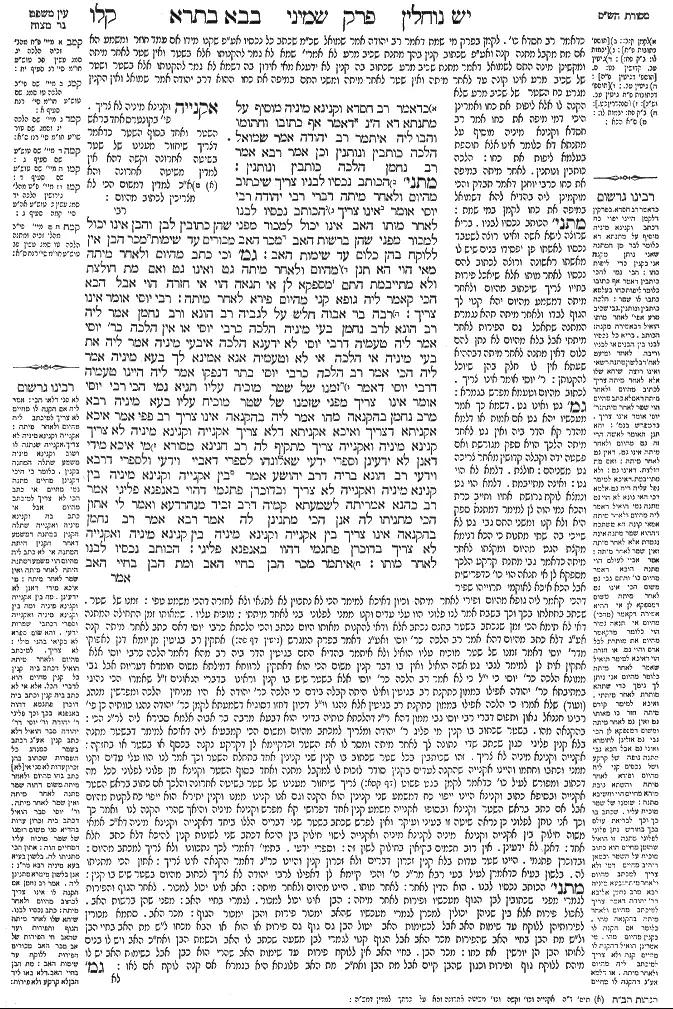
Bava Batra 136a - Guemara
כדאמר רב חסדא וקנינא מיניה מוסיף על מתנתא דא ה"נ דאמר אף כתובו וחתומו והבו ליה איתמר רב יהודה אמר שמואל הלכה כותבין ונותנין וכן אמר רבא אמר רב נחמן הלכה כותבין ונותנין:
מתני׳ הכותב נכסיו לבניו צריך שיכתוב מהיום ולאחר מיתה דברי רבי יהודה רבי יוסי אומר אינו צריך הכותב נכסיו לבנו לאחר מותו האב אינו יכול למכור מפני שהן כתובין לבן והבן אינו יכול למכור מפני שהן ברשות האב מכר האב מכורים עד שימות מכר הבן אין ללוקח בהן כלום עד שימות האב:
גמ׳ וכי כתב מהיום ולאחר מיתה מאי הוי הא תנן מהיום ולאחר מיתה גט ואינו גט ואם מת חולצת ולא מתייבמת התם מספקא לן אי תנאה הוי אי חזרה הוי אבל הכא הכי קאמר ליה גופא קני מהיום פירא לאחר מיתה:
רבי יוסי אומר אינו צריך:
רבה בר אבוה חלש על לגביה רב הונא ורב נחמן אמר ליה רב הונא לרב נחמן בעי מיניה הלכה כרבי יוסי או אין הלכה כר' יוסי אמר ליה טעמיה דרבי יוסי לא ידענא הלכה איבעי מיניה אמר ליה את בעי מיניה אי הלכה אי לא וטעמיה אנא אמינא לך בעא מיניה אמר ליה הכי אמר רב הלכה כרבי יוסי בתר דנפקו אמר ליה היינו טעמיה דרבי יוסי דאמר זמנו של שטר מוכיח עליו תניא נמי הכי רבי יוסי אומר אינו צריך מפני שזמנו של שטר מוכיח עליו בעא מיניה רבא מרב נחמן בהקנאה מהו אמר ליה בהקנאה אינו צריך רב פפי אמר איכא אקניתא דצריך ואיכא אקניתא דלא צריך אקנייה וקנינא מיניה לא צריך קנינא מיניה ואקנייה צריך מתקיף לה רב חנינא מסורא מי איכא מידי דאנן לא ידעינן וספרי ידעי שאלונהו לספרי דאביי וידעי ולספרי דרבא וידעי רב הונא בריה דרב יהושע אמר בין אקנייה וקנינא מיניה בין קנינא מיניה ואקנייה לא צריך ובדוכרן פתגמי דהוי באנפנא פליגי אמר רב כהנא אמריתה לשמעתא קמיה דרב זביד מנהרדעא ואמר לי אתון הכי מתניתו לה אנן הכי מתנינן לה אמר רבא אמר רב נחמן בהקנאה אינו צריך בין אקנייה וקנינא מיניה בין קנינא מיניה ואקנייה לא צריך בדוכרן פתגמי דהוו באנפנא פליגי:
הכותב נכסיו לבנו לאחר מותו:
איתמר מכר הבן בחיי האב ומת הבן בחיי האב
Comments from Rashbam - Bava Batra 136a
כדאמר רב חסדא כו' . לקמן בפרק מי שמת דאמר רב יהודה אמר שמואל שכ"מ שכתב כל נכסיו אע"פ שקנו מידו אם עמד חוזר ומשמע הא אם מת מקבל מתנה קנה ואע"פ שכתוב קנין בהך מתנת שכיב מרע לא אמרי' שמא לא גמר להקנותו אלא בשטר ואין שטר לאחר מיתה ומקשינן מינה התם לשמואל דאמר מתנת שכיב מרע שכתוב בה קנין לא ידענא מאי אידון בה דשמא לא גמר להקנותו אלא בשטר ושטר של שכיב מרע אינו קונה עד לאחד מיתה ואין שטר לאחר מיתה ומשני התם במיפה את כחו ההוא דרב יהודה אמר שמואל ואין הקנין מגרע כח השטר של שכיב מרע שלא הקנה לו אלא ליפות את כחו ואמרינן היכי דמי מיפה את כחו אמר רב חסדא וקנינא מיניה מוסיף על מתנתא דא כלומר אינו אלא תוספת בעלמא ליפות את כחו: הלכה כותבין ונותנין . לאחר מיתה במיפה את כחו כרבי יוחנן דאמר תבדק והכי מוקמינן ליה בהדיא להא דשמואל במיפה את כחו לקמן במי שמת: מתני' הכותב נכסיו לבניו . בריא שרוצה לישא אשה ואינו רוצה לשעבד נכסיו לאשתו פן יפסידו בנים שיש לו מאשתו ראשונה ורוצה לכתוב להם נכסיו לאחר מותו אלא שיאכל פירות בחייו צריך שיכתוב מהיום ולאחר מיתה דמשמע מהיום יהא קנוי לך הגוף לבדו ולאחר מיתה תהא נגמרת המתנה שתאכל גם הפירות לאחר מיתתי אבל בלא מהיום לא נתן להם כלום דאין מתנה לאחר מיתה דבההיא שעתא אין לו חלק בהן שיוכל להקנותן: ר' יוסי אומר אינו צריך . לכתוב מהיום וטעמא מפרש בגמרא: מתני' הכותב נכסיו לבנו . הוא הדין לאחר: לאחר מותו . היינו מהיום ולאחר מיתה: האב אינו יכול למכור . לאחר הגוף והפירות לגמרי מפני שכתובין לבן הגוף מעכשיו ופירות לאחר מיתה: הבן אינו יכול למכור . לגמרי בחיי האב: מפני שהן ברשות האב . לאכול פירות אלא בין שניהן יכולין למכרן לגמרי מעכשיו שהאב ימכור פירות והבן ימכור הגוף: מכר האב . סתמא מכורין לפירותיהן ללוקח עד שימות האב אבל לכשימות האב יטול הבן גם גוף גם פירות או הוא או הבא מכחו ל"ש מת האב בחיי הבן ול"ש מת הבן בחיי האב שהפירות מכר האב אבל הגוף קנוי לגמרי לבן משעם שכתב לו האב וכשמת הבן ואח"כ האב ויש לו בנים לאותו הבן הן יורשין את כחו: מכר הבן . בחיי האב אין ללוקח פירות עד שימות האב שהרי הוא כבן אבל כשימות האב יש לו מיהת ללוקח גוף ופירות וכגון שהבן קיים אבל מת הבן ואח"כ מת האב פלוגתא היא בגמרא אם קנה לוקח אם לאו: גמ' גט ואינו גט . דשמא כך אמר מעכשיו יהא גט אם אמות או דלמא מהדר קא הדר ביה ואין גט לאחר מיתה הלכך הויא ספק מגורשת ואם פשטה ידה וקבלה קדושין מאחר צריכה גט משניהם: חולצת . דלמא לא הוי גט: ואינה מתייבמת . דלמא הוי גט ונמצא לוקח גרושת אחיו וחייב כרת והכא נמי הוה לן למימר דמתנת ספק היא ולא קנו ומשני התם גבי גט לא שייכי בה שתי מתנות כי הכא דנימא מקצת הגט מהיום ומקצתו לאחר מיתה כדאמר גבי מתנת קרקע הלכך מספקא לן אי תנאה הוי כו' כדפרישית אבל הכא איכא לאו לאוקמי תרוייהו שפיר דהכי קאמר ליה גופא: יום ופירי לאחר מיתה וכיון דאיכא למימר הכי לא נתכוין לא לתנאי ולא לחזרה דהכי משמע טפי: זמנו של שטר . שכתב בתחלתו בכך וכך בשבת אמר לכו פלוני הוו עלי עדים וקנו ממני לפלוני בני לאחר מיתתי: מוכיח עליו . שמאותו זמן התחילה המתנה דאי לא תימא הכי זמן שנכתב בשטר בחנם נכתב אלא ודאי להקנות מאותו היום נכתב והכי הלכתא כרבי יוסי דאם כתב לאחר מיתה קנה אע"ג דלא כתב מהיום דהא אמר רב הלכה כר' יוסי ואע"ג דאמר בפרק המגרש (ניטין דף פה:) אתקין רב בגיטין מן יומא דנן לאפוקי מדר' יוסי דאמר זמנו של שטר מוכיח עליו הואיל ולא איתמר בהדיא התם בגיטין הדר ביה רב מהא דאמר הלכה כרבי יוסי אלא אתקין אית לן למימר לגבי גט אשה הואיל ואין בו דבר קנין משום הכי הוא דאתקין לרווחא דמילתא משום חומרא דעריות אבל גבי ממונא הלכה כר' יוסי כי י"ל כי לא אמר רב הלכה כר' יוסי אלא בשטר שיש בו קנין וראינו בדברי הגאונים ז"ל שאמרו הכי נהיגי במתיבתא כר' יהודה אפילו בממון כתקנת רב בגיטין ואילו היתה קבלה בידם כי הלכה כר' יהודה לא היו מניחין הלכה ומפרשין מנהג (ועוד) שלא אמרו כי הלכה אפילו בממון כחקנת רב בגיטין אלא נהגו וי"ל דכיון דחזו סוגיא דשמעתא לקמן כר' יהודה נהגו כוותיה כן פי' רבינו חננאל גאון ותפוס דברי רבי יוסי גבי ממון דהא ר"נ דהלכתא כותיה בדיני הוא דבעא מרבה בר אבוה אלמא סבירא ליה לר"נ הכי: בהקנאה מהו . בשטר שכתוב בו קנין מי פליג ר' יהודה ומצריך למכתב מהיום ומשום הכי קמבעיא ליה דאיכא למימר דבשטר מתנה בלא קנין פליגי כגון שכתב שדי נתונה לך לאחר מיתה ומסר לו את השטר וכדקיימא לן דקרקע נקנה בכסף או בשטר או בחזקה: אקנייה וקנינא מיניה לא צריך . זהו שכותבין בכל שטר שכתוב בו קנין שני קנינין אחד בתחלת השטר וכך אמר לנו הוו עלי עדים וקנו ממני וכתבו וחתמו והיינו אקנייה שהקנה לעדים בקנין סודר לזכות לו למקבל מתנה ואחד בסוף השטר וקנינא מן פלוני לפלוני ככל מה דכתוב ומפורש לעיל כו' כדאמר לקמן בגט פשוט (בבא בתרא דף קסא:) צריך שיחזור מענינו של שטר בשיטה אחרונה והלכך אם כתוב בראש השטר אקנייה ובסיפא כתוב וקנינא היינו ייפוי כח דמשמע שני קנינין הוא הקנה וגם אנו קנינו ממנו וקנין יתירא הוא ייפוי כח לקנות מהיום אבל אם כתב בראש השטר וקנינא ובסופו אקנייה משמע קנין אחד דפרושי קא מפרש וקנינא מיניה והיאך שהרי הקנה לנו ואמר כך וכך אני נותן לפלוני כן נראה שיטה זו בעיני ועיקר ואין לפרש שכתב בשטר שני דברים הללו ביחד דאקנייה וקנינא מיניה דא"כ אמאי משוה חילוק בין אקנייה וקנינא מיניה לקנינא מיניה ואקנייה לישוי חילוק בין היכא דכתב שני לשונות קנין להיכא דלא כתב אלא אחד: דאנן לא ידעינן . אין רוב חכמים בקיאין בחילוק לשון זה: וספרי ידעי . בתמי' דאמרי לכך נתכוונו ולא צריך למכתב מהיום: ובדוכרן פתגמי . היינו שטר עדות בלא קנין זכרון דברים ולא זכרון קנין והיינו כר"נ דאמר הקנאה אינו צריך: אתון הכי מתניתו לה . בלשון בעיא כדאמרן לעיל בעי רבא מר"נ כו' והכי קיימא לן דאפילו לרבי יהודה לא צריך לכתוב מהיום בשטר שיש בו קנין:
Comments from Tosafot - Bava Batra 136a
אקנייה וקנינא מיניה לא צריך. פי' בקונטרס אחד בראש השטר ואחד בסוף השטר כדאמר דצריך שיחזור מענינו של שטר בשיטה אחרונה וקשה דהא אין למדין משיטה אחרונה והא א"כ למדין דמשום הכי לא מצריכין לכתוב מהיום:
Bava Batra 136a - Mishnah translated into english
It is as Rav Ḥisda says that if it is written in the will: And we acquired it from him through an act of acquisition in addition to this gift, this formulation does not cancel the will’s power to take effect after the person’s death, as the intention of referring to it as a gift is merely to enhance the legal power of the recipient by confirming the transfer through an act of acquisition. Here too, in a case where he says: Write and sign a document as well, and give it to him, it is apparent that his request is to enhance the legal power of the recipient by writing a document in addition to transferring the gift itself.
It was stated that Rav Yehuda says that Shmuel says that the halakha is that one writes a document and gives the money in this case. And Rava says similarly that Rav Naḥman says that the halakha is that one writes a document and gives the money in this case.
MISHNA: A healthy person who writes a document granting his property to his sons in his lifetime, but wishes to continue to derive benefit from it until his death, must write: I give the property from today and after my death. This is the statement of Rabbi Yehuda. Rabbi Yosei says: He need not write: From today and after my death; it is sufficient for him to write that the transfer will take effect after he dies.
If one writes a document granting his property to his son from today and after his death, the father cannot sell the property because it is written as granted to the son, and the son cannot sell it because it is still in the possession of the father with regard to using the property and consuming its produce.
If the father sold the property, it is sold to the purchaser inasmuch as he may use it and consume its produce until the father dies, at which point it belongs to the son. If the son sold it during his father’s lifetime, the purchaser has no right to use it until the father dies.
GEMARA: And if he wrote: I give the property from today and after my death, what of it? Didn’t we learn in a mishna (Gittin 72a): If a husband said to his wife: This is your bill of divorce from today and after my death, it is a bill of divorce but not a complete bill of divorce, and therefore if he dies without children his wife performs the ritual through which a woman is freed of her levirate bonds [ḥalitza], as perhaps the bill of divorce is invalid and she is bound by the levirate bond and may not remarry without first performing ḥalitza. But she does not enter into levirate marriage, as perhaps the bill of divorce is valid, and it is forbidden for a divorcée to marry her former husband’s brother.
The Gemara answers: There, we are uncertain if the expression: And after my death, is meant as a condition, i.e., if I die you will be divorced retroactively from today, or if it is a retraction of the statement: From today, meaning that the divorce would take effect only after his death, which would render it invalid. But here, in the case of a deed of gift, there is no contradiction in the statement, as this is what the father is presumably saying to him: Acquire the property itself today, and the produce after my death.
§ The mishna teaches: Rabbi Yosei says that he need not write: From today and after my death. The Gemara relates: Rabba bar Avuh was sick, and Rav Huna and Rav Naḥman entered to visit him. Rav Huna said to Rav Naḥman: Ask him whether the halakha is in accordance with the opinion of Rabbi Yosei or the halakha is not in accordance with the opinion of Rabbi Yosei. Rav Naḥman said to Rav Huna: I do not know Rabbi Yosei’s reasoning; can I ask him about the halakha? Rav Huna said to Rav Naḥman: You ask him if the halakha is in accordance with his opinion or not, and I will tell you his reasoning afterward.
Rav Naḥman asked Rabba bar Avuh. Rabba bar Avuh said to him that this is what Rav says: The halakha is in accordance with the opinion of Rabbi Yosei. After they left, Rav Huna said to Rav Naḥman that this is Rabbi Yosei’s reasoning: He says that writing: From today and after my death, is unnecessary because the date written in a document proves when it takes effect. The Gemara adds: That is also taught in a baraita (Tosefta, Ketubot 8:4): Rabbi Yosei says that he need not write: From today and after my death, because the date written in a document proves when it takes effect.
§ Rava asked Rav Naḥman: In a case where the father performed an act of transfer, transferring his property to his son after his death, what is the halakha? Is it still necessary to write: From today and after my death? Rav Naḥman said to him: In a case where he performed an act of transfer, he need not write: From today and after my death.
Rav Pappi said: There is a case of transfer where he needs to write: From today and after my death, and there is a case of transfer where he does not need to do so. If it is written in the deed that he transferred it to him and we, the witnesses, acquired it from him, he does not need to write: From today and after my death. But if the statement is written in the opposite order: We acquired it from him and he transferred it to him, he still needs to write: From today and after my death.
Rav Ḥanina of Sura objects to this distinction: Is there anything that we, the Sages, do not know, and the scribes know? The distinction between the two opposite orderings of the above statement was unknown to the Sages. The Gemara relates that the Sages asked Abaye’s scribes and they knew the distinction, and they asked Rava’s scribes and they also knew the distinction.
Rav Huna, son of Rav Yehoshua, said: Whether the wording is he transferred it to him and we acquired it from him, or whether it is we acquired it from him and he transferred it to him, he need not write: From today and after my death, as the act of transfer is mentioned in any event. And Rabbi Yehuda and Rabbi Yosei in the mishna disagree whether the phrase: From today and after my death, is necessary only with regard to a case where the deed merely states: This is a record of the proceedings that took place in our presence, without any mention of an act of transfer.
Rav Kahana said: I stated this halakha in the presence of Rav Zevid of Neharde’a, and he said to me: You teach it like this, i.e., as a question and answer followed by a dispute; we teach it like this, i.e., as a single, unbroken statement: Rava says that Rav Naḥman says that in a case where transfer is mentioned in the deed, the owner need not write: From today and after my death. This is the halakha whether the wording is he transferred it to him and we acquired it from him, or whether the wording is we acquired it from him and he transferred it to him; he need not write: From today and after my death. They disagree only with regard to a case where the wording is: This is a record of the proceedings that took place in our presence.
§ The mishna teaches that if one writes a document granting his property to his son from today and after his death, neither he nor the son can sell the property. It was stated that in a case where the son sold the property during the father’s lifetime, and then the son died during the father’s lifetime, after which the father died as well,
Traduction : The William Davidson digital edition of the Koren Noé Talmud, with commentary by Rabbi Adin Even-Israel Steinsaltz.