 Talmud Bavli
The learning on the whole site is dedicated : L'ilui Nishmat רינה בת לדיסיה
The learning on the whole site is dedicated : L'ilui Nishmat Amram ben Itshak Loubaton
The learning on the whole site is dedicated : L'ilui Nishmat Nissim ben Barukh Malka
Bava Batra 155b : Youtube
Daf TubeYoutube
2 video classes :
Bava Batra Page 155b
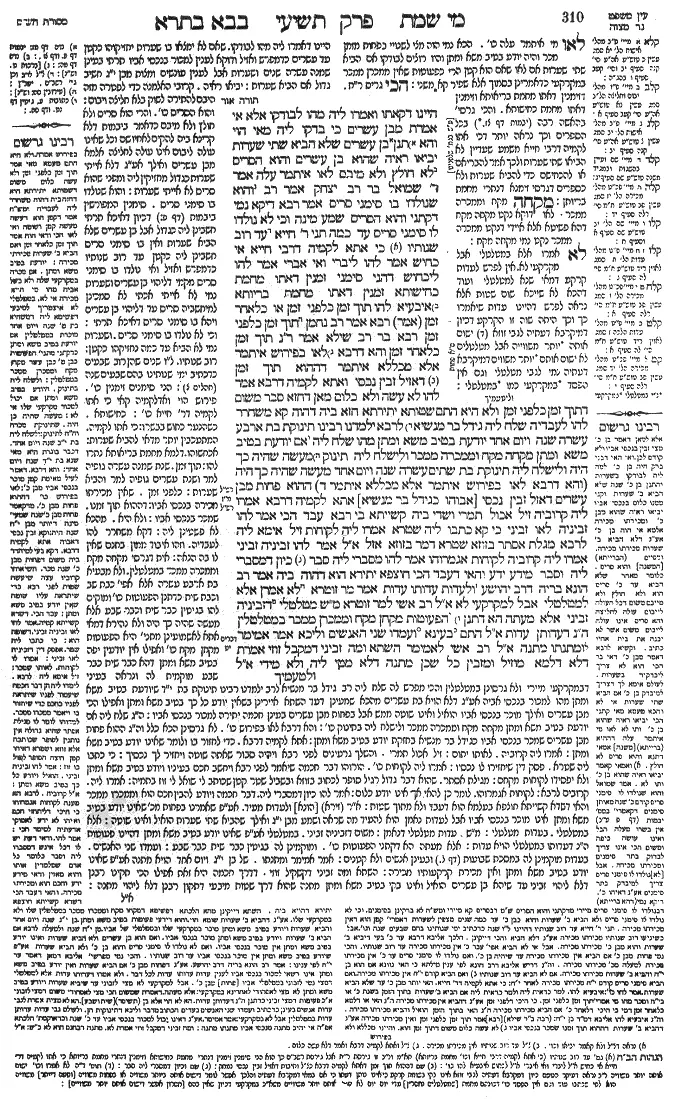
Bava Batra 155b - Guemara
היינו דקאתו ואמרו ליה מהו לבודקו אלא אי אמרת מבן עשרים כי בדקו ליה מאי הוי והא תנן בן עשרים שלא הביא שתי שערות יביאו ראיה שהוא בן עשרים והוא הסריס לא חולץ ולא מיבם לאו איתמר עלה אמר ר' שמואל בר רב יצחק אמר רב והוא שנולדו בו סימני סריס אמר רבא דיקא נמי דקתני והוא הסריס שמע מינה וכי לא נולדו לו סימני סריס עד כמה תני ר' חייא עד רוב שנותיו כי אתא לקמיה דרבי חייא אי כחיש אמר להו ליברי ואי אברי אמר להו ליכחוש דהני סימני זמנין דאתו מחמת כחישותא זמנין דאתו מחמת בריותא איבעיא להו תוך זמן כלפני זמן או כלאחר זמן (אמר) רבא אמר רב נחמן תוך זמן כלפני זמן רבא בר רב שילא אמר ר"נ תוך זמן כלאחר זמן והא דרבא לאו בפירוש איתמר אלא מכללא איתמר דההוא תוך זמן דאזיל זבין נכסי ואתא לקמיה דרבא אמר להו לא עשה ולא כלום מאן דחזא סבר משום דתוך זמן כלפני זמן ולא היא התם שטותא יתירתא חזא ביה דהוה קא משחרר להו לעבדיה שלח ליה גידל בר מנשיא לרבא ילמדנו רבינו תינוקת בת ארבע עשרה שנה ויום אחד יודעת בטיב משא ומתן מהו שלח ליה אם יודעת בטיב משא ומתן מקחה מקח וממכרה ממכר ולישלח ליה תינוק מעשה שהיה כך היה ולישלח ליה תינוקת בת שתים עשרה שנה ויום אחד מעשה שהיה כך היה (והא דרבא לאו בפירוש איתמר אלא מכללא איתמר ד) ההוא פחות מבן עשרים דאזל זבין נכסי [אבוהו כגידל בר מנשיא] אתא לקמיה דרבא אמרו ליה קרוביה זיל אכול תמרי ושדי ביה קשייתא בי רבא עבד הכי אמר להו זביניה לאו זביני כי קא כתבו ליה שטרא אמרו ליה לקוחות זיל אימא ליה לרבא מגלת אסתר בזוזא שטרא דמר בזוזא אזל א"ל אמר להו זביניה זביני אמרו ליה קרוביה לקוחות אגמרוהו אמר להו מסברי ליה סבר כיון דמסברי ליה וסבר מידע ידע והאי דעבד הכי חוצפא יתירא הוא דהוה ביה אמר רב הונא בריה דרב יהושע ולעדות עדותו עדות אמר מר זוטרא לא אמרן אלא למטלטלי אבל למקרקעי לא א"ל רב אשי למר זוטרא מ"ש מטלטלי דזביניה זביני אלא מעתה הא דתנן הפעוטות מקחן מקח וממכרן ממכר במטלטלין ה"נ דעדותן עדות א"ל התם בעינא (דברים יט, יז) ועמדו שני האנשים וליכא אמר אמימר ומתנתו מתנה א"ל רב אשי לאמימר השתא ומה זביני דמקבל זוזי אמרת דלא דלמא מוזיל ומזבין כל שכן מתנה דלא מטי ליה ולא מידי א"ל
Comments from Rashbam - Bava Batra 155b
היינו דאמרו ליה מהו לבודקו . שאם לא ימצאו בו שערות יחזיקוהו כקטן עד עשרים כדמפרש ואזיל ודוקא לענין למכור בנכסי אביו תרתי בעינן שמנה עשרה שנים ושערות אבל לענין עונשים ומצות מבן י"ג חשיב גדול אם הביא שערות: יביאו ראיה . קרובי האלמנה כדי לפטרה מזה היבם להתירה לשוק בלא חליצה ויבום: והוא הסריס כו' . והרי הוא סריס ולא חולץ ולא מיבם כדאמר ביבמות דלא קרינא ביה להקים לאחיו שם וכל שאינו עולה ליבום אינו עולה לחליצה אלמא מבן עשרים ואילך אע"ג דלא אייתי שערות כגדול מחזיקין ליה ומפני שהוא סריס לא אייתי שערות: והוא שנולדו בו סימני סריס . סימנין המפורשין ביבמות (דף פ:) דכיון דאיכא תרתי חשבינן ליה כגדול אבל בן עשרים שלא הביא שערות ואין בו סימני סריס חשבינן ליה כקטן עד רוב שנותיו כדמפרש ואזיל ואי נולדו בו סימני סריס מקמי דליהוי בן עשרים ושערות נמי לא אייתי אכתי לא סמכינן למיחשביה סריס עד דליהוי בן עשרים ויהא בו סימני סריס דאיכא תרתי: וכי לא נולדו בו סימני סריס . ושערות. נמי לא הביא עד כמה נחזיקהו כקטן: רוב שנותיו . ל"ו שנים שהן רוב שבעים כדכתיב ימי שנותיו בהם שבעים שנה (תהלים צ): כי אתו לקמיה . המתעכבין יותר מדאי להביא שערות: אכחשוהו . דלמא מחמת בריאותא נתרו להו: הני סימנים זימנין כו' . פירוש הוי ואדלקמיה קאי כי אתו לקמיה דר' חייא כו': כחישותא . כשהנער כחוש בבשרו: תוך זמן . שנת שמנה עשרה גופיה למר ושנת עשרים גופיה למר והביא שערות: כלפני זמן . שאין מכירתו מכירה בנכסי אביו: דההוא תוך זמנו . שמכר בנכסי אביו: ולא היא . מהכא לא פשטינן ליה: דקא משחרר להו לעבדיה . וזהו איבוד ממון בחנם שאין לו בה הנאה: אית דגרסי מקחה מקח וממכרה ממכר במטלטלין . ולא מבעיא בת ארבע עשרה אלא אפי' כבת שב וכבת שית כדתנן הפעוטות כו' ומוקים להו בגיטין כבר שית וכבר שבע אלא מעשה שהיה כך היה ולא נהירא דמאי אתא לאשמועינן מתני' היא הפעוטות מקחן מקח כו' ואפילו אין יודעין יפה בטיב משא ומתן דהא כבר שית כבר שבע מוקמית לה ונראה בעיני דבמקרקעי מיירי ולא גרסינן במטלטלין והכי מפרש לה שלח ליה רב גידל בר מנשיא לרב ילמדנו רבינו תינוקת בת י"ד שיודעת בטיב משא ומתן מהו למכור בנכסי אביה אע"ג דלא הויא בת עשרים מהכא שמעינן דעד השתא איירינן בשאין יודע כל כך בטיב משא ומתן ואפילו הכי מבן עשרים ואילך מוכר בנכסי אביו הואיל ואינו שוטה ממש אבל בפחות מבן עשרים בעינן חכמה יתירה למכור בנכסי אביו: ה"ג שלח ליה אם יודעת בטיב משא ומתן מקחה מקח וממכרה ממכר ולישלח ליה בתינוק כו': והא דרבא לאו בפירוש כו' . לא גרסינן הכא כלל וה"ג ההוא פחות מבן עשרים שמכר בנכסי אביו כגידל בר מנשיא בחזקת יודע בטיב משא ומתן: אתא לקמיה דרבא . כדי לחזור בו ולומר שאינו יודע בטיב משא ומתן: אמרו ליה קרוביה . לאותו יתום: זיל אכול תמרי . והשלך גרעינים לפני רבא ויהיה סבור שאתה שוטה ויחזיר לך נכסיך: כי כתבו ליה שטרא . פסק דין שיחזירו לו נכסיו: אמרו ליה לקוחות כו' . הורוהו דבר חכמה שיאמר לפני רבא ויחשב חכם בעיניו ויודע בטיב משא ומתן ולא יפסידו לקוחות מקחם: מגילת אסתר . שהוא דבר גדול רגיל סופר לכתוב בזוזא ובשביל שטר קטן שכותב לי שואל לי זוז בתמיה: אמרו ליה . קרובים לרבא: לקוחות אגמרוהו . לומר כן להאי אך אינו יודע כלום: אמר להו כיון דמסברי ליה . דבר חכמה ויודע להבין חכם הוא וממכרו ממכר והאי דשדא קשייתא חוצפא בעלמא הוא דעבד ולא מתוך שטות: א"ר (זירא) [הונא] ולעדות מעיד . אע"פ שאמרנו בפחות מכ' שאינו יודע בטיב משא ומתן אינו מוכר בנכסי אביו אבל לעדות נאמן הוא להעיד מה שראה ושמע מבן י"ג ואילך שהביא שתי שערות הואיל ואינו שוטה: אלא במטלטלי . בעדות מטלטלי: מ"ש . עדות מטלטלי דנאמן: משום דזביניה זביני . במטלטלי אע"פ שאינו יודע בטיב משא ומתן דהיינו פעוטות ה"נ דעדותו במטלטלי הויא עדות: אלא מעתה הא דקתני הפעוטות כו' . ומוקמינן לה בגיטין כבר שית כבר שבע: ועמדו שני האנשים . בעדות מוקמינן לה במסכת שבועות (דף ל.) ובעינן אנשים ולא קטנים: אמר אמימר ומתנתו . של בן י"ג ויום אחד הויא מתנה אע"פ שאינו יודע בטיב משא ומתן ואין מכירת קרקעותיו מכירה: השתא ומה זביני דקשקיל זוזי . דדרך חכמה היא זאת אפילו הכי תקינו רבנן דלא ליהוי זביני עד שיהא בן עשרים הואיל ואינו בקי בטיב משא ומתן מתנה שהוא דרך שטות מיבעי דתקון רבנן דלא ליהוי מתנה:
Comments from Tosafot - Bava Batra 155b
לאו מי איתמר עלה כו'. הכא נמי הוה מצי לשנויי בפחות מזמן מכר והיה יודע בטיב משא ומתן והיו רוצים לבודקו אם הביא שתי שערות אם לאו שאם הוא קטן הרי כפעוטות שאין ממכרן ממכר במקרקעי כדאמרינן בסמוך אלא שפיר קא משני: הכי גריס ר"ת דזימנין דאתו מחמת בריאותא וזימנין דאתו מחמת כחישותא. והכי גרסי' בהאשה רבה (יבמות דף צז.) בכל הספרים וכך נראה יותר דכי אתו לקמיה דרבי חייא משמע שעדיין לא הביאו שתי שערות ולכך אמר להבריאם או להכחישם כדי להביא שערות ולא כספרים דגרסי זימנא דנתרי מחמת בריותן: מקחה מקח וממכרה ממכר. לאו דוקא נקט מקחה מקח דהא פשיטא אלא איידי דנקט ממכרה ממכר נקט נמי מקחה מקח: לא אמרו אלא במטלטלי אבל מקרקעי לא. אין לפרש לעדות קרקע דמאי שנא למטלטלי ועוד דהכא לא שייכא שום שטות אלא נראה לפרש דהיינו עדות שיאמרו כך וכך היתה שוה זו הקרקע דכיון דמיקרבא דעתיה לגבי זוזא ישום אותה יותר משוויה אבל מטלטלים לא ישום אותם יותר משווים דמיקרבא דעתיה נמי לגבי מטלטלי וגם אין הפסד במקרקעי כמו במטלטלי:
Bava Batra 155b - Mishnah translated into english
this is the reason that they came and said to Rabbi Akiva: What is the halakha? Is it permitted to examine the corpse? But if you say that he can sell the property from the time he is twenty years old, even if they examine him, what of it? But didn’t we learn in a mishna (Nidda 47b): With regard to a twenty-year-old man who did not develop two pubic hairs, proof must be brought that he is twenty years old, and then he is no longer considered a minor. And he is the sexually underdeveloped man, who is excluded from the mitzva of levirate marriage. Therefore, if his married brother dies childless, he neither performs ḥalitza nor enters into levirate marriage with his widow. Since a twenty-year-old is considered an adult even if he has not developed signs of puberty, there is no reason to examine the body.
The Gemara replies: Wasn’t it stated with regard to that mishna: Rabbi Shmuel bar Rav Yitzḥak says that Rav says: And is this the halakha only where he developed the signs of a sexually underdeveloped man? Otherwise, a twenty-year-old who has not developed two pubic hairs is still considered a minor. The examination of the deceased could therefore be effective to see if he has other signs of being sexually underdeveloped. Rava said: The language of the mishna is also precise, as it teaches: And he is the sexually underdeveloped man. The usage of the definitive article indicates that the mishna is referring to one who is clearly a sexually underdeveloped man. The Gemara affirms: One can conclude from the mishna that the mishna is speaking of one who developed the signs of a sexually underdeveloped man.
The Gemara asks: And if he did not develop the signs of a sexually underdeveloped man, until when is he considered a minor if he does not develop two pubic hairs? Rabbi Ḥiyya teaches in a baraita: He is considered a minor until most of his years have elapsed, i.e., until he is thirty-five years old. When the case of one who had not developed pubic hair would come before Rabbi Ḥiyya, he would offer the following advice: If the person was thin, he would say to those appearing in court: Cause him to become fat, and if he was fat, he would say to them: Cause him to become thin. This is because these signs indicating puberty sometimes develop due to excessive thinness, and sometimes they develop due to corpulence.
§ A dilemma was raised before the Sages: During the time, i.e., the year, when a minor comes of age with regard to selling his deceased father’s property, i.e., during his eighteenth or twentieth year, is this year considered as before the time that he comes of age or is it considered as after the time? Does one come of age at the beginning or end of that year? Rava says that Rav Naḥman says: During that time is considered as before the time, and he does not come of age until the year has elapsed. Rava bar Rav Sheila says that Rav Naḥman says: During that time is considered as after the time, and he is considered as having come of age during that year.
The Gemara notes: And this statement of Rava was not stated explicitly; rather, it was stated by inference. As there was a certain person who was during the time, i.e., the year, when one comes of age who went and sold his father’s property, and the case came before Rava. Rava said to the litigants: He did not do anything, and the sale is not valid. One who observed Rava’s ruling assumed that he ruled in this manner because he maintained that during the time when he comes of age is considered as before the time. But that is not so. The reason for Rava’s ruling was that there, Rava observed excessive mental incompetence in the behavior of that individual, as he was emancipating his slaves. Since Rava saw that he was mentally incompetent, he invalidated the sale.
§ Giddel bar Menashya sent an inquiry to Rava: Let our teacher instruct us: With regard to a girl who is fourteen years and one day old who understands the nature of business negotiations, what is the halakha? Can she sell property that she inherited from her father? Rava sent a reply to Giddel bar Menashya: If she understands the nature of business negotiations her purchase is a valid purchase and her sale is a valid sale.
The Gemara asks: But Giddel could have sent this question to Rava with regard to a boy. Why did he not do so? The Gemara answers: The incident that took place, took place in this way. The Gemara asks: But he could have sent this question to Rava with regard to a girl who is twelve years and one day old, at which age a girl reaches her majority. Why did he not do so? The Gemara answers: The incident that took place, took place in this way.
The Gemara notes: And this statement of Rava was not stated explicitly; rather, it was stated by inference, as it was inferred from the following incident. There was a certain person who was under twenty years old and understood business negotiations who went and sold his father’s property, in accordance with the ruling that Rava sent to Giddel bar Menashya, and the case came before Rava. The seller’s relatives said to the one who sold the property: Go eat dates and throw the pits into Rava’s house, in order to prove to Rava that their relative was not mentally competent. He did so. Rava said to them: His sale is not a valid sale.
When they were writing for him a writ containing the decision, the buyers said to the seller, in order to prove that he was mentally competent: Go and say to Rava: The scroll of Esther, which is a large scroll, is bought for a dinar. Why then does the short writ containing Master’s ruling also cost a dinar, which was the scribe’s fee? The seller went and said this to Rava. Rava said to them: His sale is a valid sale. The boy’s relatives said to Rava: The buyers taught him to say that. Rava said to them: Even so, when they explain the matter to him he understands. Since, when they explain a matter to him he understands, he knows what he is doing. And the reason that he acted in this manner, throwing the pits into Rava’s house, was because of excessive impudence that was in him, not mental incompetence.
§ Rav Huna, son of Rav Yehoshua, says: And with regard to the testimony of one who is not old enough to sell property that he inherits from his father, his testimony is valid testimony. Mar Zutra said: We said that his testimony is valid only with regard to movable property, but not with regard to land.
Rav Ashi said to Mar Zutra: In what way is movable property different from land? It is different because with regard to movable property his sale is a valid sale. But if that is so, consider that which we learned in a mishna (Gittin 59a): A purchase made by young children is a valid purchase, and a sale made by them is a valid sale. These halakhot apply to transactions involving movable property. Is it possible that also in the case of young children their testimony is valid testimony? Isn’t it an established halakha that minors are disqualified from bearing witness? Mar Zutra said to Rav Ashi: There, with regard to testimony, I require the witnesses to be men, as the verse states: “Then the two men shall stand” (Deuteronomy 19:17), which is interpreted as referring to witnesses, and this requirement is not fulfilled in the case of young children.
§ Ameimar says: With regard to one who is not old enough to sell property that he inherits from his father, if he gave a gift from the property, his gift is a valid gift. Rav Ashi said to Ameimar: Now, if with regard to a sale, in which he receives money, you say that the Sages instituted an ordinance that he is not authorized to sell, lest he reduce the price of the property and deplete his father’s estate, all the more so in the case of a gift he is not authorized to give a gift, as nothing at all comes into his possession in exchange. Ameimar said to Rav Ashi:
Traduction : The William Davidson digital edition of the Koren Noé Talmud, with commentary by Rabbi Adin Even-Israel Steinsaltz.