 Talmud Bavli
Bava Batra 159b : Youtube
Daf TubeYoutube
2 video classes :
Bava Batra Page 159b
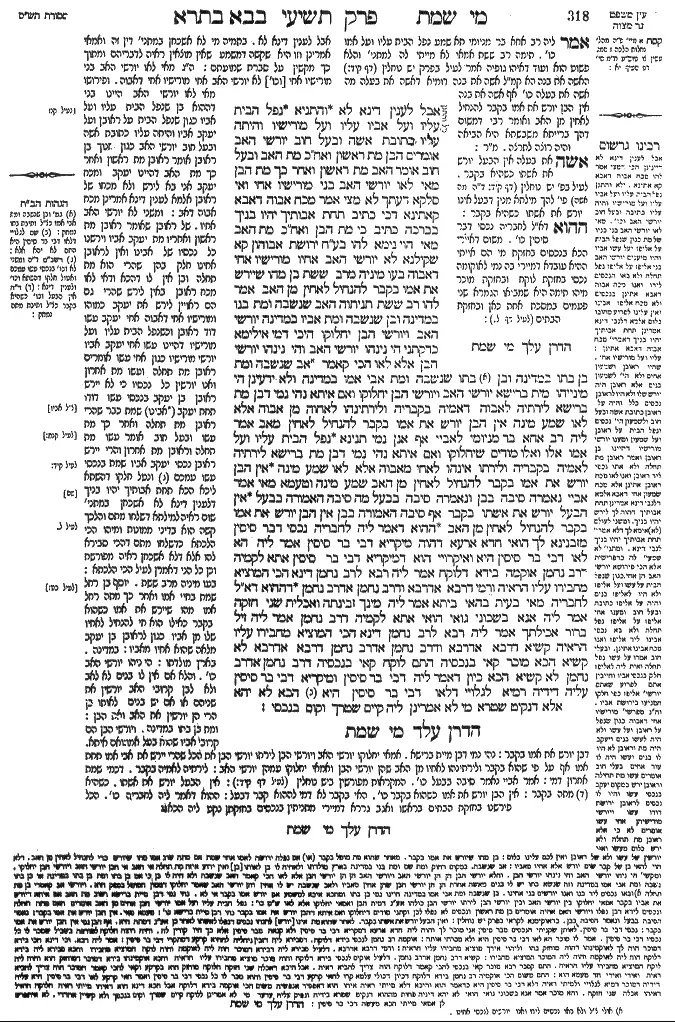
Bava Batra 159b - Guemara
אבל לענין דינא לא והתניא נפל הבית עליו ועל אביו עליו ועל מורישיו והיתה עליו כתובת אשה ובעל חוב יורשי האב אומרים הבן מת ראשון ואח"כ מת האב ובעל חוב אומר האב מת ראשון ואחר כך מת הבן מאי לאו יורשי האב בני מורישיו אחי ואי סלקא דעתך לא מצי אמר מכח אבוה דאבא קאתינא דכי כתיב תחת אבותיך יהיו בניך בברכה כתיב כי מת הבן ואח"כ מת האב מאי הוי נימא להו בע"ח ירושת אבוהון קא שקילנא לא יורשי האב אחיו מורישיו אחי דאבוה בעו מיניה מרב ששת בן מהו שיירש את אמו בקבר להנחיל לאחין מן האב אמר להו רב ששת תניתוה האב שנשבה ומת בנו במדינה ובן שנשבה ומת אביו במדינה יורשי האב ויורשי הבן יחלוקו היכי דמי אילימא כדקתני הי נינהו יורשי האב והי נינהו יורשי הבן אלא לאו הכי קאמר אב שנשבה ומת בן בתו במדינה ובן בתו שנשבה ומת אבי אמו במדינה ולא ידעינן הי מינייהו מית ברישא יורשי האב ויורשי הבן יחלוקו ואם איתא נהי נמי דבן מת ברישא לירתיה לאבוה דאמיה בקבריה ולירתינהו לאחוה מן אבוה אלא לאו שמע מינה אין הבן יורש את אמו בקבר להנחיל לאחין מאב אמר ליה רב אחא בר מניומי לאביי אף אנן נמי תנינא נפל הבית עליו ועל אמו אלו ואלו מודים שיחלוקו ואם איתא נהי נמי דבן מת ברישא לירתיה לאמיה בקבריה ולירתו אינהו לאחי מאבוה אלא לאו שמע מינה אין הבן יורש את אמו בקבר להנחיל לאחין מן האב שמע מינה וטעמא מאי אמר אביי נאמרה סיבה בבן ונאמרה סיבה בבעל מה סיבה האמורה בבעל אין הבעל יורש את אשתו בקבר אף סיבה האמורה בבן אין הבן יורש את אמו בקבר להנחיל לאחין מן האב ההוא דאמר ליה לחבריה נכסי דבר סיסין מזבנינא לך הואי חדא ארעא דהוה מיקריא דבי בר סיסין אמר ליה הא לאו דבי בר סיסין היא ואיקרויי הוא דמיקריא דבי בר סיסין אתא לקמיה דרב נחמן אוקמה בידא דלוקח אמר ליה רבא לרב נחמן דינא הכי המוציא מחבירו עליו הראיה ורמי דרבא אדרבא ודרב נחמן אדרב נחמן דההוא דא"ל לחבריה מאי בעית בהאי ביתא אמר ליה מינך זבינתה ואכלית שני חזקה אמר ליה אנא בשכוני גואי הואי אתא לקמיה דרב נחמן אמר ליה זיל ברור אכילתך אמר ליה רבא לרב נחמן דינא הכי המוציא מחבירו עליו הראיה קשיא דרבא אדרבא ודרב נחמן אדרב נחמן דרבא אדרבא לא קשיא הכא מוכר קאי בנכסיה התם לוקח קאי בנכסיה דרב נחמן אדרב נחמן לא קשיא הכא כיון דאמר ליה דבי בר סיסין ומיקריא דבי בר סיסין עליה דידיה רמיא לגלויי דלאו דבי בר סיסין היא הכא לא יהא אלא דנקיט שטרא מי לא אמרינן ליה קיים שטרך וקום בנכסי:
הדרן עלך מי שמת
Comments from Rashbam - Bava Batra 159b
אבל לענין דינא לא . בתמיה מי לא אשכחן במתני' דין זה ואמאי אמרינן וזו היא שקשה דמשמע שאין מוצאין ראיה לדבריהם ומתוך כך מקשין על סברת שמועתם: ה"ג מאי לאו יורשי האב בני מורישו אחי [וכו'] לא יורשי האב אחי מורישיו אחי דאבוה. ופירושו מאי לאו יורשי האב היינו בני דההוא בן שנפל הבית עליו ועל אביו כגון שנפל הבית על ראובן ועל יעקב אביו והיתה עליו כתובת אשה ובעל חוב יורשי האב כגון חנוך בן ראובן אומר ראובן מת ראשון ואחר כך מת האב דהיינו יעקב ומכח יעקב אני בא לירש ולא מכחו של ראובן אלמא לענין דינא אמרינן מכח אבוה דאב: ומשני לא יורשי האב אחיו . של ראובן שאומר ראובן מת ראשון ואחריו מת יעקב אביו וירשנו כל נכסיו של אבינו ואין לראובן אחינו חלק בהן שהרי הוא מת תחלה ובן אין לו דהכא ודאי לאו מכח ראובן באין לירש שהרי גם הם ראויין לירש את יעקב כמוהו ומורישיו אחי דאבוה אחי יעקב עשו דוד ראובן וכשנפל הבית עליו ועל מורישיו דהיינו עשו אחי יעקב אביו יורשי מורישיו כגון אחי עשו אומרים ראובן מת תחלה ועשו מת אחרון ואנו יורשין כל נכסיו כי לא יירש ראובן בן יעקב בנכסי עשו דודו תחת יעקב (אבינו) שמת כבר שהרי ראובן מת תחלה ואחר כך מת עשו ובעל חוב אומר עשו מת תחלה וראובן מת אחרון והרי יירש ראובן נכסי יעקב אביו שמת בנכסי עשו עמכם ונטל חלקו דהשתא ליכא הכא תחת אבותיך יהיו בניך דלענין דינא לא אשכחן במתני' שום ראיה למילתא דשלחו מתם והלכך קשה הוא בדיני ממונות ומיהו הכי הלכתא כדשלחו מתם דהכי סבירא להו אלא דלא אשכחן ראיה מפורשת וכן כל הני דאמרן לעיל הכי הלכתא: בעו מיניה מרב ששת . יוסף בן רחל שמת בחיי אמו ואחר כך מתה רחל אמו מהו שיירש את אמו כשהוא בקבר כאילו הוא חי להנחיל לאחיו שלו מן אביו כגון לראובן בן יעקב מלאה שהוא אחיו מאביו: במדינה . בארץ מולדתו: הי ניהו יורשי האב כו' . והלא אם אין לו בנים לא לאב ולא לבן קרובי האב יורשין את שניהם או אם יש בנים לאותו בן הרי הן יורשין את האב ואת הבן: ומת בן בתו במדינה . ויורשי הבן הם קרובי אביו שהוא בעל אמו: ואם איתא . דבן יורש את אמו בקבר: נהי נמי דבן מיית ברישא . אמאי יחלוקו יורשי האב ויורשי הבן לירתו יורשי הבן את הכל שהרי יירש את אבי אמו תחת אמו אף על פי שהוא בקבר ולירתינהו לאחיו מן האב שהן יורשי הבן ואמאי יחלוקו עמהן יורשי האב: לירתיה לאמיה בקבר . דכמי שמת אחרון דמי: אמר אביי נאמר סיבה בבעל כו' . המקראות מפורשין ביש נוחלין (לעיל בבא בתרא דף קיד:): אין הבעל יורש את אשתו . כשהיא מתה בקבר: אין הבן יורש את אמו כשהוא בקבר כו' . האי בקבר לא דמי לההוא קבר דבעל: ההוא דאמר ליה לחבריה כו' . הכל פירשנו בחזקת הבתים בראשו ואגב גררא דמיירי מתניתין בנכסים בחזקתן נקט ליה הכא:
Comments from Tosafot - Bava Batra 159b
אמר ליה רב אחא בר מניומי תא שמע נפל הבית עליו ועל אמו כו'. תימה רב ששת אמאי לא מייתי לה למתני' והלא פשוט הוא ועוד דאיהו גופיה אמר לעיל בפרק יש נוחלין (בבא בתרא דף קיד:) האשה את בנה הא קמ"ל אשה את בנה דומיא דאשה את בעלה מה אשה את בעלה כו' אף אשה את בנה אין הבן יורש את אמו בקבר להנחיל לאחין מן האב ואומר רבי דמשום דהך ברייתא משבשתא היא הביאה והיה רוצה לתרצה. מ"ר: אשה את בעלה אין הבעל יורש את אשתו כשהיא בקבר. לעיל בפ' יש נוחלין (בבא בתרא דף קיד: ד"ה מה אשה) פי' להך מילתא מנין דבעל אינו יורש את אשתו כשהיא בקבר: ההוא דא"ל לחבריה נכסי דבר סיסין כו'. משום דאיירי הכא בנכסים בחזקת מי הם אייתי ההיא עובדא דמיירי בה נמי לאוקומה נכסי בחזקת לוקח ובחזקת מוכר מיהו תימה היא שמביאו הגמרא שני פעמים במסכת אחת כאן ובחזקת הבתים (לעיל בבא בתרא דף ל.):
Bava Batra 159b - Mishnah translated into english
but with regard to the halakha it does not indicate anything?
But isn’t it taught in the mishna (157a): A house collapsed on a son and upon his father, or upon a certain person and upon those from whom he stands to inherit, and it is unknown who died first. If the son bore the responsibility to pay the marriage contract of his wife and to pay a creditor, and the son had no money with which to pay them except that which he might inherit from his father, and the father’s heirs say: The son died first and afterward the father died, and therefore the son did not inherit property from his father, and the creditor says: The father died first and afterward the son died, there is a dispute as to the halakha. The son therefore inherited his father’s property, and his creditor has a lien upon the property, enabling him to collect payment from the property even after the son’s death.
What, is it not correct to explain that the father’s heirs are the son’s sons, and the term: Those from whom he stands to inherit, is referring to the deceased son’s brothers? And if it enters your mind to maintain that the grandson cannot say: I come to repossess the property on the basis of the right of my father’s father to the property, as when it is written in the verse in Psalms: “In the place of your fathers shall be your sons,” this is written as a blessing, then the mishna is difficult. According to this understanding, grandsons inherit from their grandfather only through their father. If so, even if the son died first and afterward the father died, what of it? Let the creditor say to the son’s sons: It is their father’s inheritance that I am taking, as the grandsons inherit from their grandfather only through their father.
The Gemara rejects this explanation: No, the father’s heirs are the deceased son’s brothers, who certainly inherit from their father directly, and the term: Those from whom he stands to inherit, is referring to the deceased son’s father’s brothers. Therefore, one cannot derive from the mishna that a grandson inherits from his grandfather directly.
§ The Sages raised a dilemma before Rav Sheshet: What is the halakha with regard to a son inheriting from his mother while he is in the grave, in order to bequeath that inheritance to his paternal brothers? If a son dies, and afterward his mother dies, does the deceased son inherit from his mother, and subsequently bequeath the inheritance to his paternal brothers, who are not related to the mother? Rav Sheshet said to them: You learned it in a baraita: Consider the case of a father who was taken captive and died in captivity, and his son died in the province, i.e., at home, and consider the case of a son who was taken captive and died, and his father died in the province. Since it is not known who died first, the father’s heirs and the son’s heirs divide the inheritance.
The Gemara asks: What are the circumstances of the case? If we say that the case is as the baraita teaches, the baraita is difficult. Who are the father’s heirs and who are the son’s heirs? The same individuals inherit from both of them. Rather, is it not so that this is what the baraita is saying: Consider the case of a father who was taken captive and died in captivity, and his daughter’s son died in the province, and consider the case of the son of his daughter who was taken captive and died, and the father of the captive’s mother died in the province, and we do not know which of them died first. If the father died first, his daughter’s son inherits from him, and the son’s paternal relatives subsequently inherit from the son. If the son died first, the father’s heirs inherit the father’s estate. Since it is unknown which of them died first, the father’s heirs and the son’s heirs divide the inheritance.
And if it is so that a son inherits from his mother while in the grave, although the son indeed died first, he should inherit from his mother’s father while in his grave and bequeath his inheritance to his paternal brothers, and the son’s heirs should receive the entire inheritance. Rather, isn’t it correct to conclude from the baraita that the son does not inherit from his mother while in the grave in order to bequeath that inheritance to his paternal brothers?
Rav Aḥa bar Minyumi said to Abaye: We learn this halakha in the mishna (158b) as well: If the house collapsed on a son and upon his mother, both these Sages and those Sages, Beit Shammai and Beit Hillel, concede that the son’s heirs and the mother’s heirs divide the property between them. And if it is so that a son inherits from his mother while in the grave, although the son indeed died first, he should inherit from his mother while in his grave and they should inherit from him, i.e., he should bequeath his inheritance to his paternal brothers. Rather, isn’t it correct to conclude from that mishna that the son does not inherit from his mother while in the grave in order to bequeath that inheritance to his paternal brothers? The Gemara affirms: Conclude from the mishna that this is so.
And what is the reason that a son does not inherit from his mother while in the grave? Abaye says: The term transfer, concerning the transfer of inheritance from one tribe to another, was stated with regard to the inheritance of a son (see Numbers 36:7), and the term transfer was stated with regard to the inheritance of a husband (see 111b–113a and Numbers 36:9). Just as in the case categorized as transfer that was stated with regard to the inheritance of a husband, the husband does not inherit from his wife while he is in the grave in order to bequeath that inheritance to his heirs, so too, in the case categorized as transfer that was stated with regard to the inheritance of a son, the son does not inherit from his mother while in the grave in order to bequeath that inheritance to his paternal brothers.
§ There was a certain person who said to another: I am selling to you all of the property that I own of bar Sisin. There was one parcel of land that was called the tract of the house of bar Sisin. The seller said to the buyer: This latter parcel of land is actually not the property of the house of bar Sisin, and it is merely called: Of the house of bar Sisin, and therefore it is not included in the sale.
The matter came before Rav Naḥman, and he placed the land in the possession of the buyer. Rava said to Rav Naḥman: Is this the halakha? The halakha is that the burden of proof rests upon the claimant, which in this case is the buyer. And the Gemara raises a contradiction between this statement of Rava and another statement of Rava, and between this statement of Rav Naḥman and another statement of Rav Naḥman.
The Gemara explains the contradictions. There was a certain man who said to another: What do you want, i.e., what are you doing, with this house of mine? He said to the claimant: I purchased it from you and I worked and profited from it for the years necessary for establishing the presumption of ownership. The claimant said to him: I was traveling among the settlements in a distant location, and I was unaware that you were residing in my house, which is why I did not lodge a protest.
The one residing in the house came before Rav Naḥman for a judgment. Rav Naḥman said to him: Go clarify your profiting, i.e., prove that you really resided there for three years, and then the case can be judged. Rava said to Rav Naḥman: Is this the correct judgment? The halakha is that the burden of proof rests upon the claimant. Therefore, the claimant should have to prove that the possessor did not reside in the house. The first statement of Rava is difficult, as it is contradicted by the second statement of Rava, and the first statement of Rav Naḥman is difficult, as it is contradicted by the second statement of Rav Naḥman. In the first case, Rav Naḥman ruled in favor of the buyer, and Rava ruled in favor of the seller, whereas in the second case their rulings were reversed.
The Gemara answers: The apparent contradiction between the first statement of Rava and the second statement of Rava is not difficult. Here, with regard to the property of bar Sisin, the seller stands in possession of his property, and the buyer claims the parcel of land from him. There, the buyer stands in possession of his property, since he dwells in the house, and the seller wishes to evict him.
The contradiction between one statement of Rav Naḥman and the other statement of Rav Naḥman is not difficult as well, because there, since the seller said to him: I am hereby selling you all of the property that I own of the house of bar Sisin, and this parcel of land is called: Of the house of bar Sisin, it is incumbent on him to reveal that it is not of the house of bar Sisin. But here, in the case where the claimant states that he had been in a distant location, it should not be considered as any case other than one where the possessor is holding a document as evidence that he purchased the house. Wouldn’t we then say to him: First ratify your document, and only then be established as the owner of the property? In this case as well, since his presumptive ownership is in place of a document, he needs to clarify the matter by means of witnesses.
Traduction : The William Davidson digital edition of the Koren Noé Talmud, with commentary by Rabbi Adin Even-Israel Steinsaltz.