 Talmud Bavli
The learning on the whole site is dedicated : L'ilui Nishmat Reuven ben Rivka SEBBAG
The learning on the whole site is dedicated : L'ilui Nishmat Avraham Ben Simha
The learning on the whole site is dedicated : L'ilui Nishmat אסתר בת חיים
Bava Batra 154b : Youtube
Daf TubeYoutube
2 video classes :
Bava Batra Page 154b
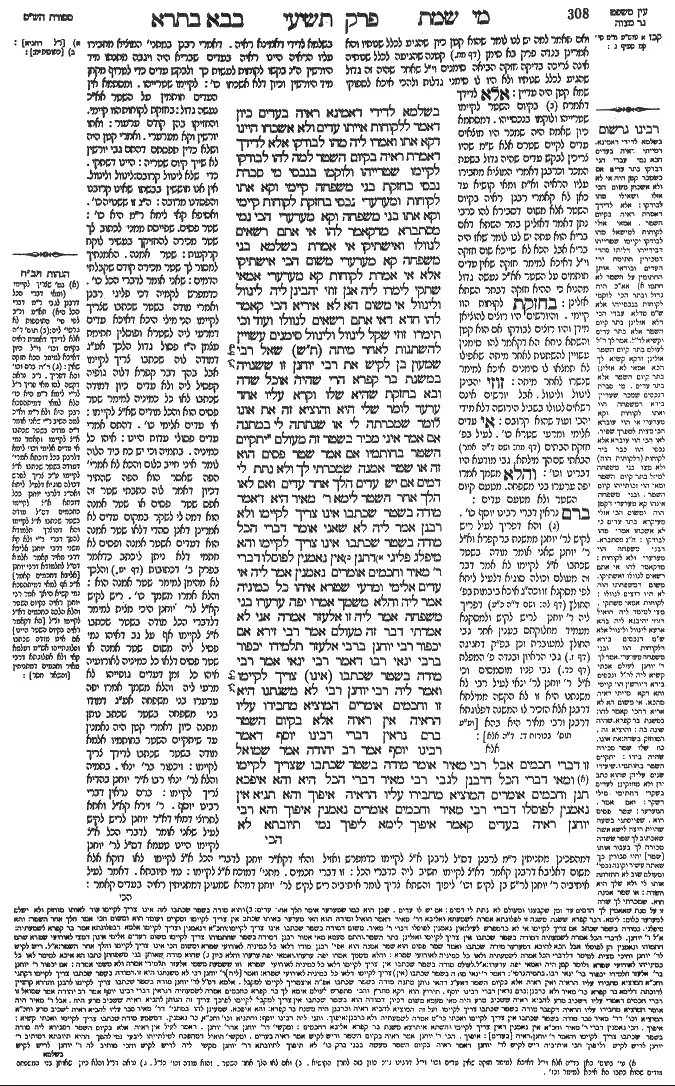
Bava Batra 154b - Guemara
בשלמא לדידי דאמינא ראיה בעדים כיון דאמר ללקוחות אייתו עדים ולא אשכחו היינו דקא אתו ואמרו ליה מהו לבודקו אלא לדידך דאמרת ראיה בקיום השטר למה להו לבודקו לקיימו שטרייהו ולוקמו בנכסי מי סברת נכסי בחזקת בני משפחה קיימי וקא אתו לקוחות ומערערי נכסי בחזקת לקוחות קיימי וקא אתו בני משפחה וקא מערערי הכי נמי מסתברא מדקאמר להו אי אתם רשאים לנוולו ואישתיקו אי אמרת בשלמא בני משפחה קא מערערי משום הכי אישתיקו אלא אי אמרת לקוחות קא מערערי אמאי שתקי לימרו ליה אנן זוזי יהבינן ליה לינוול ולינוול אי משום הא לא איריא הכי קאמר להו חדא דאי אתם רשאים לנוולו ועוד וכי תימרו זוזי שקל לינוול ולינוול סימנים עשויין להשתנות לאחר מיתה (ת"ש) שאל רבי שמעון בן לקיש את רבי יוחנן זו ששנויה במשנת בר קפרא הרי שהיה אוכל שדה ובא בחזקת שהיא שלו וקרא עליו אחד ערער לומר שלי היא והוציא זה את אונו לומר שמכרתה לי או שנתתה לי במתנה אם אמר איני מכיר בשטר זה מעולם יתקיים השטר בחותמיו אם אמר שטר פסים הוא זה או שטר אמנה שמכרתי לך ולא נתת לי דמים אם יש עדים הלך אחר עדים ואם לאו הלך אחר השטר לימא ר' מאיר היא דאמר מודה בשטר שכתבו אינו צריך לקיימו ולא רבנן אמר ליה לא שאני אומר דברי הכל מודה בשטר שכתבו אינו צריך לקיימו והא מיפלג פליגי דתנן אין נאמנין לפוסלו דברי ר' מאיר וחכמים אומרים נאמנין אמר ליה אי עדים אלימי ומרעי שטרא איהו כל כמיניה אמר ליה והלא משמך אמרו יפה ערערו בני משפחה אמר ליה זו אלעזר אמרה אני לא אמרתי דבר זה מעולם אמר רבי זירא אם יכפור רבי יוחנן ברבי אלעזר תלמידו יכפור ברבי ינאי רבו דאמר רבי ינאי אמר רבי מודה בשטר שכתבו (אינו) צריך לקיימו ואמר ליה רבי יוחנן רבי לא משנתנו היא זו וחכמים אומרים המוציא מחבירו עליו הראיה אין ראיה אלא בקיום השטר ברם נראין דברי רבינו יוסף דאמר רבינו יוסף אמר רב יהודה אמר שמואל זו דברי חכמים אבל רבי מאיר אומר מודה בשטר שכתבו שצריך לקיימו ומאי דברי הכל דרבנן לגבי רבי מאיר דברי הכל היא והא איפכא תנן וחכמים אומרים המוציא מחבירו עליו הראיה איפוך והא תניא אין נאמנין לפוסלו דברי רבי מאיר וחכמים אומרים נאמנין איפוך והא רבי יוחנן ראיה בעדים קאמר איפוך לימא ליפוך נמי תיובתא לא
Comments from Rashbam - Bava Batra 154b
בשלמא לדידי דאמינא ראיה . דאמרי רבנן במתני' המוציא מחבירו עליו הראיה היינו ראיה בעדים שבריא היה ויגבה מתנתו מיד היורשין ה"נ בקשו לקוחות לעשות כך ולבקש עדים כדי לטרוף מקחן מיד היורשין וכיון דלא אשכחו כו': לקיימו שטרייהו . ומסתמא אין העדים חותמין על השטר אא"כ נעשה גדול: בחזקת לקוחות הוו קיימי . והחזיקו בהן קודם ערעור: ואתו יורשין וקא מערערי . ואמרי קטן היה ושלא כדין תפסתם דהתם גבי יורשין לא שייך קיום שטריה: היינו דשתקי . כדי שלא לינוול קרובם: לינוול ולינוול . אין אנו חוששין בבשתו שאינו קרובנו והפסדנו מרובה: ה"ג זו ששנויה כו' . ואסיפא קאי לימא ר"מ היא כו': שטר פסים . שפייסת ממני לכתוב לך שטר מכירה להחזיקך בעשיר לוקח קרקעות: שטר אמנה . האמנתיך למסור לך שטר מכירה קודם שקבלתי הדמים: שאני אומר לדברי הכל כו' . כדמפרש לקמיה דכי פליגי רבנן ואמרי מודה בשטר שכתבו שצריך לקיימו הני מילי היכא דאיכא עדים דמרעי ליה לשטרא ופוסלין חתימת עצמן ה"ז פסול גדול הלכך אע"ג דמודה לוה שכתבו צריך לקיימו אבל בהך דבר קפרא דלוה גופיה קפסיל ליה ולא עדים כיון דמודה שכתבו לאו כל כמיניה למימר שטר פסים הוא והכל מודים שא"צ לקיימו: אי עדים אלימי כו' . דהתם אמרי עדים פסולי עדות היינו: איהו כל כמיניה . בתמיה וכי יש כח ביד הלוה לומר איני חייב כלום והכא לא אמרי' הפה שאסר הוא הפה שהתיר דכיון דאמר לוה כתבתי שטר זה אפס שטר פסים או שטר אמנה הוא דמה לי לשקר במקום עדים לא אמרינן דאנן סהדי דלאו שטר אמנה הוא דעדים אשטר אמנה ופסים לא חתמי דלא ניתן ליכתב כדאמר בפרק ב' דכתובות (דף יט.) והלכך לא מהימן למימר שטר אמנה הוא: והלא אמרו משמך כו' . ריש לקיש קא"ל לר' יוחנן היכי מצית למימר דלדברי הכל מודה בשטר שכתבו א"צ לקיימו אף על גב דאיהו נמי פסיל ליה משום שטר אמנה או שטר פסים דלאו כל כמיניה לאורועיה איהו כל זמן דעדים גופייהו לא מרעי ליה והלא משמך אמרו יפה ערערו בני משפחה אע"ג דמודו בני משפחה בשטר שכתב נותן מתנה כיון דאמרי קטן היה נאמנין עד שיתקיים השטר בחותמיו אלמא מודה בשטר שכתבו לדידך צריך לקיימו: ויכפור בר' ינאי . בתמיה והלא לר' ינאי רבו א"ר יוחנן בהדיא צריך לקיימו: ברם נראין דברי רבינו יוסף . ר' זירא קא"ל ואתא לתרוצי דמאי דא"ר יוחנן לריש לקיש לעיל שאני אומר לדברי הכל א"צ לקיימו היינו טעמא דס"ל לר' יוחנן דמהפכינן מתניתין ר"מ לרבנן דס"ל לרבנן א"צ לקיימו כדמפרש ואזיל והאי דקא"ר יוחנן לדברי הכל א"צ לקיימו לאו דוקא אלא משום דאליבא דרבנן קאמר דא"צ לקיימו חשיב ליה כדברי הכל: זו דברי חכמים . מתני' דמוכח א"צ לקיימו: נמי תיובתא . דאמר לעיל איתיביה ר' יוחנן לר"ש בן לקיש וכו' ליפוך והשתא צריך לומר איתיביה ריש לקיש לר' יוחנן דמהא שמעינן דמתניתין ראיה בעדים קאמר:
Comments from Tosafot - Bava Batra 154b
אלא לדידך דאמרת בקיום השטר לקיימו שטרייהו ולוקמו בנכסייהו. דמסתמא כיון שאמת היה שמכר היו מוצאים עדים לקיים שטרם אלא ש"מ שהיו צריכין לבקש עדים שהיה גדול בשעת המכר וכרבנן דאמרי המוציא מחבירו עליו הראיה וא"ת ומאי קושיא עד כאן לא קאמרי רבנן ראיה בקיום השטר אלא משום דסבירא להו כרבי נתן דאמר דאזלינן בתר השתא דאם בריא הוא עתה יש לנו לומר שאז היה בריא אבל הכא לא שייכא שום חזקה וי"ל דאיכא למימר חזקה שאין עדים חותמים על השטר אא"כ נעשה גדול מהניא כי ההיא חזקה דבתר השתא אזלינן: בחזקת לקוחות הוו קיימי. והיורשים היו רוצים להוציאן מידן והיו רוצים לבודקו אם הוא קטן והשתא ניחא הא דקאמר להו סימנין עשויין להשתנות לאחר מיתה שאפילו לא תמצאו לו סימנים איכא למימר שנשרו לאחר מיתה: זוזי יהבינן לינוול ולינוול. אבל יורשים אינם רשאים לנוולו בשביל הירושה דלא מידי יהבי ועוד שהוא קרובם: אי עדים אלימי ומרעי שטרא כו'. לעיל בפ' חזקת הבתים (בבא בתרא דף מח: ושם ד"ה אמר) הבאתי שם הך מילתא גבי מודעא היו דברינו וכו': והלא משמך אמרו יפה ערערו בני משפחה. מטעם קיום השטר ולא מטעם עדים: ברם נראין דברי רבינו יוסף כו'. והא דפריך לעיל ריש לקיש לר' יוחנן ממשנת בר קפרא וא"'ל ר' יוחנן שאני אומר מודה בשטר שכתבו א"צ לקיימו לא אמר דבר זה מעולם וכולה סוגיא דלעיל ליתא לפי מסקנא זו וכה"ג איכא ביבמות בפ' החולץ (דף לה: ושם ד"ה כ"ע) דפריך ליה ר' יוחנן לריש לקיש ולמסקנא מעמיד מחלוקתם בענין אחר גבי החולץ למעוברת וכן בפ"ק דחגיגה (דף ז.) גבי הראיון ובנדה פ' המפלת (דף כד.) גבי פניו מוסמכים וכי א"ל ר' יוחנן לר' ינאי לעיל רבי לא משנתנו היא זו לא הקשה ממילתא דרבנן אלא הזכיר לו המשנה דפלוגתא דרבנן ורבי מאיר היא בהא [וע"ע תוס' בכורות ד: ד"ה אלא]:
Bava Batra 154b - Mishnah translated into english
Rabbi Yoḥanan explains: Granted, according to my explanation of the mishna, that I say that the proof must be presented by bringing witnesses, I can explain the baraita. Since Rabbi Akiva said to the buyers: Bring witnesses, and they did not find witnesses, this is the reason that they came and said to him: What is the halakha? Is it permitted to examine him? But according to you, that you say that the proof is presented by ratification of the deed, why do they need to examine him? Let them ratify their deed and they shall be established as owners of the property.
Rabbi Shimon ben Lakish replies: Do you maintain that the property stood in the possession of the members of his family and the buyers came and contested their possession of the property? Rather, the property stood in the possession of the buyers, and the members of his family came and contested the sale. Since they claimed that the deed was invalid, they could not prove their claim by ratifying the deed, but only by bringing witnesses or examining the body.
This, too, stands to reason, as Rabbi Akiva said to the claimants: You are not permitted to disgrace him, and they were silent. Granted, if you say that the members of his family were contesting the sale, due to that reason they were silent, as they accepted that they should not disgrace their relative. But if you say that the buyers were contesting the claim of the relatives, why were they silent? They should have said to Rabbi Akiva: We gave him money, and if our right to the property cannot be proven without disgracing him, let him be disgraced.
The Gemara rejects this argument: If it is due to that reason, i.e., this claim they could have said, there is no conclusive argument. This is what Rabbi Akiva said to them: One reason to prohibit exhuming the body is that you are not permitted to disgrace him. And furthermore, if you should say: He took the money; let him be disgraced, in any event nothing can be proved by exhuming the body, as signs indicating puberty are likely to change after death.
The Gemara suggests: Come and hear a proof: Rabbi Shimon ben Lakish asked Rabbi Yoḥanan about that which is taught in the Mishna of bar Kappara: There was one who was continually enjoying the profits from a field, and it was the presumption that it was his, and someone contested his claim, saying: It is mine. And that person, who was profiting from the field, produced a deed, in order to say: It is mine, as you sold this field to me, or: It is mine, as you gave me this field as a gift. If the one who protested his claim said: I do not recognize that deed as one that I have ever written, the deed must be ratified through its signatures.
If the one who protested his claim said: This is a document of appeasement [shtar passim], a document written only so that the holder should appear wealthy, or a document of trust, which means that I sold the field to you and provided you with the deed, trusting you to provide payment, and since you did not give me the money the sale is void, then if there are witnesses, follow the testimony of the witnesses, and if not, follow the deed.
Rabbi Shimon ben Lakish concludes: According to your explanation, the Rabbis maintain that even if the deed is ratified the claimant cannot take possession of the property without bringing witnesses. If so, shall we say that this baraita is in accordance with the opinion of Rabbi Meir, who says that when there is a debtor who admits that he wrote a promissory note, the creditor is not required to ratify it in court in order to collect payment, and it is not in accordance with the opinion of the Rabbis?
Rabbi Yoḥanan said to Rabbi Shimon ben Lakish: No, it is not so. As I say that everyone agrees that in the case of a debtor who admits that he wrote a promissory note, the creditor is not required to ratify it in court in order to collect payment. Rabbi Shimon ben Lakish asked: But don’t they disagree, as we learned in a baraita: With regard to witnesses who ratified their signatures but claimed that they were not fit to bear witness when they signed the deed, their testimony is not deemed credible to invalidate the document; this is the statement of Rabbi Meir. And the Rabbis say: Their testimony is deemed credible.
Rabbi Yoḥanan said to Rabbi Shimon ben Lakish: Even if the testimony of witnesses is powerful and they impair the validity of the deed, which they admit to have written, with regard to him, the giver, is it in his power to impair the validity of a deed that he admits to have written? Rabbi Shimon ben Lakish said to Rabbi Yoḥanan: But wasn’t it stated in your name with regard to the aforementioned incident in Bnei Brak: The members of his family contested the claim correctly, even though they admitted that the deed was authentic? This means that the claimant is required to ratify the deed. Rabbi Yoḥanan said to Rabbi Shimon ben Lakish: That statement was stated in my name by Rabbi Elazar, my disciple, but I never said that statement.
Rabbi Zeira says: If Rabbi Yoḥanan denies the statement of Rabbi Elazar, his disciple, will Rabbi Yoḥanan also deny that which he said to Rabbi Yannai, his teacher? This is as Rabbi Yannai says that Rabbi Yehuda HaNasi says: When there is a debtor who admits that he wrote a promissory note, the creditor is not required to ratify it in court in order to collect the payment. And Rabbi Yoḥanan said to Rabbi Yannai: My teacher, is this not the case discussed in our mishna, which states to the contrary: And the Rabbis say: The burden of proof rests upon the claimant? Rabbi Yoḥanan concludes: The proof mentioned in this mishna is nothing other than ratification of the deed. This indicates that Rabbi Yoḥanan maintains that according to the opinion of the Rabbis, the recipient is required to ratify the deed. If so, why does he state that everyone agrees that the recipient is not required to ratify the deed?
Rabbi Zeira explains: Indeed, the statement of our teacher, Rav Yosef, appears to be correct, as our teacher Rav Yosef says that Rav Yehuda says that Shmuel says: The opinions here should be reversed. This, the baraita taught by bar Kappara, according to which the deed does not require ratification, is the statement of the Rabbis. But Rabbi Meir says that when there is a debtor who admits that he wrote a promissory note, the creditor is not required to ratify it in court in order to collect payment. And what is the meaning of Rabbi Yoḥanan’s statement that everyone agrees that in this case, the recipient is not required to ratify the deed? Rabbi Yoḥanan means that this is the statement of the Rabbis, and a statement of the Rabbis that is disputed only by Rabbi Meir is tantamount to a statement accepted by all.
The Gemara asks: But didn’t we learn the opposite in the mishna: And the Rabbis say that the burden of proof rests upon the claimant? This means that the recipient is required to ratify the deed. The Gemara replies: Reverse the opinions in the mishna. The Gemara asks: But isn’t it taught in a baraita: With regard to witnesses who ratified their signatures but claimed that they were not fit to bear witness, their testimony is not deemed credible to invalidate the document; this is the statement of Rabbi Meir. And the Rabbis say: Their testimony is deemed credible. This indicates that according to the Rabbis the document requires ratification. The Gemara answers: Here too, reverse the opinions.
The Gemara asks: But doesn’t Rabbi Yoḥanan say with regard to the proof that the recipient is required to bring, that the proof is presented by bringing witnesses who testify that the giver was healthy, and not by ratifying the deed? The Gemara answers: Reverse the opinions of Rabbi Yoḥanan and Rabbi Shimon ben Lakish. Rabbi Yoḥanan maintains that the recipient is required to prove his claim only by ratifying the deed, whereas Rabbi Shimon ben Lakish maintains that the recipient is required to bring witnesses. The Gemara asks: Shall we say that we should also reverse the objection that Rabbi Yoḥanan raised to Rabbi Shimon ben Lakish previously, and say that Rabbi Shimon ben Lakish raised the objection to Rabbi Yoḥanan? The Gemara answers: No, that is unnecessary.
Traduction : The William Davidson digital edition of the Koren Noé Talmud, with commentary by Rabbi Adin Even-Israel Steinsaltz.