 Talmud Bavli
Bava Batra 138b : Youtube
Daf TubeYoutube
2 video classes :
Bava Batra Page 138b
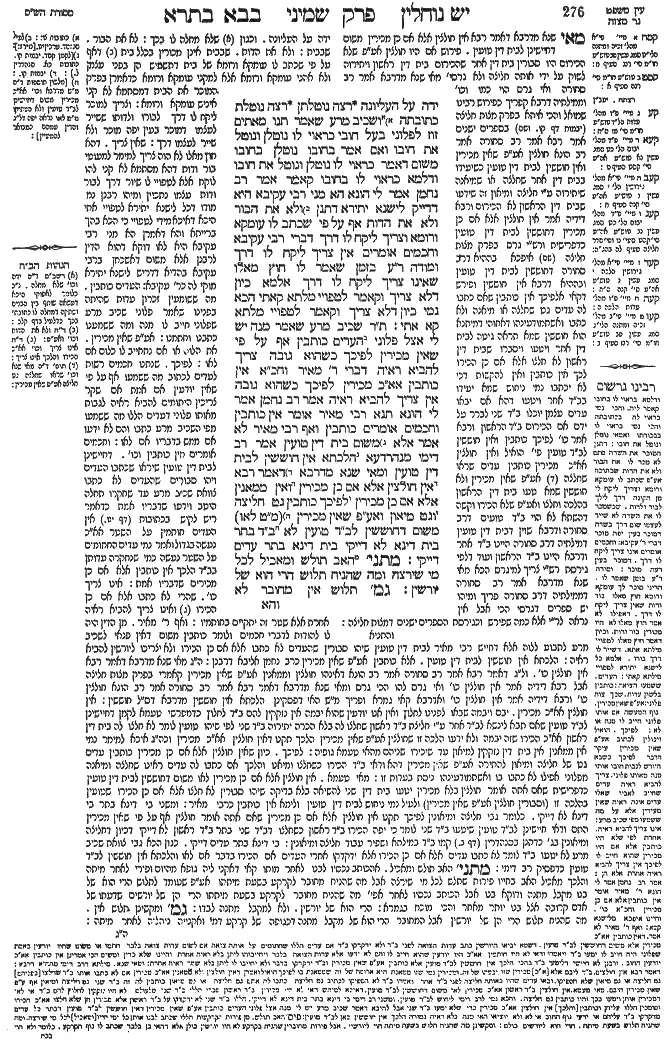
Bava Batra 138b - Guemara
ידה על העליונה רצה נוטלתן רצה נוטלת כתובתה ושכיב מרע שאמר תנו מאתים זוז לפלוני בעל חובי כראוי לו נוטלן ונוטל את חובו ואם אמר בחובו נוטלן בחובו משום דאמר כראוי לו נוטלן ונוטל את חובו ודלמא כראוי לו בחובו קאמר אמר רב נחמן אמר לי הונא הא מני רבי עקיבא היא דדייק לישנא יתירא דתנן ולא את הבור ולא את הדות אף על פי שכתב לו עומקא ורומא וצריך ליקח לו דרך דברי רבי עקיבא וחכמים אומרים אין צריך ליקח לו דרך ומודה ר"ע בזמן שאמר לו חוץ מאלו שאינו צריך ליקח לו דרך אלמא כיון דלא צריך וקאמר לטפויי מלתא קאתי הכא נמי כיון דלא צריך וקאמר לטפויי מלתא קא אתי:
ת"ר שכיב מרע שאמר מנה יש לי אצל פלוני העדים כותבין אף על פי שאין מכירין לפיכך כשהוא גובה צריך להביא ראיה דברי ר' מאיר וחכ"א אין כותבין אא"כ מכירין לפיכך כשהוא גובה אין צריך להביא ראיה אמר רב נחמן אמר לי הונא תנא רבי מאיר אומר אין כותבין וחכמים אומרים כותבין ואף רבי מאיר לא אמר אלא משום בית דין טועין אמר רב דימי מנהרדעא הלכתא אין חוששין לבית דין טועין ומאי שנא מדרבא דאמר רבא אין חולצין אלא אם כן מכירין ואין ממאנין אלא אם כן מכירין לפיכך כותבין גט חליצה וגט מיאון ואע"פ שאין מכירין (מ"ט לאו) משום דחוששין לב"ד טועין לא ב"ד בתר בית דינא לא דייקי בית דינא בתר עדים דייקי:
מתני׳ האב תולש ומאכיל לכל מי שירצה ומה שהניח תלוש הרי הוא של יורשין:
גמ׳ תלוש אין מחובר לא
Comments from Rashbam - Bava Batra 138b
ידה על העליונה . וכגון שלא מחלה לו בכך: לא את הבור . שבבית: ולא את הדות . שבבית אינן מכורין בכלל בית דאף על פי שכתב לו עומקא ורומא של בית דתשמיש הן בפני עצמן ולא אהני עומקא ורומא אלא למקני עומקא ורומא כדאמרן בפרק המוכר את הבית דמסתמא לא קני איניש עומקא ורומא: וצריך למוכר ליקח לו דרך . לבורו ולדותו ששייר לעצמו דמוכר בעין יפה מוכר ולא שייר לעצמו דרך: שאין צריך . דהא חוץ מאלו לא הוה צריך למימר למעוטי בור ודות דהא מסתמא לא קני להו לוקח אלא לטפויי לו שיור דרך לבור ודות עצמו נתכוין ומיהו רבנן נמי מודו דכל לישנא יתירא לטפויי אתי היכא דאיכא מידי לטפויי כי הכא בהך ברייתא והא דאמרן הא מני רבי עקיבא היא לאו דוקא דהוא הדין לרבנן אלא משום דאשכחן ברבי עקיבא בהדיא דדריש לישנא יתירא מוקי לה כר' עקיבא: העדים כותבין . מה ששומעין זכרון עדות שהיתה בפנינו שאמר פלוני שכיב מרע שפלוני חייב לו מנה ומה ששמענו כתבנו וחתמנו: אע"פ שאין מכירין . את הלוה או אם נתחייב לו כלום אם לאו: לפיכך . שנתנו חכמים רשות לעדים לכתוב מה ששמעו אף על פי שאין יודעין אם אמת אם שקר צריכין היתומים להביא ראיה לגבות מאותו פלוני דעדים הללו מה ששמעו מפי השכיב מרע כתבו והם לא ידעו אם ממש בדבריו אם לאו: וחכמים אומרים אין כותבין וכו' . דחיישינן לבית דין טועין שיראו שכתבו העדים ויהו סבורים שהעדים לא כתבו צוואת שכיב מרע עד שחקרו תחלה היטב וידעו שדבריו אמת כדאמר ריש לקיש בכתובות (דף יט.) אין העדים חותמין על השטר אא"כ נעשה בגדול ואמר נמי עדים החתומים על השטר נעשה כמי שנחקרה עדותן בב"ד הלכך אין כותבין אלא אם כן מכירים שדבריו אמת: אינו צריך כו' . שהרי לא כתבו אלא אם כן הכירו ואינו צריך להביא ראיה אחרת אלא שטר זה יתקיים בחותמיו: ואף ר' מאיר . מן הדין היה לו להודות לדברי חכמים ולומר כותבין משום דאין פנאי לשכיב מרע לתבוע ללוה אלא דחייש רבי מאיר לבית דין טועין שיהו סבורין שהעדים לא כתבו אלא אם כן הכירו ולא יצריכו ליורשין להביא ראיה: הלכתא אין חוששין לבית דין טועין . אלא כותבין אע"פ שאין מכירין כרב נחמן אליבא דרבנן: ה"ג מאי שנא מדרבא דאמר רבא אין חולצין כו' . ול"ג דאמר רבא אמר רב סחורה אמר רב הונא דאינהו חולצין וממאנין אע"פ שאין מכירין קאמרי בפרק מצות חליצה אבל רבא דידיה אמר אין חולצין כו' ואי גרס להו הכי גרס ומאי שנא מדרבא דאמר רבא אמר רב סחורה אמר רב הונא חולצין כו' ורבא דידיה אמר אין חולצין כו' ואדרבא קאי גמרא ופריך מ"ש האי דפסקינן הלכתא אין חוששין מדרבא דס"ל חוששין: אין חולצין אא"כ מכירין. יבם ויבמה שבאו לפנינו לחלוץ ואין אנו יודעין שהוא יבמה אין נזקקין להם ב"ד לחלוץ כדמפרשי טעמא לקמן דחיישינן לב"ד טועין שאם תבא לינשא לב"ד אחר ע"י חליצת ב"ד ראשון שחלצו לה בלא הכרה יתירוה ב"ד שני לפי שיהו טועין לומר לא חלצו לה בית דין ראשון אא"כ הכירו שזה יבמה ולא ידעו הלכה זו שחולצין אע"פ שאין מכירין הלכך תקנו דאין חולצין אא"כ מכירין וכה"ג איכא למימר נמי אין ממאנין אין בית דין נזקקין למיאון עד שיכירו שניהם מהאי טעמא גופיה: לפיכך. כיון שאין חולצין אלא אם כן מכירין כותבין עדים גט של חליצה ומיאון להתירה אע"פ שאין מכירין דהא ודאי ב"ד הכירו כשחלצו ומיאנו והלכך אם כתבו לה עדים ראינו שחלצה ומיאנה מפלוני אפילו לא כתבו בו ואשתמודעינהו ניסת בעדות זו: מאי טעמא. אין חולצין אלא אם כן מכירין לאו משום דחוששין לבית דין טועין כדפרישית שאם אתה אומר חולצין בלא מכירין יטעו בית דין שני להשיאה בלא בדיקה שיהו סבורין לא חלצו אלא אם כן הכירו שטועין בהלכה זו (וסבורין חולצין אע"פ שאין מכירין) ולעיל נמי ניחוש לבית דין טועין ולימא אין כותבין כרבי מאיר: ומשני בי דינא בתר בי דינא לא דייקי . כלומר גבי חליצה ומיאונין לפיכך תקנו אין חולצין אלא אם כן מכירין שאם אתה אומר חולצין אף על פי שאין מכירין התם ודאי חיישינן לב"ד טועין שיטעו ב"ד שני לומר כי יפה הכירו ב"ד ראשון כשחלצו דב"ד שני בתר ב"ד ראשון לא דייקי דכיון דחליצה ומיאונין בג' כדתנן בסנהדרין (דף ב.) קמו ב"ד במילתא ושפיר עבוד חליצה ומיאונין: בי דינא בתר עדים דייקי . כגון הכא גבי צוואת שכיב מרע לא יטעו ב"ד לומר לא כתבו עדים אלא אם כן הכירו אלא ידקדקו אחרי העדים אם הכירו בדבר אם לאו והלכתא אין חוששין לב"ד טועין כדפסיק רב דימי: מתני' האב תולש ומאכיל . אהכותב נכסיו לבנו לאחר מותו קאי דאקני ליה גופא מהיום ופירי לאחר מיתה והלכך מאכיל האב בחייו פירות שתלש לכל מי שירצה אבל מה שהניח מחובר לקרקע בשעת מיתתו אע"פ שעומד לתלוש הרי הוא של בנו מקבל מתנה ודוקא בנו אבל הכותב נכסיו לאחר אפי' מה שהניח מחובר לקרקע בשעת מיתתו הרי הן של יורשים שדעתו של אדם קרובה אצל בנו יותר מאחר והכי מוכח בגמרא: הרי הוא של יורשין . ולא למקבל מתנה לבדו: גמ' ומקשינן תלוש אין . מה שהניח תלוש הרי הן של יורשין אבל המחובר הרי הוא של מקבל מתנה דכגופה של קרקע דמי ואקנייה ניהליה לאחר מיתה:
Comments from Tosafot - Bava Batra 138b
מאי שנא מדרבא דאמר רבא אין חולצין אלא אם כן מכירין משום דחיישינן לבית דין טועין. פירוש אם היו חולצין אע"פ שלא הכירום היו סבורין בית דין אחר שהכירום בית דין ראשון ויתירוה לשוק על ידי אותה חליצה ולא גרסי' מאי שנא מדרבא אמר רב סחורה ואי גרס הוי כמו וכו' וממילתיה דרבא קפריך כפירוש רבינו שמואל והכי איתא בפרק מצות חליצה (יבמות דף קו. ושם) בספרים ישנים אמר רבא אמר רב סחורה אמר רב הונא חולצין אע"פ שאין מכירין ואין חוששין לבית דין טועין כשיעידו בבית דין אחר שחלצה או שמיאנה שיתירוה ע"י חליצה ומיאון זה שידעו שבית דין הראשון לא הכירום ורבא דידיה אמר אין חולצין אלא אם כן מכירין דחוששין לבית דין טועין כדפרישית ורש"י גרס בפרק מצות חליצה (שם) איפכא בההיא דרב סחורה דחוששין לבית דין טועין ובההיא דרבא אין חוששין ופירש דקאי אלפיכך אין כותבין שאם כתבו לה עדים גט שחלצה או מיאנה ולא כתבו ואשתמודעינהו דאחוהי דמיתנא הוא חוששין שמא תראה גיטה לבית דין אחר ויטעו ויסברו שבית דין ראשון לא חלצו אלא אם כן הכירו לכך אין כותבין ואין להקשות דכי לא יכתבו נמי ניחוש שמא יעידו בב"ד אחר ויטעו דהא אם יבאו עדים עצמן יוכלו ב"ד שני לברר על ידם אם הכירום ב"ד הראשון ורבא אמר כו' לפיכך כותבין ואין חוששין לב"ד טועין פי' הואיל ואין חולצין אא"כ מכירין כותבין עדים שראו שחלצה אע"פ שאין מכירין ולא חוששין שמא טעו בית דין הראשון בהלכה וחלצו ואע"פ שלא הכירו וקשה דהשתא לא הוי ב"ד טועים דרב סחורה ודרבא שוין דבית דין טועין דמילתיה דרב סחורה היינו ב"ד אחר ודרבא היינו ב"ד הראשון ועוד דלפי גירסת רש"י צריך למיגרס הכא מאי שנא מדרבא אמר רב סחורה דממילתיה דרב סחורה פריך ומיהו יש ספרים דגרסי הכי אבל אין נראה לר"י אלא כמה שפירש וכגירסת הספרים ישנים דמצות חליצה:
Bava Batra 138b - Mishnah translated into english
she has the advantage; if she wants, she takes the two hundred dinars, and if she wants, she takes payment of her marriage contract.
The baraita continues: And if there was a person on his deathbed who said: Give two hundred dinars to so-and-so, my creditor, as is appropriate for him, the creditor takes the two hundred dinars and takes payment of the debt as well. But if he said: Give him two hundred dinars as payment for the debt, he takes the two hundred dinars as payment for the debt.
The Gemara asks: Because he says: As is appropriate for him, he takes the two hundred dinars and takes payment of the debt as well? But perhaps he was saying: As is appropriate for him as payment for the debt, and meant only to specify the amount of the debt.
Rav Naḥman said: Rav Huna said to me: In accordance with whose opinion is this? It is in accordance with the opinion of Rabbi Akiva, who expounds superfluous language. Rabbi Akiva holds that if one uses unnecessary words, he apparently intended to add a matter.
As we learned in a mishna (64a): One who sells a house without specification has sold neither the pit nor the cistern [dut] with it, even if he writes for the buyer in the bill of sale: With its depth and its height. This is because anything that is not part of the house, like pits and cisterns, must be explicitly mentioned in the contract or else they remain in the seller’s possession. And therefore the seller must purchase for himself a path through the buyer’s domain to reach whatever remains his, because he has sold the area of the house along with the house itself, and he no longer has permission to walk there. This is the statement of Rabbi Akiva.
And the Rabbis say: The seller need not purchase for himself a path through the buyer’s domain, as this is certainly included in what he has withheld for himself from the sale. And Rabbi Akiva concedes that when the seller says to the buyer in the bill of sale: I am selling you this house apart from the pit and the cistern, he need not purchase for himself a path through the buyer’s domain. Since the seller unnecessarily emphasized that the pit and the cistern are not included in the sale, he presumably intended to reserve for himself the right of access to them.
Apparently, according to Rabbi Akiva, since he did not need to state: Apart from the pit and the cistern, and stated it anyway, the seemingly superfluous statement was coming to add a matter. Since the seller unnecessarily stressed that the pit and cistern are not included in the sale, he must have intended to thereby reserve for himself the right of access. Here too, with regard to the gift given by a person on his deathbed to his creditor, since he did not need to say: As is appropriate for him, and said it anyway, this phrase was coming to add a matter, i.e., that the two hundred dinars are in addition to the debt.
§ The Sages taught (Tosefta 8:18): If there was a person on his deathbed who said: I have one hundred dinars owed to me by so-and-so, the witnesses that hear this may write his statement in a document even if they do not know whether the statement is true. Therefore, when the person’s heir collects the debt, he must bring proof of the debt, as the document written by these witnesses is not regarded as proof. This is the statement of Rabbi Meir. And the Rabbis say: The witnesses may not write the document unless they know for a fact that the statement is true. Therefore, when the heir collects the debt, he need not bring proof other than the document written by the witnesses, as it has the status of a promissory note.
Rav Naḥman says: Rav Huna told me that the opposite is taught in another baraita: Rabbi Meir says that the witnesses may not write his statement in a document unless they know for a fact that the statement is true, and the Rabbis say that they may write it even if they do not know whether the statement is true; and even Rabbi Meir said that they may not write it only due to the concern that it might be presented before a court that errs and allows the heirs to collect without furnishing additional proof. Rav Dimi of Neharde’a says: The halakha is that there is no concern about the possibility of a court that errs.
The Gemara asks: And in what way is this case different from Rava’s statement? As Rava says: A court may not supervise ḥalitza unless the judges recognize the yavam and yevama. And a court may not supervise a declaration of the refusal of a girl upon her reaching majority to remain married to the man to whom her mother or brothers married her as a minor after the death of her father, unless they recognize the girl. Therefore, another court may write a document attesting to the performance of ḥalitza or a document stating that a declaration of refusal was made in a court elsewhere based on the testimony of witnesses even if the judges do not recognize these people, relying on the presumption the first court would not have allowed the act to be performed had they not been sure of the identities of the parties.
What is the reason Rava said that the court must recognize the participants in these actions? Is it not due to the concern that a court that errs might write such a document based on the testimony of witnesses without verifying that the participating parties were recognized by the court where the ḥalitza or refusal took place?
The Gemara answers: The two issues are not the same. A court does not normally examine the act of another court, so there is concern that the court where the document is written might assume that the court where the act took place recognized the participating parties. But a court does normally examine the statement of witnesses. Therefore, there is no concern that it will rely on a statement written by witnesses without their knowledge of its accuracy.
MISHNA: In continuation of the case discussed in the previous mishna of a father who wrote a document granting his property to his son but reserved the rights to the produce during his lifetime, the mishna states that the father may detach produce from the land and feed the produce to whomever he wishes, and what he left detached at the time of his death belongs to all the father’s heirs, not only to this son.
GEMARA: The mishna indicates that what the father left detached, yes, it is inherited by all the heirs; but the produce that is connected to the ground at the time of his death, no, it is not inherited by them. Rather, it belongs to the son who received the property.
Traduction : The William Davidson digital edition of the Koren Noé Talmud, with commentary by Rabbi Adin Even-Israel Steinsaltz.