 Talmud Bavli
Bava Batra 109b : Youtube
Daf TubeYoutube
2 video classes :
Bava Batra Page 109b
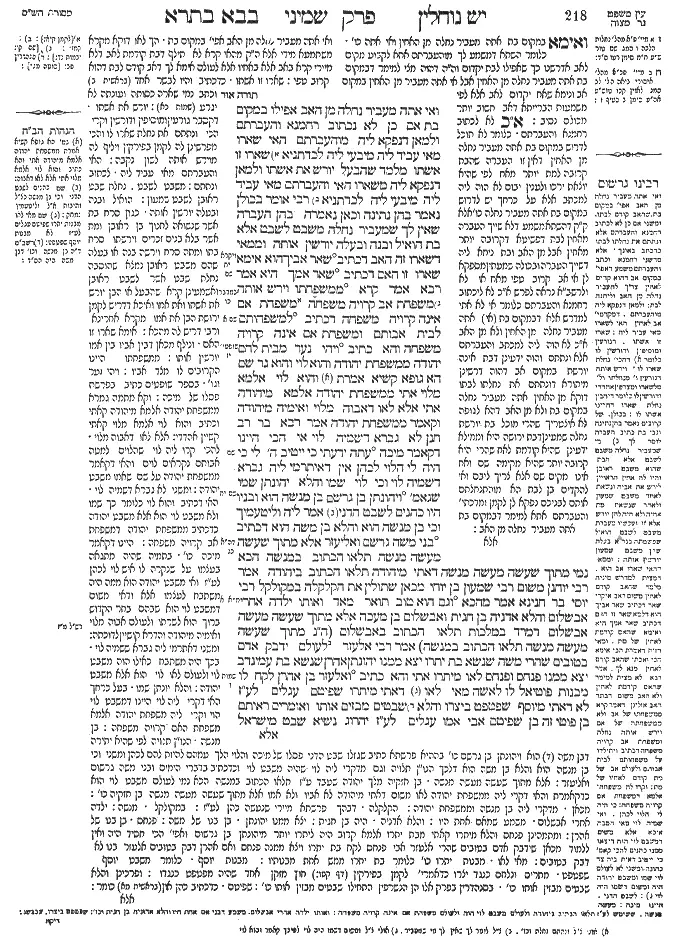
Bava Batra 109b - Guemara
ואי אתה מעביר נחלה מן האב אפילו במקום בת אם כן לא נכתוב רחמנא והעברתם ולמאן דנפקא ליה מוהעברתם האי שארו מאי עביד ליה מיבעי ליה לכדתניא שארו זו אשתו מלמד שהבעל יורש את אשתו ולמאן דנפקא ליה משארו האי והעברתם מאי עביד ליה מיבעי ליה לכדתניא רבי אומר בכולן נאמר בהן נתינה וכאן נאמרה בהן העברה שאין לך שמעביר נחלה משבט לשבט אלא בת הואיל ובנה ובעלה יורשין אותה וממאי דשארו זה האב דכתיב (ויקרא יח, יב) שאר אביך הוא אימא שארו זו האם דכתיב (ויקרא יח, יג) שאר אמך היא אמר רבא אמר קרא (במדבר כז, יא) ממשפחתו וירש אותה משפחת אב קרויה משפחה משפחת אם אינה קרויה משפחה דכתיב (במדבר א, ב) למשפחותם לבית אבותם ומשפחת אם אינה קרויה משפחה והא כתיב (שופטים יז, ז) ויהי נער מבית לחם יהודה ממשפחת יהודה והוא לוי והוא גר שם הא גופא קשיא אמרת והוא לוי אלמא מלוי אתי ממשפחת יהודה אלמא מיהודה אתי אלא לאו דאבוה מלוי ואימיה מיהודה וקאמר ממשפחת יהודה אמר רבא בר רב חנן לא גברא דשמיה לוי אי הכי היינו דקאמר מיכה (שופטים יז, יג) עתה ידעתי כי ייטיב ה' לי כי היה לי הלוי לכהן אין דאיתרמי ליה גברא דשמיה לוי וכי לוי שמו והלא יהונתן שמו שנאמ' (שופטים יח, ל) ויהונתן בן גרשם בן מנשה הוא ובניו היו כהנים לשבט הדני אמר ליה וליטעמיך וכי בן מנשה הוא והלא בן משה הוא דכתיב (דברי הימים א כג, טו) בני משה גרשם ואליעזר אלא מתוך שעשה מעשה מנשה תלאו הכתוב במנשה הכא נמי מתוך שעשה מעשה מנשה דאתי מיהודה תלאו הכתוב ביהודה אמר רבי יוחנן משום רבי שמעון בן יוחי מכאן שתולין את הקלקלה במקולקל רבי יוסי בר חנינא אמר מהכא (מלכים א א, ו) וגם הוא טוב תואר מאד ואותו ילדה אחרי אבשלום והלא אדניה בן חגית ואבשלום בן מעכה אלא מתוך שעשה מעשה אבשלום דמרד במלכות תלאו הכתוב באבשלום (ה"נ מתוך שעשה מעשה מנשה תלאו הכתוב במנשה) אמר רבי אלעזר לעולם ידבק אדם בטובים שהרי משה שנשא בת יתרו יצא ממנו יהונתן אהרן שנשא בת עמינדב יצא ממנו פנחס ופנחס לאו מיתרו אתי והא כתיב (שמות ו, כה) ואלעזר בן אהרן לקח לו מבנות פוטיאל לו לאשה מאי לאו דאתי מיתרו שפיטם עגלים לע"ז לא דאתי מיוסף שפטפט ביצרו והלא שבטים מבזים אותו ואומרים ראיתם בן פוטי זה בן שפיטם אבי אמו עגלים לע"ז יהרוג נשיא שבט מישראל
Comments from Rashbam - Bava Batra 109b
ואי אתה מעביר נחלה מן האב אפי' במקום בת . הך לאו דוקא מקרא משתמעא מידי אלא ה"ק מהאי קרא לא תילף דבת קודמת לאב דלא מיירי קרא באב אלא באחיו אלא לעולם אימא לך דאב קודם לבת דהוא קרוב טפי: אם כן . דלגלויי אתא האי והעברת דאחין ירתי במקום שאין בת לא ליכתוב והעברת דממילא שמעינן לה מדכתב ואם אין לו בת ונתתם את נחלתו לאחיו דהא להאי תנא קראי כסדרן כתיבי דהא לא דריש שארו לאב דנימא שלא כסדרן כתיבי: שארו זו אשתו . כדכתיב והיו לבשר אחד (בראשית ב) וכתב נמי שארה כסותה ועונתה לא יגרע (שמות כא): יורש את אשתו . דקסבר גורעין ומוסיפין ודורשין וקרי הכי ונתתם את נחלת שארו לו והכי מפרשינן לה לקמן בפירקין ויליף לה מוירש אותה לשון נקבה: האי והעברתם מאי עביד ליה . לכתוב ונתתם: משבט לשבט . נחלת שבט ראובן לשבט שמעון: הואיל ובנה ובעלה יורשין אותה . כגון סרח בת אשר שנשואה לחנוך בן ראובן ומת אשר בלא בנים זכרים וירשתו סרח בתו ומתה סרח וירשה בנה או בעלה שהם משבט ראובן נמצא שהוסבה נחלת שבט אשר לשבט ראובן ואשמעינן קרא שהבעל או הבן יורש את אשתו ואת אמו ואיכא דדריש לקמן ירושת הבן את אמו מקרא אחרינא ורבי דריש לה מהכא: אימא שארו זו האם . ונילף מכאן דבין אביו בין אמו יורשין אותו: ממשפחתו . היינו הקרובים לו מצד אביו: ויהי נער וגו' . בספר שופטים כתיב בפרשת פסלו של מיכה: וקא מתמה גמרא ממשפחת יהודה אלמא מיהודה קאתי וכתיב והוא לוי אלמא מלוי קאתי קשיין אהדדי: אלא לאו דאבוה מלוי . להכי קרו ליה לוי שהלוים למטה אבותם נקראים לוים והאי דקאמר ממשפחת יהודה על שם שאמו משבט יהודה: ומשני לא גברא דשמיה לוי . האי דכתיב והוא לוי כלומר כך שמו ולא משבט לוי הוא אלא משבט יהודה כדכתיב ממשפחת יהודה דמשפחת אב קרויה משפחה: היינו דקאמר מיכה כו' . בתמיה שהיה מתגאה בעצמו על שנקרה לו איש לוי לכהן לע"ז ואי משבט יהודה הוא ממה היה משתבח לעצמו אלא ודאי משום דמשבט לוי הוא שבהם בחר הקדוש ברוך הוא לשרתו ולעולם אבוה מלוי ואימיה מיהודה והדרא קושיין לדוכתה: ומשני דאתרמי ליה גברא ששמיה לוי . בכך היה משתבח כאילו הוה משבט לוי ולעולם לאו לוי הוא אלא משבט יהודה: והלא יונתן שמו . בעל כרחך האי דקרי ליה לוי היינו דמשבט לוי הוי וקרי ליה משפחת יהודה אלמא משפחת האם קרויה משפחה: בן מנשה . הנו"ן תלויה לפי שהיא יתירה דבן משה הוא ויהונתן בן גרשם כו' בההיא פרשתא כתיב שגזלו שבט הדני פסלו של מיכה והלוי הלך עמהם להיות להם לכהן ומשני וכי בן מנשה הוא והלא בן משה הוא דלכך הנו"ן תלויה וגם מדקרי ליה לוי שהיה משבט לוי וכדכתיב בדברי הימים ובני משה גרשום ואליעזר: אלא מתוך שעשה מעשה מנשה . בן חזקיה מלך יהודה שעבד ע"ז תלאו הכתוב במנשה הכא נמי לעולם משבט לוי הוא כדקאמרת והאי דקרי ליה ממשפחת יהודה לאו משום דאתי מיהודה לא אביו ולא אמו אלא מתוך שעשה מעשה מנשה בן חזקיה כו': מכאן . מדקרי ליה בן מנשה וממשפחת יהודה: הקלקלה . דבהך פרשתא מיירי שנעשה כהן לע"ז: במקולקל . מנשה: ילדה אחרי אבשלום . משמע שמאם אחת היו: והלא אדניה . היה בן חגית: יצא ממנו יהונתן . בן בנו של משה: פנחס . בן בנו של אהרן: ומתמהינן פנחס והלא מיתרו קאתי מבת יתרו אלמא קרוב היה ליתרו יותר מיהונתן בן גרשום ואפי' הכי חסיד היה ואין ללמוד מכאן שידבק אדם בטובים שהרי אלעזר אבי פנחס לקח בת יתרו ויצא ממנה פנחס ואם אהרן דבק בטובים אלעזר בנו לא דבק בטובים: מאי לאו . מבנות יתרו כו' כלומר בת יתרו ממש אחת מבנותיו: מבנות יוסף . כלומר משבט יוסף: שפטפט . מתריס ונלחם כנגד יצרו כדאמרי' לקמן בפירקין (בבא בתרא דף קטו:) חוץ מזקן אחד שהיה מפטפט כנגדו: ופרכינן והלא שבטים מבזין אותו כו' . בסנהדרין בפרק אלו הן הנשרפין התחילו שבטים מבזין אותו כו': שפיטם . כדכתיב כהן און (בראשית מא) כומר:
Comments from Tosafot - Bava Batra 109b
ואימא במקום בת אתה מעביר נחלה מן האחין ואי אתה כו'. כלומר השתא דמשמע לך מוהעברתם אתא לקבוע מקום לאב אדרשנו כך שאפילו לבת יקדום וה"ה דהוה מצי למימר דבמקום בת אתה מעביר נחלה מן האחין אבל אי אתה מעביר מן האחין במקום אב ונימא שאח יקדום לאב אלא לפי משמעות הברייתא דאב חשוב יותר מכולם נסיב: א"כ לא לכתוב רחמנא והעברתם. כלומר לא תוכל לדרוש במקום בת אתה מעביר נחלה מן האחין דאין זו העברה שהבת קרובה למת יותר מאח לפי שהיא יוצאת ירכו ולענין יבום לא הוה ליה למכתב אלא על כרחך יש לדרוש במקום בת אתה מעביר נחלה כו' אלא ק"ק דהשתא משמע דלא שייך העברה מאחין לבת דפשיטא דקרובה יותר מאחין אבל מן האב ובת ניחא ליה דשייך העברה ובכולה שמעתין מספקא לן אי אב קרוב טפי מאח או לא ולרשב"א נראה לפרש א"כ לא ליכתוב רחמנא והעברתם כלומר אי לא אתי למדרש אלא דבמקום בת (אי) אתה מעביר נחלה מן האחין ולא מן האב א"כ לא הוה ליה למכתב והעברתם אלא ונתתם והוה ידעינן דבת אינה יורשת במקום אב דהוה דרשינן מיתורא דונתתם את נחלתו לבתו דוקא מן האחין אתה מעביר נחלה במקום בת ולא מן האב דהא לגופה לא איצטריך שהרי מוכל בת יורשת נחלה שמעינן דבת ירושה היא וממילא ידעינן שהיא קודמת לאח שהרי היא קרובה יותר שהיא מקימה שם ואח אינו מקים שם אלא צריך ליבם ואי להקדים בן לבת הא מוהתנחלתם אותם לבניכם נפקא לן לקמן ומדכתי' והעברתם אתא למימר דבמקום בת אתה מעביר נחלה מן האב:
Bava Batra 109b - Mishnah translated into english
but you do not pass an inheritance from the father even in a case where there is a daughter, so that the father precedes the daughter in the order of inheritance? The Gemara answers: If so, the Merciful One would not write: “Then you shall pass the inheritance to his daughter” (Numbers 27:8). This indicates that the logical order of inheritance is being overridden, as the fact that the daughter precedes the brothers of the deceased is due to her being a closer relative of his. It is obvious that the Torah intends that she precede even the father.
Having quoted two derivations for the halakha that the father precedes the brothers, the Gemara proceeds to discuss them and asks: And according to the one who derives it from the term: “And you shall pass,” what does he do with this term: “His kinsman,” which was said to refer to the father? The Gemara answers: He requires it for that which is taught in a baraita: “His kinsman.” This is referring to his wife, and the Torah teaches that a husband inherits from his wife.
The Gemara asks: And according to the one who derives it from the term: “His kinsman,” what does he do with this term: “And you shall pass”? He requires it for that which is taught in a baraita, that Rabbi Yehuda HaNasi says: In the context of all of the relatives listed in the passage detailing the laws of inheritance, it is stated concerning them with the terminology of giving, and only here, in the context of daughters, it is stated concerning them with the terminology of passing. This teaches us that you have no one who passes an inheritance of land in Eretz Yisrael from one tribe to another except for a daughter, since her son and husband inherit from her.
§ The Gemara returns to discuss the interpretation of the term: “His kinsman” (Numbers 27:11). And from where does one know to derive that with regard to the term: “His kinsman [she’ero],” this is referring to the father, as it is written in the context of forbidden sexual relations: “She is your father’s kinswoman [she’er]” (Leviticus 18:12)? Perhaps one should say instead: “His kinswoman,” this is referring to the mother, as it is also written: “For she is your mother’s kinswoman [she’er]” (Leviticus 18:13).
Rava said in response that the verse states: “Then you shall give his inheritance to his kinsman who is next to him of his family, and he shall inherit it” (Numbers 27:11), emphasizing that “kinsman” is referring specifically to someone who is of his family, and it is the father’s family that is called one’s family, while one’s mother’s family is not called one’s family. Proof for this is found in another verse, as it is written: “By their families, by their fathers’ houses” (Numbers 1:2).
The Gemara raises a difficulty: And is one’s mother’s family indeed not called one’s family? But it is written in the episode of Micah forming an idol to be worshipped: “And there was a young man of Bethlehem in Judah of the family of Judah who was a Levite, and he sojourned there” (Judges 17:7). The Gemara explains the difficulty: This matter itself is difficult. You said: “Who was a Levite,” as apparently he came from the tribe of Levi, but the verse says: “Of the family of Judah,” so apparently he came from the tribe of Judah. Rather, is it not that his father was from the tribe of Levi and his mother was from the tribe of Judah, and yet the verse says that he was: “Of the family of Judah”? This appears to prove that one’s mother’s family is also called his family.
Rava bar Rav Ḥanan said in response: No, the verse speaks of a man whose name was Levi, but his father was of the tribe of Judah. The Gemara asks: If that is so, how is that which Micah said when that man agreed to serve as his priest: “Now I know that the Lord will do me good, seeing that I have a Levite as my priest” (Judges 17:13), understood? It is understood only if he was an actual Levite, not if he was from the tribe of Judah and named Levi. Rava bar Rav Ḥanan responded: Yes, it is understood. Micah understood the fact that a man whose name is Levi happened upon him as an auspicious sign.
The Gemara asks further: But is it so that his name was indeed Levi; but wasn’t Jonathan his name, as it is stated: “And Jonathan, the son of Gershom, the son of Manasseh, he and his sons were priests to the tribe of the Danites” (Judges 18:30)? Rava bar Rav Ḥanan said to him: And according to your reasoning, that his name was not Levi but he was from the tribe of Levi, there is also a difficulty from that same verse: But is it so that he was the son of Manasseh; but wasn’t he the son of Moses, as it is written: “The sons of Moses: Gershom and Eliezer” (I Chronicles 23:15)?
Rava bar Rav Ḥanan explains the verse: Rather, although he was the son of Moses, because he acted as Manasseh the king of Judah, who was notorious for idol worship, acted, the verse linked him to Manasseh by calling him “the son of Manasseh.” Here too, in the verse from which you seek to prove that one’s mother’s family is called one’s family, since he acted as Manasseh, who came from the tribe of Judah, acted, the verse linked him to Judah by stating that he was “of the family of Judah,” but he was, in fact, a Levite.
In connection with this, Rabbi Yoḥanan says in the name of Rabbi Shimon ben Yoḥai: From here it is learned that corruption is linked to one who is corrupt, as this man was linked to Manasseh and Judah despite having no familial connection to them. Rabbi Yosei bar Ḥanina says: That concept can be seen from here, in the matter of Adonijah, the son of David: “And he was also a very handsome man; and she gave birth to him after Absalom,” (I Kings 1:6) but Adonijah wasn’t the son of Haggith and Absalom was the son of Maachah, so why does the verse state: “And she gave birth to him after Absalom,” as if they were sons of the same mother? Rather, since Adonijah acted in a manner fit for Absalom, who also rebelled against the monarchy, the verse linked him to Absalom, referring to him as his full brother. Here too, with regard to Jonathan, since he acted as Manasseh acted, the verse linked him to Manasseh.
§ In connection with the story of Jonathan, son of Manasseh, the Gemara cites a related statement. Rabbi Elazar says: A person should always cleave to good people, meaning one should marry a woman from a good family, as this is beneficial for the offspring of that marriage. As in the case of Moses, who married a daughter of Yitro, who was a priest of idolatry, Jonathan, who was also a priest of idolatry, descended from him, while in the case of Aaron, who married the daughter of Amminadab, who was of distinguished lineage in the tribe of Judah, Pinehas descended from him.
The Gemara asks: And did Pinehas not also come from Yitro? But it is written: “And Elazar, Aaron’s son, took one of the daughters of Putiel as a wife; and she bore him Pinehas” (Exodus 6:25). What, is it not stating that Pinehas came from the family of Yitro, who was also called Putiel because he fattened [pittem] calves for idol worship? The Gemara answers: No, it is stating that he came from Joseph, who battled [shepitpet] with his desire by resisting the advances of Potiphar’s wife.
The Gemara asks: But didn’t the tribes denigrate him after he killed Zimri (see Numbers, chapter 25), and say of him: Have you seen this son of Puti, the son of he whose mother’s father fattened calves for idol worship? Should such a man kill a prince of a tribe of Israel?
Traduction : The William Davidson digital edition of the Koren Noé Talmud, with commentary by Rabbi Adin Even-Israel Steinsaltz.