 Talmud Bavli
Bava Batra 112b : Youtube
Daf TubeYoutube
2 video classes :
Bava Batra Page 112b
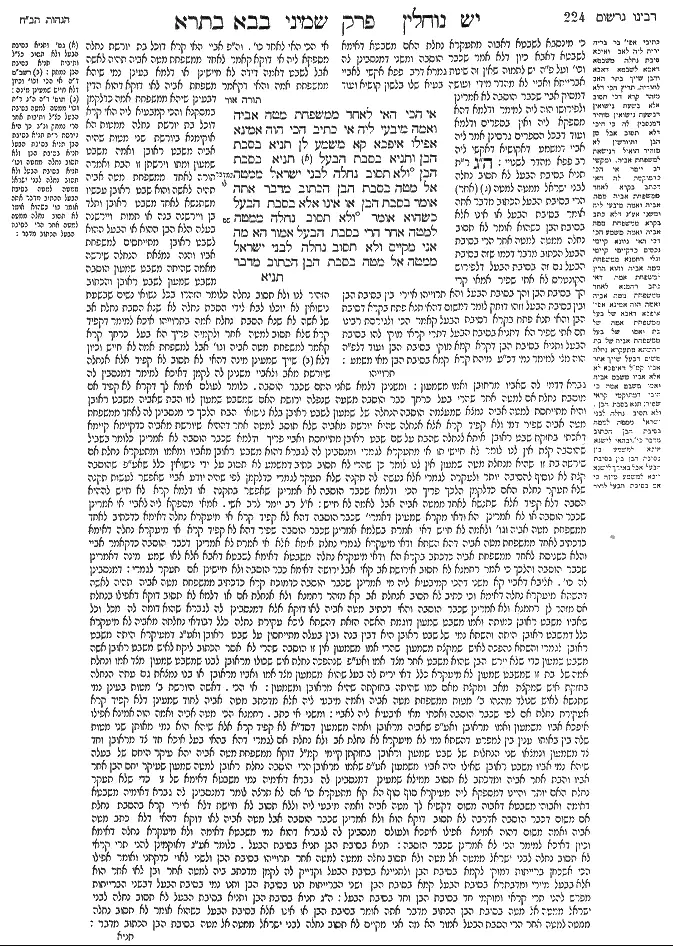
Bava Batra 112b - Guemara
אי הכי האי לאחד ממשפחת מטה אביה ואמה מיבעי ליה אי כתיב הכי הוה אמינא אפילו איפכא קא משמע לן תניא בסבת הבן ותניא בסבת הבעל תניא בסבת הבן (במדבר לו, ז) ולא תסוב נחלה לבני ישראל ממטה אל מטה בסבת הבן הכתוב מדבר אתה אומר בסבת הבן או אינו אלא בסבת הבעל כשהוא אומר (במדבר לו, ט) ולא תסוב נחלה ממטה למטה אחר הרי בסבת הבעל אמור הא מה אני מקיים ולא תסוב נחלה לבני ישראל ממטה אל מטה בסבת הבן הכתוב מדבר
Comments from Rashbam - Bava Batra 112b
אי הכי . דאשה היורשת ב' מטות בעינן נמי שתנשא לאיש שנולד מהנהו ב' מטות ממשפחת מטה אביה ואמה מיבעי ליה אלא מדכתב מטה אביה לחוד שמעינן דלא קפיד קרא אעקירת נחלת אם לפי שכבר הוסבה ואכתי מאי איבעיא ליה לאביי: ומשני אי כתב . רחמנא הכי מטה אביה ואמה הוה אמינא אפילו איפכא אביו משמעון ואמו מראובן ואע"פ שאביה מראובן ואמה משמעון דסד"א לא קפיד קרא אלא שיהא הוא נמי מאותן שני מטות שלה בין באותו ענין בין למפרע דהשתא נמי לא מיעקרא לא נחלת אב ולא נחלת אם לגמרי דהא בהאי בעל איכא חד צד מראובן וחד צד משמעון ונמצאו שני הנחלות של שבט שמעון וראובן בחזקתן קיימי קמ"ל דוקא ממשפחת מטה אביה יהא עיקר היחס של בעלה שיהא נמי אביו משבט ראובן שאילו היה אביו משמעון אע"פ שאמו מראובן הרי הוסבה נחלת ראובן למטה שמעון שעיקר יחס הבן אחר אביו והבת אחר אביה ומדכתב לא תסוב ממילא שמעינן דמנסבינן לה גברא דאימיה נמי משבטא דאימא של זו כדי שלא תעקר נחלת האם יותר והיינו דמספקא ליה מעיקרא סוף סוף הא קא מתעקרא כו' אם לא תרצה לומר דמנסבינן לה גברא דאימיה משבטא דאימה ואבוהי משבטא דאבוה משום דקשיא לך מטה אביה ואמה מיבעי ליה וללא תסוב לא חיישת דלא איירי קרא בהסבת נחלת אם משום דכבר הוסבה אדרבה לא תסוב דוקא הוא ולא אמרינן שכבר הוסבה אבל מטה אביה לאו דוקא דהאי דלא כתב מטה אביה ואמה משום דהוה אמינא אפילו איפכא ולעולם מנסבינן לה לגברא דהוא נמי משבטא דאימה ולא מיעקרא נחלה דאימא וכיון דאיכא למימר הכי לא אמרינן שכבר הוסבה: תניא בסיבת הבן תניא בסיבת הבעל . כלומר אע"ג דאוקמינן להני תרי קראי לא תסוב נחלה לבני ישראל ממטה אל מטה ולא תסוב נחלה ממטה למטה אחר תרוייהו בסיבת הבן ולשני לאוי כדקתני ואומר אפילו הכי אשכחן ברייתות דמוקי לקמא בסיבת הבן ולתניינא בסיבת הבעל וקדייק לה לקמן מדכתב ביה למטה אחר ובן לאו אחר הוא אלא בבעל מיירי ומדבתרא בסיבת הבעל קמא בסיבת הבן ושני הברייתות תנו בסיבת הבן ותנו נמי בסיבת הבעל דבשני הברייתות מפרש להני תרי קראי ומוקי חד בסיבת הבן וחד בסיבת הבעל: ה"ג תניא בסיבת הבן ותניא בסיבת הבעל לא תסוב נחלה לבני ישראל ממטה אל מטה בסיבת הבן הכתוב מדבר אתה אומר בסיבת הבן או אינו אלא בסיבת הבעל כשהוא אומר לא תסוב נחלה ממטה למטה אחר הרי הסבת הבעל אמור הא מה אני מקיים לא תסוב נחלה לבני ישראל ממטה אל מטה בסיבת הבן הכתוב מדבר:
Bava Batra 112b - Mishnah translated into english
The Gemara asks: If so, if a daughter who inherits land from both of her parents must marry a man whose father is from her father’s tribe and whose mother is from her mother’s tribe, this verse: “Shall be a wife to one of the family of the tribe of her father” (Numbers 36:8), should have said: Shall be a wife to one of the family of the tribe of her father and her mother. The Gemara replies: If it were written like this, I would say that even the opposite is permitted, that she may marry a man whose mother is from her father’s tribe and whose father is from her mother’s tribe. As long as she marries someone who is connected to both tribes, it is permitted. The verse therefore teaches us that the opposite is not permitted.
The Gemara comments: Concerning the marriage of a woman who inherited land, it is taught in a baraita with regard to the transfer of the inheritance by means of the son, and it is taught in a baraita with regard to the transfer of the inheritance by means of the husband. The Gemara presents the baraitot: A baraita is taught with regard to the transfer of the inheritance by means of the son, as follows: “So shall no inheritance of the children of Israel transfer from tribe to tribe” (Numbers 36:7); that verse speaks of the transfer of the inheritance by means of the son. The Torah prohibits the woman from marrying a man from a different tribe since her son will inherit from her and thereby the inheritance will transfer away from its original tribe.
Do you say that this is with regard to the transfer of the inheritance by means of the son, or is it only with regard to the transfer of the inheritance by means of the husband? When it says: “So shall no inheritance transfer from one tribe to another tribe” (Numbers 36:9), the verse is speaking with regard to the transfer of the inheritance by means of the husband. How do I realize the meaning of the verse: “So shall no inheritance of the children of Israel transfer from tribe to tribe” (Numbers 36:7)? That verse speaks of the transfer of the inheritance by means of the son.
Traduction : The William Davidson digital edition of the Koren Noé Talmud, with commentary by Rabbi Adin Even-Israel Steinsaltz.
Bava Batra 112b : Significance
Next step
Finished studying Bava Batra 112b? Carry on with the rest of the tractate.
Study Bava Batra 113aFrequently asked questions: Bava Batra 112b
Where is Bava Batra 112b in tractate Bava Batra?
Bava Batra 112b is page 222 of 350 in tractate Bava Batra (Seder Nezikin).
When is daf 112 of Bava Batra studied in Daf Yomi?
Daf Yomi covers one daf a day, both sides. Daf 112 of Bava Batra will be studied on March 18, 2032.
Is there a video class on Bava Batra 112b?
Yes, by Daf Tube, Rabbi Dr. Moshe Weisblum. These classes were published on YouTube by their authors and are gathered on this site.
What is tractate Bava Batra about?
Masechet Baba Batra is the third tractate of the Seder Nezikin. The Baba Batra gemara is the study of laws relating to matters relating to individual responsibility and the rights of property holders. The Baba Batra tractate is a gemara which contains 10 chapters.
Your study is also dedicated to them
- L'ilui Nishmat Avraham Ben Simha
- L'ilui Nishmat Yechayahou ben Moche
- L'ilui Nishmat Yaakov ben Myriam