 Talmud Bavli
Bava Batra 171b : Youtube
Daf TubeYoutube
2 video classes :
Bava Batra Page 171b
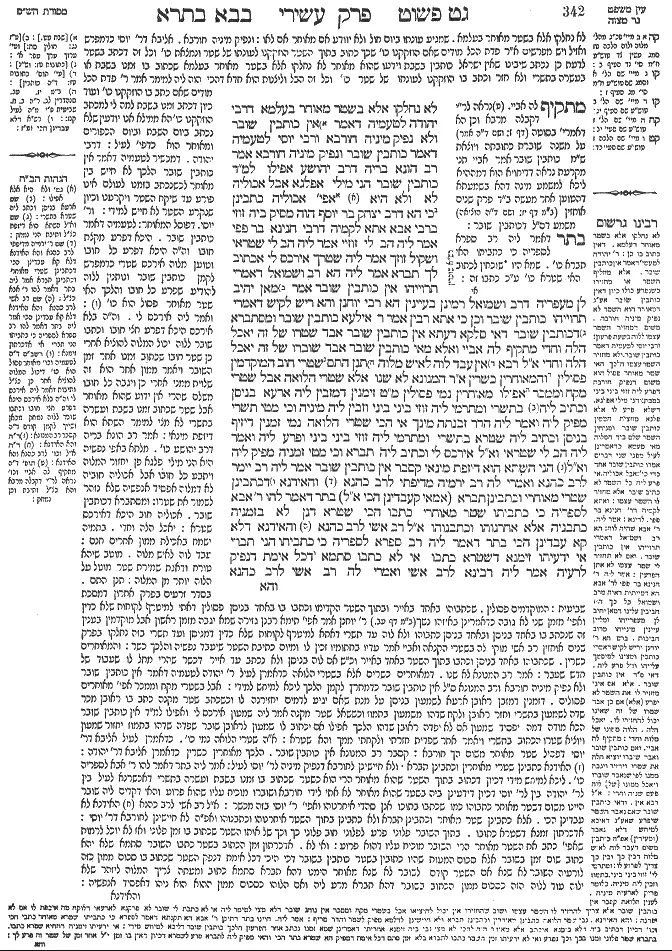
Bava Batra 171b - Guemara
לא נחלקו אלא בשטר מאוחר בעלמא דרבי יהודה לטעמיה דאמר אין כותבין שובר ולא נפיק מיניה חורבא ורבי יוסי לטעמיה דאמר כותבין שובר ונפיק מיניה חורבא אמר רב הונא בריה דרב יהושע אפילו למ"ד כותבין שובר הני מילי אפלגא אבל אכוליה לא ולא היא אפי' אכוליה כתבינן כי הא דרב יצחק בר יוסף הוה מסיק ביה זוזי ברבי אבא אתא לקמיה דרבי חנינא בר פפי אמר ליה הב לי זוזיי אמר ליה הב לי שטראי ושקול זוזך אמר ליה שטרך אירכס לי אכתוב לך תברא אמר ליה הא רב ושמואל דאמרי תרוייהו אין כותבין שובר אמר מאן יהיב לן מעפריה דרב ושמואל רמינן בעיינין הא רבי יוחנן והא ריש לקיש דאמרי תרוייהו כותבין שובר וכן כי אתא רבין אמר ר' אילעא כותבין שובר ומסתברא דכותבין שובר דאי סלקא דעתא אין כותבין שובר אבד שטרו של זה יאכל הלה וחדי מתקיף לה אביי ואלא מאי כותבין שובר אבד שוברו של זה יאכל הלה וחדי א"ל רבא אין עבד לוה לאיש מלוה תנן התם שטרי חוב המוקדמין פסולין והמאוחרין כשרין א"ר המנונא לא שנו אלא שטרי הלואה אבל שטרי מקח וממכר אפילו מאוחרין נמי פסולין מ"ט זימנין דמזבין ליה ארעא בניסן וכתיב ליה בתשרי ומתרמי ליה זוזי ביני ביני וזבין ליה מיניה וכי מטי תשרי מפיק ליה ואמר ליה הדר זבנתה מינך אי הכי שטרי הלואה נמי זמנין דיזיף בניסן וכתיב ליה שטרא בתשרי ומתרמי ליה זוזי ביני ביני ופרע ליה ואמר ליה הב לי שטראי וא"ל אירכס לי וכתיב ליה תברא וכי מטי זמניה מפיק ליה וא"ל הני השתא הוא דיזפת מינאי קסבר אין כותבין שובר אמר ליה רב יימר לרב כהנא ואמרי לה רב ירמיה מדיפתי לרב כהנא והאידנא דכתבינן שטרי מאוחרי וכתבינן תברא (אמאי קעבדינן הכי א"ל) בתר דאמר להו ר' אבא לספריה כי כתביתו שטר מאוחרי כתבו הכי שטרא דנן לא בזמניה כתבניה אלא אחרנוהו וכתבנוהו א"ל רב אשי לרב כהנא והאידנא דלא קא עבדינן הכי בתר דאמר ליה רב ספרא לספריה כי כתביתו הני תברי אי ידעיתו זימנא דשטרא כתבו אי לא כתבו סתמא דכל אימת דנפיק לרעיה אמר ליה רבינא לרב אשי ואמרי לה רב אשי לרב כהנא
Comments from Rashbam - Bava Batra 171b
לא נחלקו אלא בשטר מאוחר בעלמא . שמגיע עונתו ביום חול ולא יוודע אם מאוחר אם לאו: ונפיק מיניה חורבא . אליבא דר' יוסי כדמפרש ואזיל ויש מפרשים א"ר פדת הכל מודים שאם הוזקקנו כו' שכך כתוב בתוך השטר הוזקקנו לעונתו של שטר ונמצאת כו' וכל זה דכתב בשטר לדעת כן נכתב שיבינו שאין ישראל כותבין בשבת וידעו שהוא מאוחר לא נחלקו אלא בשטר מאוחר בעלמא שכתוב בו זמנו בשבת או בעשרה בתשרי ולא חזר וכתב בו הוזקקנו לעונתו של שטר כו' וכל זה הבל וליצנות הוא חדא דהכי הוה ליה למימר אמר ר' פדת הכל מודים שאם כתב בו הוזקקנו כו' ועוד כיון דכתב זמנו בשבת למה לי למכתב הוזקקנו כו' הא ממילא אנו יודעין שלא נכתב ביום השבת וביום הכפורים ומאוחר הוא כדפי' לעיל: דרבי יהודה . דמכשיר לטעמיה דאמר אין כותבין שובר הלכך לא חייש בין מאוחר לכשנכתב בזמנו לעולם אינו פורע עד שיקח השטר ויקרענו וכיון שנקרע השטר לא חייש למידי: ור' יוסי . דפוסל המאוחר: לטעמיה דאמר כותבין שובר . היכא דפרע מקצת חובו וה"ה היכא דפרע כל חובו וטוען מלוה אירכס שטרי כדמפרש לקמן כותבין שובר ונותנין ללוה להודיע שפרע כל חובו והלכך האי שטר מאוחר פסול הוא כו': ואמר ליה אירכס לי . וה"ה בלא אירכס היכא דפרע חצי חובו וכתבו שובר ללוה יכול המלוה להוציא אחרי כן שטר חובו שכתוב זמנו אחר זמן השובר ויאמר ממון אחר הוא זה שלוית ממני אחרי כן ויגבה כל חובו משלם שהרי אין ידוע שהוא מאוחר אבל שטר שכתוב זמנו בשבת ועשרה בתשרי לא מצי למימר השתא הוא דיזפת מינאי: אמר רב הונא בריה דרב יהושע כו' . מלתא באפי נפשיה היא הני מילי פלגא פן יחזור המלוה ויתבע כל חובו אבל אכוליה חוביה לא דמלוה אפסיד אנפשיה שלא נזהר לשמור את שטרו: ומסתברא דכותבין שובר . אכוליה חוב היכא דאירכס שטרא: יאכל הלה וחדי . בתמיה ישמח באכילת ממון אחרים חנם: עבד לוה לאיש מלוה . מוטב שיהא טורח ודאגת שמירת שטר מוטל על הלוה יותר מן המלוה: תנן התם . בסדר זרעים בפרק אחרון דמסכת שביעית: המוקדמים פסולין . שכתבוהו באחד באייר ובתוך השטר הקדימו וכתבו בו באחד בניסן פסולין דאתי למיטרף לקוחות שלא כדין ואפי' מזמן שני לא גובה כדאמרינן באיזהו נשך (ב"מ דף עב.) ר' יוחנן אמר אפי' תימא רבנן גזירה שמא יגבה מזמן ראשון אבל מוקדמין בענין זה שנכתב בו באחד בניסן ובאחד בניסן כתבוהו ולא לוה עד תשרי דאתא למיטרף לקוחות שלא כדין דמניסן ועד תשרי בזה נחלקו בפרק שנים אוחזין רב אשי מוקי לה בשטרי הקנאה ואביי אמר עדיו בחתומיו זכין לו ומיום כתיבת השטר שיעבד נפשיה והלכך כשר: והמאוחרים כשרין . שכתבוהו באחד בניסן וכתבו בתוך השטר באחד באייר וכ"ש אם לוה בניסן ולא נכתב עד אייר דכשר שהרי מחל לו שעבוד של חדש שעבר: אמר רב המנונא לא שנו . דמאוחרים כשרים אלא בשטרי הלואה כדאמרן לעיל ר' יהודה לטעמיה דאמר אין כותבין שובר ולא נפיק מיניה חורבא ורב המנונא ס"ל אין כותבין שובר כדמתרץ לקמן הלכך ליכא למיחש למידי: אבל בשטרי מקח וממכר אפי' מאוחרים פסולים . דזמנין דמזבן ראובן ארעא לשמעון בניסן על מנת שאם יגיע לדמים יחזירנה לו וכשכתב שטר מקנה כתב בו ראובן מכר שדה לשמעון בתשרי וחזר ראובן ולקח שדהו משמעון בתמוז וכששאל שטר מקנה אמר ליה שמעון אירכס לי ואפילו למ"ד אין כותבין שובר הכא מודה דמה יפסיד שמעון אם לא יפדה ראובן שדהו הלכך אפילו אם יכתוב לו שמעון לראובן שובר שפדה שדהו בתמוז יחזור שמעון ויוציא שטרו הכתוב בתשרי ויאמר אחר שפדית חזרתי ולקחתי ממך והא שטרא: א"ה שטרי הלואה נמי כו' . כדאמרן לעיל אליבא דר' יוסי דפסיל שטר מאוחר משום הך חורבא: קסבר רב המנונא אין כותבין שובר . הלכך מאוחרין כשרין כדאמרן אליבא דר' יהודה: האידנא כתבינן שטרי מאוחרין וכתבינן תברא . ולא חיישינן לחורבא דנפיק מיניה לר' יוסי לעיל: אמר ליה בתר דאמר להו ר' אבא לספריה כו' . ליכא למיחש מידי דכיון דכתוב בתוך השטר שהוא מאוחר הרי הוא כשטר שכתוב בו זמנו בשבת ועשרה בתשרי דאכשרנא לעיל בין לר' יהודה בין לר' יוסי דכיון דידעינן ביה בשטר שהוא מאוחר לא אתי לידי חורבא ושוברו מוכיח עליו שהוא פרוע והאי דקדים ליה שובר היינו משום דשטר מאוחר כתבוהו כמו שכתבו בתוכו אנן סהדי איחרנוהו ואפי' ר' יוסי בזה מכשר: א"ל רב אשי לרב כהנא האידנא לא עבדינן הכי . אלא כתבינן שטר מאוחר וכתבינן תברא ולא כתבינן בתוך השטר איחרנוהו וכתבנוהו ואפ"ה לא חיישינן לחורבא דר' יוסי: אדכרתון זמנא דשטרא כתובו . בתוך השובר פלוני פרע לפלוני חוב פלוני כן וכך של אותו השטר שכתוב בו זמן פלוני ואז לא יוכל לרמות שאפי' כתב את השטר מאוחר הרי השובר מוכיח עליו דהוא פרוע: ואי לא . אדכרתון זמן הכתוב בשטר כתבו השובר סתמא שלא יהא כתוב שום זמן בשובר אלא סכום המעות שהיו כתובין בשטר כותבין בשובר דכי היכי דכל אימת דנפק השטר שכתוב בו סכום ממון כזה לורעיה השובר לא שנא אם השטר קודם לשובר לא שנא מאוחר הימנו דהא תברא סתמא כתוב ומעתה צריך המלוה ליזהר שלא ילוה עוד ללוה הזה כסכום ממון הכתוב בשובר דהא תברא מרע ליה ואם הלוהו כסכום ממון ההוא הוא ניהו דאפסיד אנפשיה:
Comments from Tosafot - Bava Batra 171b
מתקיף לה אביי. נראה לר"י דקבלה מרבא וכן הא דאמרי' בסוטה (דף ז: ושם ד"ה אמר) על משנה שוברת כתובתה ויוצאת ש"מ כותבין שובר אמר אביי תני מקרעת נראה דדיחויא הוא דמההיא ליכא למשמע מינה דהא בשמעתא דהטוען אחר מעשה ב"ד פרק שנים אוחזין (ב"מ דף יז: ושם ד"ה הוציאה) משמע דס"ל דכותבין שובר: בתר דאמר ליה רב ספרא לספריה כי כתביתו האי תברא כו'. שמא היו. שוכחין לכתוב האי שטרא כו' ע"כ כתבו זה:
Bava Batra 171b - Mishnah translated into english
The two Sages disagree only with regard to a case of a postdated promissory note in general, i.e., one in which the fact that it is postdated is not readily discernible from the dating of the document, as opposed to one dated on Shabbat or Yom Kippur.
As Rabbi Yehuda conforms to his line of reasoning, as he says: One does not write a receipt for a debtor when he pays his debt; rather, the original document is torn, and in the case of partial repayment a new document is written, attesting to the balance due. And consequently, no harm can emerge from a postdated document. There is no concern that the date on the postdated document may have been recorded after the writing of a receipt.
And Rabbi Yosei conforms to his line of reasoning, as he says: One writes a receipt for a debtor when he pays his debt, in lieu of tearing the promissory note. And consequently, harm can emerge from a postdated promissory note. Harm can occur in a case such as the following: The loan was given on the first of Nisan. The debt was paid on the following day and, rather than tearing the promissory note, a receipt was written and dated on the second of Nisan. If the original note had been postdated to the third of Nisan or thereafter, the creditor could use it to collect his debt a second time, arguing that the debtor’s receipt is irrelevant, as its date is prior to the date in the promissory note.
§ Rav Huna, son of Rav Yehoshua, says: Even according to the one who says that one writes a receipt for the debtor when he pays, in lieu of tearing the promissory note, this statement applies only with regard to a case where the debtor pays half, i.e., a portion, of the debt. But with regard to a case where the debtor comes to repay all of the debt and the creditor has lost the promissory note and cannot tear it, all agree that one does not write a receipt. Rather, the debtor will not be required to repay the loan unless the creditor can produce the promissory note.
The Gemara rejects this opinion: But it is not so; we write a receipt even in a case where the debtor pays all of the debt.
The Gemara proves its assertion: This is like that case where Rav Yitzḥak bar Yosef was owed money by Rabbi Abba. Rav Yitzḥak bar Yosef came before Rabbi Ḥanina bar Pappi, and said to Rabbi Abba: Give me my money. Rabbi Abba said to him: First give me my promissory note, and then take your money. Rav Yitzḥak bar Yosef said to him: I lost your promissory note; instead, I will write a receipt for you. Rabbi Abba said to him: Isn’t there the opinion of Rav and Shmuel, who both say that the halakha is that one does not write a receipt?
Rabbi Ḥanina bar Pappi, the judge, thereupon said: Who will give us some of the dust of Rav and Shmuel, and I will place it on my eyes, so highly do I regard them. Nevertheless, isn’t there the opinion of Rabbi Yoḥanan and Reish Lakish, who both say that one writes a receipt?
And similarly, when Ravin came from Eretz Yisrael to Babylonia, he said that Rabbi Ilai says: The halakha is that one writes a receipt.
The Gemara concludes: And it stands to reason that one writes a receipt. As, if it would enter your mind that one does not write a receipt, then if the promissory note of this creditor is lost, should this debtor eat and rejoice? Is it fair that he should keep money that he knows he owes the creditor?
Abaye objects to this line of reasoning: Rather, what should the halakha be, that one writes a receipt when the creditor cannot find the promissory note? If the receipt of the debtor is lost, should this creditor eat and rejoice? Once the debtor has lost his receipt, there is nothing to prevent the creditor from collecting the debt a second time. This, too, is unfair. In either case, whether a receipt is written or not, an injustice could result. Why should it be preferred that the potential of suffering an injustice should be borne by the debtor rather than the creditor? Rava said to Abaye: Yes, it is preferable, because, as it is written: “The borrower is a servant to the lender” (Proverbs 22:7). The debtor’s interests are subordinated to those of the creditor.
§ We learned in a mishna elsewhere (Shevi’it 10:5): Promissory notes that are antedated are not valid, but those that are postdated are valid.
Rav Hamnuna says: They taught this halakha only with regard to promissory notes, but with regard to deeds of buying and selling property, even postdated documents are not valid. What is the reason for this stringency in the case of bills of sale? If postdated documents were allowed, there could be times that the seller sells land to the purchaser in the month of Nisan of a particular year and writes a postdated deed for him stating that the sale took place in the following Tishrei, and some money happens to reach the seller between Nisan and Tishrei and he purchases the land back from the purchaser. And then, when Tishrei arrives, the purchaser takes out the original bill of sale and says to the seller: It is true that you purchased the field from me, but I then purchased it from you again now, in Tishrei, as stated in this document.
The Gemara asks: If so, a similar scenario could occur with promissory notes as well: There could be times that one borrows money in Nisan and writes a promissory note for the creditor stating that the loan took place in the following Tishrei, and some money happens to reach the debtor between Nisan and Tishrei and he repays his debt to the creditor early and says to him: Give me my promissory note. And the creditor says to him: I lost it, and he writes him a receipt instead. And then, when the time written in the note arrives, the creditor takes out the supposedly lost promissory note and says to the debtor: It is true that you repaid me previously, but it is now, after you repaid that loan, that you borrowed from me these dinars recorded in this document, which is dated in Tishrei.
The Gemara answers: Rav Hamnuna holds that one does not write a receipt, so that scenario cannot occur. Like Rabbi Yehuda, Rav Hamnuna maintains that if a creditor loses his promissory note the debtor does not have to repay the loan. Rabbi Yosei, who does allow the creditor to collect his debt in such a case and write a receipt for the debtor, is concerned about that scenario, and consequently he holds that postdated promissory notes are not valid.
Rav Yeimar said to Rav Kahana, and some say it was Rav Yirmeya of Difti who said this to Rav Kahana: And today, when we write postdated promissory notes, and we also write a receipt in cases where the creditor loses his promissory note, why do we do this? The combination of allowing postdated promissory notes and allowing the writing of a receipt instead of producing the promissory note would enable double collection of the loan to take place. Rav Kahana said to him: The problem was rectified after Rabbi Abba told his court scribe: When you write postdated promissory notes, write as follows: We did not write this document on its date, i.e., on the date written within the document; rather, we postdated it and wrote it. Since it is clear from the text of the document that it was postdated, double collection of the loan is avoided.
Rav Ashi said to Rav Kahana: But what about today, when we do not do this, i.e., we do not follow Rabbi Abba’s instructions? How do we avoid double collection of the loan? Rav Kahana replied: The problem was rectified after Rav Safra said to his court scribe: When you write these receipts for debtors who pay debts without the original promissory note being torn, if you know the date written in the missing promissory note, write it into the receipt. But if you do not know the date written in the promissory note, write the receipt without specification, i.e., do not write any date at all in the receipt, so that whenever the creditor produces the promissory note, the undated receipt can weaken it, i.e., exempt the debtor from payment.
Ravina said to Rav Ashi, and some say it was Rav Ashi who said to Rav Kahana:
Traduction : The William Davidson digital edition of the Koren Noé Talmud, with commentary by Rabbi Adin Even-Israel Steinsaltz.