 Talmud Bavli
The learning on the whole site is dedicated : L'ilui Nishmat Amram ben Itshak Loubaton
The learning on the whole site is dedicated : L'ilui Nishmat Rav Chlomo Ben Jamilla
The learning on the whole site is dedicated : L'ilui Nishmat Ledicia bat David Banoun
Bava Batra 175b : Youtube
Daf TubeYoutube
2 video classes :
Bava Batra Page 175b
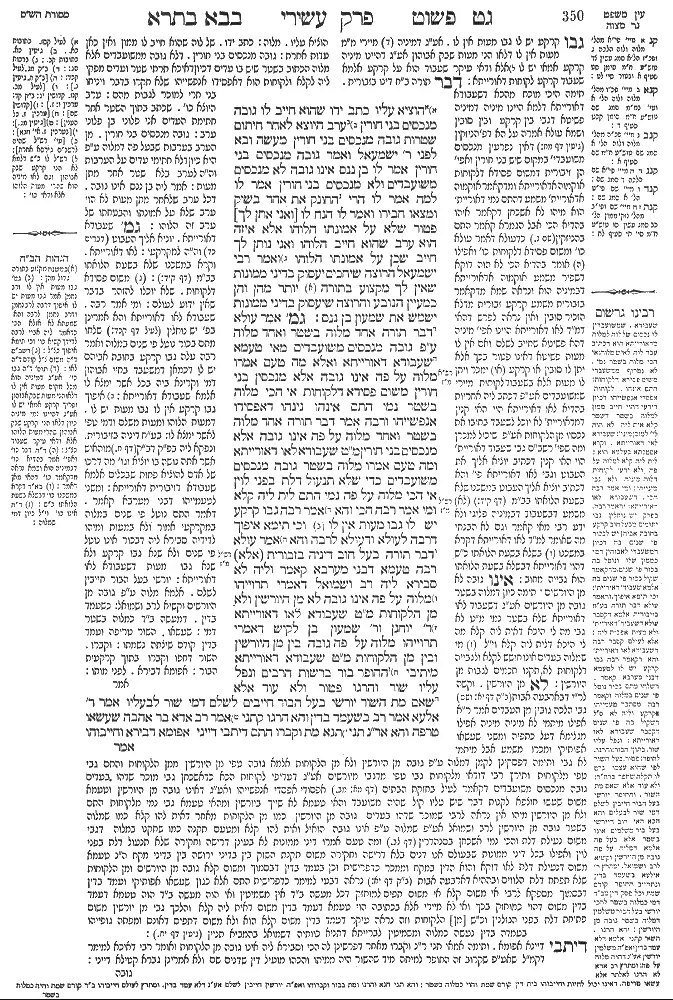
Bava Batra 175b - Guemara
הוציא עליו כתב ידו שהוא חייב לו גובה מנכסים בני חורין ערב היוצא לאחר חיתום שטרות גובה מנכסים בני חורין מעשה ובא לפני ר' ישמעאל ואמר גובה מנכסים בני חורין אמר לו בן ננס אינו גובה לא מנכסים משועבדים ולא מנכסים בני חורין אמר לו למה אמר לו הרי החונק את אחד בשוק ומצאו חבירו ואמר לו הנח לו [ואני אתן לך] פטור שלא על אמונתו הלוהו אלא איזה הוא ערב שהוא חייב הלוהו ואני נותן לך חייב שכן על אמונתו הלוהו ואמר רבי ישמעאל הרוצה שיחכים יעסוק בדיני ממונות שאין לך מקצוע בתורה יותר מהן והן כמעיין הנובע והרוצה שיעסוק בדיני ממונות ישמש את שמעון בן ננס:
גמ׳ אמר עולא דבר תורה אחד מלוה בשטר ואחד מלוה ע"פ גובה מנכסים משועבדים מאי טעמא שעבודא דאורייתא ואלא מה טעם אמרו מלוה על פה אינו גובה אלא מנכסין בני חורין משום פסידא דלקוחות אי הכי מלוה בשטר נמי התם אינהו נינהו דאפסידו אנפשייהו ורבה אמר דבר תורה אחד מלוה בשטר ואחד מלוה על פה אינו גובה אלא מנכסים בני חורין מ"ט שעבודא לאו דאורייתא ומה טעם אמרו מלוה בשטר גובה מנכסים משועבדים כדי שלא תנעול דלת בפני לוין אי הכי מלוה על פה נמי התם לית ליה קלא ומי אמר רבה הכי והא אמר רבה גבו קרקע יש לו גבו מעות אין לו וכי תימא איפוך דרבה לעולא ודעולא לרבה והא אמר עולא דבר תורה בעל חוב דיניה בזבורית (אלא) רבה טעמא דבני מערבא קאמר וליה לא סבירא ליה רב ושמואל דאמרי תרוייהו מלוה על פה אינו גובה לא מן היורשין ולא מן הלקוחות מ"ט שעבודא לאו דאורייתא ר' יוחנן ור' שמעון בן לקיש דאמרי תרוייהו מלוה על פה גובה בין מן היורשין ובין מן הלקוחות מ"ט שעבודא דאורייתא מיתיבי החופר בור ברשות הרבים ונפל עליו שור והרגו פטור ולא עוד אלא שאם מת השור יורשי בעל הבור חייבים לשלם דמי שור לבעליו אמר ר' אלעא אמר רב בשעמד בדין והא הרגו קתני אמר רב אדא בר אהבה שעשאו טרפה והא אר"נ תני תנא מת וקברו התם דיתבי דייני אפומא דבירא וחייבוהו
Comments from Rashbam - Bava Batra 175b
הוציא עליו . מלוה: כתב ידו . של לוה שהוא חייב לו ממון ואין כאן עדות אחרת: גובה מנכסים בני חורין . דלא גובה ממשועבדים אלא מלוה הכתוב בשטר שיש בו עדים דכיון דאיכא תרתי שטר ועדים מפקי ליה לקלא ולקוחות הוא דאפסידו אנפשייהו שלא חקרו בדבר ויניחו בני חרי למוכר לגבות מהם: ערב היוצא כו' . שכתב בתוך השטר אחר חתימת העדים אני פלוני בן פלוני ערב: גובה מנכסים בני חורין . מן הערב בערבות שבעל פה דמלוה ע"פ היא כיון דלא חתימי עדים על הערבות וה"ה לערב בלא שטר אחר מתן מעות: אמר ליה בן ננס אינו גובה . דכל ערב שלאחר מתן מעות לא הוי ערב שלא על אמונתו והבטחתו של ערב זה הלוהו: גמ' שעבודא דאורייתא . יוציא אליך העבוט (דברים כד) וה"ה למקרקעי: משום פסידא דלקוחות . שלא יוכלו להזהר בדבר שאין ידוע לעולם: לאו דאורייתא . וקרא במשכנו שלא בשעת הלואתו בב"מ (דף קיד:): ומי אמר רבה . שעבודא לאו דאורייתא והא אמרינן בפ' יש נוחלין (לעיל בבא בתרא דף קכד:) שלחו מתם בכור נוטל פי שנים במלוה ואמר רבה עלה גבו קרקע בחובת אביהם יש לו דכמאן דמשעבד בחיי אבוהון דמי וקרינא ביה בכל אשר ימצא לו אלמא שעבודא דאורייתא: איפוך גבו קרקע אין לו גבו מעות יש לו . דמעות הלוהו ומעות משלם ודמי טפי לאשר ימצא לו: בע"ח דיניה בזיבורית . ונפקא ליה בפ"ק דב"ק (דף ח.) מוהאיש אשר אתה נושה בו יוציא וגו' מה דרכו של אדם להוציא פחות שבכלים אלמא שעבודא דזיבורית דאורייתא: ומשני לטעמייהו דבני מערבא קאמר . דאמר התם נוטל פי שנים במלוה במקרקעי אמור ולא במעות ומיהו לדידיה סבירא ליה דבכור אינו נוטל פי שנים ולא שנא גבו קרקע ולא שנא גבו מעות דשעבודא לאו דאורייתא: יורשי בעל הבור חייבין לשלם . אלמא מלוה ע"פ גובה מן היורשים וקשיא לרב ושמואל: כשעמד בדין . דמעשה ב"ד כמלוה בשטר דמי: שעשאו . השור טריפה ועמד בדין קודם שיצתה נשמתו: וקברו . השור דחפו וקברו בתוך קרקעית הבור: אפומא דבירא . לפני מותו:
Comments from Tosafot - Bava Batra 175b
גבו קרקע יש לו גבו מעות אין לו. אע"ג דמיניה מיירי מ"מ מעות אין לו דלאו הני מעות שבק אבוהון אע"ג דהיינו מיניה קרקע אמאי יש לו אלא ודאי עיקר שעבוד הוא על קרקע אלמא שעבוד קרקע לקוחות דאורייתא: דבר תורה ב"ח דינו בזבורית. תימה היכי מוכח מהכא דשעבודא דאורייתא דלמא היינו מיניה דמיניה פשיטא דגבי בין קרקע ובין סובין ושמא עולא אמרה על הא דפ' הניזקין (גיטין דף מח:) דאין נפרעין מנכסים משועבדי' במקום שיש בני חורין ואפי' הן זיבורית דמשום פסידא דלקוחות אוקמוה אדאורייתא ומדקאמר אוקמוה אדאוריית' משמע דהתם נמי דאוריית' הוא מיהו לא אשכחן דקאמר איהו בהדיא הכי אבל הגמרא קאמר התם בהניזקין (שם נ.) כדעולא דאמר עולא כו' ומשום פסידא דלקוחות כו' ואפילו אומר בהדיא הכי לא הוה דוקא דשפיר משמע אוקמוה אדאורייתא דבמיניה הוא ונראה שמא מדקאמר בזבורית משמע קרקע זבורית מדלא הזכיר סובין ואין נראה לפרש דהאי דמ"ד לאו דאורייתא היינו אפי' מיניה דהא פשיטא שחייב לשלם ואם אין לו מעות פשיטא דאינו פטור בכך אלא יתן לו סובין או קרקע (או) ימכר ויתן לו מעות אלא בשעבוד לקוחות מיירי שמשועבדים אע"פ דכתב ליה אחריות בהדיא לאו דאורייתא הוי האי קנין דמדאוריית' לא יוכל לשעבד בחובו את נכסיו מן הלקוחות אע"פ שיכול למכרן ומה שפי' רשב"ם גבי שעבוד דאוריית' הוי האי קנין דכתיב יוציא אליך את העבוט וגבי לאו דאורייתא פי' והא דכתיב יוציא אליך העבוט במשכנו שלא בשעת הלואתו בב"מ (דף קיד:) (לא) משמע דבשעבוד דבמיניה פליגי ולא ידע רבי מאיר קאמר וגם לא הבנתי מה שאומר למ"ד לאו דאורייתא דקרא במשכנו בשלא בשעת הלואתו כ"ש דהוי דאורייתא דבשלא בשעת הלואתו הוא גבייה מחוב: אינו גובה לא מן היורשים. תימה כיון דמלוה בשטר גובה מן היורשים אע"ג דשעבוד לאו דאורייתא שלא בשטר נמי מ"ט לא גבי מה לי היכא דאית ליה קלא מה לי היכא דלית ליה קלא וי"ל מי שמלוה בעדים אינו חושש לקלא ולגבייה דלקוחות לא תקנו חכמים לגבות מן היורשין: לא מן היורשין. וקשה לר"י דבארבעה אבות (ב"ק דף יא: ושם) גבי הלכה גובין מן העבדים אמר ר"א אפילו מיתמי לא מיניה מיניה אפילו מגלימא דעל כתפיה ומשני שעשאו אפותיקי ומכרו משמע אבל מיתמי לא גבי ותימה דפסקינן לקמן דמלוה ע"פ גובה מן היורשין ולא מן הלקוחות אלמא גובה טפי מן היורשין ממן הלקוחות והתם גבי טפי מלקוחות ותירץ רבי דודאי מלקוחות גבי טפי מדגבי מיורשים אע"ג דעדיפי לקוחות הכא כדאשכחן גבי מוכר שדהו בעדים גובה מנכסים משועבדים דקאמר לעיל בחזקת הבתים (בבא בתרא דף מא: מב.) אפסודי אפסדי אנפשייהו ואע"ג דאינו גובה מן היורשין וטעמא משום שעשו חוצפא לקנות דבר שיש עליו קול שהיה משועבד והאי טעמא לא שייך ביורשין ומהאי טעמא גבי נמי מלקוחות התם ולא מן היורשין מיהו אין נראה לרבי שמוכר שדהו בעדים גובה מן היורשין כמו מן הלקוחות מאחר דאית להו קלא כמו שמלוה בשטר גובה מן היורשין לרב ושמואל אע"פ שמלוה ע"פ אינו גובה הואיל ואית להו קלא ומטעם תקנה כמו שתקנו במלוה דגבי משום נעילת דלת והכי נמי אשכחן בסנהדרין (דף לב.) ומה טעם אמרו דיני ממונות לא בעינן דרישה וחקירה שלא תנעול דלת בפני לוין ואפילו בכל דיני ממונות שבעולם אנו דנים בלא דרישה וחקירה משום תקנת השוק בין בדיני ירושה בין בדיני מקח ה"נ טעמא משום דנעילת דלת לאו דוקא והוא הדין במקח וממכר כדפרישית וכן בעמד בדין דבסמוך ומשום קלא גובה מן היורשים ומן הלקוחות שלא תפתח דלת הלווים ובההיא דארבעה אבות (ב"ק דף יא:) נראה דבעי למימר כדפרישית התם אלא כגון שעשאו אפותיקי ועמד בדין דבסמוך מספקא לרבי אי משום קלא אי משום תפיס למוחזק דכל מעשה ב"ד אין משמיטין ואי הוה מעשה ב"ד הוה טעמא דעמד בדין משום דהוי כמוחזק בכך ואי לא מיירי אלא בכתובה הוי טעמא דעמד בדין משום דאית ליה קלא והלכך גבי מן יורשין משום פתיחת דלת בפני הגזלנין וכ"ש [מן] הלקוחות וזה נראה עיקר דעמד בדין משום קלא הוא ולא משום דתפיס דאונס ומפתה גופייהו בעמדה בדין נעשה כמלוה ומשמיטין לברייתא דתניא כוותיה דשמואל בהמביא תניין (גיטין דף יח.): דיתבי דיינא אפומא. ותימה אמאי תני ר"נ וקברו מאחר דפרשינן לה הכי וסבירא ליה אינו גובה מן הלקוחות ואומר רבי דאיכא למימר דקמ"ל שאע"פ שקרוב זה החופר למיתה מיד שהשור היה ממיתו והכהו מועיל דין שדנים שם ולא אמרינן גברא קטילא דייני:
Bava Batra 175b - Mishnah translated into english
If one presents to a debtor a document in the handwriting of the debtor stating that he owes money to him, but without witnesses signed on the document, the creditor can collect only from unsold property.
In the case of a guarantor whose commitment emerged after the signing of the promissory note, the creditor can collect the sum only from unsold property of the guarantor.
The mishna relates: An incident occurred where such a case came before Rabbi Yishmael, and he said: The creditor can collect the sum from unsold property of the guarantor, but not from liened property that he has sold to others. Ben Nannas said to Rabbi Yishmael: The creditor cannot collect the sum from the guarantor at all, not from liened property that has been sold, nor from unsold property.
Rabbi Yishmael said to him: Why not? Ben Nannas said to him: If one was strangling someone in the marketplace, demanding repayment of a loan, and another person found him doing so and said to the attacker: Leave him alone and I will give you the money he owes, the person who intervened is exempt from paying, as the creditor did not loan the money in the first place based on his trust of the one who intervened. Rather, who is a guarantor who is obligated to repay the loan he has guaranteed? One who tells the creditor before the loan takes place: Lend money to him, and I will give you the repayment, as in that case the creditor did loan the money based on his trust of the guarantor.
And Rabbi Yishmael thereupon said: One who wants to become wise should engage in the study of monetary law, as there is no greater discipline in the Torah, and it is like a flowing spring. And, he added, one who wants to engage in the study of monetary law should attend to, i.e., become a disciple of, Shimon ben Nannas.
GEMARA: Ulla says: By Torah law, a creditor, whether in the case of a loan with a promissory note or the case of a loan by oral contract, can collect the debt from liened property that has been sold by the debtor subsequent to his receiving the loan. What is the reason for this? The property of a debtor at the time of the loan, even an oral loan, is liened by Torah law. And what is the reason the Sages said that one who gives a loan by oral contract can collect the debt only from unsold property? Because of the loss that would be incurred by purchasers of land if the seller’s creditors could seize the land they have purchased.
The Gemara asks: If so, a loan with a promissory note should also not be collected from purchasers of property, as this would cause them a loss. The Gemara answers: There, in the case of a loan recorded in a promissory note, the purchasers, who neglected to investigate the financial status of the seller before purchasing land from him, brought the loss upon themselves. By contrast, loans by oral contract are often impossible to discover, even with a thorough investigation.
And Rabba says: By Torah law, a creditor, whether in the case of a loan with a promissory note or the case of a loan by oral contract, can collect the debt only from the debtor’s unsold property. What is the reason for this? The property of a debtor is not liened by Torah law. And what is the reason the Sages said that one who gives a loan with a promissory note can collect the debt from liened property that has been sold? So as not to lock the door in the face of potential borrowers. If one could not collect a debt by taking liened property that has been sold, people would be hesitant to put their money at risk by lending it.
The Gemara asks: If that is so, that there is a desire to encourage people to lend money by granting greater power of collection to creditors, a loan by oral contract should also be collectible from liened property that has been sold. The Gemara answers: There, in the case of a loan by oral contract, it has no publicity associated with it, so that purchasers often cannot find out about it, even after a thorough investigation, and it would be an unfair burden on them to have the property purchased by them seized in such cases.
The Gemara asks: And did Rabba really say this? But doesn’t Rabba say, in the case of a firstborn son, that if he and his brothers collected a debt from land, he has the right to receive a double portion of that payment, but if they collected a debt from money, he does not have the right to a double portion? A firstborn son is entitled to a double share of inheritance of any property that was owned by his father at the time of his death, but not to profits or income that accrue to the estate after his death. If a debt owed to the father is collected from land after his death, Rabba said that the firstborn is entitled to a double portion, indicating that the land was considered in the father’s possession even before he died, which indicates that Rabba holds that the property of a debtor is liened to a creditor by Torah law.
And if you would say: The opinions as they were cited earlier are attributed incorrectly, and it is necessary to reverse the two opinions, and exchange the opinion of Rabba for that of Ulla, and that of Ulla for that of Rabba, there is a difficulty: But doesn’t Ulla say elsewhere: By Torah law the halakha of a creditor is to collect his debt only from inferior-quality land?
The Gemara resolves the contradiction between Rabba’s two statements: Rather, Rabba was stating an explanation for the opinion of the people of the West, Eretz Yisrael, cited earlier (125a), but he himself does not hold accordingly, as he holds that a firstborn son is not entitled to a double portion of a debt collected from land.
The Gemara continues to discuss the issue of the extent of liens on a debtor’s property. Rav and Shmuel both say: In the case of a loan by oral contract, the creditor can collect the debt only from the one who took the loan, but not from the heirs of the debtor after his death, and not from purchasers of his property. What is the reason for this? They maintain that the property of a debtor is not liened by Torah law.
Rabbi Yoḥanan and Rabbi Shimon ben Lakish both say: In the case of a loan by oral contract, the creditor can collect the debt both from the heirs of the debtor after his death and from the purchasers of his property. What is the reason for this? They maintain that the property of a debtor is liened by Torah law.
The Gemara raises an objection to the opinion of Rav and Shmuel from a baraita (Tosefta, Bava Kamma 6:2): If one was digging a pit in the public domain, and an ox fell on him and killed him as he was in the pit, the owner of the ox is exempt from paying for the damage caused, as it is the one who dug the pit who is at fault. Moreover, if it occurred that the ox died as a result of the fall, the heirs of the owner of the pit are liable to pay the value of the ox to its owner. Compensation for damages is comparable to a loan by oral contract, and yet the baraita states that the heirs of the culpable party must pay it.
Rabbi Ela says that Rav says: The baraita is discussing a case in which the one who dug the pit stood trial for the damage before he died, and once judgment is rendered by a court, the resulting financial liability is comparable to a loan with a promissory note.
The Gemara objects: But it is taught in the baraita that the ox killed him by falling on him. How then can one say that he stood trial? Rav Adda bar Ahava says: The baraita does not mean that the ox killed him instantly, but that it rendered him one who has a wound that will cause him to die within twelve months [tereifa], and there was enough time before his death to try him and deem him liable to pay for damages.
The Gemara objects that there is a different version of the baraita according to which this interpretation is not possible: But doesn’t Rav Naḥman say that a certain tanna taught the baraita with a different formulation, stating that the one who dug the pit died from the impact of the ox and the ox in effect buried him in the ground at the bottom of the pit? In this scenario it would be impossible to take the one who dug the pit to court to stand trial. The Gemara answers: There, according to that second version, it is discussing a case where judges sat at the opening of the pit and deemed liable the one who dug the pit to pay for the damage before he died.
Traduction : The William Davidson digital edition of the Koren Noé Talmud, with commentary by Rabbi Adin Even-Israel Steinsaltz.