 Talmud Bavli
Bava Batra 165b : Youtube
Daf TubeYoutube
2 video classes :
Bava Batra Page 165b
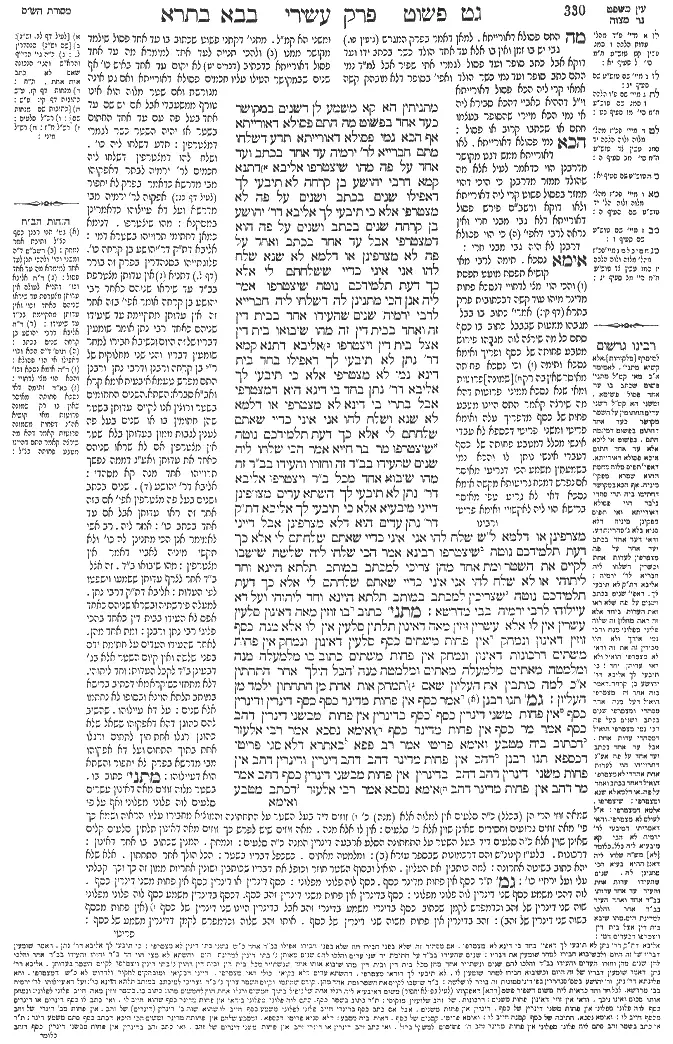
Bava Batra 165b - Guemara
מתניתין הא קא משמע לן דשנים במקושר כעד אחד בפשוט מה התם פסולא דאורייתא אף הכא נמי פסולא דאורייתא תדע דשלחו מתם חברייא לר' ירמיה עד אחד בכתב ועד אחד על פה מהו שיצטרפו אליבא דתנא קמא דרבי יהושע בן קרחה לא תיבעי לך דאפילו שנים בכתב ושנים על פה לא מצטרפי אלא כי תיבעי לך אליבא דר' יהושע בן קרחה שנים בכתב ושנים על פה הוא דמצטרפי אבל עד אחד בכתב ואחד על פה לא מצרפינן או דלמא לא שנא שלח להו אני איני כדיי ששלחתם לי אלא כך דעת תלמידכם נוטה שיצטרפו אמר ליה אנן הכי מתנינן לה דשלחו ליה חברייא לרבי ירמיה שנים שהעידו אחד בבית דין זה ואחד בבית דין זה מהו שיבואו בית דין אצל בית דין ויצטרפו אליבא דתנא קמא דר' נתן לא תיבעי לך דאפילו בחד בית דינא נמי לא מצטרפי אלא כי תיבעי לך אליבא דר' נתן בחד בי דינא הוא דמצטרפי אבל בתרי בי דינא לא מצטרפי או דלמא לא שנא ושלח להו אני איני כדיי שאתם שלחתם לי אלא כך דעת תלמידכם נוטה שיצטרפו מר בר חייא אמר הכי שלחו ליה שנים שהעידו בב"ד זה וחזרו והעידו בב"ד זה מהו שיבוא אחד מכל ב"ד ויצטרפו אליבא דר' נתן לא תיבעי לך השתא עדים מצרפינן דייני מיבעיא אלא כי תיבעי לך אליבא דת"ק דר' נתן עדים הוא דלא מצרפינן אבל דייני מצרפינן או דלמא ל"ש שלח להו אני איני כדיי שאתם שלחתם לי אלא כך דעת תלמידכם נוטה שיצטרפו רבינא אמר הכי שלחו ליה שלשה שישבו לקיים את השטר ומת אחד מהן צריכי למכתב במותב תלתא הוינא וחד ליתוהי או לא שלח להו אני איני כדיי שאתם שלחתם לי אלא כך דעת תלמידכם נוטה שצריכין למכתב במותב תלתא הוינא וחד ליתוהי ועל דא עיילוהו לרבי ירמיה בבי מדרשא:
מתני׳ כתוב בו זוזין מאה דאינון סלעין עשרין אין לו אלא עשרין זוזין מאה דאינון תלתין סלעין אין לו אלא מנה כסף זוזין דאינון ונמחק אין פחות משתים כסף סלעין דאינון ונמחק אין פחות משתים דרכונות דאינון ונמחק אין פחות משתים כתוב בו מלמעלה מנה ומלמטה מאתים מלמעלה מאתים ומלמטה מנה הכל הולך אחר התחתון א"כ למה כותבין את העליון שאם תמחק אות אחת מן התחתון ילמד מן העליון:
גמ׳ תנו רבנן אמר כסף אין פחות מדינר כסף כסף דינרין ודינרין כסף אין פחות משני דינרין כסף כסף בדינרין אין פחות מבשני דינרין דהב כסף אמר מר כסף אין פחות מדינר כסף ואימא נסכא אמר רבי אלעזר דכתוב ביה מטבע ואימא פריטי אמר רב פפא באתרא דלא סגי פריטי דכספא תנו רבנן דהב אין פחות מדינר דהב דהב דינרין ודינרין דהב אין פחות משני דינרין דהב דהב בדינרין אין פחות מבשני דינרין כסף דהב אמר מר דהב אין פחות מדינר דהב אימא נסכא אמר רבי אלעזר דכתב מטבע
Comments from Rashbam - Bava Batra 165b
ומשני הא קמ"ל . מתני' דקתני פשוט שכתוב בו עד אחד פסול שילמד מקושר ממנו ולהכי תנייה לעד אחד למימרא מה עד אחד פסול דאורייתא כדכתיב (דברים יט) לא יקום עד אחד באיש כו' אף שנים שבמקושר הטילו עליו חכמים פסולא דאורייתא ואם גט אינה מגורשת ואם שטר מלוה הוא אינו טורף ממשעבדי אבל אם יש שם עד אחד בעל פה עם עד אחד החתום בשטר אז יהיה השטר כשר לגמרי דמצטרפין: תדע דשלחו ליה כו' . ושלח להו דמצטרפין דשלחו ליה חכמים לר' ירמיה לבתר דאפקוהו מבי מדרשא כדאמר בפרק לא יחפור (לעיל בבא בתרא דף כג:) אפקוה לר' ירמיה מבי מדרשא ועל דא עיילוהו כדאמרינן במסקנא: מהו שיצטרפו . דנימא כמאן דחתימי תרוייהו בשטרא דמי: אליבא דת"ק דר' יהושע בן קרחה כו' פלוגתייהו בסנהדרין בפרק זה בורר (דף ל.) דתניא אין עדותן מצטרפת בב"ד עד שיראו שניהם כאחד רבי יהושע בן קרחה אומר אפי' בזה אחר זה אין עדותן מתקיימת עד שיעידו שניהם כאחד רבי נתן אזמר שומעין דבריו של זה היום וכשיבא חבירו למחר שומעין דבריו והני שני מחלוקות של ר"י בן קרחה ורבנן ודרבי נתן ורבנן התם מפרש טעמא איבעית אימא קרא ואב"א סברא: השתא . השנים החתומים בשטר ורוצין אנו לקיים עדותן בשטר שהן חתומין בו או שנים בעל פה לענין לגבות ממון בעדותן בלא שטר אין מצטרפין אם לא שראו שניהם כאחד את עדותן ואע"ג דממה נפשך תרוייהו אחד מנה קא מסהדי: אליבא דר' יהושע . שנים בכתב ושנים בעל פה מצטרפין אפי' אם בזה אחר זה ראו עדותן אבל אם עד אחד בכתב כו': אמר ליה . רב אשי לאמימר אנן הכי מתנינן לה כו' ולא תקשי מיניה לאביי דאמר אין מצטרפין: מהו שיבואו ב"ד . זה אצל ב"ד אחר לצרף עדותן ששמעו וישפטו לפי העדות: אליבא דת"ק דרבי נתן . למעלה פירשתיה ובשראו שניהם כאחד אפס לא העידו בבית דין כאחד בהכי פליגי רבי נתן ורבנן: ומת אחד מהן . לאחר שהעידו העדים על חתימת ידם בפני שלשה ואין קיום השטר אלא בג' דבעינן ב"ד לקבל העדות: וחד ליתוהי . דלא מתחזי כשיקרא מאי דכתיב ברישא במותב תלתא הוינא ובסופו לא נחתמו אלא שנים: על דא עיילוהו . שהשיב להם כהוגן דהא דאפקוהו ששאל שלא כהוגן רגלו אחת חוץ לתחום ורגלו אחת בתוך התחום ועל דא אפקוהו מבי מדרשא בפרק לא יחפור והשתא הוא דעיילוהו: מתני' כתוב בו . בשטר מלוה זוזים מאה דאינון עשרים סלעים לוה פלוני מפלוני ואף על פי שמאה זוזי הרי הן (בכלל) כ"ה סלעים אין למלוה אלא (מנה) כ' זוזים דיד בעל השטר על התחתונה והמוציא מחבירו עליו הראיה ושמא כך פי' מאה זוזים גרועים וחסירים שאינן שוין אלא כ' סלעים: אין לו אלא מנה . מאה זוזים שיש לפרש כך זוזים מאה דאינון תלתין סלעים קלים שאינן שוין אלא כ"ה סלעים דיד בעל השטר על התחתונה הסלע ארבעה דינרין המנה כ"ה סלעים: ונמחק . המנין שכתוב בו אחר דאינון: דרכונות . בלע"ז קינונ"ש והם דרכמונות שבספר עזרא: ומלמטה מאתים . כשכפל דבריו בשטר: הכל הולך אחר התחתון . אלא שלא יהא כתוב בשיטה אחרונה: למה כותבין את העליון . הואיל ובסוף השטר חוזר וכופל את דבריו שכותבין ושונין אחריות ממון זה כך וכך קבלתי עלי ועל ירתיי כו': גמ' ת"ר כסף אין פחות מדינר כסף . כסף לוה פלוני מפלוני: כסף דינרין או דינרין כסף אין פחות משני דינרין כסף . לוה דהכי משמע כסף שני דינרין לוה פלוני מפלוני: כסף בדינרין אין פחות משני דינרין זהב כסף . דכסף בדינרין משמע כסף לוה פלוני מפלוני שוה שני דינרין של זהב וכדמפרש לקמן שכתוב כסף בדינרי משמע בדינרי זהב אבל בדינרין היינו שני דינרין של כסף (אין פחות מכסף בשוה שני דינרין של זהב): זהב בדינרין אין פחות משוה שני דינרין של כסף . אותו זהב שלוה וכדמפרש לקמן דדינרין משמע של כסף:
Comments from Tosafot - Bava Batra 165b
מה התם פסולא דאורייתא. למאן דאמר בפרק המגרש (גיטין פו.) גבי יש בו זמן ואין בו אלא עד אחד הולד כשר בכתב ידו ועד דוקא אבל כתב סופר ועד פסול לגמרי אתי שפיר אבל למ"ד נמי התם כתב סופר ועד נמי כשר הולד ואפי' בסופר דלא מובהק קשה אמאי קרי ליה הכא פסול דאורייתא וי"ל דההיא כאביי דהכא סבירא ליה אי נמי הכא מיירי שהסופר בעצמו חתם או שכתבו קרוב או פסול: הכא נמי פסולא דאורייתא. לאו דאורייתא ממש דגט מקושר מדרבנן הוי כדאמר לעיל אלא מה שהולד ממזר מדרבנן כי היכי דהוי ממזר בפסול פשוט קרי ליה דאורייתא ולאו דוקא ורשב"ם פירש פסול דאורייתא דלא גבי מבני חרי ואין נראה לרבי דאפי' כי הוי פסולא דרבנן לא היה גבי מבני חרי: אימא נסכא. תימה לרבי מאי קושיא תפסת מועט תפסת והכי הוי מצי לדחויי דנסכא פחות מדינר מיהו עוד קשה דבכתובות פרק בתרא (דף קי:) אמרי' כתוב בו בבל מגבהו ממעות שבבבל כתוב בו כסף סתם כל מה שירצה לוה מגבהו פירוש מטבע פחותה של כסף ופריך ואימא נסכא ותימה וכי נסכא פחותה מאיסר שאין בה רק [שמונה] פרוטות ומאי שנא נסכא ממיני פרוטות דהא מה שירצה קאמר התם היינו מטבע פחות של כסף מדפריך עלה ואימא פריטי ומשני פריטי דכספא לא עבדי אינשי מכלל דמטבע פחותה של כסף דעבדי אינשי נותן לו והכא נמי בשמעתין משמע הכי דגריעי מאיסר אם נפרש דמכח גריעותא מקשה אימא נסכא דאי לא גריע טפי מאיסר ברישא הוי ליה לאקשויי ואימא פריטי ורבינו תם פירש בתשובתו דנסכא גריעא ובין הכא ובין בכתובות (דף קי:) פריך ואימא נסכא מכח דיד בעל השטר על התחתונה וקשה כדפרישית ואומר רבי דנסכא חשיבא טובא כיון שכתב סתם אימור דהיינו נסכא דמסתמא כך רצה לומר כיון שלא פירש המטבע ושיעור הזה לנסכא פחותה [אפשר] שהיו יודעים כמה הוי ולא תקשה הא דקאמר התם פריטי דכספא לא עבדי אינשי והכא קאמר באתרא דלא סגי פריטי דכספא התם הכי פריך ואימא פרוטות של נחושת ומשני פריטי דכספא לא עבדי אינשי וכסף הכתוב בשטר משמע שכסף ממש הלוה לו ולא שוה כסף אבל הכא פריך ואימא פריטי פירוש מעות ופונדיונין ואיסרין וכל שאר מטבע של כסף הפחותים מדינר קורין פריטי ולא פריטי ממש ומשני דמיירי האי תנא באתרא דלא סגו פריטי דכספא שאין הולך מטבע של כסף פחותה מדינר באותה מדינה והך סוגיא איתא נמי במנחות:
Bava Batra 165b - Mishnah translated into english
with the mishna remains: Why does the mishna state that which is obvious, that a document with a single witness’s signature is not valid?
The Gemara answers that the mishna teaches us this: That the case of two witnesses signed on a tied document is similar to the case of one witness signed on an ordinary document: Just as there, in the case of a single witness signed on an ordinary document, the disqualification is by Torah law, so too here, in the case of two witnesses signed on a tied document, the disqualification is by Torah law.
Ameimar added: Know that the signature of one witness on a document and the oral testimony of one person about it can be combined into a single testimony, as the colleagues of the academy sent a question from there, i.e., Eretz Yisrael, to Rabbi Yirmeya seeking clarification of a baraita. The baraita states that the first tanna holds that the testimony of two witnesses to an event can be combined into a single testimony only if both of them witnessed the event together, while Rabbi Yehoshua ben Korḥa holds that the testimony can be combined even if they saw the event one after the other. Furthermore, the first tanna holds that their testimony is accepted only if they both testify together. By contrast, Rabbi Natan holds that the testimony of one witness may be accepted today, and when the other witness comes the next day his testimony may be accepted, and the two testimonies may thereby be combined.
The dilemma they posed to Rabbi Yirmeya was this: In the case of a loan for which there is one witness in writing, signed on a promissory note, and one other witness who testifies to the loan orally, what is the halakha with regard to the possibility that the two of them will combine to testify as two witnesses?
The dilemma is clarified: According to the opinion of the first tanna of the baraita, who engages in a dispute with Rabbi Yehoshua ben Korḥa, you should not raise the dilemma, as according to his opinion there are situations where even two testimonies in writing or two oral testimonies are not combined into a single testimony. All the more so they are not combined when one is written and one is oral. Rather, when should you raise the dilemma? Raise it according to the opinion of Rabbi Yehoshua ben Korḥa. The dilemma is: Is it only testimonies of two witnesses in writing or two oral witnesses that are combined into a single testimony, but we do not combine testimony of one witness in writing and one orally? Or perhaps there is no difference between these cases.
Rabbi Yirmeya humbly sent back his response to the colleagues of the academy: I am not worthy of being the recipient of the query that you sent to me. But this is how the opinion of your student, i.e., himself, leans: That the testimonies should be combined. This exchange between Rabbi Yirmeya and his questioners indicates that Ameimar’s opinion is accepted.
Rav Ashi said to Ameimar: We teach this entire incident with Rabbi Yirmeya differently, as follows: That the colleagues of the academy sent this question to Rabbi Yirmeya: If there are two witnesses who testified, one in this court and one in that court, what is the halakha with regard to the possibility that the judges of one court could come to the other court and in this manner the two testimonies will be combined to become a valid testimony of two witnesses?
The dilemma is clarified: According to the opinion of the first tanna of the baraita, who also engages in a dispute with Rabbi Natan, you should not raise the dilemma, as according to his opinion, testimonies that are not given concurrently are not combined even in one court; all the more so when they are given in two different courts. Rather, when should you raise the dilemma? Raise it according to the opinion of Rabbi Natan. The dilemma is: Is it in one court that the two separate testimonies are combined, but when they are given in two separate courts they are not combined? Or perhaps there is no difference.
And Rabbi Yirmeya sent back his response to them: I am not worthy of being the recipient of the query that you sent to me. But this is how the opinion of your student leans: That they should be combined. According to this version of the exchange between Rabbi Yirmeya and his questioners there is no relevance to Ameimar’s statement.
Mar bar Ḥiyya said yet a third version, that the dilemma the colleagues of the academy sent to Rabbi Yirmeya is as follows: If there are two witnesses who testified in this court and then testified in that court, what is the halakha with regard to the possibility that one judge would come from each court to one location and relate the testimony he had heard to the other, and in this manner the two testimonies will be combined?
The dilemma is clarified: According to the opinion of Rabbi Natan you should not raise the dilemma. Now that he maintains that we combine two individual witnesses, is it necessary to ask if judges may be combined in this manner? They certainly can be combined. Rather, when should you raise the dilemma? Raise it according to the opinion of the first tanna of the baraita, who engages in a dispute with Rabbi Natan. The dilemma is: Is it only testimony of witnesses that we do not combine into a single testimony, but we do combine judges from two different courts? Or perhaps there is no difference.
Rabbi Yirmeya sent back his response to them: I am not worthy of being the recipient of the query that you sent to me. But this is how the opinion of your student leans: That they should be combined.
Ravina said a fourth version, that the dilemma the colleagues of the academy sent to Rabbi Yirmeya is as follows: If there were three judges who sat as a court to ratify a document, and, after verifying the signatures of the witnesses, one of the judges died, must they mention this in their statement of ratification, to account for why the declaration is signed by only two judges, and write: We were sitting in a group of three judges, and one of the judges is no longer alive? Or perhaps they are not required to write this.
Rabbi Yirmeya sent back his response to them: I am not worthy of being the recipient of the query that you sent to me. But this is how the opinion of your student leans: That they are required to write: We were sitting in a group of three judges, and one of the judges is no longer alive.
The Gemara relates: And it was because of this fitting answer, to whichever version of the dilemma that is adopted, that the Sages brought Rabbi Yirmeya into the study hall after he had been expelled, as related earlier in this tractate (23b).
MISHNA: If it is written in a document that someone owes: One hundred dinars, which are twenty sela, which is internally inconsistent since there are twenty-five sela in a hundred dinars, the holder of the document has the right to claim only twenty sela, the lower of the two amounts. If it is written that he owes: One hundred dinars, which are thirty sela, the holder of the document has the right to claim only one hundred dinars, again the lower of the two amounts.
If it is written that someone owes: Silver dinars that are, and the remainder of the text, where the number of dinars should be specified, was erased, the amount must be no less than two dinars, the lowest amount to which the plural word dinars can be referring. That is what the creditor can claim. Similarly, if it is written: Silver sela that are, and the remainder of the text was erased, the amount must be no less than two sela. And if it is written: Darics that are, and the remainder of the text was erased, the amount must be no less than two darics.
If it is written in the document above, in an earlier place in the document, that someone owes one hundred dinars, and below, toward the end of the document, it is written that the amount owed is two hundred dinars, or if above it is written two hundred dinars and below one hundred dinars, everything follows the bottom amount. If so, why does one write the information in the upper part of the document at all? It is a safety measure, so that if one letter is erased from the lower part of the document, thereby rendering it illegible, the information can be learned from the upper part of the document.
GEMARA: The Sages taught (Tosefta 11:2): If a document states that someone owes silver, without specifying which silver coin, the amount must be no less than a silver dinar. If it states: Silver dinars, or: Dinars silver, the amount must be no less than two silver dinars, the lowest amount to which that phrase can refer. If it states: Silver, in dinars, the amount must be no less than two golden dinars’ worth of silver.
The Gemara analyzes the beginning of the baraita. The Master says: If a document states that someone owes silver, without specifying which silver coin, the amount must be no less than a silver dinar. The Gemara asks: But why not say that the intention of the word silver is not to a coin at all, but to a small piece of silver? Rabbi Elazar said: The case of the baraita is where the word coin is written in the document. The Gemara asks further: But why not say that the intent is not a dinar, but smaller coins, such as perutot? Rav Pappa said: The halakha of the baraita is stated with regard to a place where silver perutot do not circulate.
The Sages taught in the continuation of the baraita: If it is written in a document that someone owes gold, the amount must be no less than a golden dinar. If it is written: Golden dinars, or: Dinars golden, the amount must be no less than two golden dinars. If it is written: Gold, in dinars, the amount must be no less than two silver dinars’ worth of gold.
The Gemara analyzes the beginning of this section of the baraita. The Master says: If it is written in a document that someone owes gold, the amount must be no less than a golden dinar. The Gemara asks: But why not say that the intention of the word gold is not to a coin at all, but to a small piece of gold? Rabbi Elazar said: The case of the baraita is where the word coin is written in the document.
Traduction : The William Davidson digital edition of the Koren Noé Talmud, with commentary by Rabbi Adin Even-Israel Steinsaltz.