 Talmud Bavli
Bava Batra 164b : Youtube
Daf TubeYoutube
2 video classes :
Bava Batra Page 164b
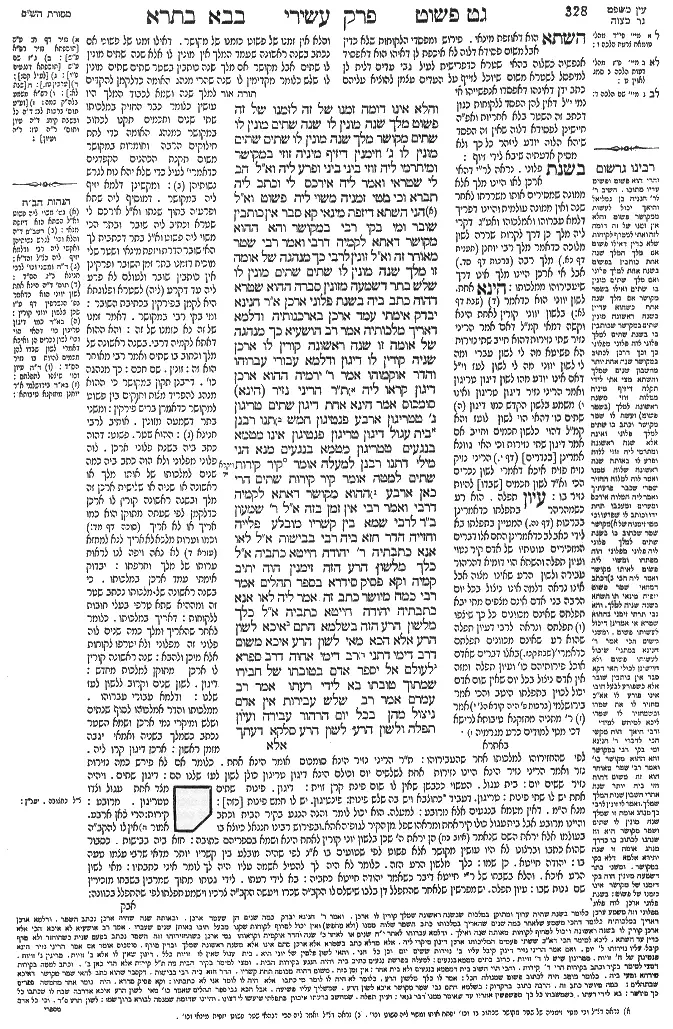
Bava Batra 164b - Guemara
והלא אינו דומה זמנו של זה לזמנו של זה פשוט מלך שנה מונין לו שנה שתים מונין לו שתים מקושר מלך שנה מונין לו שתים שתים מונין לו ג' וזימנין דיזיף מיניה זוזי במקושר ומיתרמי ליה זוזי ביני ביני ופרע ליה וא"ל הב לי שטראי ואמר ליה אירכס לי וכתב ליה תברא וכי מטי זמניה משוי ליה פשוט וא"ל הני השתא דיזפת מינאי קא סבר אין כותבין שובר ומי בקי רבי במקושר והא ההוא מקושר דאתא לקמיה דרבי ואמר רבי שטר מאוחר זה וא"ל זונין לרבי כך מנהגה של אומה זו מלך שנה מונין לו שתים שתים מונין לו שלש בתר דשמעה מזונין סברה ההוא שטרא דהוה כתב ביה בשנת פלוני ארכן א"ר חנינא בדק אימתי עמד ארכן בארכנותיה ודלמא דאריך מלכותיה אמר רב הושעיא כך מנהגה של אומה זו שנה ראשונה קורין לו ארכן שניה קורין לו דיגון ודלמא עבורי עברוהו והדר אוקמוהו אמר ר' ירמיה ההוא ארכן דיגון קראו ליה ת"ר הריני נזיר (הינא) סומכוס אמר הינא אחת דיגון שתים טריגון ג' טטריגון ארבע פנטיגון חמש תנו רבנן בית עגול דיגון טריגון פנטיגון אינו מטמא בנגעים טטריגון מטמא בנגעים מנא הני מילי דתנו רבנן למעלה אומר (ויקרא יד, לז) קיר קירות שתים למטה אומר קיר קירות שתים הרי כאן ארבע ההוא מקושר דאתא לקמיה דרבי ואמר רבי אין זמן בזה א"ל ר' שמעון ב"ר לרבי שמא בין קשריו מובלע פלייה וחזייה הדר חזא ביה רבי בבישות א"ל לאו אנא כתבתיה ר' יהודה חייטא כתביה א"ל כלך מלשון הרע הזה זימנין הוה יתיב קמיה וקא פסיק סידרא בספר תהלים אמר רבי כמה מיושר כתב זה אמר ליה לאו אנא כתבתיה יהודה חייטא כתביה א"ל כלך מלשון הרע הזה בשלמא התם איכא לשון הרע אלא הכא מאי לשון הרע איכא משום דרב דימי דתני רב דימי אחוה דרב ספרא לעולם אל יספר אדם בטובתו של חבירו שמתוך טובתו בא לידי רעתו אמר רב עמרם אמר רב שלש עבירות אין אדם ניצול מהן בכל יום הרהור עבירה ועיון תפלה ולשון הרע לשון הרע סלקא דעתך
Comments from Rashbam - Bava Batra 164b
והלא אין זמנו של פשוט כזמנו של מקושר . דאילו זמנו של פשוט אם נכתב בשנה ראשונה שעמד המלך אין מונין לו אלא שנה שתים מונין לו שתים אבל מקושר אם מלך שנה כותבין בשטר שתים שתים מונין לו שלש כלומר מקדימין לו שנה שהרי מנהג האומה כדלקמן להקדים למלך שנה ושמא לכבוד המלך היו עושין כלומר כבר החזיק במלכותו שתי שנים וחכמים תקנו לכתוב במקושר כמנהג האומה כדי לתת חילוקים הרבה וחומרות במקושר משום תקנת הכהנים הקפדנים כדאמרי' לעיל כדי שלא יהא נוח לגרש נשותיהן: ומקשינן דלמא יזיף ליה במקושר . דמוסיף ליה שתא ופרעיה בתוך שנתו וא"ל אירכס לי שטרא וכתיב ליה שובר ובתר הכי משוי ליה פשוט וא"ל בתר דכתבית לך האי שובר הדרת ויזפת מינאי ושטר שלי מוכיח דזמנו בתר זמן השובר ופרקינן אין כותבין שובר ולעולם לא פרע ליה עד דקרע (ליה) לשטרא ופלוגתא היא לקמן בפירקין בכתיבת השובר: ומי בקי רבי במקושר . דאמר זמנו של זה לא כזמנו של זה: והא ההוא דאתא לקמיה דרבי . בשנה ראשונה של מלך וכתוב בו שתים ואמר רבי מאוחר הוא זה: זונין . שם חכם: כך מנהגה כו' . דרבנן תקון במקושר כי ההוא מנהג להפריד מצות וחוקים בין פשוט למקושר כדאמרן בריש פירקין: ומשני בתר דשמעה מזונין . אותיב לרבי חנינא: ההוא שטר . פשוט: דהוה כתב ביה בשנת פלוני ארכן . לוה פלוני מפלוני ולא הוה כתב ביה כמה שנים למלכותו של אותו מלך או ראשונה או שניה או שלישית ארכן זה מלך ובשנה ראשונה קורין לו ארכן כדלקמן לפי שעתה מתוקן הוא כמו אריך או לא אריך (סוכה דף מד:) וכמו וערות מלכא לא אריך לנא למחזא (עזרא ד) לא נאה ויפה לנו לראות ערותו של מלך וחרפתו: יבדוק אימתי עמד ארכן במלכותו . כי בשנה ראשונה של מלכותו נכתב שטר זה ומההיא שתא טרפי בעלי חובות ללקוחות: דאריך במלכותו . כלומר לאחר שהאריך ומלך כמה שנים לוה פלוני זה מפלוני ולא יטרפו לקוחות אלא מיכן ולהבא: שנה ראשונה קורין לו ארכן . מתוקן למלכות מחדש: דיגון . לשון שנים וקרוב ללשון לעז שלנו: ודלמא עבורי עברוהו . ממלכותו והדר אמלכוהו לסוף שנתים ושלש ומיקרי נמי ארכן ושמא השטר נכתב כשמלך בשניה ואמאי יגבה מזמן ראשון: ארכן דיגון קרו ליה . לפי שהחזירוהו למלכותו אחר שהעבירוהו: ת"ר הריני נזיר הינא סומכוס אומר הינא אחת . כלומר אם לא פירש כמה נזירות נזר ואמר הריני נזיר הינא היינו נזירות אחת לשלשים יום וכולם הינא דיגון טריגון כולן לשון לעז שלנו הם: דיגון שתים . ויהיה נזיר ששים יום: בית עגול . העשוי ככבשן שאין לו שום פינת קרן זוית: דיגון . פינות שתים מצד אחת עגול וצדו אחת יש לו שתי פינות: טריגון . דעביד כחוצבא ויש בה שלש פינות: פינטיגון . יש לו חמש פינות [כזה]:  טטריגון . מרובע: מנא ה"מ . דאין מטמא בנגעים אלא מרובע: למעלה . הוא יכול לומר והנה הנגע בקיר הבית וכתב קירות: הרי כאן ארבע . והיינו מרובע אבל בית עגול כולו קיר אחת ומראהו שפל מן הקיר לגופיה אתא. ובפירוש רבינו חננאל כיוצא בו אמור אין לו להקב"ה בעולמו אלא יראת השם שנאמר (איוב כח) הן יראת ה' שכן בלשון יוני קורין לאחת הינא ושמא בספריהם כתובה: חזא ביה בבישות . כסבור שהוא כתבו וברצונו לא היו עושין מקושר אלא פשוט לפי שטועים בו א"נ לפי שהיה מובלע בין קשריו יותר מדאי שרבי עצמו טעה בו: יהודה חייטא . כן שמו: כלך מלשון הרע הזה . כלומר לא היה לך להטיל אשמה עליו היה לך לומר איני כתבתיו: מאי לשון הרע איכא . והלא בשבחו של ר"י חייטא דיבר כשאמר יהודה חייטא כתביה: בא לידי רעתו . לידי גנותו מתוך שמרבין בשבחו מזכירין שם גנות שבו: עיון תפלה . יש מפרשין שלאחר שהתפלל דן בלבו שישלם לו הקב"ה שכרו ויעשה הקב"ה צרכיו וישמע תפלתו לפי שהתפלל בכוונה:
Comments from Tosafot - Bava Batra 164b
השתא הוא דאוזפת מינאי. פירוש ומפסדי הלקוחות שלא כדין אבל משום פסידא דלוה לא איכפת לן דאיהו הוא דאפסיד אנפשיה כשלוה בהאי שטרא כדפרישית לעיל גבי עדים דלית לן למיפסל לשטרא משום שיוכל לזייף על העדים עצמן להוציא עליהם כתב ידן דאינהו דאפסדו אנפשייהו אי נמי י"ל דאין להן הפסד ללקוחות כגון דכתב זה השטר בלא אחריות ואפ"ה חיישינן לפסידא דלוה שאין זה הפסד . שיהא הלוה יודע ליזהר כל כך ולא מסיק אדעתיה שיבא לידי זיוף: בשנת פלוני. נראה לר"י דהאי ארכן לאו היינו מלך אלא ממונה שמסירים אותו משררתו לאחר שנה ואין ממונה עולמית והיינו דפריך דלמא עברוהו ואמלכוהו ואע"ג דקרי ליה מלך כן דרך לקרות שררה לשון מלוכה כדאמר מלך רבי יוחנן (תענית דף כא.) מלך רבה (ברכות דף סד.) אבל אי ארכן היינו מלך אינו דרך שיעבירוהו ממלכותו: הינא אחת. לשון יווני הוא כדאמר (שבת דף לא:) בלשון יווני קורין לאחת הינא וקשה דמאי קמ"ל דאם אמר הריני נזיר שתי נזירות דהוא חייב שתי נזירות הא פשיטא מה לי לשון עברי ומה לי לשון יווני מה לי לשון לעז וי"ל דאם אינו יודע מהו לשון דיגון טריגון ואמר הריני נזיר דיגון טריגון ואינו משמע בלשון הקדש כמו דיגון שתים כו' דהאי הוי לשון לועז והא קמ"ל דהוי כלשון חכמים וחייב אם אמר דיגון שתי נזירות וכי האי גוונא אמרינן [בנדרים] (דף י.) הריני נזיק נזיח פזיח איכא דאמרי לשון נכרים הכי וא"ד לשון חכמים [שבדו] להיות נזיר בו: עיון תפלה. הוא רע כשמהרהר בתפלתו כדאמרינן בברכות (דף נה.) המעיין בתפלתו בא לידי כאב לב כדאמרינן התם אלו דברים המזכירים עונותיו של אדם קיר נטוי ועיון תפלה והשתא הוי דומיא דהרהור עבירה ולשון הרע שאינו מצוה אבל אינו נראה דלמה אינו ניצול בכל יום הרבה בני אדם אינם מצפים מתי יבא תפלתם שאינם מכוונים כל כך שיצפו תפלתם ונראה לרבי דעיון תפלה שהוא רע שאינם מכוונים תפלתם כדאמרי' (שבת קכז.) באלו דברים שאדם אוכל פירותיהם כו' ועיון תפלה ומזה אין אדם ניצול בכל יום שאין שום אדם יכול לכוין בתפלתו היטב והכי אמר בירושלמי (ברכות פ' היה קורא הל' י) אמר ר' מתניה מחזקנא טיבותא לרישא דכי מטי למודים כרע מגרמיה:
Bava Batra 164b - Mishnah translated into english
But the date of this one, a tied document, is not the same as the date of that one, an ordinary document. In an ordinary document, when the king has reigned for one year, one year is counted for him, and when he has reigned for two years, two years are counted for him. By contrast, in a tied document, when the king has reigned for one year, two years are counted for him, and when he has reigned for two years, three years are counted for him. If a tied document is simply opened up and used as an ordinary document, then it will emerge that it is postdated by a year.
Rabbi Yehuda HaNasi continues: And there are times this can be problematic, as in a case where the debtor borrows money from the creditor, and the details of the loan are written in a tied document. And the debtor chances upon some money in the interim, i.e., during the first year after the document was written, and he repays the creditor, and says to him: Give me back my promissory note, as I have just repaid you. And the creditor says to the debtor: I lost the document and cannot give it to you. And in lieu of returning the promissory note, the creditor writes a receipt for the debtor, as protection against a second collection.
Rabbi Yehuda HaNasi continues: And then, when the time for repayment written in the promissory note arrives, the creditor will make it into an ordinary document by undoing its stitches and opening it up, and he can then say to the debtor: It is now that you borrowed this money from me, as attested in this promissory note, and the receipt you have in your possession is for a previous debt, as its date precedes the date on my document.
The Gemara answers: Rabbi Ḥanina ben Gamliel holds that one does not write a receipt in such cases. If a creditor loses his promissory note, the debtor need not pay him at all, out of concern that the debt may one day be collected again when the promissory note is found. He is not required to pay the debt and accept only a receipt, which he will then have to guard permanently to protect himself against a second collection.
The Gemara asks with regard to the previous discussion: And was Rabbi Yehuda HaNasi expert in the halakhot of tied documents? But wasn’t there a certain tied document that came before Rabbi Yehuda HaNasi, and when Rabbi Yehuda HaNasi saw the date he said: This is a postdated document. And a Sage named Zunin said to Rabbi Yehuda HaNasi: Such is the custom of this nation; when the king has reigned for one year, two years are counted for him, and when he has reigned for two years, three years are counted for him. The document is therefore not postdated. From this anecdote it is clear that Rabbi Yehuda HaNasi himself had not been familiar with this practice.
The Gemara answers: After Rabbi Yehuda HaNasi heard it from Zunin he accepted the explanation and held this way himself, and that is what prompted him to raise his objection.
§ There was a certain document on which was written, as its date: In the year of so-and-so, Archon [Arkhan], a title for a ruler, without stating any particular year of his reign. Rabbi Ḥanina said: Let it be investigated when it was that this Archon rose to his position of archon, i.e., find out the year he came to power, and the validity of the document is established from that year.
The Gemara suggests: But perhaps the writer of the document was using an Aramaic or Hebrew term, and intended to say that the reign of so-and-so had already extended [arikh] for several years. Rav Hoshaya says: Such is the custom of this nation where the document was written: In the first year of the king’s reign they refer to him with the title Archon; in his second year they refer to him with the title Digon.
The Gemara suggests: But perhaps the people deposed the ruler and then reinstated him, and the document was written in the first year of his second reign. Rabbi Yirmeya said: In that case, they would refer to him with the title Archon Digon.
§ Apropos these Greek terms, the Gemara cites two baraitot that mention them. The Sages taught (Tosefta, Nazir 1:2) that if one said: I am hereby a nazirite heina, or stated a similar expression with other comparable Greek terms, Sumakhos said that his status depends on which term he used. If he used the word heina, he is a nazirite for one term of naziriteship, i.e., thirty days; if he said digon, he is a nazirite for two terms of thirty days each; if he said terigon, he is a nazirite for three terms; tetrigon, for four terms; pentigon, for five terms.
The Sages taught in another baraita (Tosefta, Nega’im 6:3): A round house, or one that is shaped like a digon, i.e., it has two walls, one straight and one curved, or one that is shaped like a terigon, i.e., a triangle, or one that is shaped like a pentagon, does not become susceptible to the ritual impurity of leprous spots. If it is shaped like a tetrigon, i.e., a quadrilateral, it becomes susceptible to the ritual impurity of leprous spots.
The Gemara asks: From where are these matters derived? The Gemara answers: It is as the Sages taught in a baraita: The Torah states above: “If the plague be in the walls of the house” (Leviticus 14:37). The verse did not state: A wall, but “walls,” indicating that the house in question has at least two walls. And where it states below: “If the plague has spread in the walls of the house” (Leviticus 14:39), instead of stating: A wall, the verse states “walls,” indicating another two walls. There are a total of four walls mentioned here in order to indicate that a house can become impure through leprous spots only if it has four sides.
§ The Gemara relates: There was a certain tied document that came before Rabbi Yehuda HaNasi, and Rabbi Yehuda HaNasi, not realizing it was a folded document, said: There is no date on this document, so it is not valid. Rabbi Shimon, son of Rabbi Yehuda HaNasi, said to Rabbi Yehuda HaNasi: Perhaps the date is hidden between its tied folds. Rabbi Yehuda HaNasi opened it and saw that the date was in fact between the tied folds. Afterward, Rabbi Yehuda HaNasi looked at his son disapprovingly, as he held that one should not write a tied document. His son said to him: I did not write it; Rabbi Yehuda Ḥayyata wrote it. Rabbi Yehuda HaNasi said to his son: Turn away from uttering this kind of malicious speech.
Another time, Rabbi Shimon was sitting before his father and reciting a section of the book of Psalms. Rabbi Yehuda HaNasi said to him: How straight and neat is this writing in this book from which you are reading. Rabbi Shimon said to him: I did not write it; Yehuda Ḥayyata wrote it. Rabbi Yehuda HaNasi told his son: Turn away from uttering this kind of malicious speech.
The Gemara asks: Granted, there, in the first episode, there is malicious speech involved, since Rabbi Yehuda HaNasi was displeased with the writer of the document, but here, in the second episode, what malicious speech is there? Rabbi Yehuda HaNasi was complimenting the writer of the book of Psalms, not criticizing him. The Gemara answers: It is because of what Rav Dimi teaches. As Rav Dimi, the brother of Rav Safra, teaches: A person should never speak the praises of another, as out of the praise spoken about him someone may come to speak to his detriment.
Rav Amram says that Rav says: There are three sins from which a person is not spared each day. They are: Having sinful thoughts, and committing sins concerning deliberation in prayer, and uttering malicious speech. The Gemara asks: Can it enter your mind that a person cannot go through the day without uttering malicious speech?
Traduction : The William Davidson digital edition of the Koren Noé Talmud, with commentary by Rabbi Adin Even-Israel Steinsaltz.