 Talmud Bavli
Bava Batra 145b : Youtube
Daf TubeYoutube
2 video classes :
Bava Batra Page 145b
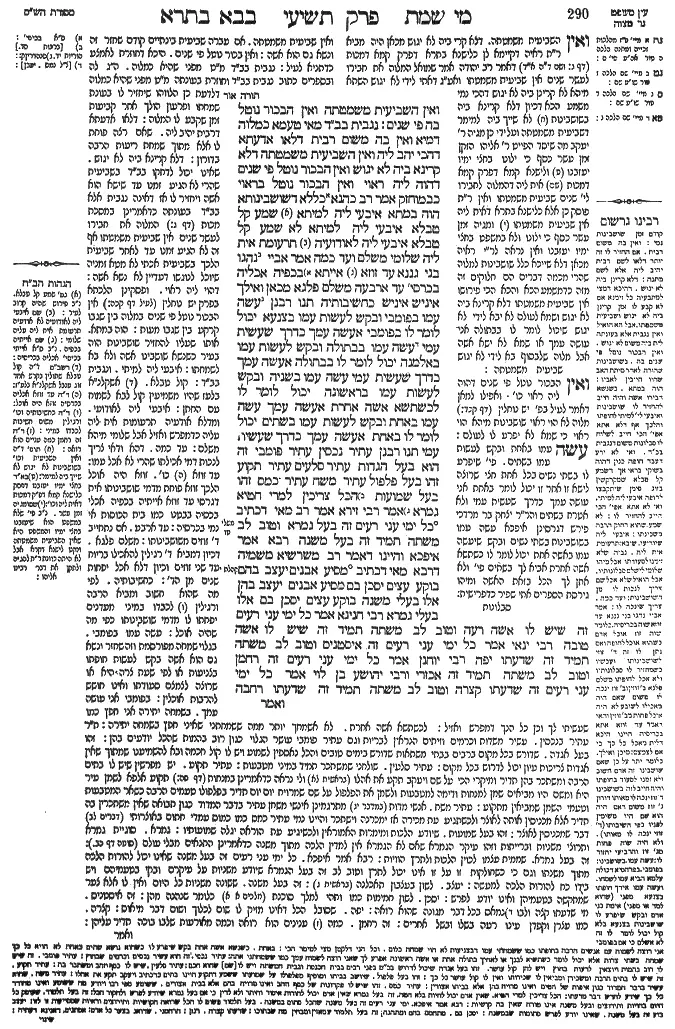
Bava Batra 145b - Guemara
ואין השביעית משמטתה ואין הבכור נוטל בה פי שנים:
נגבית בב"ד מאי טעמא כמלוה דמיא ואין בה משום רבית דלאו אדעתא דהכי יהב ליה ואין השביעית משמטתה דלא קרינא ביה לא יגוש ואין הבכור נוטל פי שנים דהוה ליה ראוי ואין הבכור נוטל בראוי כבמוחזק אמר רב כהנא כללא דשושבינותא הוה במתא איבעי ליה למיתא שמע קל טבלא איבעי ליה למיתא לא שמע קל טבלא איבעי ליה לאודועיה תרעומת אית ליה שלומי משלם ועד כמה אמר אביי נהגו בני גננא עד זוזא אייתא בכפיה אכליה בכרסי' עד ארבעה משלם פלגא מכאן ואילך איניש איניש כחשיבותיה תנו רבנן עשה עמו בפומבי ובקש לעשות עמו בצנעא יכול לומר לו בפומבי אעשה עמך כדרך שעשית עמי עשה עמו בבתולה ובקש לעשות עמו באלמנה יכול לומר לו בבתולה אעשה עמך כדרך שעשית עמי עשה עמו בשניה ובקש לעשות עמו בראשונה יכול לומר לו לכשתשא אשה אחרת אעשה עמך עשה עמו באחת ובקש לעשות עמו בשתים יכול לומר לו באחת אעשה עמך כדרך שעשית עמי תנו רבנן עתיר נכסין עתיר פומבי זה הוא בעל הגדות עתיר סלעים עתיר תקוע זהו בעל פלפול עתיר משח עתיר כמס זהו בעל שמועות הכל צריכין למרי חטיא גמרא אמר רבי זירא אמר רב מאי דכתיב (משלי טו, טו) כל ימי עני רעים זה בעל גמרא וטוב לב משתה תמיד זה בעל משנה רבא אמר איפכא והיינו דאמר רב משרשיא משמיה דרבא מאי דכתיב (קהלת י, ט) מסיע אבנים יעצב בהם בוקע עצים יסכן בם מסיע אבנים יעצב בהן אלו בעלי משנה בוקע עצים יסכן בם אלו בעלי גמרא רבי חנינא אמר כל ימי עני רעים זה שיש לו אשה רעה וטוב לב משתה תמיד זה שיש לו אשה טובה רבי ינאי אמר כל ימי עני רעים זה איסטניס וטוב לב משתה תמיד זה שדעתו יפה רבי יוחנן אמר כל ימי עני רעים זה רחמן וטוב לב משתה תמיד זה אכזרי ורבי יהושע בן לוי אמר כל ימי עני רעים זה שדעתו קצרה וטוב לב משתה תמיד זה שדעתו רחבה
Comments from Rashbam - Bava Batra 145b
ואין שביעית משמטתה . אם עברה שביעית בינתיים קודם שחזר זה ונשא גם הוא אשה: ואין בכור נוטל פי שנים . היכא דחוזרת לאמצע כדתניא לעיל: נגבית בב"ד מ"ט מפני שהיא כמלוה . ה"ג לה ובספרים כתוב נגבית בב"ד וחוזרת בעונתה מ"ט מפני שהיא כמלוה דלדעת כן הלווהו שיחזיר לו בעונת שמחתו ופרעון הולך אחר קביעות זמן שקבע לו המלוה: דלאו אדעתא דרבית יהיב ליה . שאם רצה פוחת לו אלא מתוך שמחת ריעות הרבה בדורון: דלא קרינא ביה לא יגוש . שאינו יכול לדחקו בב"ד בשביעית שהרי לא הגיע זמנו עד שישא הוא אשה ויחזיר לו אז דאינה נגבית אלא בב"ד בעונתה כדאמרינן במסכת מכות (דף ג:) המלוה את חבירו לעשר שנים אין שביעית משמטתו אף זה לא הגיע זמנו עד לאחר שביעית הלכך בשביעית אכתי לא מטא זמניה שיוכל לנוגשו דעדיין לא נשא אשה: דהוי ליה ראוי . ופסקינן הלכתא בפרק יש נוחלין (לעיל בבא בתרא דף קכה:) אין הבכור נוטל פי שנים במלוה בין שגבו קרקע בין שגבו מעות: הוה במתא . אותו שעליו להחזיר שושבינות הוה בעיר כשנשא שושבינו אשה ולא בא לשמחתו: איבעי ליה למיתי . ונגבית בב"ד: קול טבלא . אשקלנ"א בלעז שהיו משמיעין קול לבא לשמוח עם החתן: איבעי ליה לאודועי . ומדלא אודעיה תרעומות אית ליה עליה כדמפרש ואזיל אבל שלומי מיהא משלם: עד כמה . דהא ודאי צריך לנכות דמי אכילתו שהרי לא אכל עמו: עד זוזא כו' . זוזא היה אוכל הלכך זוזא פוחת מדמי שושבינותו אית דגרסי עד זוזא אייתיה בכפיה אכלי בכסיה בבטנו כמו בית הכוסות אי נמי בכרסיה: עד ארבע . אם נתחייב ד' זוזים משושבינותו: משלם פלגא . דכיון דמביא ד' רגילין להאכילו בריוח עד שני זוזים וכיון דלא אכל יפחות שנים מן הד': כחשיבותיה . לפי מה שהוא חשוב ומביא הרבה ורגילין לכבדו במיני מעדנים יפחתו לו מדמי שושבינותו כפי מה שהיה אוכל: עשה עמו בפומבי . בגלוי שמחה מפורסמת וזה שחזר ונשא גם הוא אשה בקש לעשות חופתו בצניעות או לפי שעת צרה היא או שרוצה לצמצם סעודתו ואינו חושש להרבות אוכלין: בפומבי אני עושה עמך . בשמחה יתירה אני חפץ כמו שעשיתי לך וכן כל הנך דמפרש ואזיל: לכשתשא אשה אחרת . לא אשמחך יותר ממה ששמחתני שאיני חפץ בשמחה יתירה: ת"ר עתיר בנכסין . עשיר משדות וכרמים וזיתים הנראין לבריות וגם עתיר פומבי עושר הגלוי כגון רוב בהמות שהכל יודעים בהן: זהו בעל אגדה . שדורש בכל מקום ברבים בבתי משתאות שדורש בימים טובים והכל נאספין לשמוע ויש לו קול חכמה ובא להשמיענו שמתוך שאין אגדות צריכות עיון יכול לדרוש בכל מקום: עתיר סלעין . שולחני שמשתכר תמיד במיני מטבעות: עתיר תקוע . יש מפרשין שיש לו בתים הרבה ומשתכר בהן תדיר ומיקרי הכי על שם ויעקב תקע את אהלו (בראשית לא) ולי נראה כדאמרינן במנחות (דף פה:) תקוע אלפא לשמן עיר היא ומשם היו מביאים שמן למנחות ודימה למטבעות ולשמן את הפלפול על שם שמרויח יום יום תדיר בפלפולו טעמים הרבה כשאר המטבעות וטעמי השמן שמביאין מתקוע: עתיר משח . אנשי מדות (במדבר יג) מתרגמינן אינשי משחן עתיר בדבר המדוד כגון תבואה שאיץ משתכרין בה תדיר אלא מכניסין אותה לאוצר ולכשתגיע עת מכירה אז ימכרנה וישתכר והיינו נמי עתיר כמס כמו כמוס עמדי חתום באוצרותי (דברים לב) דבר שמכניסין לאוצר: זהו בעל שמועות . שיודע הלכות ומימרות האמוראין ולכשיגיע עת הוראה יגלה שמועותיו: גמרא . סוגיית גמרא ותרוצי משניות וברייתות וזהו עיקר הגמרא שאם לא הגמרא אין למדין הלכה מתוך משנה כדאמרינן התנאים מבלי עולם (סוטה דף כב.): זה בעל גמרא . שממית עצמו לכוין הלכות ולתרץ הוויות: רבא אמר איפכא . כל ימי עני רעים זה בעל משנה שאינו יכול להורות הלכה מתוך משנתו וגם כי כשחולקות זו על זו אינו יכול לתרץ וטוב לב זה בעל הגמרא שיודע משניות על עיקרם ובקי בטעמיהם ויש בידו כח להורות הלכה למעשה: יעצב . לשון בעצבון תאכלנה (בראשית ג): זה בעל משנה . ששונה משניות כל היום ואין לו אלא צער שמתקשה בטעמיהן ואינו יודע לפרש: יסכן . לשון תמימות כמו ותהי למלך סוכנת (מלכים א א) כלומר שנהנה מהן: זה איסטניס . מי שדעתו קצה ולבו נמאס בכל דבר מגונה שהוא רואה: יפה . שסובל הכל דאינו מזיק לו שום לכלוך ושום דבר מיאוס: זה רחמן . כמה ענינים הוא רואה וכמה מאורעות שלבו בוכה תדיר עליהן: קצרה . כמו עצרן וקפדן עינו רעה בשלו ובשל אחרים:
Comments from Tosafot - Bava Batra 145b
ואין השביעית משמטתה דלא קרי ביה לא יגוש. מכאן היה מביא ר"ת ראיה דקיימא לן כלישנא בתרא דפרק קמא דמכות (דף ג: ושם ד"ה א"ד) דאמר רב יהודה אמר שמואל המלוה את חבירו לעשר שנים אין שביעית משמטתו ואע"ג דאתי לידי לא יגוש השתא מיהא לא קרינן ביה לא יגוש דהכי נמי משמע הכא דכיון דלא קרינא ביה בשושבינות לא שייך ביה למימר דשביעית משמטתה ועל ידי כן מגיה ר' יעקב מה שיסד הפייט ר' אליהו הזקן זמן עשר כסף כי ילונו בחצי ימיו יעזבנו ולישנא קמא דפרק קמא דמכות (שם) אית ליה דהמלוה לחבירו לי' שנים שביעית משמטתו ואין ר"ת פוסק כן אלא כלישנא בתרא דאית ליה אין שביעית משמטתו ומגיה זמן עשר כסף כי ילונו ולא במשפט בחצי ימיו יעזבנו ואין נראה לר"י ראיה מכאן דלא שייכא כלל שושבינות למלוה שהרי מכמה דברים הם חלוקים זה מזה כדמשמע הכא והכא הכי פירושו אין שביעית משמטתו דלא קרינא ביה לא יגוש ושמא לעולם לא יבא לידי לא יגוש שיכול לומר לו בבתולה אני עושה עמך או שמא לא ישא אשה אבל מלוה שלבסוף בא לידי לא יגוש שביעית משמטתה: ואין הבכור נוטל פי שנים דהוה ליה ראוי כו'. ואפילו למאן דאמר לעיל בפ' יש נוחלין (בבא בתרא דף קכד:) מלוה לא הוי ראוי שושבינות מיהא הוי ראוי כי שמא לא יפרע לו לעולם: עשה עמו באחת ובקש לעשות עמו בשתים. פי' שיפרע לו בשתי נשים בכל אחת חצי שרוצה לישא זו אחר זו יכול לומר באחת אני עושה עמך כדרך שעשית עמי ולא אטרח בשתים והר"ר יצחק בר מרדכי פירש דגרסינן איפכא עשה עמו בשושבינות בשתי נשים ובקש שיעשה עמו באשה אחת יכול לומר לו כשתשא אשה אחרת אביא לך בשתים פי' ולא אתן לך הכל בזאת האשה ומיהו גירסת הספרים אתי שפיר כדפרישית:
Bava Batra 145b - Mishnah translated into english
and the Sabbatical Year does not abrogate them; and the firstborn does not take a double portion of them.
The baraita states that gifts of groomsmen are collectible in court. What is the reason for this? It is that they are considered similar to a loan. The baraita states: And they are not subject to the prohibition of interest. The reason is that it was not with that in mind that he gave him a larger gift. Rather, he did so on account of his joy at his friend’s wedding. The baraita states: And the Sabbatical Year does not abrogate them. The reason is that one cannot read the verse concerning the abrogation of debts during the occurrence of the Sabbatical Year: “He shall not exact it of his neighbor and his brother, because the Lord’s release has been proclaimed” (Deuteronomy 15:2), with regard to gifts of groomsmen. Since one cannot choose to exact the gifts until the time of one’s own wedding, they are not addressed by this verse.
The baraita states: And the firstborn does not take a double portion from them. The reason is that they constitute potential inheritance, and the firstborn does not take in inheritance the property due the deceased as he does the property the deceased possessed.
§ Rav Kahana said: The principle with regard to the reciprocation of gifts of groomsmen is: If the recipient was in town when his groomsman wed, he should have come to the wedding, and even if he did not come, he is obligated to send the gifts of groomsmen. If he was not in town, but he was nearby and he heard the sound of the drum announcing the wedding, he should have come. If he was far away and did not hear the sound of the drum, the betrothed man should have informed him. If he did not inform him, the recipient has a grievance against the betrothed man because he did not inform him about the wedding, but he still repays the gifts of groomsmen.
In this case, since he did not partake of the wedding feast, he is entitled to deduct a sum from the reciprocal gift. The Gemara asks: And up to how much can he deduct? Abaye said: The members of a wedding feast were accustomed to deduct according to the following principle: If the gift of groomsmen that the reciprocal giver received was up to a dinar, he now pays nothing, because what a person brings in his hand he consumes in his stomach. If the gift of groomsmen was up to four dinars, he now pays half. From that sum onward, each person deducts according to his prominence, i.e., in accordance with the outlay that would have been required to honor the reciprocal giver properly, had he participated in the wedding feast.
The Sages taught (Tosefta 10:9): If one served as groomsman for his friend at a public [pumbei] wedding, and when the groomsman himself wed, he requested that his friend reciprocate by serving as a groomsman for him at a private wedding, the friend can say to him: I am willing to reciprocate and serve as groomsman for you only at a public wedding, where the rejoicing is greater, in the manner you served as a groomsman for me. If one served as a groomsman for his friend when he married a virgin, and he requested that his friend reciprocate by serving as a groomsman for him when he marries a widow, the friend can say to him: I shall serve as a groomsman for you only when you marry a virgin, in the manner you served as a groomsman for me.
If one served as a groomsman for his friend when he married a second wife, and he requested that his friend reciprocate by serving as a groomsman for him when he marries a first wife, the friend can say to him: When you marry another woman I will serve as a groomsman for you. If one served as a groomsman for his friend when he married one woman, and he requested that his friend reciprocate by serving as a groomsman for him when he marries two women, the friend can say to him: I will serve as a groomsman for you when you marry one woman, in the manner you served as a groomsman for me.
§ The Sages taught in a baraita: There are different types of Torah scholars. There is a scholar who is wealthy in figurative property and wealthy in public renown; this is the master of homiletics. There is a scholar who is wealthy in coins and wealthy in houses; this is the master of dialectics. There is one who is wealthy in oil and wealthy in hidden stores; this is the master of halakhic traditions. Everyone is dependent on the owner of wheat; this is the master of Talmud, who understands the reasons behind the rulings and traditions.
Rabbi Zeira says that Rav says: What is the meaning of that which is written: “All the days of the poor are terrible; and for the good-hearted it is always a feast” (Proverbs 15:15)? “All the days of the poor are terrible”; this is referring to the master of Talmud, who is wearied by the difficulty of his Talmud study. “And for the good-hearted it is always a feast”; this is referring to the master of Mishna, who recites the mishnayot by rote and is not wearied thereby.
Rava says: The opposite is true. And this is consistent with that which Rav Mesharshiyya says in the name of Rava: What is the meaning of that which is written: “He who quarries stones shall be hurt by them; and he that chops wood shall be warmed thereby” (Ecclesiastes 10:9). “He who quarries stones shall be hurt by them”; these are the masters of Mishna. They exert themselves to memorize the mishnayot, but since one cannot reach practical conclusions from the mishna, they are comparable to one who carries a heavy load without benefiting from it. “He that chops wood shall be warmed thereby”; these are the masters of Talmud, who attain the benefit of their exertions in the form of practical conclusions.
The Gemara cites other interpretations of this verse. Rabbi Ḥanina says: “All the days of the poor are terrible”; this is referring to one who has a wicked wife. “And for the good-hearted it is always a feast”; this is referring to one who has a good wife. Rabbi Yannai says: “All the days of the poor are terrible”; this is referring to one who is delicate [istenis] and overly sensitive, because he constantly encounters unpleasant situations. “And for the good-hearted it is always a feast”; this is referring to one who is relaxed and not particular with regard to his food or his surroundings.
Rabbi Yoḥanan says: “All the days of the poor are terrible”; this is referring to an empathetic person, because he is constantly affected by the suffering in the world. “And for the good-hearted it is always a feast”; this is referring to a cruel person, who is not pained by the suffering of others. And Rabbi Yehoshua ben Levi says: “All the days of the poor are terrible”; this is referring to a person of impatient disposition. “And for the good-hearted it is always a feast”; this is referring to a person of patient disposition.
Traduction : The William Davidson digital edition of the Koren Noé Talmud, with commentary by Rabbi Adin Even-Israel Steinsaltz.