 Talmud Bavli
The learning on the whole site is dedicated : For the success of Elyahou ben H'anna & family
The learning on the whole site is dedicated : L'ilui Nishmat Yechayahou ben Moche
The learning on the whole site is dedicated : L'ilui Nishmat יוסף בן מושה
Bava Batra 148b : Youtube
Daf TubeYoutube
2 video classes :
Bava Batra Page 148b
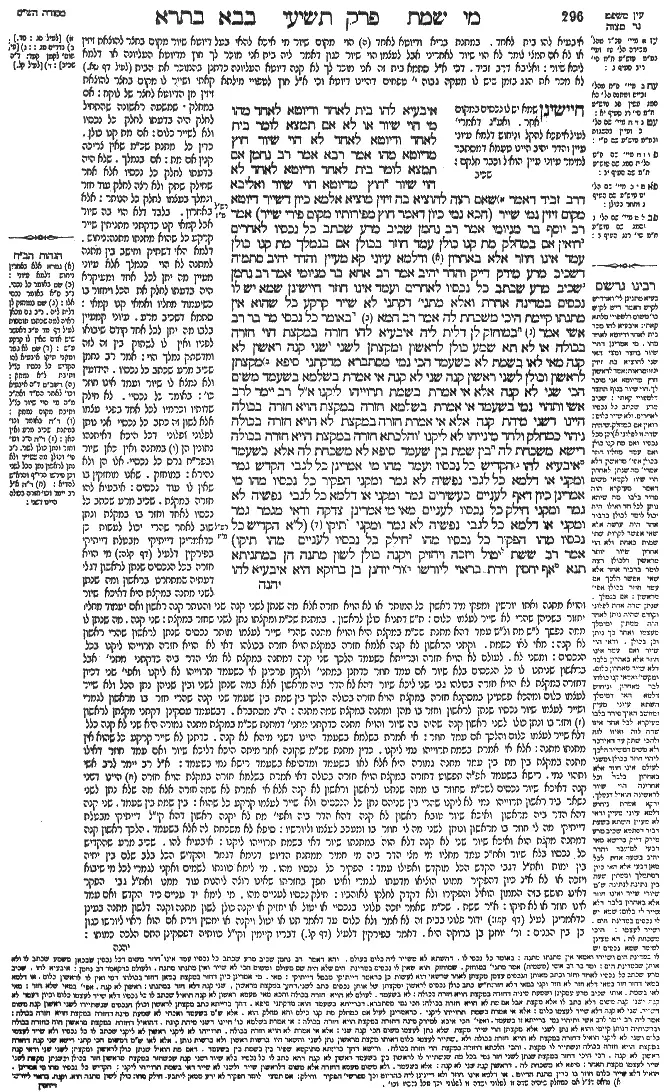
Bava Batra 148b - Guemara
איבעיא להו בית לאחד ודיוטא לאחד מהו מי הוי שיור או לא אם תמצא לומר בית לאחד ודיוטא לאחד לא הוי שיור חוץ מדיוטא מהו אמר רבא אמר רב נחמן אם תמצא לומר בית לאחד ודיוטא לאחד לא הוי שיור חוץ מדיוטא הוי שיור ואליבא דרב זביד דאמר שאם רצה להוציא בה זיזין מוציא אלמא כיון דשייר דיוטא מקום זיזין נמי שייר (הכא נמי כיון דאמר חוץ מפירותיו מקום פירי שייר) אמר רב יוסף בר מניומי אמר רב נחמן שכיב מרע שכתב כל נכסיו לאחרים רואין אם במחלק מת קנו כולן עמד חוזר בכולן אם בנמלך מת קנו כולן עמד אינו חוזר אלא באחרון ודלמא עיוני קא מעיין והדר יהיב סתמיה דשכיב מרע מידק דייק והדר יהיב אמר רב אחא בר מניומי אמר רב נחמן שכיב מרע שכתב כל נכסיו לאחרים ועמד אינו חוזר חיישינן שמא יש לו נכסים במדינה אחרת ואלא מתני' דקתני לא שייר קרקע כל שהוא אין מתנתו קיימת היכי משכחת לה אמר רב חמא באומר כל נכסי מר בר רב אשי אמר במוחזק לן דלית ליה איבעיא להו חזרה במקצת הוי חזרה בכולה או לא תא שמע כולן לראשון ומקצתן לשני שני קנה ראשון לא קנה מאי לאו בשמת לא בשעמד הכי נמי מסתברא מדקתני סיפא מקצתן לראשון וכולן לשני ראשון קנה שני לא קנה אי אמרת בשלמא בשעמד משום הכי שני לא קנה אלא אי אמרת בשמת תרוייהו ליקנו א"ל רב יימר לרב אשי ותהוי נמי בשעמד אי אמרת בשלמא חזרה במקצת הויא חזרה בכולה היינו דשני מיהת קנה אלא אי אמרת חזרה במקצת לא הויא חזרה בכולה ניהוי כמחלק ולחד מינייהו לא ליקנו והלכתא חזרה במקצת הויא חזרה בכולה רישא משכחת לה בין שמת בין שעמד סיפא לא משכחת לה אלא כשעמד איבעיא להו הקדיש כל נכסיו ועמד מהו מי אמרינן כל לגבי הקדש גמר ומקני או דלמא כל לגבי נפשיה לא גמר ומקני הפקיר כל נכסיו מהו מי אמרינן כיון דאף לעניים כעשירים גמר ומקני או דלמא כל לגבי נפשיה לא גמר ומקני חילק כל נכסיו לעניים מאי מי אמרינן צדקה ודאי מגמר גמר ומקני או דלמא כל לגבי נפשיה לא גמר ומקני תיקו (ל"א הקדיש כל נכסיו מהו הפקיר כל נכסיו מהו חילק כל נכסיו לעניים מהו תיקו) אמר רב ששת יטול ויזכה ויחזיק ויקנה כולן לשון מתנה הן במתניתא תנא אף יחסין וירת בראוי ליורשו ור' יוחנן בן ברוקא היא איבעיא להו
Comments from Rashbam - Bava Batra 148b
איבעיא להו בית לאחד . במתנת בריא ודיוטא לאחד הוי מקום שיור מי איכא להאי בעל דיוטא שיור מקום בחצר להוצאת זיזין או לא אם תמצי לומר לא הוי שיור לאחריני אבל לעצמו הוי שיור כגון דאמר ליה בית אני מוכר לך חוץ מדיוטא העליונה או דלמא ליכא שיור: ואליבא דרב זביד . דכי א"ל סתמא בית זה אני מוכר לך לא קנה דיוטא העליונה כדתנן בהמוכר את הבית (לעיל בבא בתרא דף סא.) לא מכר את הגג בזמן שיש לו מעקה גבוה י' טפחים דהיינו דיוטא וכי א"ל חוץ לטפויי מילתא קאתי ושייר לו מקום בחצר להוצאת זיזין מן הדיוטא לחצר של לוקח: אם במחלק . שמשעה ראשונה שהתחיל לחלק היה בדעתו לחלק כל נכסיו ולא לשייר כלום: אם מת קנו כולן . כדין כל מתנת שכ"מ שאין צריכה קנין אם מת: אם בנמלך . שלא היה בדעתו לחלק כל נכסיו אלא אחר שחילק שתק ולא רצה לחלק עוד חזר ונמלך בעצמו לחלק כל הנותר: אלא באחרון . בלבד דלא הוי בה שיור אבל קמאי קנו כדקתני מתניתין שייר קרקע כל שהוא מתנתו מתנה: ניחוש . דלמא האי דשתיק וחישב בין מתנה למתנה לא הוי כנמלך אלא עיוני מעיין מה יתן לכל אחד ומעיקרא היה בדעתו לחלק את הכל ויחזור בו כשיעמוד מחליו ואמאי קנו קמאי: סתמא דשכיב מרע . עיוני קמעיין בלבו מה יתן לכל אחד קודם שיבואו לפניו ואין לו לשתוק בין זה לזה ומדשתק נמלך הוי: אמר רב נחמן שכיב מרע שכתב כל נכסיו . הידועין ולא נמצא לו שיור ועמד אינו חוזר כו': באומר כל נכסיי . לא חילק שדותיו וכרמיו לכל אחד בפני עצמו אלא לשון זה כתב כל נכסיי אני נותן לפלוני ופלוני דכל היכא דאיתנהו נתונין הן במתנה ואין כאן שיור ובפר"ח גרס כל נכסיי אלו הן ולא נהירא: במוחזק . שאנו מוחזקין בו שאין לו עוד נכסים: איבעיא להו חזרה במקצת . שכיב מרע שכתב כל נכסיו לאחד וחזר בו במקצת ונתן שוב לאחר שהרי יכול לעשות כן כדאמרינן דייתיקי מבטלת דייתיקי בפירקין דלעיל (בבא בתרא דף קלה:) מי הויא חזרה בכל הנכסים שנתן לראשון דגלי דעתיה שמתחרט בראשון ומה שנתן לשני מתנה במקצת היא דאיכא שיור והויא מתנה ואתו יורשין ומפקי מיד ראשון כל המותר או לא הויא חזרה אלא מה שנתן לשני קנה שני והנותר קנה ראשון ואם יעמוד מחליו יחזור בשניהן שהרי לא שייר לעצמו כלום: ת"ש דתניא כולן לראשון . במתנת שכ"מ ומקצתו נתן לשני שחזר במקצת: שני קנה . מה שנתן לו ממה נפשך ל"ש מת ול"ש עמד דהא מתנת שכ"מ במקצת היא והויא מתנה שהרי שייר לעצמו מותר נכסים שנתן לראשון שהרי ראשון לא קנה: מאי לאו כשמת . וקתני הראשון לא קנה אלמא חזרה במקצת הויא חזרה בכולהו דאי לא הויא חזרה תרוייהו ליקנו בכל הנכסים: ומשני לא . לעולם לא הויא חזרה וברייתא כשעמד הלכך שני קנה דמתנה במקצת לא מצי הדר ביה כדקתני מתני' אבל בראשון שניתנו לו כל הנכסים בלא שיור אם עמד חוזר כדתנן במתני' ולקמן פרכינן אי כשעמד תרוייהו לא ליקנו ואפי' שני דכיון דחזרה במקצת לא הויא חזרה בכולהו גבי שני ליכא שיור דהא לא הדר ביה מראשון אלא במה שנתן לשני ובין שניהן נתן הכל ולא שייר לעצמו כלום ומהכא פשטינן במסקנא חזרה במקצת הויא חזרה בכולה הלכך בין שמת בין שעמד שני קנה שהרי חזר בו מראשון לגמרי ושייר לעצמו שיור נכסיו שנתן לראשון וחזר בו מהן ומתנה במקצת שמה מתנה: ה"נ מסתברא . דבשעמד עסקינן דקתני מקצתן לראשון וחזר בו ונתן כולו לשני ראשון קנה שהיה בה שיור והויא מתנה כדקתני מתני' דמתנת שכ"מ במקצת מתנה גמורה היא שני לא קנה כלל דלא שייר לעצמו כלום והלכך אם עמד חוזר: אי אמרת בשלמא בשעמד היינו דשני מיהא לא קנה . כדתנן לא שייר קרקע כל שהוא אין מתנתו מתנה: אלא אי אמרת בשמת תרוייהו נמי ליקנו . כדין מתנת שכ"מ שקונה אחר מיתה היכא דליכא שיור ואם עמד חוזר דאילו מתנה במקצת בין מת בין עמד מתנה גמורה היא אלא לאו בשעמד ומדסיפא בשעמד רישא נמי בשעמד: א"ל רב יימר לרב אשי ותהוי נמי . רישא בשעמד אפ"ה תפשוט דחזרה במקצת הויא חזרה בכולה דאי אמרת בשלמא חזרה במקצת הויא חזרה היינו דשני קנה דאיכא שיור נכסים לשכ"מ שחוזר בו ממה שנתנו לראשון וראשון לא קנה אלא אי אמרת לא שמה חזרה אלא מה שלא נתן לשני נשאר ביד ראשון תרוייהו נמי לא ליקנו שהרי בין שניהם נתן כל הנכסים ולא שייר לעצמו קרקע כל שהוא: בין שמת בין שעמד . שני קנה דהא הדר ביה מראשון ואיכא שיור טובא ראשון לא קנה דהא הדר ביה ואפי' מת לא יקנה ראשון דהא קי"ל דייתיקי מבטלת דייתיקי מה לי חוזר בו מראשון ונותן לשני מה לי חוזר בו ומעכב לעצמו וליורשיו: סיפא לא משכחת לה אלא בשעמד . הלכך ראשון קנה דמתנה מקצת הוא ואיכא שיור שני לא קנה דלא הוה במתנתו שיור דאי בשמת תרוייהו ליקנו: איבעיא להו . שכיב מרע שהקדיש כל נכסיו בלא שיור ואח"כ עמד מחליו מי מצי הדר ביה מי חמיר ממתנת הדיוט דנימא דגמר והקדיש הכל בלב שלם בין יחיה בין ימות ואת"ל דגבי הקדש הכל מוקדש ואפילו עמד: הפקיר כל נכסיו מהו . מי לימא כוונתו לשמים ואקני לגמרי לכל מי שיבוא ויזכה או לא א"נ כיון דהפקיר ממונו הוציאו מדעתו לגמרי ואינו חפץ בחזרתו שאינו רוצה ליהנות עוד ממנו ואת"ל גבי הפקר דאינו חושש בזה הממון הואיל והפקירו ולא דקדק לחלקו לאוהביו: חילק נכסיו לעניים מהו . מי לימא יד עניים כיד הקדש ואם עמד אינו חוזר או לא תיקו: א"ר ששת . שכ"מ שאמר יזכה פלוני בנכסיי או יטול או או יחזיק או יקנה כולן לשון מתנה וקנה דלשון מתנה בעינן כדאמרינן לעיל (בבא בתרא דף קמז:) ידור פלוני בבית זה לא אמר ולא כלום עד דאמר תנו או יטול ויקנה או יחסין וירת אם הוא ראוי ליורשו כגון בן בין הבנים: ור' יוחנן בן ברוקה היא . דאמר בפירקין דלעיל (בבא בתרא דף קל.) דבריו קיימין וקי"ל כוותיה דפסקינן התם הלכה כמותו:
Comments from Tosafot - Bava Batra 148b
חיישינן שמא יש לו נכסים במקום אחר. ואע"ג דאמרי' לעיל איפכא להקל וניחוש דלמא עיוני עיין והדר יהיב היינו טעמא דמסתבר למימר עיוני עיין הואיל וכבר חלקם:
Bava Batra 148b - Mishnah translated into english
A dilemma was raised before the Sages with regard to the statement of Rabbi Shimon ben Lakish: If one sold a house, i.e., a lower story, to one person and stated that the upper story will be sold to one other person, what is the halakha? Is this considered reserving additional rights for the second person apart from the upper story, or not? If you say that in a case where one sells his house to one and the upper story to one, his stipulation is not considered reserving rights for the second person, there is another dilemma. If one sold a house except for the upper story, reserving the upper story for himself, what is the halakha? Is this considered reserving additional rights for himself?
Rava said that Rav Naḥman said: Even if you say that where one sells the house to one person and the upper story to one other person, he is not considered to be reserving rights for the second person, if one sold a house except for the upper story, he is considered to be reserving additional rights for himself. And this is in accordance with the opinion of Rav Zevid, who says that the reason the seller reserves additional rights is that if he wants to extend projections from the upper story into the space of the courtyard, he may extend them.
The Gemara concludes: Evidently, since he reserved the upper story, he also reserved the place of the projections. Here too, with regard to the one who gave a palm tree to another and reserved the fruit for himself, since he said that the tree is given to another except for its fruit, he reserved the place of the fruit for himself as well.
§ The mishna (146b) states that if a person on his deathbed granted all of his property to others but reserved for himself any amount of land, his gift is valid even if he recovers. If he did not reserve for himself any amount of land, his gift is not valid if he recovers. Rav Yosef bar Minyumi says that Rav Naḥman says: In the case of a person on his deathbed who wrote a deed granting all of his property to others, the manner in which he divided his property is examined. If it appears that he was intending to divide his entire estate among various recipients, then if he dies, all the recipients acquire their gifts. If he recovers, he can retract all of the gifts, in accordance with the ruling of the mishna.
But if it appears that he was reconsidering the matter, initially intending to give away only a portion of his property, and then reconsidering and distributing the rest, then if he dies, all of the recipients acquire their gifts. If he recovers, he can retract only the last gift, as the previous gifts were given with the intent to reserve part of the property for himself, and they are valid even if he recovers. The Gemara asks: Perhaps he was not reconsidering; rather, he initially intended to transfer ownership of all of his property, and he was considering to whom to give each portion and then giving it. The Gemara answers: The usual way of a person on his deathbed is to consider the matter carefully first and only then to confer his gifts. Therefore, if he pauses to consider in the interim, it appears that he did not initially intend to transfer ownership of his entire estate.
§ Rav Aḥa bar Minyumi says that Rav Naḥman says: With regard to a person on his deathbed who wrote a deed granting all of his generally known property to others, and he then recovered, he cannot retract it, as we are concerned that perhaps he has property in another province that he reserved for himself, in which case the gift is valid even if he recovered.
The Gemara asks: But as for the mishna, which teaches: If he did not reserve for himself any amount of land, and he recovered, his gift is not valid, how can you find these circumstances? Rav Ḥama said: The mishna is referring to a case where he says: All my property is given to so-and-so, in which case he clearly reserved nothing for himself. Mar bar Rav Ashi said: The mishna is referring to a case where our presumption is that he does not have property elsewhere.
§ A dilemma was raised before the Sages: With regard to the gift of a person on his deathbed, is a partial retraction of the gift considered a retraction of the entire gift, or is it not considered a retraction of the entire gift? The Gemara suggests: Come and hear a proof from a baraita: If one gave all of his property to the first recipient and then he partially retracted his gift and gave part of his property to the second recipient, the second acquired his gift, but the first did not acquire anything. What, is it not referring to a case where the giver died, and the reason that the first recipient does not acquire anything is that a partial retraction is considered a retraction of the entire gift?
The Gemara rejects this explanation: No, the baraita is referring to a case where the giver recovered. The first gift was invalidated, because he left nothing for himself, whereas the second gift remained valid, since he gave only part of his property. Had he died, the first recipient would have received the remainder, as the giver retracted only part of the first gift, which he gave to the second recipient.
The Gemara comments: So too, it is reasonable to understand the baraita in this manner. From the fact that the last clause of the baraita teaches: If he gave part of his property to the first recipient, and then he gave all of his property to the second recipient, the first recipient acquired his gift, but the second did not acquire anything. Granted, if you say that the baraita is referring to a case where the giver recovered, due to that reason the second recipient did not acquire the gift. But if you say that the baraita is referring to a case where he died, both of them should acquire their gifts.
Rav Yeimar said to Rav Ashi: And even if the first clause of the baraita is referring to a case where he recovered, one can prove that a partial retraction is considered a retraction of the entire gift. Granted, if you say that a partial retraction is considered a retraction of the entire gift, this is the reason that at least the second recipient acquired the gift, as the giver reserved part of his property for himself. But if you say that a partial retraction is not considered a retraction of the entire gift, the giver should be considered as one who was dividing all of his property between the two recipients, and neither of them should acquire their gifts.
The Gemara concludes: And the halakha is that a partial retraction is considered a retraction of the entire gift. You find the halakha that is stated in the first clause of the baraita both in a case where the giver died and in a case where he recovered. You find the halakha that is stated in the last clause only in a case where he recovered.
§ A series of dilemmas were raised before the Sages: If a person on his deathbed consecrated all of his property to the Temple treasury and subsequently recovered, what is the halakha? Do we say that in any case that concerns consecrated property the assumption is that he resolves to transfer the property unconditionally, and therefore the consecration is valid even if he recovers? Or perhaps in any matter that concerns himself he does not resolve to transfer the property unconditionally.
Furthermore, if a person on his deathbed declared all of his property ownerless, what is the halakha? Do we say that since declaring his property ownerless is for the benefit of the poor as well as the rich, it involves the potential mitzva of providing for the poor, and therefore the assumption is that he resolves to transfer the property, i.e., declare it ownerless, unconditionally? Or perhaps in any matter that concerns himself he does not resolve to transfer the property unconditionally.
Furthermore, if a person on his deathbed divided all of his property to be distributed to the poor, what is the halakha? Do we say that with regard to charity the assumption is that he certainly resolves to transfer the property unconditionally? Or perhaps in any matter that concerns himself he does not resolve to transfer the property unconditionally. The Gemara concludes: These dilemmas shall stand unresolved.
The Gemara presents another version of this series of dilemmas: If a person on his deathbed consecrated all of his property to the Temple treasury, what is the halakha? If he declared all of his property ownerless, what is the halakha? If he divided all of his property to be distributed to the poor, what is the halakha? These dilemmas shall stand unresolved.
Rav Sheshet says: If one says: So-and-so shall take my property, or: So-and-so shall gain possession of my property, or: So-and-so shall take possession of my property, or: He shall acquire my property, all of these are terms that denote the bestowal of gifts. It was taught in a baraita: If one says: So-and-so shall receive as an inheritance, or: So-and-so shall inherit, these are also valid terms denoting inheritance in the case of one who is fit to inherit from him. And this baraita is in accordance with the opinion of Rabbi Yoḥanan ben Beroka, who holds that one can bequeath all of his property to one of his sons using terms that denote inheritance, not only using terms that denote the bestowal of a gift.
A series of dilemmas were raised before the Sages:
Traduction : The William Davidson digital edition of the Koren Noé Talmud, with commentary by Rabbi Adin Even-Israel Steinsaltz.