 Talmud Bavli
The learning on the whole site is dedicated : L'ilui Nishmat Yaakov ben Myriam
The learning on the whole site is dedicated : For the success of Elyahou ben H'anna & family
The learning on the whole site is dedicated : L'ilui Nishmat Amram ben Itshak Loubaton
Bava Batra 135b : Youtube
Daf TubeYoutube
2 video classes :
Bava Batra Page 135b
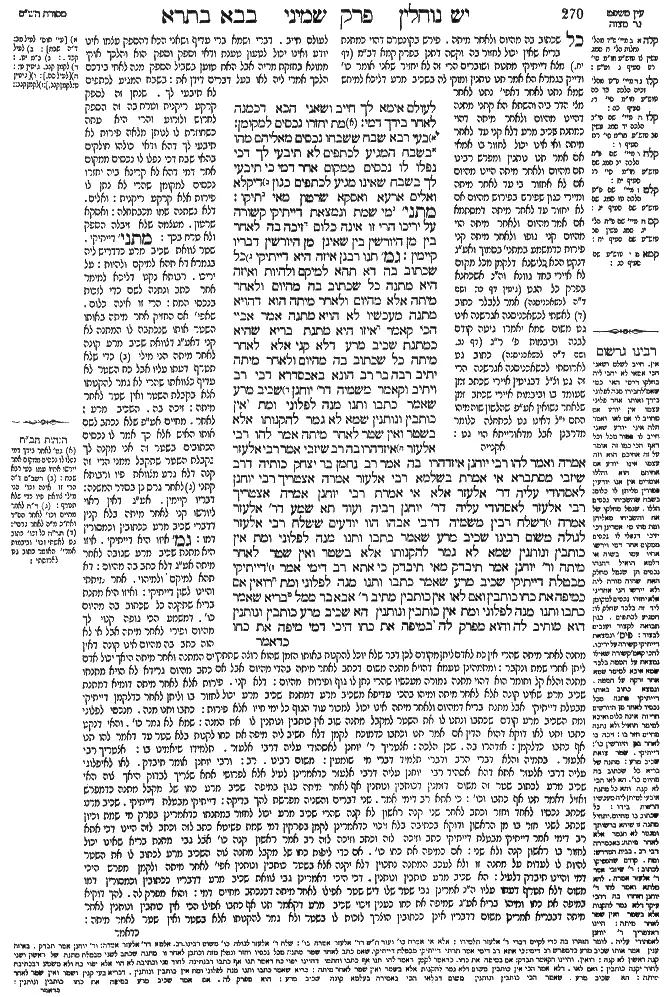
Bava Batra 135b - Guemara
לעולם אימא לך חייב ושאני הכא דכמנה לאחר בידך דמי:
מת יחזרו נכסים למקומן:
בעי רבא שבח ששבחו נכסים מאליהם מהו בשבח המגיע לכתפים לא תיבעי לך דכי נפלו לו נכסים ממקום אחר דמי כי תיבעי לך בשבח שאינו מגיע לכתפים כגון דיקלא ואלים ארעא ואסקא שרטון מאי תיקו:
מתני' מי שמת ונמצאת דייתיקי קשורה על יריכו הרי זו אינה כלום זיכה בה לאחר בין מן היורשין בין שאינן מן היורשין דבריו קיימין:
גמ׳ תנו רבנן איזה היא דייתיקי כל שכתוב בה דא תהא למיקם ולהיות ואיזה היא מתנה כל שכתוב בה מהיום ולאחר מיתה אלא מהיום ולאחר מיתה הוא דהויא מתנה מעכשיו לא הויא מתנה אמר אביי הכי קאמר איזו היא מתנת בריא שהיא כמתנת שכיב מרע דלא קני אלא לאחר מיתה כל שכתוב בה מהיום ולאחר מיתה יתיב רבה בר רב הונא באכסדרא דבי רב ויתיב וקאמר משמיה דר' יוחנן שכיב מרע שאמר כתבו ותנו מנה לפלוני ומת אין כותבין ונותנין שמא לא גמר להקנותו אלא בשטר ואין שטר לאחר מיתה אמר להו רבי אלעזר איזדהרו בה רב שיזבי אמר רבי אלעזר אמרה ואמר להו רבי יוחנן איזדהרו בה אמר רב נחמן בר יצחק כותיה דרב שיזבי מסתברא אי אמרת בשלמא רבי אלעזר אמרה אצטריך רבי יוחנן לאסהודי עליה דר' אלעזר אלא אי אמרת רבי יוחנן אמרה אצטריך רבי אלעזר לאסהודי עליה דר' יוחנן רביה ועוד תא שמע דר' אלעזר אמרה דשלח רבין משמיה דרבי אבהו הוו יודעים ששלח רבי אלעזר לגולה משום רבינו שכיב מרע שאמר כתבו ותנו מנה לפלוני ומת אין כותבין ונותנין שמא לא גמר להקנותו אלא בשטר ואין שטר לאחר מיתה ור' יוחנן אמר תיבדק מאי תיבדק כי אתא רב דימי אמר דייתיקי מבטלת דייתיקי שכיב מרע שאמר כתבו ותנו מנה לפלוני ומת רואין אם כמיפה את כחו כותבין ואם לאו אין כותבין מתיב ר' אבא בר ממל בריא שאמר כתבו ותנו מנה לפלוני ומת אין כותבין ונותנין הא שכיב מרע כותבין ונותנין הוא מותיב לה והוא מפרק לה במיפה את כחו היכי דמי מיפה את כחו
Comments from Rashbam - Bava Batra 135b
לעולם חייב . דברי ושמא ברי עדיף ושאני הכא דהספק עצמו אינו יודע ואינו יכול לטעון טענת ודאי וספק וספק הוא והלכך אוקי ממונא בחזקת מריה אבל האח טוען בשביל הספק מנה לאחי בידכם הלכך אמרי ליה לאו בעל דברים דידן את: בשבח המגיע לכתפים לא תיבעי לך . שנתן זה לספק קרקע ריקנית וטרח בה זה הספק לחרוש ולזרוע והרי היא עתה כשחוזרת לו לנותן מלאה פירות לא תיבעי לך דהא ודאי כולהו חולקים בהאי שבח דכי נפלו לו נכסים ממקום אחר דמי דהא לא קרינא ביה יחזרו נכסים למקומן שהרי לא נתן לו פירות אלא קרקע ריקנית: ואלים . דלא נשתנה שמו מכבתחלה: ואסקא שרטון . מעצמה שלא זיבלה הספק ולא טרח בכך: מתני' דייתיקי . שטר צוואת שכיב מרע כדדריש ליה בגמרא דא תהא למיקם ולהיות: על יריכו . רבותא נקט דליכא למימר אחר כתב ונתנה לשם כדי לזכות בנכסי המת: הרי זו אינה כלום . שאפי' אם החזיק אחר מיתה באותו השטר אותו שנכתבה לו המתנה לא קני דאע"ג דצוואת שכיב מרע קונה לאחר מיתה הני מילי כדי שלא תטרף דעתו עליו אבל כח השטר לא עדיף כצוואתו שהרי לא גמר להקנותו אלא בקבלת השטר ואין שטר לאחר מיתה: זיכה בה . השכיב מרע: לאחר . מחיים אע"פ שלא נכתב לשם אותו האיש אלא כך אמר לו נכסים הכתובים בשטר זה אני מקנה לך בקבלת השטר שתקבל ממני הרי זה קנה דלא גרע מצוואת פיו ורבותא קתני לאחר גרסינן בסדר המשנה: דבריו קיימין . אע"ג דאין ראוי ליורשו קני לאחר מיתה בלא קנין דדברי שכיב מרע ככתובין וכמסורין דמו: גמ' איזו היא דייתיקי . איזו היא מתנת שכיב מרע שגובה לאחר מיתה אע"ג דלא כתב בה מהיום: דא תהא למיקם ולמיהוי . אחר מיתתי והיינו לשון דייתיקי: ואיזו היא מתנת בריא שתקנה כל שכתוב בה מהיום כו' . דמשמע הכי גופה קנוי לך מהיום ופירי לאחר מיתה אבל אי לא הוה כתב בה מהיום אינו קונה דאין מתנה לאחר מיתה שהרי אין כח לאדם ליתן מקודם לכן דבר שלא יוכל להקנות באותו הזמן שהוא רוצה שתתקיים המתנה ואחר מיתה היאך יכול אדם ליתן אחרי שמת ונקבר: ומתמהינן טעמא דהויא מתנה משום דכתב לאחר מיתה בהדי מהיום אבל אם כתב מהיום גרידא לא הויא מתנתו מתנה והלא קל וחומר הוא דהוי מתנה גמורה מעכשיו שהרי נתן לו גוף ופירות מהיום: דלא קני . פירות אלא לאחר מיתה דומיא דמתנת שכיב מרע שאינו קונה אלא לאחר מיתה ומיהו בהכי עדיפא משכיב מרע דמתנת שכיב מרע יכול לחזור בו וליתן לאחר כדלקמן דייתיקי מבטלת דייתיקי אבל מתנת בריא דמהיום ולאחר מיתה אינו יכול למכור עוד הגוף כל ימי חייו אלא פירות: כתבו ותנו מנה . מנכסי לפלוני ומת השכיב מרע קודם שכתבו ונתנו לו את השטר למקבל מתנה שוב אין כותבין ונותנין לו את המנה: שמא לא גמר כו' . והאי דנקט כתבו ותנו לאו דוקא דהוא הדין אם אמר תנו וכתבו כדמוכח לקמן דלא חשיב ליה מיפה את כחו לקנות בלא שטר עד דאמר להו תנו אף כתבו כדלקמן: אזדהרו בה . שכן הלכה: אצטריך ר' יוחנן לאסהודי עליה דרבי אלעזר . תלמידו שיאמינו בו: אצטריך רבי אלעזר . בתמיה והלא דברי הרב ודברי תלמיד דברי מי שומעין: משום רבינו . רב: ורבי יוחנן אומר תיבדק . לאו לאיפלוגי עליה דרבי אלעזר אתא דהא אסהיד רבי יוחנן עליה דרבי אלעזר כדאמרינן לעיל אלא לפרושי אתא שצריך לבדוק היאך צוה האי שכיב מרע לכתוב שטר זה משום דזמנין דכותבין ונותנין אף לאחר מיתה כגון במיפה שכיב מרע כחו של מקבל מתנה כדמפרש ואזיל דאמר תנו אף כתבו וכו': כי אתא רב דימי אמר . שני דברים והשניה מפרשת להך בדיקה: דייתיקי מבטלת דייתיקי . שכיב מרע שכתב נכסיו לאחד וחזר וכתב לאחר שני קנה ראשון לא קנה שהרי שכיב מרע יכול לחזור במתנתו כדאמרינן בפרק מי שמת וכיון שכתב לשני חזר בו מן הראשון ודוקא בכתיבה בלא זיכוי כדאמרינן לקמן בפרקין דמי שמת פשיטא כתב לזה וכתב לזה היינו דכי אתא רב דימי אמר דייתיקי מבטלת דייתיקי כתב וזיכה לזה וכתב וזיכה לזה רב אמר ראשון קנה כו' אבל גבי מתנת בריא שאינו יכול לחזור בו ראשון קנה ולא שני: אם כמיפה את כחו כו' . אם כדי ליפות כחו של מקבל מתנה צוה השכיב מרע לכתוב לו את השטר להיות לו לעדות על מתנה זו ולא לעכב המתנה נתכוין דלא יקנה אלא בשטר כותבין ונותנין אפי' לאחר מיתה ולקמן מפרש היכי דמי והיינו תיבדק דלעיל: הא שכיב מרע כותבין ונותנין . דכי היכי דאמרינן גבי צוואת שכיב מרע דדבריו ככתובין וכמסורין דמו משום דלא תטרף דעתו עליו ה"נ אמרינן גבי שטר שלו דיש שטר אפילו לאחר מיתה דכנכתב מחיים דמי: והוא מפרק לה . להך דוקיא במיפה את כחו ומיהו בריא אע"ג שמיפה את כחו כענין זיכוי שכיב מרע דקאמר תנו אף כתבו אפילו הכי אין כותבין ונותנין לאחר מיתה דבבריא אמרינן משום דדבריו אינן ככתובין הוצרך לזכות לו בשטר ולא גמר להקנותו אלא בשטר ואין שטר לאחר מיתה:
Comments from Tosafot - Bava Batra 135b
כל שכתוב בה מהיום ולאחר מיתה. פירש בקונטרס דהוי כמתנת בריא שאין יכול לחזור בה וקשה דתנן בפרק קמא דב"מ (דף יח.) מצא דייתיקי מתנות ושוברים הרי זה לא יחזיר שאני אומר כו' ודייק בגמרא הא אמר תנו נותנין ומוקי לה בשכיב מרע דליכא למיחש שמא נתנו לאחר דאפי' נתנו לאחר מצי הדר ביה והשתא הא קתני מתנה דהיינו מהיום ולאחר מיתה דהוי כמתנת שכיב מרע דלא קני עד לאחר מיתה ואי אינו יכול לחזור בו אמאי אם אמר תנו נותנין ומפרש רבינו תם מהיום ולאחר מיתה היינו מהיום אם לא אחזור בי עד לאחר מיתה ומיירי כגון שפירש בפירוש מהיום אם לא יחזור עד לאחר מיתה דמסתמא אם אמר מהיום ולאחר מיתה הוי מהיום קני גופו ולאחר מיתה קני פירות כדמשמע במתני' בסמוך ואע"ג דנקט הכא כלישנא דלקמן מכל מקום לא איירי בחד גוונא וה"נ אשכחנא בפרק כל הגט (גיטין דף כו: ושם ד"ה לכשאכניסנה) אמר ללבלר כתוב לאשתי לכשאכניסנה אגרשנה אינו גט משום שמא יאמרו גיטה קודם לבנה וביבמות פ' ר"ג (דף נב. ושם ד"ה לכשאכניסנה) כתוב גט לארוסתי לכשאכניסנה אגרשנה הרי זה גט וצ"ל דבגיטין איירי שכתב זמן שעומד בו וביבמות איירי שכתב זמן שלאחר נשואין אע"פ שהלשון שוה מיהו התם י"ל דאינו גט לכתחלה כלומר מדרבנן אבל מדאורייתא הוי גט:
Bava Batra 135b - Mishnah translated into english
Actually, I will say to you that one who responds to a claim that he does not know if he owes the one hundred dinars is obligated to pay; but here, in the case of the brothers, it is different. The brothers are not obligated to share their portion with the man in question because the brother who testified is like one who claims: Another person has one hundred dinars in your possession. Since the claimant is not the one who is owed the money, the other party can reject his claim by merely answering that he does not know whether he owes him.
§ The mishna teaches: If the man in question dies, the property he received from the father’s inheritance shall return to its place, i.e., to the possession of the brother who testified on his behalf, and if the man in question received property from elsewhere, it is inherited by all the brothers equally. Rava raises a dilemma: With regard to the enhancement of the property received by the man in question from the portion of the brother who testified, where its enhanced value was the result of an enhancement that happened naturally, as opposed to one that resulted from exertion, what is the halakha? Who inherits it?
The Gemara elaborates: With regard to enhancement that reaches shoulders, i.e., ripe produce that needs only to be harvested from the field, do not raise the dilemma, as it is considered like property that came into his possession from elsewhere. It is not considered part of the land that was given to him by the brother who testified, and it is therefore divided among all the brothers. Rather, let the dilemma be raised with regard to enhancement that does not reach shoulders, and is not considered separate from the ground, such as a palm tree that thickened, or land that yielded silt. What is the halakha in this case? Is the enhancement included in the property itself, or is it considered separate property? The Gemara comments: The dilemma shall stand unresolved.
MISHNA: With regard to one who died, and a will written by a person on his deathbed [dayetikei] is found bound to his thigh, which clearly indicates that it was written by him and was not forged, this is nothing. The will is not valid, as he did not give it to anyone, and he may have reconsidered. If he transferred ownership of the will to the designated recipient through another person, whether one of the heirs or whether not one of the heirs, his statement stands.
GEMARA: The Sages taught (Tosefta 8:10): Which deed is considered a dayetikei, and is collected by the designated recipient after the death of the giver? Any deed in which it is written: This will be to stand and exist after my death. And which type is considered a deed of gift? Any deed in which it is written: From today and after my death.
The Gemara asks: Is it considered a deed of gift only if the expression: From today and after my death, is written, whereas if it is written only: From now, it is not considered a deed of gift? Abaye said that this is what the baraita is saying: Which deed of gift of a healthy person is considered like the deed of gift of a person on his deathbed, in that the recipient acquires it only after the death of the giver? Any deed in which it is written: From today and after my death.
§ Rabba bar Rav Huna was sitting in the balcony of Rav’s study hall, and sat and said in the name of Rabbi Yoḥanan: If there is a person on his deathbed who says: Write a deed of transfer, granting property of mine to another, and give with it one hundred dinars to so-and-so, and he then died, one does not write and give it. This is because perhaps he resolved to transfer it to him only with a deed of transfer, and since the deed was not written in his lifetime it cannot be written after his death, as a deed of transfer is not effective after the death of the owner.
Rabba bar Rav Huna continued that when Rabbi Yoḥanan stated this halakha, Rabbi Elazar said to the other Sages: Heed this halakha; it is correct. Rav Sheizevi said: That is not what happened; Rabbi Elazar is the one who said this halakha, and it was Rabbi Yoḥanan who said to them: Heed this halakha.
Rav Naḥman bar Yitzḥak said: It is reasonable to say that the incident was in accordance with the version presented by Rav Sheizevi. Granted, if you say that Rabbi Elazar said the halakha, Rabbi Yoḥanan needed to affirm the ruling of Rabbi Elazar. But if you say that Rabbi Yoḥanan was the one who said it, did Rabbi Elazar need to affirm the ruling of Rabbi Yoḥanan, his teacher?
And furthermore, come and hear proof that Rabbi Elazar was the one who said this halakha, from another statement of his, as Ravin sent a message in the name of Rabbi Abbahu: Know that Rabbi Elazar sent a ruling to the exile in the name of our teacher, stating that if there is a person on his deathbed who says: Write a deed of transfer and give with it one hundred dinars to so-and-so, and he then died, one does not write and give it. This is because perhaps he resolved to transfer it only with a deed of transfer, and since the deed was not written in his lifetime it cannot be written after his death, as a deed of transfer is not effective after the death of the owner. And Rabbi Yoḥanan says: This ruling is correct; however, the wording of the deed should be examined.
The Gemara asks: What did Rabbi Yoḥanan mean by saying that the wording should be examined? The Gemara answers: When Rav Dimi came from Eretz Yisrael to Babylonia, he stated two halakhot. The first was that a dayetikei cancels a previous dayetikei. The second explains the examination to which Rabbi Yoḥanan was referring: If there is a person on his deathbed who said: Write a deed of transfer and give with it one hundred dinars to so-and-so, and he then died, the court must see what his intention was in instructing the other person to write a deed of transfer; if it was to enhance the recipient’s power by writing a document proving that he was given the gift, one writes the document even after his death, as he intended to give the money anyway. But if not, rather it was the giver’s intention to transfer the gift specifically through a deed of transfer, one does not write it and give the money, as a deed of transfer is not effective after the death of the owner.
Rabbi Abba bar Memel raises an objection from a baraita: If there is a healthy person who said: Write a deed of transfer and give with it one hundred dinars to so-and-so, and he then died, one does not write and give it. Rabbi Abba bar Memel inferred: But if a person on his deathbed states this request, one writes and gives it. He raises the objection and he resolves it: The ruling of that baraita is in a case where he was enhancing the recipient’s legal power by writing him a document of proof.
The Gemara explains: What are the circumstances under which it is apparent that he was enhancing his legal power?
Traduction : The William Davidson digital edition of the Koren Noé Talmud, with commentary by Rabbi Adin Even-Israel Steinsaltz.