 Talmud Bavli
The learning on the whole site is dedicated : L'ilui Nishmat Amram ben Itshak Loubaton
The learning on the whole site is dedicated : L'ilui Nishmat Nissim ben Barukh Malka
The learning on the whole site is dedicated : L'ilui Nishmat יוסף בן מושה
Bava Batra 127b : Youtube
Daf TubeYoutube
2 video classes :
Bava Batra Page 127b
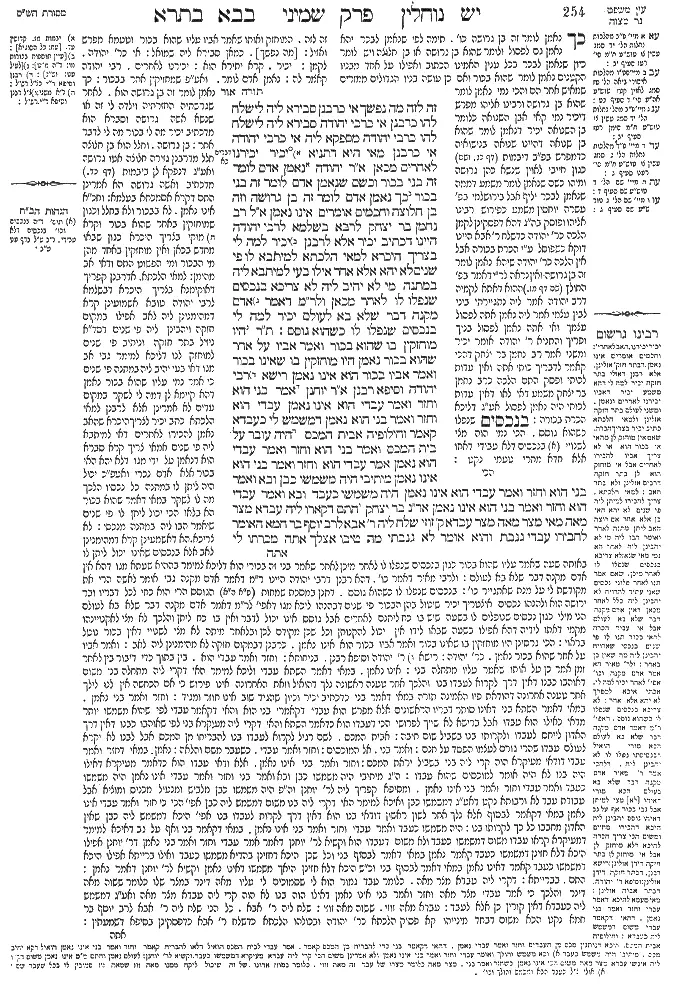
Bava Batra 127b - Guemara
זה לזה מה נפשך אי כרבנן סבירא ליה לישלח להו כרבנן אי כרבי יהודה סבירא ליה לישלח להו כרבי יהודה מספקא ליה אי כרבי יהודה אי כרבנן מאי היא דתניא (דברים כא, יז) יכיר יכירנו לאחרים מכאן א"ר יהודה נאמן אדם לומר זה בני בכור וכשם שנאמן אדם לומר זה בני בכור כך נאמן אדם לומר זה בן גרושה וזה בן חלוצה וחכמים אומרים אינו נאמן א"ל רב נחמן בר יצחק לרבא בשלמא לרבי יהודה היינו דכתיב יכיר אלא לרבנן יכיר למה לי בצריך היכרא למאי הלכתא למיתבא לו פי שנים לא יהא אלא אחר אילו בעי למיתבא ליה במתנה מי לא יהיב ליה לא צריכא בנכסים שנפלו לו לאחר מכאן ולר"מ דאמר אדם מקנה דבר שלא בא לעולם יכיר למה לי בנכסים שנפלו לו כשהוא גוסס:
ת"ר היו מוחזקין בו שהוא בכור ואמר אביו על אחר שהוא בכור נאמן היו מוחזקין בו שאינו בכור ואמר אביו בכור הוא אינו נאמן רישא רבי יהודה וסיפא רבנן א"ר יוחנן אמר בני הוא וחזר ואמר עבדי הוא אינו נאמן עבדי הוא וחזר ואמר בני הוא נאמן דמשמש לי כעבדא קאמר וחילופיה אבית המכס היה עובר על בית המכס ואמר בני הוא וחזר ואמר עבדי הוא נאמן אמר עבדי הוא וחזר ואמר בני הוא אינו נאמן מיתיבי היה משמשו כבן ובא ואמר בני הוא וחזר ואמר עבדי הוא אינו נאמן היה משמשו כעבד ובא ואמר עבדי הוא וחזר ואמר בני הוא אינו נאמן אר"נ בר יצחק התם דקארו ליה עבדא מצר מאה מאי מצר מאה מצר עבדא ק' זוזי שלח ליה ר' אבא לרב יוסף בר חמא האומר לחבירו עבדי גנבת והוא אומר לא גנבתי מה טיבו אצלך אתה מכרתו לי
Comments from Rashbam - Bava Batra 127b
זה לזה . המוחזק ואותו שאמר אביו עליו שהוא בכור וטעמא מפרש ואזיל: [מה נפשך] . כמאן סבירא ליה שמואל: אי כר' יהודה . לקמן: יכיר . קרא יתירא הוא: יכירנו לאחרים . רבי יהודה קאמר לה: נאמן אדם לומר . ואע"פ שמחזיקין אחר בבכור: כך נאמן לומר זה בן גרושה הוא . לאחר שגרשתיה החזרתיה וילדה לי זה או שנשא אשה גרושה וסברא הוא מדכתיב יכיר מה לי בכור מה לי לדבר אחר: בן גרושה . וחלל הוא בן חלוצה חלל מדרבנן גזירה חלוצה אטו גרושה ואע"ג דנפקא לן ביבמות (דף כד.) מדכתיב ואשה גרושה הא אמרינן התם דקרא אסמכתא בעלמא: וחכ"א אינו נאמן . לא בבכור ולא בחלל וכגון שמוחזקין באחר שהוא בכור וקרא מוקי בצריך היכרא כגון שבאו מחדש בכאן ואין מוחזקין באחד מהן מי הבכור ומי הפשוט התם ודאי אב מהימן: למאי הלכתא . אדרבנן קפריך דאוקימנא בצריך היכרא דבשלמא לרבי יהודה טובא אשמועינן קרא דמהימנינן ליה לאב אפילו במקום חזקה ויהבינן ליה פי שנים דסד"א ניזיל בתר חזקה וניתיב פי שנים למוחזק לנו דליכא למימר גבי אב מגו דאי בעי יהיב ליה במתנה פי שנים כי אמר נמי עליו שהוא בכור נאמן דהא קיימא לן דמה לי לשקר במקום עדים לא אמרינן אלא לרבנן למאי הלכתא כתב יכיר לצריך היכרא שהאב נאמן להכירו לאחרים דאי למיתבא ליה פי שנים אמאי צריך קרא סברא הוא דנאמן על ידי מגו דלא יהא האי בכור אלא אדם נכרי ואעפ"כ יכול היה ליתן לו במתנה כל נכסיו הלכך מה לו לשקר במאי דאמר שהוא בכור הא בלאו הכי יכול ליתן לו פי שנים שיאמר הבו ליה במתנה מנכסי: לא צריכא . הא דאשמעינן קרא דמהימנינן לאב אלא בנכסים שאינו יכול ליתן לו באותה שעה שאמר עליו שהוא בכור כגון בנכסים שנפלו לו לאחר מיכן לאחר שאמר בני זה בכורי הוא דליכא למימר בההיא שעתא מגו דהא אין אדם מקנה דבר שלא בא לעולם: ולרבי מאיר דאמר כו' . דהא רבנן דרבי יהודה היינו ר"מ דאמר אדם מקנה גבי אומר לאשה הרי את מקודשת לי על מנת שאתגייר כו': בנכסים שנפלו לו כשהוא גוסס . דתנן במסכת שמחות (פ"א ה"א) הגוסס הרי הוא כחי לכל דבריו ובר ירושה הוא ולהנהו נכסים איצטריך יכיר שיטול בהן הבכור פי שנים דבהנהו ליכא מגו דאפי' לר"מ דאמר אדם מקנה דבר שלא בא לעולם הני מילי כגון נכסים שנופלין לו בשעה שיש בו כח ליתנם לאחרים אבל גוסס אינו יכול לדבר ואין בו כח ליתן והלכך לא מצי לאקנויינהו מקמי דאתו לידיה דהא אפילו בשעה שבאו לידו אין יכול להקנותן וכל שכן מקודם לכן ובלאחר מיתה לא מצי לשנויי דאין בכור נוטל בראוי: ואמר אביו על אחר שהוא בכור נאמן . כר' יהודה: הכי גרסינן היו מוחזקין בו שאינו בכור ואמר אביו בכור הוא אינו נאמן. כרבנן דבמקום חזקה לא מהימנינן ליה לאב: רישא ר' יהודה וסיפא רבנן . בניחותא: וחזר ואמר עבדי הוא . בין בתוך כדי דיבור בין לאחר זמן אמר כן על אותו שאמר עליו מתחלה בני: אינו נאמן . במאי דאמר השתא עבדי וליכא למימר האי דקרי ליה מתחלה בני משום דאוהבו כבנו דאין דרך לקרוא לעבדו בנו והלכך אחר טענה ראשונה נלך דהואיל וזאת האחרונה אינו פירוש כי אם הכחשה אין לנו לילך אחר טענה אחרונה דהודאת פיו האמינה תורה במאי דאמר בני כדכתיב יכיר וכיון שהגיד שוב אינו חוזר ומגיד: וחזר ואמר בני נאמן . במאי דאמר השתא בני דאינו סותר דבריו הראשונים אלא מפרש הוא עבדי דקאמרי בני הוא והאי דקאמר עבדי לפי שהוא משמשו יותר מדאי כאילו הוא עבדו אבל ברישא לא שייך לפרושי הכי דעבדו הוא כדאמר השתא והאי דקרי ליה מעיקרא בני לפי שאוהבו כבנו דאין דרך האדון לייחס לעבדו ולקרותו בנו בשביל שום חיבה: אבית המכס . לשם רגיל לקרוא לעבדו בנו להבריחו מן המכס אבל לבנו לא יקרא לעולם עבדו שהרי גורם לעצמו הפסד על חנם: ואמר בני . אל המוכסים: וחזר ואמר עבדי . כשעבר משם והלאה: נאמן . במאי דחזר ואמר עבדי דודאי מעיקרא הוה קרי ליה בני בשביל יראת המכס: וחזר ואמר בני אינו נאמן . אלא ודאי עבדו הוא כדאמר מעיקרא דאילו היה בנו לא היה אומר למוכסים שהוא עבדו: ה"ג מיתיבי היה משמשו כבן ובא ואמר בני וחזר ואמר עבדי אינו נאמן היה משמשו כעבד ואמר עבדי וחזר ואמר בני אינו נאמן . ומסיפא קפריך ליה לר' יוחנן וה"פ היה משמשו כבן מלביש ומנעיל מכניס ומוציא אבל עבודת עבד לא ורבותא נקט דאע"ג דמשמשו כבן ואיכא למימר האי דקרי ליה בנו משום דמשמש ליה כבן אפי' הכי כי חזר ואמר עבדי אינו נאמן במאי דקאמר לבסוף אלא נלך אחר לשון ראשון דודאי בנו הוא דאין דרך לקרות לעבדו בנו אפי' היכא דמשמש ליה כבן שאין האדון מחבבו כל כך לקרותו בנו: היה משמשו כעבד ואמר עבדי וחזר ואמר בני אינו נאמן . במאי דקאמר בני ואף על גב דאיכא למימר דמעיקרא קראו עבדו משום דמשמשו כעבד ולא משום דעבדו הוא וקשיא לר' יוחנן דאמר אמר עבדי וחזר ואמר בני נאמן דר' יוחנן אפילו היכא דלא חזינן דמשמשו כעבד קאמר נאמן במאי דאמר לבסוף בני וכל שכן היכא דחזינן בהדיא משמשו כעבד ואילו ברייתא אפילו היכא דמשמשו כעבד קאמר דאינו נאמן במאי דאמר לבסוף בני וכ"ש היכא דלא חזינן היאך משמשו דאינו נאמן וקשיא לר' יוחנן דאמר נאמן: התם . בברייתא: דקרי ליה עבדא מצר מאה . כלומר עבד גמור הוא לי שסמוכים לי עליו מאה דינר במצר שלו כלומר ששוה מאה דינר והלכך כי אמר עבדי מצר מאה וחזר ואמר בני אינו נאמן דאילו הוה בנו לא הוה קרי ליה עבדא מצר מאה ואע"ג דמשמש ליה כעבדא דאין קורין כן אלא לעבד: עבדא מאה זוזי . ששוה מאה זוזי: שלח ליה ר' אבא . כל הני שלח ליה ר' אבא לרב יוסף בר חמא נקט הכא משום דבחד מינייהו קא פסיק הלכתא כר' יהודה ובכולהו הלכתא כדשלח ר' אבא כדפסקינן בסיפא דשמעתין:
Comments from Tosafot - Bava Batra 127b
כך נאמן לומר זה בן גרושה כו'. תימה לפי שנאמן לבכר יהא נאמן גם לפסול ולומר שהוא בן גרושה או בן חלוצה ויש לומר כיון שנאמן לבכר בכל ענין האמינו הכתוב ואפילו על אחד מבניו הקטנים נאמן לומר שהוא בכור ואם כן עושה בניו הגדולים ממזרים שמאיש אחר הם והכי נמי נאמן לומר שהוא בן גרושה ורבינו אליהו מפרש דיכיר נמי קאי אבן השנואה כלומר בן השנואה יכיר דנאמן לומר שהוא בן שנואה דהיינו שנואה בנישואיה כדמפרש בפ"ב דיבמות (דף כג. ושם) כגון חייבי לאוין שנשא כהן גרושה ומיהו כשם שנאמן לומר משמע דממה שנאמן לבכר יליף אבל בירושלמי בפ' עשרה יוחסין משמע כפירוש רבינו אליהו ופוסק בה"ג דהא דפסקינן לקמן הלכה כר' יהודה כדשלח ר' אבא היינו דוקא כשפוסל ע"י הכרת בכורה אבל אין הלכה כר' יהודה שיהא נאמן לומר זה בן גרושה ואין נראה לר"י דאמר בפ' החולץ (שם דף מז.) ההוא דאתא לקמיה דרב יהודה אמר ליה נתגיירתי ביני לבין עצמי אמר ליה נאמן אתה לפסול עצמך ואי אתה נאמן לפסול בניך ופריך והתניא ר' יהודה אומר יכיר ומשני אמר רב נחמן בר יצחק דהכי קאמר לדבריך כותי אתה ואין עדות לכותי ופסק התם הלכה כרב נחמן בר יצחק משמע דאי לאו דאין עדות לכותי היה נאמן לפסול אע"ג דליכא הכרת בכורה: בנכסים שנפלו כשהוא גוסס. הכי נמי הוה מצי לשנויי בנכסים דלא עבידי דאתו אלא חדא מתרי טעמי נקט:
Bava Batra 127b - Mishnah translated into english
each to the other.
The Gemara questions this ruling: Whichever way you look at it, Shmuel’s opinion is difficult. If he holds in accordance with the opinion of the Rabbis with regard to this issue, he should have sent them a response in accordance with the opinion of the Rabbis, and if he holds in accordance with the opinion of Rabbi Yehuda, he should have sent them a response in accordance with the opinion of Rabbi Yehuda. Shmuel’s response is not in accordance with either tannaitic opinion.
The Gemara answers: He is uncertain whether the halakha is in accordance with the opinion of Rabbi Yehuda or in accordance with the opinion of the Rabbis. Therefore he sent them a response that incorporates both opinions.
The Gemara explains: What is the dispute between Rabbi Yehuda and the Rabbis? As it is taught in a baraita: Expounding the verse: “He shall acknowledge the firstborn” (Deuteronomy 21:17), the Sages said: He shall acknowledge him to others. In other words, a father is deemed credible to tell others that this is his firstborn.
From here, Rabbi Yehuda says that a man is deemed credible to say: This is my firstborn son, even if he has sons presumed to be older. And just as a man is deemed credible to say: This is my firstborn son, so too, a man who is a priest is deemed credible to say about his son: This is a son of a divorced woman, or: This is a son of a yevama who has performed ḥalitza [ḥalutza], in which cases he is disqualified from the priesthood due to his flawed lineage [ḥalal]. And the Rabbis say: He is not deemed credible.
Rav Naḥman bar Yitzḥak said to Rava: Granted, according to Rabbi Yehuda, this is the reason that it is written: “He shall acknowledge;” he derives from these words that a father is deemed credible to attest to the identity of his sons. But according to the Rabbis, why do I need the term “he shall acknowledge”?
The Gemara answers: It is necessary for a case when he requires identification, i.e., when there is no presumption as to the identity of the firstborn. In such a situation the verse teaches that the father is deemed credible. The Rabbis disagree with Rabbi Yehuda’s opinion only in a case where another son is presumed to be the firstborn.
The Gemara asks: According to the Rabbis, with regard to what halakha is it necessary for the verse to teach that a father’s identification of his firstborn is deemed credible? If it is with regard to giving him a double portion, it is superfluous. Let the son be only like another person, i.e., one who is not an heir; if the father wants to give him a double portion of his estate as a gift, can he not give it to him? Since the father can give a double portion to the firstborn without having to testify that he is his firstborn, it cannot be that the verse is teaching us that he is deemed credible with regard to the halakha that a firstborn receives a double portion.
The Gemara answers: No, it is necessary with regard to property that came into the father’s possession afterward, after he testified that his son is his firstborn. He could not have given him this property as a gift, as at the time of his testimony, the property did not yet belong to him, and one cannot transfer ownership of an item that one does not own. Therefore, it is necessary for the verse to teach that the father’s testimony is deemed credible so that the son can receive a double portion of the father’s future property as well.
The Gemara asks: And according to Rabbi Meir, who says that a person can transfer an entity that has not yet come into the world, which would mean that one can give away his property even before it enters his possession, why do I need the term “he shall acknowledge”?
The Gemara answers: The term is necessary for a case where property came into the father’s possession when he was moribund, at which point he cannot transfer ownership of any of his property to others. It is with regard to such property that the verse states: “He shall acknowledge,” to teach that the son who the father states is the firstborn will receive a double portion even of that property.
The Sages taught in a baraita (Tosefta 7:3): If the court had a presumption concerning a son that he is a firstborn, and his father said concerning another son of his that he is his firstborn, the father’s statement is deemed credible. If the court had a presumption concerning a son that he is not a firstborn, and his father said that he is his firstborn, the father’s statement is not deemed credible.
The Gemara asserts that as the two halakhot of the baraita seem to contradict each other, it must be that the first clause represents the opinion of Rabbi Yehuda, and the latter clause represents the opinion of the Rabbis.
§ Rabbi Yoḥanan says that if one says about another: He is my son, and then says: He is my slave, his latter statement is not deemed credible. It cannot disqualify him from marrying a Jewish woman or exclude him from his inheritance. Conversely, if he first says: He is my slave, and then says: He is my son, his latter statement is deemed credible, as in his first statement he presumably was saying: He serves me as a slave does.
And the opposite halakha applies to one at the tax house: If one is passing the customs house and says about a certain person: He is my son, and then later says: He is my slave, his latter statement is deemed credible, as he presumably says that the other is his son only to evade paying a tax for possessing a slave. Conversely, if he says at the customs house: He is my slave, and then later says: He is my son, his latter statement is not deemed credible, as one would not unnecessarily render himself liable to pay a tax.
The Gemara raises an objection from a baraita: If one was serving another person like a son serves his father, and the person being served came and said: He is my son, and then said: He is my slave, his latter statement is not deemed credible. Additionally, if one was serving another person like a slave serves his master, and the one being served came and said: He is my slave, and then said: He is my son, his latter statement is not deemed credible. This contradicts Rabbi Yoḥanan’s statement that if he first says that he is his slave and then says that he is his son, his latter statement is deemed credible.
Rav Naḥman bar Yitzḥak said: There, in Rabbi Yoḥanan’s statement, it is a case where he is presumed to be a slave because everyone calls him: A slave on whose border [metzar] are one hundred. Since everyone is referring to him in this manner, the person he served cannot call into question his status as a slave by saying that he is his son. The Gemara asks: What does it mean that on his border [metzar] are one hundred? The Gemara answers: One hundred dinars are adjacent to [metzar] this slave. In other words, he is worth one hundred dinars.
§ Rabbi Abba sent several rulings from Eretz Yisrael to Rav Yosef bar Ḥama, including the following: In the case of one who says to another: You stole my slave, and he says in response: I did not steal him, and when the first inquires: If so, what is the nature of his presence in your possession, the latter responds: You sold him to me,
Traduction : The William Davidson digital edition of the Koren Noé Talmud, with commentary by Rabbi Adin Even-Israel Steinsaltz.