 Talmud Bavli
The learning on the whole site is dedicated : L'ilui Nishmat רינה בת לדיסיה
The learning on the whole site is dedicated : L'ilui Nishmat Jamila bat Chlomo Abensour
The learning on the whole site is dedicated : L'ilui Nishmat Chemouel Eliezer ben Batcheva
Bava Batra 93b : Youtube
Daf TubeYoutube
2 video classes :
Bava Batra Page 93b
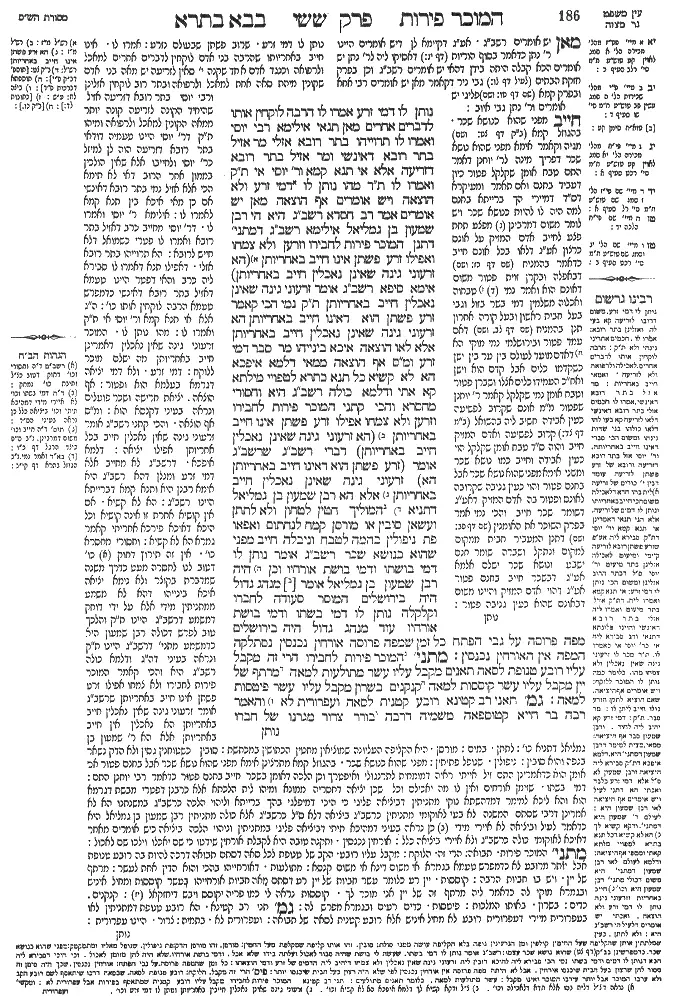
Bava Batra 93b - Guemara
נותן לו דמי זרע אמרו לו הרבה לוקחין אותו לדברים אחרים מאן תנאי אילימא רבי יוסי ואמרו לו תרוייהו בתר רובא אזלי מר אזיל בתר רובא דאינשי ומר אזיל בתר רובא דזריעה אלא אי תנא קמא ור' יוסי אי ת"ק ואמרו לו ת"ר מהו נותן לו דמי זרע ולא הוצאה ויש אומרים אף הוצאה מאן יש אומרים אמר רב חסדא רשב"ג היא הי רבן שמעון בן גמליאל אילימא רשב"ג דמתני' דתנן המוכר פירות לחבירו וזרען ולא צמחו ואפילו זרע פשתן אינו חייב באחריותן (הא זרעוני גינה שאינן נאכלין חייב באחריותן) אימא סיפא רשב"ג אומר זרעוני גינה שאינן נאכלין חייב באחריותן ת"ק נמי הכי קאמר זרע פשתן הוא דאינו חייב באחריותן הא זרעוני גינה שאינן נאכלין חייב באחריותן אלא לאו הוצאה איכא בינייהו מר סבר דמי זרע ומ"ס אף הוצאה ממאי דלמא איפכא הא לא קשיא כל תנא בתרא לטפויי מילתא קא אתי ודלמא כולה רשב"ג היא וחסורי מחסרא והכי קתני המוכר פירות לחבירו וזרען ולא צמחו אפילו זרע פשתן אינו חייב באחריותן (הא זרעוני גינה שאינן נאכלין חייב באחריותן) דברי רשב"ג שרשב"ג אומר (זרע פשתן הוא דאינו חייב באחריותן הא) זרעוני גינה שאינן נאכלין חייב באחריותן אלא הא רבן שמעון בן גמליאל דתניא המוליך חטין לטחון ולא לתתן ועשאן סובין או מורסן קמח לנחתום ואפאו פת ניפולין בהמה לטבח וניבלה חייב מפני שהוא כנושא שכר רשב"ג אומר נותן לו דמי בושתו ודמי בושת אורחיו וכן היה רבן שמעון בן גמליאל אומר מנהג גדול היה בירושלים המוסר סעודה לחברו וקלקלה נותן לו דמי בשתו ודמי בושת אורחיו עוד מנהג גדול היה בירושלים מפה פרוסה על גבי הפתח כל זמן שמפה פרוסה אורחין נכנסין נסתלקה המפה אין האורחין נכנסין:
מתני׳ המוכר פירות לחבירו הרי זה מקבל עליו רובע טנופת לסאה תאנים מקבל עליו עשר מתולעות למאה מרתף של יין מקבל עליו עשר קוססות למאה קנקנים בשרון מקבל עליו עשר פיטסות למאה:
גמ׳ תאני רב קטינא רובע קטנית לסאה ועפרורית לא והאמר רבה בר חייא קטוספאה משמיה דרבה בורר צרור מגרנו של חברו
Comments from Rashbam - Bava Batra 93b
נותן לו דמי זרע . שרוב פשתן שבעולם נזרע: אמרו לו . אינו חייב באחריותו שהרבה בני אדם לוקחין לדברים אחרים למאכל ולרפואה וכנגד אדם אחד שקנה י' סאין לזריעה יש מאה בני אדם שקונין מיהת סאה אחת למאכל ולרפואה ובתר רוב לוקחין אזלינן ורבי יוסי בתר רובא דזריעה אזיל שהיחיד הקונה לזריעה קונה יותר ממאה הקונין למאכל ולרפואה ומיהו ת"ק דר' יוסי היינו טעמיה דודאי בתר רובא דזריעה הוה לן למיזל כר' יוסי ולחייבו אלא שאין הולכין בממון אחר הרוב דאי לא תימא הכי אלא אזיל נמי בתר רובא דאינשי אם כן מאי איכא בין תנא קמא לאמרו לו: אילימא ר' יוסי ואמרו לו . דר' יוסי מחייב כרב דאזיל בתר רובא ואמרו לו פטרי כשמואל דלא חייש לרובא: הא תרוייהו בתר רובא אזלי . דאפילו תנא דאמרו לו סבירא ליה כרב והאי דפטר היינו טעמא דאזיל בתר רובא דאינשי כדמפרש טעמא הרבה לוקחין אותו כו': ה"ג אלא אי תנא קמא ור' יוסי אי ת"ק ואמרו לו: מהו נותן לו . המוכר זרעוני גינה שאין נאכלין דאמרינן חייב באחריותן מה ישלם מוכר ללוקח: דמי זרע . ולא דמי יציאה דגרמא בעלמא הוא ופטור: אף הוצאה . יציאת חרישה ושכר פועלים ונראה בעיני דקנסא הוא: ומ"ס אף הוצאה . והכי קתני רשב"ג אומר זרעוני גינה שאין נאכלין חייב בכל אחריותן אפילו יציאה: דלמא איפכא . דרשב"ג לא מחייב אלא דמי זרע ומנלן דהא רשב"ג היא אימא רבנן היא ותנא קמא דברייתא היינו רשב"ג: הא לא קשיא . אם אין קושיא אחרת זו אינה קושיא וכל היכא דאיכא פירכא אחריתי קאמר גמרא הא לא קשיא: וחסורי מחסרא כו' . אין זה תירוץ דחוק כו' דטוב לנו לחסרה מעט כדרך משנה שמדברת בקוצר ולא נימא יציאה איכא בינייהו דהא לא משמע ממתניתין מידי אלא על ידי דוחק דמשמע דרשב"ג היינו ת"ק והלכך טוב לפרש דכולה רבן שמעון היא כדמשמע מתני' דרשב"ג היינו ת"ק ונראה בעיני דה"ג ודלמא כולה רשב"ג היא והכי קאמר המוכר פירות לחבירו ולא צמחו אפילו זרע פשתן אינו חייב באחריותן שרשב"ג אומר זרעוני גינה שאין נאכלין חייב באחריותן הא נאכלין אין חייב באחריותן אלא הא ר' שמעון בן גמליאל דתניא כו': לתתן . במים: מורסן . היא הקליפה העליונה שמוציאין מחטין הכתושין במכתשת: סובין . כשטוחנין גסין ולא הדק נשאר בנפה והוא סובין: ניפולין . שנופל פתיתין: מפני שהוא כנושא שכר . בהגוזל קמא מתרצינן אימא מפני שהוא נושא שכר אבל בחנם פטור אם אומן הוא כדאמרינן התם זיל אייתי ראיה דמומחית לתרנגולי ואיפטרך וכן הלכה דאומן בשכר חייב בחנם פטור כדאמר רבי יוחנן התם: דמי בשתו . שזימן אורחים ואין לו מה יאכילם וכל שכן יציאה דחסריה ממונא ומיהו לית הלכתא אלא כרבנן דפטרי מבשת דגרמא הוא והא ליכא למימר דמדהשתא נוקי מתניתין דביציאה פליגי כי היכי דמיפלגי בהך ברייתא וליהוי הלכה כרשב"ג במשנתנו הא לא אמרינן דרבי שסתם המשנה לא בעי לאוקומי מתניתין כרשב"ג ביציאה דלא ס"ל כרשב"ג אלא כולה מתניתין רבן שמעון בן גמליאל היא כדאמר לעיל וביציאה לא איירי מידי כן נראה בעיני דמהיכא תיתי דביציאה פליגי במתניתין וניהוי הלכה ביציאה כיש אומרים מאחר דאיכא לאוקומי כולה כרשב"ג ולא איירי ביציאה כלל: אורחין נכנסין . ותקנה טובה היא לקבלת אורחין שידעו כי שם יאכלו וילכו שם לאכול: מתני' המוכר פירות . תבואה: הרי זה . הלוקח: מקבל עליו רובע . הקב של טנופת לכל סאה דסתם תבואה דרכה להיות בה רובע טנופת אבל יותר מרובע לא כדמפרש טעמא בגמרא אי משום דינא אי משום קנסא: מתולעות . דאורחייהו בהכי והוא הדין אחת לעשר: מרתף של יין . ויש בו חביות הרבה: קוססות . יין רע כלומר עשר חביות של יין רע דסתם מאה חביות אורחייהו בעשר קוססות ומחיל איניש ובגמרא מוקי לה כדאמר ליה מרתף זה של יין אני מוכר לך. קוססות נראה לי כמו פריה יקוסס ויבש דיחזקאל (יז): קנקנים . כדים: בשרון . באותו המלכות: פיטסות . כדים רעים ובגמרא מפרש לה: גמ' תני רב קטינא . הא רובע טנופת דמתניתין לאו בעפרורית מיירי דעפרורית רובע לא מחיל איניש אלא רובע קטנית לסאה של תבואה: ועפרורית לא . בתמיה: צרור . היינו עפרורית:
Comments from Tosafot - Bava Batra 93b
מאן יש אומרים רשב"ג. אע"ג דקיימא לן דיש אומרים היינו ר' נתן כדאמר בסוף הוריות (דף יג:) דאסיקו ליה לר' נתן יש אומרים הכא קבלה היתה בידן דהאי יש אומרים רשב"ג וכן בפרק חזקת הבתים (לעיל בבא בתרא דף לו:) גבי ניר דקאמר מאן יש אומרים רבי אחא ובפרק קמא (שם דף טו: ושם) פליגי יש אומרים ור' נתן גבי איוב: חייב מפני שהוא כנושא שכר. בהגוזל קמא (ב"ק דף צט: ושם) מגיה וקאמר אימא מפני שהוא נושא שכר דפריך מינה לר' יוחנן דאמר התם טבח אומן שקלקל פטור כיון דעביד בחנם ואם תאמר ומעיקרא דס"ד דמיירי הך ברייתא בחנם למה היה לו להיות כנושא שכר ויש לומר משום דמרבינן מפצע תחת פצע לחייב אדם המזיק על אונס כרצון אע"ג דלאו בכל אונס חייב כדאמר בהמניח (שם דף כז: ושם) דבאפלה ובקרן זוית פטור משום דאונס הוא ואמר נמי טבחוה ואכלוה משלמין דמי בשר בזול וגבי בעל חבית ראשון ובעל קורה אחרון תנן בהמניח (שם דף לב. ושם) דאם עמד פטור ובירושלמי נמי מוקי הא דאדם מועד לעולם בין ער בין ישן כשקדמו כלים אבל קדם הוא וישן ואח"כ העמידו כלים אצלו ושברן פטור וטבח אומן נמי שקלקל קאמר ר' יוחנן שפטור מ"מ אונס שקרוב לפשיעה כעין אבידה חשיב ליה בהשואל (ב"מ דף צד:) קרוב לפשיעה ואדם המזיק חייב והוה ס"ד טבח אומן שקלקל הוי כעין אבידה וחייב כמו נושא שכר ומשני אימא מפני שהוא נושא שכר אבל בחנם פטור והוי כעין גניבה שקרובה לאונס ופטור בה אדם המזיק דאע"ג דשומר שכר חייב והכי נמי אמר בפרק השוכר את האומנין (שם דף פב: ושם) דתנן המעביר חבית ממקום למקום ונתקל ושברה שומר חנם ישבע ונושא שכר ישלם אלמא אע"ג דבשכר חייב בחנם פטור אע"ג דהוי אדם המזיק והיינו משום דבאונס שהוא כעין גניבה פטור:
Bava Batra 93b - Mishnah translated into english
The seller gives back to the buyer the value of the seeds. Since the majority of flaxseeds are sold are for planting, it is a mistaken transaction. They said to him, i.e., to Rabbi Yosei: Many, i.e., a majority of people, purchase flaxseeds for purposes other than planting. Consequently, the sale stands.
The Gemara asks: Who are the tanna’im in this baraita who have a dispute that parallels the dispute between Rav and Shmuel? If we say that they are Rabbi Yosei and the opinion cited as: They said to him, that is incorrect, as both of them hold that one follows the majority in monetary matters. Their dispute concerns only which majority to follow: One Sage, i.e., the opinion cited as: They said to him, follows the majority of people making purchases, and one Sage, i.e., Rabbi Yosei, follows the majority of the volume of seeds that are sold overall. The disparity arises because the majority of sales are each made with a relatively small quantity of seeds that are purchased for purposes other than planting. The minority of sales involve large quantities of seeds that are purchased for planting. This means that the majority of the seeds sold overall are purchased for planting, but the majority of people purchasing seeds do so for purposes other than planting.
Rather, the dispute that parallels the dispute between Rav and Shmuel is either the dispute between the first tanna and Rabbi Yosei, or the dispute between the first tanna and the opinion cited as: They said to him.
§ The Sages taught in a baraita: When the seller bears financial responsibility for selling seeds that did not sprout, what is he liable to give to the buyer? He is liable to give him only the value of the seeds themselves, but not the expenses that the buyer incurred in planting them, e.g., the hire of laborers. And some say: He is liable to give him even the expenses that the buyer incurred.
The Gemara asks: Who is the tanna whose opinion is cited as: Some say? Rav Ḥisda said that it is Rabban Shimon ben Gamliel.
The Gemara clarifies: From which statement of Rabban Shimon ben Gamliel is it apparent that he holds the seller is liable for the buyer’s expenses? One possibility is if we say that the statement in question is that of Rabban Shimon ben Gamliel in the mishna, as we learned in the mishna: One who sells to another produce that is sometimes purchased for consumption and sometimes for planting, and the buyer planted it and it did not sprout, and even if he had sold flaxseeds, which are only occasionally eaten, the seller does not bear financial responsibility for them. The Gemara extrapolates: By inference, if this tanna holds that he had sold seeds for garden plants, which are not eaten at all, then the seller bears financial responsibility to compensate the buyer for them.
The Gemara continues: But accordingly, say the latter clause: Rabban Shimon ben Gamliel says: If he had sold seeds for garden plants, which are not eaten at all, then the seller bears financial responsibility for them. The Gemara asks: But according to the inference made from the first clause, the first tanna is also saying this, as he holds that it is only for the sale of flaxseeds that the seller does not bear financial responsibility to compensate the buyer for them, but with regard to the sale of seeds for garden plants, which are not eaten at all, the seller bears financial responsibility for them. What, then, is the dispute between the first tanna and Rabban Shimon ben Gamliel?
The Gemara therefore suggests: Rather, is it not that the difference between them is whether the seller is liable for the buyer’s expenses? One Sage, i.e., the first tanna, holds that the seller is liable only for the value of the seeds, and the other Sage, i.e., Rabban Shimon ben Gamliel, holds that the seller is liable even for the buyer’s expenses.
The Gemara asks: From where is it apparent that it is Rabban Shimon ben Gamliel who holds that the seller is liable for the expenses? Perhaps it is the opposite, i.e., it is the first tanna who holds that the seller is liable for the expenses, and Rabban Shimon ben Gamliel holds that he is liable only for the value of the seeds. The Gemara rejects this suggestion: This is not difficult, because the last tanna cited always comes to add something to the ruling of the first tanna, not to detract from it.
The Gemara suggests: But perhaps all of the mishna is stating the opinion of Rabban Shimon ben Gamliel, and the mishna is incomplete, and this is what it is teaching: With regard to one who sells produce to another that is sometimes purchased for eating and sometimes for planting, and the buyer planted it and it did not sprout, and even if he had sold flaxseeds, which are only occasionally eaten, the seller does not bear financial responsibility for them. But if he sold seeds for garden plants, which are not eaten at all, the seller bears financial responsibility for them. This is the statement of Rabban Shimon ben Gamliel, as Rabban Shimon ben Gamliel says that it is only for the sale of flaxseeds that the seller does not bear financial responsibility to compensate the buyer for them, but by inference, for the sale of seeds for garden plants, which are not eaten at all, the seller bears financial responsibility for them. Interpreted in this way, there is no evidence from the mishna that Rabban Shimon ben Gamliel holds that the seller is liable for the expenses.
Rather, the statement in question is this statement of Rabban Shimon ben Gamliel, as it is taught in a baraita (Tosefta, Bava Kamma 10:9) In a case of one who brought wheat to a miller to grind, and the miller did not wet the grains sufficiently for the grinding to be performed effectively, and as a result he converted the grain into bran or coarse bran [mursan], or in a case of one who gave flour to the baker and the baker made it into bread that is underbaked and tends to crumble, or if one gave an animal to a butcher and the butcher killed it in a way that rendered it an unslaughtered animal carcass, in all these cases the worker is liable, because he is like a paid bailee.
The baraita continues: Rabban Shimon ben Gamliel says: If the owner had invited guests to eat the food and due to the worker’s actions he was unable to serve them, then the worker must give him compensation for his humiliation and compensation for the humiliation of his guests. And similarly, Rabban Shimon ben Gamliel would say: There was a great custom in Jerusalem that if one gives raw materials for a meal to another to prepare the meal for him, and that person spoils it, that person gives the former compensation for his humiliation and compensation for the humiliation of his guests.
The baraita continues: Another great custom that was followed in Jerusalem was that when one made a feast, there would be a cloth [mappa] spread over the entrance to the hall. As long as the cloth was spread, the guests would enter, as the presence of the cloth indicated that there was food for more guests. When the cloth was removed, the guests would not enter any more.
MISHNA: When selling a significant quantity of produce or a number of items, there is a possibility that there will be a certain proportion of impurities in it or that some of the product will be of substandard quality. The mishna delineates what proportion is considered acceptable, for which a buyer may not demand compensation. With regard to one who sells produce, i.e., grain, to another, this buyer accepts upon himself that up to a quarter-kav of impurities may be present in each se’a of produce purchased. When purchasing figs, he accepts upon himself that up to ten infested figs may be present in each hundred figs purchased. When purchasing a cellar containing barrels of wine, he accepts upon himself that up to ten barrels of souring wine may be present in each hundred barrels purchased. When purchasing jugs of wine in the Sharon region, he accepts upon himself that up to ten inferior-quality jugs [pitasot] of wine may be present in each hundred jugs purchased.
GEMARA: Rav Ketina taught: When the mishna states that a buyer accepts upon himself that a quarter-kav of impurities per se’a may be present, that means only that he accepts upon himself the presence of a quarter-kav of legumes, but he does not accept upon himself the presence of a quarter-kav of dirt. The Gemara asks: And is it so that the buyer does not also accept upon himself that some quantity of dirt might be present in the produce? But doesn’t Rabba bar Ḥiyya Ketosfa’a say in the name of Rabba: One who picks out a pebble from the wheat on another’s threshing floor
Traduction : The William Davidson digital edition of the Koren Noé Talmud, with commentary by Rabbi Adin Even-Israel Steinsaltz.