 Talmud Bavli
Bava Batra 88b : Youtube
Daf TubeYoutube
2 video classes :
Bava Batra Page 88b
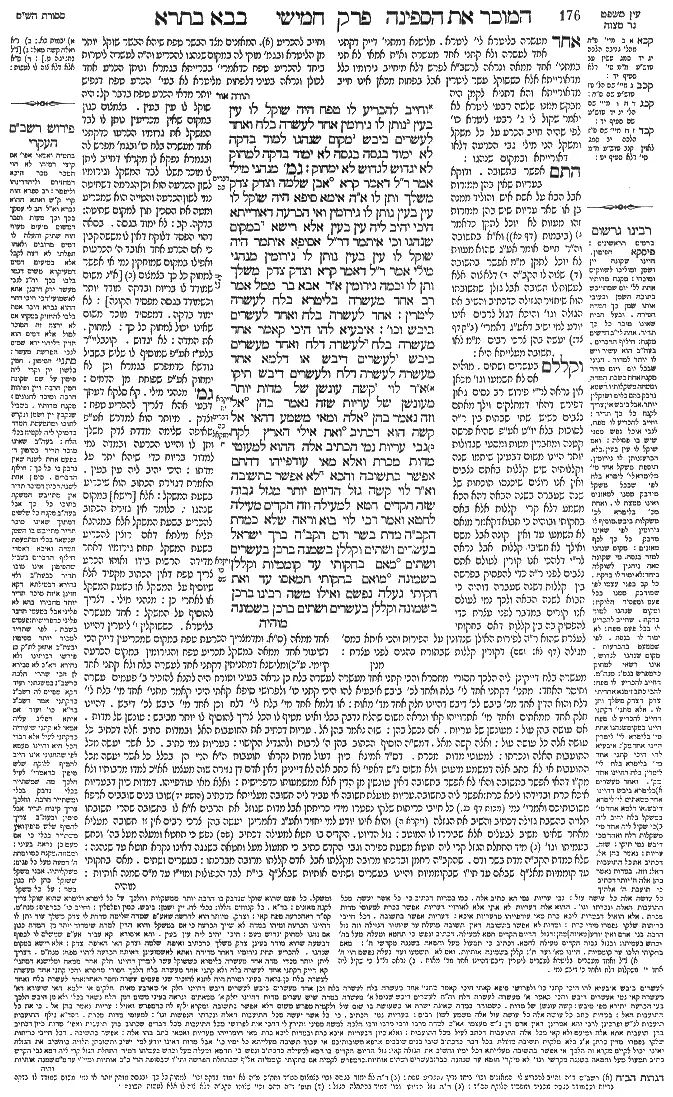
Bava Batra 88b - Guemara
וחייב להכריע לו טפח היה שוקל לו עין בעין נותן לו גירומין אחד לעשרה בלח ואחד לעשרים ביבש מקום שנהגו למוד בדקה לא ימוד בגסה בגסה לא ימוד בדקה למחוק לא יגדוש לגדוש לא ימחוק:
גמ׳ מנהני מילי אמר ר"ל דאמר קרא (דברים כה, טו) אבן שלמה וצדק צדק משלך ותן לו א"ה אימא סיפא היה שוקל לו עין בעין נותן לו גירומין ואי הכרעה דאורייתא היכי יהיב ליה עין בעין אלא רישא במקום שנהגו וכי איתמר דר"ל אסיפא איתמר היה שוקל לו עין בעין נותן לו גירומין מנהני מילי אמר ר"ל דאמר קרא וצדק צדק משלך ותן לו וכמה גירומין א"ר אבא בר ממל אמר רב אחד מעשרה בליטרא בלח לעשרה ליטרין:
אחד לעשרה בלח ואחד לעשרים ביבש וכו':
איבעיא להו היכי קאמר אחד מעשרה בלח לעשרה דלח ואחד מעשרים ביבש לעשרים דיבש או דלמא אחד מעשרה לעשרה דלח ולעשרים דיבש תיקו א"ר לוי קשה עונשן של מדות יותר מעונשן של עריות שזה נאמר בהן (ויקרא יח, כד) אל וזה נאמר בהן (דברים כה, טז) אלה ומאי משמע דהאי אל קשה הוא דכתיב (יחזקאל יז, יג) ואת אילי הארץ לקח גבי עריות נמי הכתיב אלה ההוא למעוטי מדות מכרת ואלא מאי עודפייהו דהתם אפשר בתשובה והכא לא אפשר בתשובה וא"ר לוי קשה גזל הדיוט יותר מגזל גבוה שזה הקדים חטא למעילה וזה הקדים מעילה לחטא ואמר רבי לוי בוא וראה שלא כמדת הקב"ה מדת בשר ודם הקב"ה ברך ישראל בעשרים ושתים וקללן בשמנה ברכן בעשרים ושתים (ויקרא כו, ג) מאם בחקותי עד קוממיות וקללן בשמונה (ויקרא כו, טו) מואם בחקותי תמאסו עד ואת חקותי געלה נפשם ואילו משה רבינו ברכן בשמונה וקללן בעשרים ושתים ברכן בשמונה
Comments from Rashbam - Bava Batra 88b
וחייב להכריע . המאזנים מצד הבשר טפח שיהא הבשר שוקל יותר מן הליטרא ובגמ' מוקי לה במקום שנהגו להכריע וה"ה לעשרה ליטרות ביחד להכריע טפח כדאמרי' בברייתא בגמרא ונותן הכרע אחד לכולן ונראה בעיני דלפחות מליטרא לא בעי' הכרע טפח דנפיש יותר מדאי הכרע טפח בדבר קל: היה שוקל לו עין בעין . בצמצום כגון במקום שאין מכריעין נותן לו לבד המשקל את גרומיו הכרעו כדקתני אחד מעשרה בלח כו' ובגמ' מפרש לה ובגמרא נפקא לן מקראי דחייב ליתן לו מוכר משלו לבד המשקל וגירומיו לשון הכרעה הוא וכן הגרמה דשחיטה נמי לשון הכרעה והטייה הוא שמכריע ומטה את הסכין חוץ למקום שחיטה: בדקה . קב: לא ימוד בגסה . בסאה דהוי הפסד דלוקח דאין לו מששה קבין כי אם הכרע אחד ואובד ה' הכרעות ואפילו במקום שמוחקין נמי אי אפשר למחוק כל כך בצמצום [א"נ משום שמודד לו בריוח ובדקה מודד יותר וכשמודד בגסה מפסיד הקונה]: לא ימוד בדקה . דמפסיד מוכר משום שאינו יכול למחוק כל כך: למחוק . את המדה: לא יגדוש . קונבליי"ר בלע"ז אע"פ שמוסיף לו שליש בשביל גודשא כדמפרש בגמרא וכן לא ימחוק אע"פ שפוחת מן הדמים: גמ' מנהני מילי . קא סלקא דעתך דבעי אהא דצריך להכריע טפח: וצדק . מיותר הוא למדרש אע"פ שאיפה שלימה מדדת צדק משלך ותן לו והיינו הכרעה ובמדה נמי למדוד בריוח כדי שיהא יתר על מדתו: היכי יהיב ליה עין בעין . האמרת דגזירת הכתוב הוא שיכריע בשעת המשקל: אלא [רישא] במקום שנהגו . כלומר אין גזירת הכתוב להכריע בשעת המשקל אלא במנהגא תליא מילתא דאם רוצין להכריע בשעת המשקל תחת גירומיו דאחר מדידה הרשות בידו ואותו הכרע צריך טפח דאין הכתוב מקפיד אלא שיוסיף על המשקל או בשעת המשקל או לאחרי כן: מנהני מילי . דצריך להוסיף על המשקל: אחד מעשרה בליטרא . כששוקלין י' ליטרין דהיינו אחד ממאה (ס"א. ומדמצריך הכרעת טפח במקום שמכריעין דייק הכי דשיעור אחד ממאה במשקל מכריע טפח והגירומין במקום הכרעה קיימי. ע"כ) ומלישנא דמתניתין דקתני אחד לעשרה בלח ולא קתני אחד מעשרה בלח דייקינן ליה הלכך חסורי מחסרא והכי קתני אחד מעשרה לעשרה בלח כן נראה בעיני וטורח היה לתנא להזכיר ב' פעמים עשרה וחיסר האחד: מתני' דקתני אחד לי' בלח ואחד לכ' ביבש איבעיא להו היכי קתני כו' ולפרושי סיפא קאתי היכי קאמר מתני' אחד מי' בלח לי' דלח והוא הדין אחד מכ' ביבש לכ' דיבש דהיינו חלק אחד מד' מאות: או דלמא אחד מי' בלח לי' דלח וכן אחד מי' ביבש לכ' דיבש . דהיינו חלק אחד ממאתים ואחד מי' אתרוייהו קאי ונראה משום שהלח נדבק בכלי ואינו מטיף לו הכל צריך להוסיף לו יותר מביבש: עונשן של מדות . אם עושה בהן עול: מעונשן של עריות . אם נכשל בהן: שזה נאמר בהן אל . עריות דכתיב את התועבות האל ובמדות כתיב אלה דכתיב כל עושה אלה כל עושה עול: ואלה קשה מאל . דמש"ה הוסיף הכתוב בהן ה' לרבות ולהגדיל הקישוי: בעריות נמי כתיב . כל אשר יעשה מכל התועבות האלה ונכרתו: למעוטי מדות מכרת . דס"ד אמינא כיון דעול מדות נקראו תועבות ה"א הרי הן בכלל כל אשר יעשה מכל התועבות אי לא כתב אלה דמשמע מיעוט ולא משום ג"ש דאפי' לא כתב אלה לא דיינינן דאין אדם דן גזירה שוה מעצמו אא"כ למדו מרבותיו ולא מק"ו דהאי אפשר בתשובה והאי לא אפשר בתשובה דאין עונשין מן הדין אלא ממשמעותו כדפרישית: ואלא מאי עודפייהו . דמדות כיון דבעריות איכא כרת ובדידהו ליכא כרת: אפשר ליה בתשובה . עריות מועלת תשובה אי עביד ליה תשובה מעלייתא כדכתיב (הושע יד) שובו בנים שובבים ארפא משובותיכם ואמרי' נמי (מכות דף כג.) כל חייבי כריתות שלקו נפטרו מידי כריתתן אבל מדות שגוזל את הרבים א"א לו בתשובה שהרי תשובתו תלויה בהשבת גזילה דכתיב והשיב את הגזלה (ויקרא ה) והוא אינו יודע למי יחזיר ואע"ג דאמרינן יעשה בהן צרכי רבים אין זו תשובה מעליא מאחר שאינו משיב לבעלים אלא שביררו לו המוטב: גזל הדיוט . הקדים בו חטא למעילה דכתיב (שם) נפש כי תחטא ומעלה מעל בה' וכחש בעמיתו וגו' מיד התחלת הגזל קרי ליה חוטא משעת כפירה וגבי הקדש כתיב כי תמעול מעל וחטאה בשגגה דאינו נקרא חוטא עד שנהנה: שלא כמדת הקב"ה מדת בשר ודם . שהקב"ה רחמן וברכתו מרובה מקללתו אבל אדם קללתו מרובה מברכתו: בעשרים ושתים . מאם בחקותי עד קוממיות מאל"ף שבאם עד תי"ו שבקוממיות והיינו בעשרים ושתים אותיות שבאל"ף בי"ת לבד הכפולות ומוי"ו עד מ"ם שמנה אותיות:
Comments from Tosafot - Bava Batra 88b
אחד מעשרה בליטרא לי' ליטרא. מלישנא דמתני' דייק דקתני אחד לעשרה ולא קתני אחד מעשרה וא"ת אמאי לא תני במתני' אחד ממאה ונראה לרשב"א לפרש דלא מיחייב גירומיו כלל מדאורייתא אלא כששוקל עשר ליטרין אבל בפחות מכאן אינו חייב מדאורייתא והא דתניא לקמן היה מבקש ממנו שלשה רבעי ליטרא לא יאמר שקול לי ג' רבעי ליטרא כו' לפי שהיה חייב הכרע על כל משקל ומשקל הני מילי גבי הכרעה דלאו דאורייתא ובמקום שנהגו: התם אפשר בתשובה. ודוקא בעריות שאין בהן ממזרות אבל הבא על אשת איש והוליד ממנה בן או שאר עריות שיש בהן ממזרות זהו מעוות לא יוכל לתקן כדאמר (ביבמות (דף כא)) וא"א בתשובה וה"ר חיים אומר אע"ג שהוא מעוות לא יוכל לתקן מ"מ אפשר בתשובה שצוה לו הקב"ה דלא צוה אלא לעשות לו תשובה אבל גזלן שתשובתו הוא שיחזיר הגזילה כדכתיב והשיב את הגזלה וגו' והיכא דגזל לרבים אינו יודע למי ישיב דאע"ג דאמרי' (ב"ק דף צד:) יעשה בהן צרכי רבים מ"מ לאו תשובה מעלייתא היא: וקללם בעשרים ושתים. מוהיה אם לא תשמעו וגו' מכאן אין נראה לר"י פירוש רב נסים גאון דפירש דהאי דמחלקים וילך מאתם נצבים כשיש שתי שבתות בין ר"ה לסוכות בלא יו"ט אע"פ שהיא פרשה קטנה ומחברין מטות ומסעי שגדולות יותר היינו משום דבעינן שיתמו שנה וקללותיה שיש קללות באתם נצבים ואין אנו רוצים שיכנסו תוכחות של שנה שעברה בשנה הבאה דהא הכא משמע דלא קרי קללות אלא באם בחקותי ובוהיה כי תבוא דקאמר מואם לא תשמעו עד ואין קונה אבל משם ואילך לא חשיבי קללות אבל נראה לר"י דלהכי אנו קורין לעולם אתם נצבים לפני ר"ה כדי להפסיק בפרשה בין קללות דשנה שעברה דוהיה כי תבוא לשנה הבאה ולכך נמי לעולם אנו קורים במדבר לפני עצרת כדי להפסיק בה בין קללות דאם בחקותי לעצרת שהוא ר"ה לפירות האילן שנדונין על הפירות והכי איתא במס' מגילה (דף לא: ושם) דקורין קללות שבתורת כהנים לפני עצרת:
Bava Batra 88b - Mishnah translated into english
And before adding the weights and merchandise the seller is obligated to let the pans of the scale that will hold the merchandise tilt an extra handbreadth for the buyer by adding a weight to that side. If the seller weighed for him exactly, i.e., with the scales equally balanced initially, instead of allowing the scales to tilt an extra handbreadth, he must give the buyer additional amounts [geirumin], an additional one-tenth in the case of liquids sold by weight, and an additional one-twentieth in the case of dry goods.
The mishna continues to discuss the correct method of weighing: In a place where they were accustomed to measure merchandise in several stages with a small measuring vessel, one may not measure all the items at once with a single large measuring vessel. In a place where they measure with one large measuring vessel, one may not measure with several small measuring vessels. In a place where the custom is to level the top of the measuring vessel to remove substances heaped above its edges, one may not heap it, and where the custom is to heap it, one may not level it.
GEMARA: The Gemara asks: From where are these matters, that the seller must initially let the scales tilt an extra handbreadth, derived? Reish Lakish said: The source is that the verse states that one should have: “A perfect and just [tzedek] weight” (Deuteronomy 25:15), which is interpreted as an instruction to the seller: Be righteous [tzaddek] with that which is yours and give it to the buyer. The Gemara asks: If that is so, say the latter clause: If the seller weighed for him exactly, he gives the buyer additional amounts. But if letting the scales tilt is obligatory by Torah law, how can he originally give him by weighing exactly?
Rather, it is not obligatory to let the scales tilt, and the first clause is referring to a place where they are accustomed to let the scales tilt an extra handbreadth. And if the statement of Reish Lakish was stated, it was stated with regard to the latter clause: If the seller weighed for him exactly, he gives the buyer additional amounts. From where is this matter derived? Reish Lakish said that this is as the verse states: “And just [tzedek],” which indicates: Be righteous [tzaddek] with that which is yours and give it to the buyer. The Gemara asks: And how much are the additional amounts that are given? Rabbi Abba bar Memel says that Rav says: In the case of liquids, one-tenth of a litra for every ten litra, i.e., one-hundredth.
The mishna teaches that the seller adds one-tenth in the case of liquids, and one-twentieth for dry goods. A dilemma was raised before the Sages: With regard to what case is the tanna of the mishna speaking? Does he mean one-tenth in the case of liquids for every ten units of liquid, and similarly one-twentieth in the case of dry goods for every twenty units of dry goods, i.e., one four-hundredth? Or perhaps, he means one-tenth for every ten units of liquid, and similarly one-tenth for every twenty units of dry goods, i.e., one two-hundredth? The Gemara states that the dilemma shall stand unresolved.
§ Rabbi Levi says: The punishment for using false measures is more severe than the punishment for transgressing the prohibition of forbidden sexual relations. As in that case, forbidden relations, it is stated with regard to them a shortened term for the word “these”: “El,” in the verse: “For all these [el ] abominations” (Leviticus 18:27). And in this case, false measures, it is stated an expanded term for the word “these”: “Elleh,” in the verse: “For all that do these [elleh] things, even all that do unrighteously, are an abomination unto the Lord your God” (Deuteronomy 25:16). And from where may it be inferred that this expression “el” indicates that the prohibition is severe, based on which it is understood that the form this word takes indicates a level of severity? As it is written: “And the mighty [eilei] of the land he took away” (Ezekiel 17:13).
The Gemara asks: But with regard to forbidden relations isn’t it also written: “For whosoever shall do any of these [elleh] abominations” (Leviticus 18:29)? If so, why is the punishment for using false measures considered harsher? The Gemara answers: That expression of “elleh” (Leviticus 18:29) in the context of forbidden relations does not serve to emphasize its severity. Rather, it serves to exclude one who uses deception in measures from the penalty of excision from the World-to-Come [karet].
The Gemara asks: But if the punishment is in fact less severe, what is the advantage, i.e., the greater severity, in the case of false measures? The Gemara answers that there, in the case of one who engages in forbidden relations, he has the possibility of repentance. But here, in the case of one who uses false measures, there is no possibility of repentance because he has no way of knowing whom he cheated, and is therefore unable to return the stolen money.
And Rabbi Levi says: Robbing an ordinary person is more severe than robbing the Most High, i.e., taking consecrated property. As with regard to this regular robber, the verse states “sin” before “me’ila”: “If any one sin, and commit a trespass [me’ila] against the Lord, and deal falsely with his neighbor in a matter of deposit, or of pledge, or of robbery, or have oppressed his neighbor” (Leviticus 5:21). And with regard to that one who misuses consecrated items, the verse states me’ila before sin: “If any one engages in misuse [timol ma’al] and sins unwittingly” (Leviticus 5:15).
And Rabbi Levi says: Come and see that the attribute of flesh and blood is unlike the attribute of the Holy One, Blessed be He. The Holy One, Blessed be He, blessed the Jewish people with twenty-two, and cursed them with only eight. Rabbi Levi explains: He blessed them with the twenty-two letters of the Hebrew alphabet, from the first letter, alef, that begins the verse: “If [im] you walk in My statutes” (Leviticus 26:3), until “upright [komemiyyut]” (Leviticus 26:13), which ends with the letter tav, the last letter of the Hebrew alphabet.
And He cursed them with eight letters, from the letter vav that begins the verse: “And if [ve’im] you shall reject My statutes” (Leviticus 26:15), until: “And My statutes were abhorred by their soul [nafsham]” (Leviticus 26:43), which ends with the letter mem. There are eight letters in the Hebrew alphabet from the letter vav to the letter mem, inclusive.
And yet Moses, our teacher, who is flesh and blood, blessed them with eight letters, and cursed them with twenty-two. He blessed them with eight letters,
Traduction : The William Davidson digital edition of the Koren Noé Talmud, with commentary by Rabbi Adin Even-Israel Steinsaltz.