 Talmud Bavli
Bava Batra 75b : Youtube
Daf TubeYoutube
2 video classes :
Bava Batra Page 75b
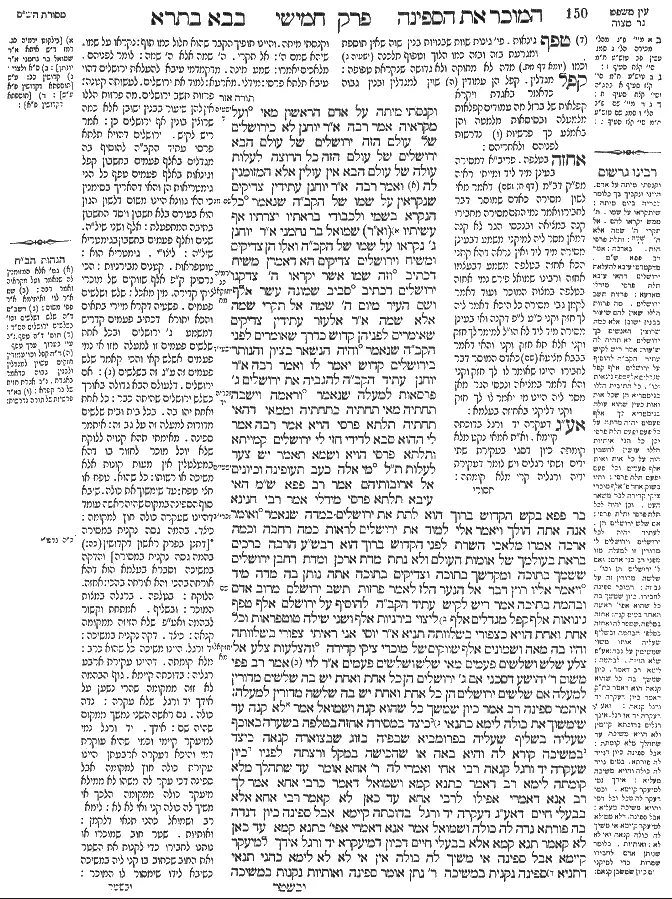
Bava Batra 75b - Guemara
וקנסתי מיתה על אדם הראשון מאי (ישעיהו ד, ה) ועל מקראיה אמר רבה א"ר יוחנן לא כירושלים של עולם הזה ירושלים של עולם הבא ירושלים של עולם הזה כל הרוצה לעלות עולה של עולם הבא אין עולין אלא המזומנין לה ואמר רבה א"ר יוחנן עתידין צדיקים שנקראין על שמו של הקב"ה שנאמר (ישעיהו מג, ז) כל הנקרא בשמי ולכבודי בראתיו יצרתיו אף עשיתיו (וא"ר) שמואל בר נחמני א"ר יוחנן ג' נקראו על שמו של הקב"ה ואלו הן צדיקים ומשיח וירושלים צדיקים הא דאמרן משיח דכתיב (ירמיהו כג, ו) וזה שמו אשר יקראו ה' צדקנו ירושלים דכתיב (יחזקאל מח, לה) סביב שמונה עשר אלף ושם העיר מיום ה' שמה אל תקרי שמה אלא שמה א"ר אלעזר עתידין צדיקים שאומרים לפניהן קדוש כדרך שאומרים לפני הקב"ה שנאמר (ישעיהו ד, ג) והיה הנשאר בציון והנותר בירושלים קדוש יאמר לו ואמר רבה א"ר יוחנן עתיד הקב"ה להגביה את ירושלים ג' פרסאות למעלה שנאמר (זכריה יד, י) וראמה וישבה תחתיה מאי תחתיה כתחתיה וממאי דהאי תחתיה תלתא פרסי הויא אמר רבה אמר לי ההוא סבא לדידי חזי לי ירושלים קמייתא ותלתא פרסי הויא ושמא תאמר יש צער לעלות תלמוד לומר (ישעיהו ס, ח) מי אלה כעב תעופינה וכיונים אל ארובותיהם אמר רב פפא ש"מ האי עיבא תלתא פרסי מידלי אמר רבי חנינא בר פפא בקש הקדוש ברוך הוא לתת את ירושלים במדה שנאמר (זכריה ב, ו) ואומר אנה אתה הולך ויאמר אלי למוד את ירושלים לראות כמה רחבה וכמה ארכה אמרו מלאכי השרת לפני הקדוש ברוך הוא רבש"ע הרבה כרכים בראת בעולמך של אומות העולם ולא נתת מדת ארכן ומדת רחבן ירושלים ששמך בתוכה ומקדשך בתוכה וצדיקים בתוכה אתה נותן בה מדה מיד (זכריה ב, ח) ויאמר אליו רוץ דבר אל הנער הלז לאמר פרזות תשב ירושלם מרוב אדם ובהמה בתוכה אמר ריש לקיש עתיד הקב"ה להוסיף על ירושלם אלף טפף גינואות אלף קפל מגדלים אלף ליצוי בירניות אלף ושני שילה טוטפראות וכל אחת ואחת הויא כצפורי בשלוותה תניא א"ר יוסי אני ראיתי צפורי בשלוותה והיו בה מאה ושמונים אלף שווקים של מוכרי ציקי קדירה (יחזקאל מא, ו) והצלעות צלע אל צלע שלש ושלשים פעמים מאי שלש ושלשים פעמים א"ר לוי אמר רב פפי משום ר' יהושע דסכני אם ג' ירושלים הן כל אחת ואחת יש בה שלשים מדורין למעלה אם שלשים ירושלים הן כל אחת ואחת יש בה שלשה מדורין למעלה:
איתמר ספינה רב אמר כיון שמשך כל שהוא קנה ושמואל אמר לא קנה עד שימשוך את כולה לימא כתנאי כיצד במסירה אחזה בטלפה בשערה באוכף שעליה בשליף שעליה בפרומביא שבפיה בזוג שבצוארה קנאה כיצד במשיכה קורא לה והיא באה או שהכישה במקל ורצתה לפניו כיון שעקרה יד ורגל קנאה רבי אחי ואמרי לה ר' אחא אומר עד שתהלך מלא קומתה לימא רב דאמר כתנא קמא ושמואל דאמר כרבי אחא אמר לך רב אנא דאמרי אפילו לרבי אחא עד כאן לא קאמר רבי אחא אלא בבעלי חיים דאע"ג דעקרה יד ורגל בדוכתה קיימא אבל ספינה כיון דנדה בה פורתא נדה לה כולה ושמואל אמר אנא דאמרי אפילו כתנא קמא עד כאן לא קאמר תנא קמא אלא בבעלי חיים דכיון דמיעקרא יד ורגל אידך למיעקר קיימא אבל ספינה אי משיך לה כולה אין אי לא לא לימא כהני תנאי דתניא ספינה נקנית במשיכה ר' נתן אומר ספינה ואותיות נקנות במשיכה
Comments from Rashbam - Bava Batra 75b
וקנסתי מיתה . והיינו תופיך הקבר שהוא חלול כמו תוף: נקראו על שמו . שיהא שמם ה': אל תקרי . ה' שמה אלא ה' שמה: לומר לפניהם . מלאכים יאמרו: שמע מינה . מדקמדמי עיבא להעלאת ירושלים דהוי עיבא תלתא פרסי: מידלי . מארעא: למוד את ירושלים . לעשותה קטנה: פרזות תשב ירושלים . מה פרזות הללו אין להן שיעור בבנין ישובן אלא כמה שרוצין בונין אף ירושלים כן: אמר ריש לקיש . ירושלים דהויא תלתא פרסי עתיד הקב"ה להוסיף בה מגדלים באלף פעמים בחשבון קפל וגינאות באלף פעמים טפף כל הני גימטריאות הן והאי דהאריך בסימנין כי האי גוונא היינו משום דלשון הגון הוא בעירם בלא חשבון ויסד החשבון בתיבה המתפעלת: אלף ושני שיל"ה . שנים ואלף פעמים בחשבון בגימטריא שיל"ה: ליצו"י . גימטריא הוא: טוטפראות . קטנים מבירניות: הכי גרסינן ק"פ אלף שווקים של מוכרי ציקי קדירה . מין מאכל: שלש ושלשים פעמים . פשטיה דקרא מיירי בתאים והכא יתורא דכתיב פעמים קדריש דמשמע ג' ירושלים ובכל אחת שלשים פעמים זו למעלה מזו אי נמי פעמים אשלש קאי והכי קאמר שלש פעמים זה ע"ג זה בשלשים: אם ירושלים . דלעולם הבא גדולה באורך כשלש ירושלים שהיתה כבר: כל אחת ואחת יהו בה . בכל בית ובית שלשים מדורות למעלה זה על גב זה: איתמר ספינה . מאימתי תהא קנויה ללוקח שלא יוכל מוכר לחזור בו דהא במטלטלין אין מעות קונות אלא משיכה או רשותו: כל שהוא . טפח או חצי טפח: עד שימשוך את כולה . שיבא סוף הספינה במקום שהיה ראשה עומד דהיינו שעקרה כולה חוץ למקומה: כיצד . בהמה גסה נקנית במסירה [דתנן בפרק ראשון דקדושין (כה:) בהמה גסה נקנית במסירה] והדקה במשיכה וסברא בעלמא הוא דהא אורחה בהכי והא אורחה בהכי: אחזה . הלוקח: בטלפה . ברגלה במצות המוכר: ובשליף . אמתחת וקשור לבהמה ואע"פ שלא הזיזה ממקומה קנאה: כיצד . דקה נקנית במשיכה: יד ורגל . היינו משיכה כל שהוא כרב: מלא קומתה . דהיינו עקירת ארבע רגליה: בדוכתה קיימא . גוף הבהמה לא זזה ממקומה שהרי נשען על אידך יד ורגל שלא עקרה: נדה כולה . גם ראשה השני נמשך ממקום שהיה שם: אידך . יד ורגל נמי למיעקר קיימי וכמי שהיא עוקרת דמי והיכא דעקרה ארבעתן היינו עקירת כולה חוץ למקומה אבל ספינה דכי עקר לה משהו לא ממילא מיעקר כולה ממקומה הלכך אי משיך לה כולה קני ואי לא לא: לימא . רב ושמואל כהני תנאי דלקמן: ואותיות . שטר חוב שמוכרו או נותנו לחבירו כדי לקנות את השטר ואת החוב שכתוב בו קני ליה במשיכה כשיבא לידו שימסור לו המוכר:
Comments from Tosafot - Bava Batra 75b
טפף גינאות. פי' גינות שוות שבנויות בנין שוה שאין תוספת ומגרעת בזה ובזה כמו הלוך וטפוף תלכנה (ישעיהו ג) וכמו (יומא דף מח.) מדה לא מחוקה ולא גדושה שנקראת טפופה: קפל מגדלין. קפל הן עמודין שוין למגדלין ובנין גבוה כדאמר באגדת ויקרא קפלאות של ברזל מה עמודים קפלאות מלמעלה ובסיסאות מלמטה והן באמצע כך פרשיות נדרשות לפניהם ולאחריהם: אחזה בטלפה. פריב"א דמסירה בעינן מיד ליד ומייתי ראיה מפ"ק דב"מ (דף ח: ושם) דאמר מאי לשון מסירה כאדם שמוסר דבר לחבירו ואמר נמי התם מסירה מחבירו קנה במציאה ובנכסי הגר לא קנה דמאן מסר ליה למיקני משמע דבעינן מסירה מיד ליד ואין נראה דהא קתני הכא אחזה בטלפה משמע דבעצמו אחזה ורבינו שמואל פירש נמי אחזה בטלפה במצות המוכר ועוד דאמר לקמן גבי מסירה כל היכא דאמר ליה לך חזק וקני כ"ע ל"פ דקנה ואי בעינן מסירה מיד ליד לא הו"ל למימר לך חזק וקני אלא תא חזק וקני והאי דאמר בבבא מציעא (שם) כאדם המוסר דבר לחבירו היינו שאומר לו לך חזק וקני והא דאמר במציאה ונכסי הגר מאן מסר ליה היינו מי יאמר לו לך חזק וקני דליקני באחיזה בעלמא: אע"ג דעקרה יד ורגל בדוכתה קיימא. וא"ת אמאי נקט מלא קומתה כיון דסגי בעקירת שתי ידים ושתי רגלים ויש לומר דעקירת ידיה ורגליה קרי מלא קומתה:
Bava Batra 75b - Mishnah translated into english
and I decreed death on Adam the first man, to demonstrate that he was human and not a god.
§ The Gemara returns to the aforementioned verse: “And the Lord will create over the whole habitation of Mount Zion, and over those who are invited to it, a cloud and smoke by day” (Isaiah 4:5). What is the meaning of the phrase: “And over those who are invited to it”? Rabba says that Rabbi Yoḥanan says: Jerusalem of the World-to-Come is not like Jerusalem of this world. With regard to Jerusalem of this world, anyone who wants to ascend there can ascend. With regard to Jerusalem of the World-to-Come, only those who are invited to it can ascend.
And Rabba says that Rabbi Yoḥanan says: In the future, the righteous will be called by the name of the Holy One, Blessed be He; as it is stated: “Every one that is called by My name, and whom I have created for My glory, I have formed him, yea, I have made him” (Isaiah 43:7). This indicates that one who was created by God and causes Him glory is called by His name. And Rabbi Shmuel bar Naḥmani says that Rabbi Yoḥanan says: Three were called by the name of the Holy One, Blessed be He, and they are: The righteous, and the Messiah, and Jerusalem.
With regard to the righteous, this is as we have just said. With regard to the Messiah, this is as it is written: “And this is his name whereby he shall be called, the Lord is our righteousness” (Jeremiah 23:6). With regard to Jerusalem, this is as it is written: “It shall be eighteen thousand reeds round about. And the name of the city from that day shall be, the Lord is there [shamma]” (Ezekiel 48:35). Do not read the word as “there” [shamma]; rather, read it as: The Lord is its name [shemah]. Rabbi Elazar says: In the future, the righteous will have the name: Holy, recited before them, as one recites before the Holy One, Blessed be He; as it is stated: “And it shall come to pass, that he who is left in Zion, and he who remains in Jerusalem, shall be called holy” (Isaiah 4:3).
And Rabba says that Rabbi Yoḥanan says: In the future, the Holy One, Blessed be He, will raise Jerusalem three parasangs upward; as it is stated: “And it shall be lifted up and inhabited in its place” (Zechariah 14:10). What is the meaning of the phrase “in its place”? It means equivalent to its place, i.e., Jerusalem will be raised to a height whose measure in parasangs corresponds to the measure of its area in square parasangs. The Gemara asks: And from where is it derived that the place of Jerusalem was an area of three square parasangs? Rabba said that a certain elder said to me: I saw the initial Jerusalem, when it was still extant, and its area was three square parasangs.
The Gemara continues to discuss the statement of Rabbi Yoḥanan: And lest you say that there is discomfort in ascending to a place so high, the verse states in a prophecy depicting the return of the Jewish people to Jerusalem: “Who are these that fly as a cloud, and as the doves to their cotes” (Isaiah 60:8). This indicates that they can easily ascend to Jerusalem, as though they were clouds or doves. Rav Pappa said: Incidentally, one can learn from that statement that this cloud mentioned in the verse is three parasangs high, as it reaches Jerusalem, which will be raised three parasangs.
Rabbi Ḥanina bar Pappa says: The Holy One, Blessed be He, wished to give a set measure for Jerusalem, as it is stated in a prophecy of Zechariah: “And I lifted up my eyes and saw, and behold a man with a measuring line in his hand. Then I said: Where are you going? And he said to me: To measure Jerusalem, to see what is its breadth, and what is its length” (Zechariah 2:5–6).
The ministering angels said before the Holy One, Blessed be He: Master of the Universe, You have created many cities in Your world for the nations of the world, and You did not give the measure of their length or the measure of their width, i.e., they are not limited by any set measure, but expand as they develop. With regard to Jerusalem, which has Your name in it, and Your Temple in it, and righteous people in it, will You give it a measure? Immediately: “And, behold, the angel that spoke with me went forth, and another angel went out to meet him, and said to him: Run, speak to this young man, saying: Jerusalem shall be inhabited without walls for the multitude of men and cattle within it” (Zechariah 2:7–8).
Reish Lakish says: In the future, the Holy One, Blessed be He, will add to Jerusalem one thousand times the numerical value of tefaf of gardens; one thousand times the numerical value of kefel of towers; one thousand times the value of litzoy of fortifications; and one thousand and two times the value of shilo of small houses [totpera’ot]. And each and every one of these additions will be like the great city of Tzippori in its prosperity.
The Gemara clarifies the size of the city of Tzippori. It is taught in a baraita that Rabbi Yosei said: I saw Tzippori in its prosperity, and there were one hundred and eighty thousand markets of sellers of meat sauces in it. On this basis, one can estimate the future size of Jerusalem.
In a similar manner, the Gemara interprets the verse: “And the side-chambers were one over another, three and thirty times” (Ezekiel 41:6). What is the meaning of: “Three and thirty times”? Rabbi Levi says that Rav Pappi says in the name of Rabbi Yehoshua of Sikhnei: If in the future Jerusalem will triple in size, so that it occupies three times its former area, then each and every dwelling will contain thirty stories upward. If the area of Jerusalem will be multiplied by thirty, each and every dwelling will contain three stories above every house.
§ The Gemara returns to discuss the mishna, which discusses the acquisition of a ship. It was stated that there was a dispute among amora’im with regard to the manner in which a ship is acquired. Rav says: Once the buyer has pulled the ship and moved it by any amount, he has acquired it. And Shmuel says: He does not acquire it until he pulls the entire ship to the extent that the end of the ship has at least reached the place previously occupied by its front.
The Gemara suggests: Let us say that this dispute is parallel to a dispute between tanna’im, as it is taught in a baraita: How is an animal acquired through passing? If the buyer grasped it by its hoof, or by its hair, or by the saddle that is on it, or by the load that is on it, or by the bit [perumbiyya] in its mouth, or by the bell on its neck, he has acquired it. How is an animal acquired through pulling? If he calls it and it comes, or if he hits it with a stick and it runs before him, once it lifts a foreleg and a hind leg from where it was standing, he has acquired it. Rabbi Aḥai, and some say Rabbi Aḥa, says: It is not enough if the animal lifts its hooves. Rather, one does not acquire it until it walks its full length, i.e., it moves both of its forelegs and both of its hindlegs.
Shall we say that Rav, who holds that a buyer can acquire the ship even by moving it only a minimal distance, states his ruling in accordance with the opinion of the first tanna that it is enough for the animal to lift two legs; and Shmuel, who holds that the entire ship must be moved, states his ruling in accordance with the opinion of Rabbi Aḥa that the animal must move its full length? The Gemara rejects this suggestion: Rav could have said to you: I state my ruling even in accordance with the opinion of Rabbi Aḥa, since Rabbi Aḥa states his opinion only with regard to animals, as although it lifted a foreleg and a hind leg, it stands in its place. But in the case of a ship, once a bit of it moves, all of it moves, and therefore the buyer acquires it.
And Shmuel could say: I stated my ruling even in accordance with the opinion of the first tanna. The first tanna states his opinion only with regard to animals, as once an animal has lifted a foreleg and a hind leg, the other legs stand ready to be lifted. But with regard to a ship, if he pulls the entire ship, yes, he acquires it, but if he does not pull the whole ship, he does not acquire it.
The Gemara offers another suggestion: Let us say that the dispute of Rav and Shmuel is parallel to the dispute between these tanna’im, as it is taught in a baraita: A ship is acquired by pulling. Rabbi Natan says: A ship and letters, i.e., the content of a promissory note, are acquired by pulling the document
Traduction : The William Davidson digital edition of the Koren Noé Talmud, with commentary by Rabbi Adin Even-Israel Steinsaltz.