 Talmud Bavli
The learning on the whole site is dedicated : L'ilui Nishmat אליעזר בן רחל
The learning on the whole site is dedicated : L'ilui Nishmat Ledicia bat David Banoun
The learning on the whole site is dedicated : L'ilui Nishmat Rav Chlomo Ben Jamilla
Bava Batra 3b : Youtube
Daf TubeYoutube
2 video classes :
Bava Batra Page 3b
Bava Batra 3b - Guemara
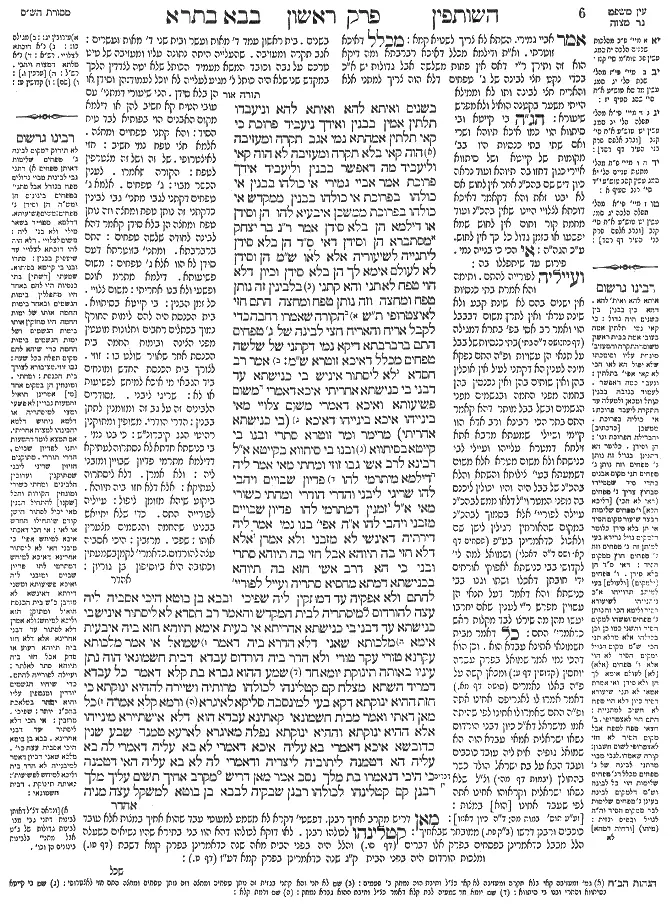
בשנים ואיתא להא ואיתא להא וניעבדו תלתין אמין בבנין ואידך ניעביד פרוכת כי קאי תלתין אמהתא נמי אגב תקרה ומעזיבה הוה קאי בלא תקרה ומעזיבה לא הוה קאי וליעביד מה דאפשר בבנין וליעביד אידך פרוכת אמר אביי גמירי אי כולהו בבנין אי כולהו בפרוכת אי כולהו בבנין ממקדש אי כולהו בפרוכת ממשכן איבעיא להו הן וסידן או דילמא הן בלא סידן אמר רב נחמן בר יצחק מסתברא הן וסידן דאי ס"ד הן בלא סידן ליתנייה לשיעוריה אלא לאו ש"מ הן וסידן לא לעולם אימא לך הן בלא סידן וכיון דלא הוי טפח לא תני והא קתני בלבינין זה נותן טפח ומחצה וזה נותן טפח ומחצה התם חזי לאיצטרופי ת"ש הקורה שאמרו רחבה כדי לקבל אריח והאריח חצי לבינה של ג' טפחים התם ברברבתא דיקא נמי דקתני של שלשה טפחים מכלל דאיכא זוטרא ש"מ:
אמר רב חסדא לא ליסתור איניש בי כנישתא עד דבני בי כנישתא אחריתי איכא דאמרי משום פשיעותא ואיכא דאמרי משום צלויי מאי בינייהו איכא בינייהו דאיכא (בי כנישתא אחריתי) מרימר ומר זוטרא סתרי ובנו בי קייטא בסיתווא ובנו בי סיתווא בקייטא א"ל רבינא לרב אשי גבו זוזי ומחתי מאי אמר ליה דילמא מיתרמי להו פדיון שבויים ויהבי להו שריגי ליבני והדרי הודרי ומחתי כשורי מאי אמר ליה זמנין דמתרמי להו פדיון שבויים מזבני ויהבי להו א"ה אפילו בנו נמי אמר ליה דירתיה דאינשי לא מזבני ולא אמרן אלא דלא חזי בה תיוהא אבל חזי בה תיוהא סתרי ובני כי הא דרב אשי חזא בה תיוהא בכנישתא דמתא מחסיא סתריה ועייל לפורייה להתם ולא אפקיה עד דמתקין ליה שפיכי ובבא בן בוטא היכי אסביה ליה עצה להורדוס למיסתריה לבית המקדש והאמר רב חסדא לא ליסתור איניש בי כנישתא עד דבני בי כנישתא אחריתא אי בעית אימא תיוהא חזא ביה איבעית אימא מלכותא שאני דלא הדרא ביה דאמר שמואל אי אמר מלכותא עקרנא טורי עקר טורי ולא הדר ביה הורדוס עבדא דבית חשמונאי הוה נתן עיניו באותה תינוקת יומא חד שמע ההוא גברא בת קלא דאמר כל עבדא דמריד השתא מצלח קם קטלינהו לכולהו מרותיה ושיירה לההיא ינוקתא כי חזת ההיא ינוקתא דקא בעי למינסבה סליקא לאיגרא ורמא קלא אמרה כל מאן דאתי ואמר מבית חשמונאי קאתינא עבדא הוא דלא אישתיירא מינייהו אלא ההיא ינוקתא וההיא ינוקתא נפלה מאיגרא לארעא טמנה שבע שנין בדובשא איכא דאמרי בא עליה איכא דאמרי לא בא עליה דאמרי לה בא עליה הא דטמנה ליתוביה ליצריה ודאמרי לה לא בא עליה האי דטמנה כי היכי דנאמרו בת מלך נסב אמר מאן דריש (דברים יז, טו) מקרב אחיך תשים עליך מלך רבנן קם קטלינהו לכולהו רבנן שבקיה לבבא בן בוטא למשקל עצה מניה
Comments from Rashi on Masechet Bava Batra Page 3b
בשנים . בית ראשון עמד ד' מאות ועשר ובית שני ד' מאות ועשרים: אגב תקרה ומעזיבה . שהעלייה היתה נתונה עליו ומעזיבה של טיט טרכס על גבה וכובד המשא מעמיד הכותל שלא יטה לצדדין הלכך במקדש שני שלא היה כותל ל' מגיע לעלייה לא יוכל לעמוד: הן וסידן או הן בלא סידן . הני שיעורי דמתני' עם עובי הטיח קא חשיב להן או דילמא מקום האבנים הוי בפותיא לבד טיח הסיד: והא קתני טפחיים ומחצה . אלמא חצי טפח נמי חשיב: חזי לאיצטרופי . של זה ושל זה מצטרפין לטפח: הקורה שאמרו . לענין הכשר מבוי: ג' טפחים . אלמא ג' טפחים דקתני לגבי מתני' גבי לבינין כדקתני זה נותן טפח ומחצה וזה נותן טפח ומחצה הן בלא סידן קאמר דהא לבינה לחודה שלשה טפחים: התם ברברבתא . ומתני' בזוטרתא דעם סידן לא הוו אלא ג' טפחים: משום פשיעותא . דילמא מתרמי אונס ופשעי ולא בנו אחריתי: משום צלויי . כל זמן הבנין: בי קייטא בסיתווא . בית הכנסת היה להם לימות החורף נמוך בכתלים רחבים וחלונות מועטין מפני הצינה ובימות החמה בית הכנסת אחר שאויר שולט בו: זוזי . לצורך בית הכנסת החדש ומונחים ביד הגבאי מי איכא למיחש לפשיעות או לא: שריגי ליבני . מסודרים הלבינים זה על גב זה ומזומנין לתתן בבנין: הדרי הודרי . משופין ומתוקנין רהיטי הגג קיברונ"ש: כי בנו נמי . בי כנישתא חדתא לא נסתרוה לעתיקא דדילמא מתרמי פדיון שבויין ומזבני ליה: ולא אמרן . דלא ליסתרוה לעתיקא: אלא דלא חזו ביה תיוהא . ביקוע שיהא מזומן ליפול: עייליה לפורייה התם . כדי שלא יתייאש בבנינו שהחמה והגשמים מצערין אותו: שפכי . מרזבין: היכי אסביה עצה להורדוס . כדאמרי' לקמן בשמעתין וכתובה היא ביוסיפון בן גוריון:
Comments from Tosafot - Bava Batra 3b
אמר אביי גמירי. השתא לא צריך לשנויא קמא: מכלל דאיכא זוטרתי. וא"ת ודילמא מכלל דאיכא רברבתא ומה דיקא הוא זה ותירץ ר"י דאם אין פחות משלשה אבל גדולות יש א"כ בכדי נקט חצי לבינה של ג' טפחים דלא הוה צריך למתני אלא והאריח חצי לבינה ותו לא וממילא הייתי משער בקטנה הואיל ולא מפרש שיעורא: הג"ה בי קייטא ובי סיתווא הוי כמו איכא תיוהא ושרי ואם שתי בתי כנסיות היו בב' מקומות של קייטא ושל סיתווא איירי כגון דחזו בה תיוהא ועוד נראה כיון דיש שם בהכ"נ אחר אין לחוש אם לא יבנו זאת והא דקאמר דאיכא דוכתא לצלויי היינו שאין בהכ"נ ועוד מחמת קור וחום אין לחוש שמא יפשעו או בזמן גדול כל כך אין לחוש. ע"כ הגה"ה: אי הכי כי בנייה נמי. פירוש עד שיתפללו בה: ועייליה לפורייה להתם. ותימה והא אמרת בתי כנסיות אין ישנים בהם לא שינת קבע ולא שינת עראי ואין לתרץ משום דבבבל הוי ואמר רב אסי בפ' בתרא דמגילה (דף כח: ושם ד"ה בתי) בתי כנסיות של בבל על תנאי הן עשויות ופ"ה התם נפקא מינה לענין הא דקתני לעיל אין אוכלין בהן ואין שותים בהן ואין נכנסין בהן בחמה מפני החמה ובגשמים מפני הגשמים ובשל בבל מותר דהא קאמר התם בתר הכי רבינא ורב אדא הוו קיימי ושיילי שמעתא מרבא אתא זילחא דמטרא עלייהו ועיילי לבי כנישתא ולא משום מטרא אלא משום דשמעתא בעי' צילותא והשתא והלא בהכ"נ של בבל היה והיו יכולין ליכנס בה מפני המטר וי"ל דלאו ממש לבהכ"נ עיילה לפוריי' אלא בסמוך לבהכ"נ במקום שהאורחין רגילין לישן שם ולאכול כדאמרינן בע"פ (פסחים דף קא. ושם ד"ה דאכלי) ושמואל למה לי' לקדושי בבי כנישתא לאפוקי אורחים ידי חובתן דאכלו ושתו וגנו בבי כנישתא והא דאמר דעל תנאי הן עשויין מפרש ר"י לענין שאם יחרבו יעשו מהן מה שירצו לבד מקלות ראש כדאמרי' התם: כל דאמר מבית חשמונאי אתינא עבדא הוא. וכן הוא דהכי נמי אמר שמואל בפרק עשרה יוחסין (קדושין דף ע:) ומכאן קשה על פ"ה באלו נאמרים (סוטה דף מא.) דאמר אמרו לו לאגריפס אחינו אתה ופ"ה התם שאמרו לו אחינו לפי שהיתה אמו מישראל דא"כ כיון דבני הורדוס נשאו ישראלית אמאי עבדא הוה הא שמואל גופיה אית ליה עובד כוכבים ועבד הבא על בת ישראל הולד כשר בהחולץ (יבמות דף מה.) וצ"ל שלא נשאו ישראלית וקראוהו אחינו אתה לפי שעבד אחינו [הוא] במצות: [וע"ע תוס' יבמות מה: ד"ה כיון דאמו]: מאן דריש מקרב אחיך רבנן. דפשטי' דקרא לא משמע למעוטי עבד שהוא אחיך במצות אלא עובד כוכבים ורבנן דרשו (ב"ק פח.) ממובחר שבאחיך: קטלינהו לכולהו רבנן. לאו דוקא לכולהו דהא הוו בני בתירא שהיו נשיאים כשעלה הלל מבבל כדאמרינן בפסחים בפרק אלו דברים (דף סו.) והלל היה בפני הבית מאה שנה כדאמרינן בפרק קמא דשבת (דף טו.) ומלכות הורדוס היה בפני הבית ק"ג שנה כדאמרינן בפרק קמא דע"ז (דף ט.):
Bava Batra 3b - Mishnah translated into english
that it will be greater in years, meaning that the Second Temple will stand for a longer period of time than the First Temple. And the Gemara comments that this is true and that is true, meaning that the Second Temple was taller than the First Temple and also stood for a longer period of time.
The Gemara asks: If so, if the Second Temple building was taller, then to separate between the Holy of Holies and the Sanctuary in the Second Temple they should have made a wall thirty cubits high and then made a curtain for the rest of the height, the seventy-cubit difference in height between the First and Second Temples. The Gemara answers: This would have been impossible, as even when a thirty-cubit wall that is six handbreadths thick stands, it is due to the ceiling and plaster which attaches it to the ceiling that it stands. But without a ceiling and plaster holding it in place, it does not stand.
The Gemara continues: But they should have made a wall as high as can possibly stand by itself, and then should have made a curtain for the rest of the height. Abaye said: The Sages learned as a tradition that the partition separating the Holy of Holies from the Sanctuary should be built either entirely as a wall or entirely as a curtain. It should be built either entirely as a wall, as is learned from the First Temple, or it should be built entirely as a curtain, as is learned from the Tabernacle. At no time, however, was there a partition that combined a wall and a curtain.
§ A dilemma was raised before the Sages: Do the measurements given in the mishna apply to them, the thickness of the materials themselves, and the plaster with which the materials were coated, or perhaps just to them without their plaster? Rav Naḥman bar Yitzḥak said: It is reasonable to say the measurements refer to them and their plaster, as, if it should enter your mind to say they refer to them without their plaster, then the tanna should have taught the measurements of the plaster as well. Rather, isn’t it correct to conclude from here that the measurements refer to them and their plaster? The Gemara rejects this conclusion: No, actually I could say to you that they apply to them without their plaster, and since the plaster does not have the thickness of one handbreadth the tanna did not teach such a small measurement.
The Gemara asks: But doesn’t the tanna teach with regard to bricks that this one provides one and a half handbreadths, and that one provides one and a half handbreadths? Evidently, the tanna lists even an amount less than one handbreadth. The Gemara answers: There mention is made of half-handbreadths because they are fit to be combined into a full handbreadth.
The Gemara suggests: Come and hear a solution to the question, from a mishna (Eiruvin 13b) in which it is taught: The cross beam, which the Sages stated may be used to render an alleyway fit for one to carry within it on Shabbat, must be wide enough to receive and hold a small brick. And this small brick is half a large brick, the width of which is three handbreadths. That mishna is referring to a brick without the plaster.
The Gemara answers: There, the mishna in Eiruvin is referring to large bricks that measure three full handbreadths, whereas here the mishna is referring to bricks that measure slightly less than three handbreadths, and the measurement of three handbreadths includes the plaster with which they are coated. The Gemara comments: The language of the mishna there is also precise, as it teaches about a brick of three handbreadths, from which one can conclude by inference that there exists also a smaller-sized brick. The Gemara affirms: Learn from here that the mishna there is referring to large bricks.
§ Rav Ḥisda says: A person may not demolish a synagogue until he first builds another synagogue to take its place. There are those who say that the reason for this halakha is due to potential negligence, lest he fail to build a new structure after the old one has been razed. And there are those who say that the reason for this halakha is due to the disruption of prayer, for in the meantime there will be nowhere to pray.
The Gemara asks: What is the practical difference between these two explanations? The Gemara answers that there is a difference between them in a situation where there is another synagogue. Even though the community has an alternative place to pray there is still a concern that the new synagogue will never get built. It is related that Mareimar and Mar Zutra demolished and built a summer synagogue in the winter, and, in like manner, they built a winter synagogue in the summer, so that the community would never be left without a synagogue.
Ravina said to Rav Ashi: What is the halakha if money for the construction of a new synagogue has already been collected and it rests before us for that purpose? Is it then permitted to demolish the old synagogue before building the new one? Rav Ashi said to him: Even if the money has been collected there is still concern that perhaps an opportunity for redeeming captives will present itself, and they will hand over the money for that urgent requirement, and the community will be left without a synagogue.
Ravina continues: What is the halakha if the bricks to be used for the construction of the new synagogue are piled up, the boards are prepared, and the beams are ready? Is it permitted to demolish the old synagogue before building the new one? Rav Ashi said to him: Even so, sometimes an opportunity for redeeming captives will present itself, and they will sell the building materials and hand over the proceeds for this purpose. Ravina raises an objection: If so, that is, if you are concerned that they will sell the materials to redeem captives, then even in a case where they already built the synagogue there should be a concern that they might come to sell the structure for that purpose, and therefore one should never be permitted to destroy an old synagogue. Rav Ashi said to him: People do not sell their residences, and certainly not their synagogues.
The Gemara comments: And we said that an old synagogue must not be razed before its replacement is built only in a case where cracks are not seen in the old synagogue. But if cracks are seen they may first demolish the old synagogue and then build the new one. This is like the incident involving Rav Ashi, who saw cracks in the synagogue in his town of Mata Meḥasya and immediately demolished it. He then brought his bed in there, to the building site, so that there should be no delays in the construction, as he himself required shelter from the rain, and he did not remove his bed from there until they finished building the synagogue and even affixed drainpipes to the structure.
The Gemara asks: How could Bava ben Buta have advised Herod to raze the Temple and build another in its place, as will be described later? But doesn’t Rav Ḥisda say that a person must not demolish a synagogue unless he first builds another synagogue to take its place? The Gemara answers: If you wish, say that he saw cracks in the old Temple structure. And if you wish, say that actions taken by the government are different, as the government does not go back on its decisions. Therefore, there is no need to be concerned about negligence, as there is in the case of ordinary people. As Shmuel says: If the government says it will uproot mountains, it will uproot mountains and not retract its word.
§ The Gemara elaborates on the episode involving Bava ben Buta. Herod was a slave in the house of the Hasmoneans. He set his eyes upon a certain young girl from the house of the Hasmoneans. One day that man, Herod, heard a Divine Voice that said: Any slave who rebels now will succeed. He rose up and killed all his masters, but spared that girl. When that girl saw that he wanted to marry her, she went up to the roof and raised her voice, and said: Whoever comes and says: I come from the house of the Hasmoneans, is a slave, since only that girl, i.e., I, remained from them. And that girl fell from the roof to the ground and died.
It is related that Herod preserved the girl’s body in honey for seven years to prevent it from decaying. There are those who say that he engaged in necrophilia with her corpse and there are those who say he did not engage in necrophilia with her corpse. According to those who say he engaged in necrophilia with her corpse, the reason that he preserved her body was to gratify his carnal desires. And according to those who say he did not engage in necrophilia with her corpse, the reason that he preserved her body was so that people would say he married a king’s daughter.
Herod said to himself: Who expounds the verse: “One from among your brothers you shall set as king over you” (Deuteronomy 17:15) as meaning that he who is appointed as king must come from a Jewish family and cannot be an emancipated slave or a convert? It is the Sages who expound the verse in this manner, insisting that a king must have Jewish roots. He then rose up and killed all the Sages, but spared Bava ben Buta in order to take counsel with him.
Traduction : The William Davidson digital edition of the Koren Noé Talmud, with commentary by Rabbi Adin Even-Israel Steinsaltz.