 Talmud Bavli
Bava Batra 7b : Youtube
Daf TubeYoutube
2 video classes :
Bava Batra Page 7b
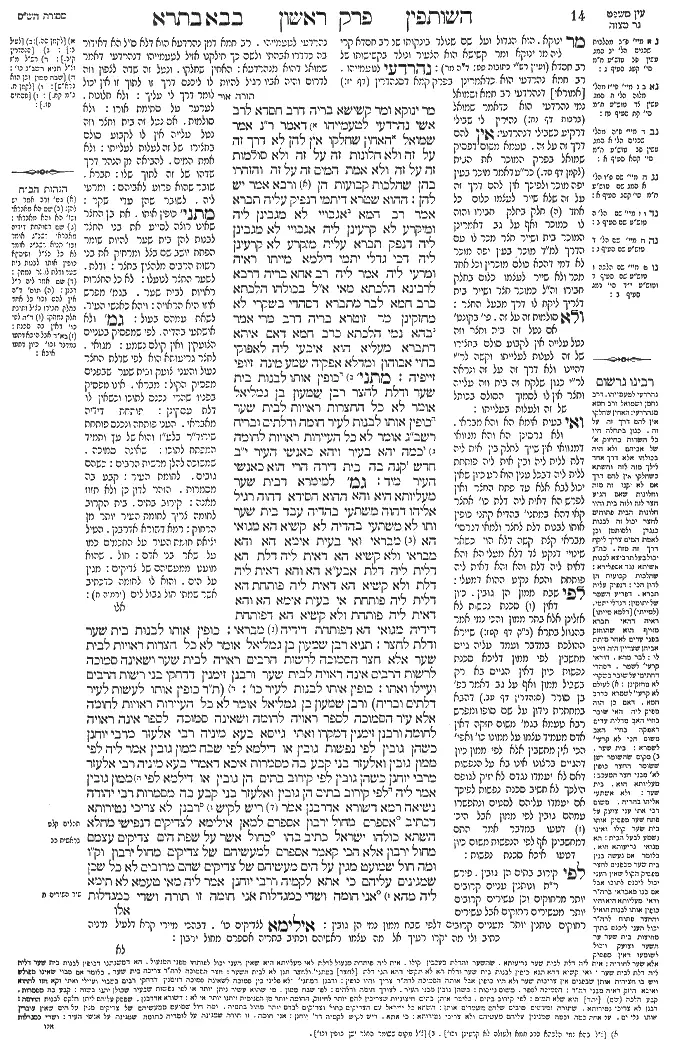
Bava Batra 7b - Guemara
מר ינוקא ומר קשישא בריה דרב חסדא לרב אשי נהרדעי לטעמייהו דאמר ר"נ אמר שמואל האחין שחלקו אין להן לא דרך זה על זה ולא חלונות זה על זה ולא סולמות זה על זה ולא אמת המים זה על זה והזהרו בהן שהלכות קבועות הן ורבא אמר יש להן:
ההוא שטרא דיתמי דנפיק עליה תברא אמר רב חמא אגבויי לא מגבינן ליה ומיקרע לא קרעינן ליה אגבויי לא מגבינן ליה דנפק תברא עליה מיקרע לא קרעינן ליה דכי גדלי יתמי דילמא מייתו ראיה ומרעי ליה אמר ליה רב אחא בריה דרבא לרבינא הלכתא מאי אמר ליה בכולהו הלכתא כרב חמא לבר מתברא דסהדי בשקרי לא מחזקינן מר זוטרא בריה דרב מרי אמר בהא נמי הלכתא כרב חמא דאם איתא דתברא מעליא הוא איבעי ליה לאפוקי בחיי אבוהון ומדלא אפקיה שמע מינה זיופי זייפיה:
מתני׳ כופין אותו לבנות בית שער ודלת לחצר רבן שמעון בן גמליאל אומר לא כל החצרות ראויות לבית שער כופין אותו לבנות לעיר חומה ודלתים ובריח רשב"ג אומר לא כל העיירות ראויות לחומה כמה יהא בעיר ויהא כאנשי העיר י"ב חדש קנה בה בית דירה הרי הוא כאנשי העיר מיד:
גמ׳ למימרא דבית שער מעליותא היא והא ההוא חסידא דהוה רגיל אליהו דהוה משתעי בהדיה עבד בית שער ותו לא משתעי בהדיה לא קשיא הא מגואי הא מבראי ואי בעית אימא הא והא מבראי ולא קשיא הא דאית ליה דלת הא דלית ליה דלת אי בעית אימא הא והא דאית ליה דלת ולא קשיא הא דאית ליה פותחת הא דלית ליה פותחת אי בעית אימא הא והא דאית ליה פותחת ולא קשיא הא דפותחת דידיה מגואי הא דפותחת דידיה מבראי:
כופין אותו לבנות בית שער ודלת לחצר:
תניא רבן שמעון בן גמליאל אומר לא כל חצרות ראויות לבית שער אלא חצר הסמוכה לרשות הרבים ראויה לבית שער ושאינה סמוכה לרשות הרבים אינה ראויה לבית שער ורבנן זימנין דדחקי בני רשות הרבים ועיילו ואתו:
כופין אותו לבנות לעיר כו':
(ת"ר כופין אותו לעשות לעיר דלתים ובריח) ורבן שמעון בן גמליאל אומר לא כל העיירות ראויות לחומה אלא עיר הסמוכה לספר ראויה לחומה ושאינה סמוכה לספר אינה ראויה לחומה ורבנן זימנין דמקרו ואתי גייסא בעא מיניה רבי אלעזר מרבי יוחנן כשהן גובין לפי נפשות גובין או דילמא לפי שבח ממון גובין אמר ליה לפי ממון גובין ואלעזר בני קבע בה מסמרות איכא דאמרי בעא מיניה רבי אלעזר מרבי יוחנן כשהן גובין לפי קירוב בתים הן גובין או דילמא לפי ממון גובין אמר ליה לפי קירוב בתים הן גובין ואלעזר בני קבע בה מסמרות רבי יהודה נשיאה רמא דשורא אדרבנן אמר ריש לקיש רבנן לא צריכי נטירותא דכתיב (תהלים קלט, יח) אספרם מחול ירבון אספרם למאן אילימא לצדיקים דנפישי מחלא השתא כולהו ישראל כתיב בה (בראשית כב, יז) כחול אשר על שפת הים צדיקים עצמם מחול ירבון אלא הכי קאמר אספרם למעשיהם של צדיקים מחול ירבון וקל וחומר ומה חול שמועט מגין על הים מעשיהם של צדיקים שהם מרובים לא כל שכן שמגינים עליהם כי אתא לקמיה דרבי יוחנן אמר ליה מאי טעמא לא תימא ליה מהא (שיר השירים ח, י) אני חומה ושדי כמגדלות אני חומה זו תורה ושדי כמגדלות
Comments from Rashi on Masechet Bava Batra Page 7b
נהרדעי לטעמייהו . רב חמא דמן נהרדעא הוא דלא ס"ל הא דאידור בה כדדרו אבהתי ולשם כך חילקנו אזיל לטעמייהו דנהרדעי דאמר שמואל דהוא מנהרדעא: האחין שחלקו . ונטל זה שדה לצפון וזה לדרום והיה אביו רגיל להיות לו ליכנס דרך זו לתוך זו אין יכול לומר דרך לי עליך: ולא חלונות . לערער על סתימת אורו: ולא סולמות . אם נטל זה בית וחצר וזה נטל עלייה אין לו לקבוע סולם בחצירו של זה לעלות לעלייתו: ולא אמת המים . להביאה מן הנהר דרך שדהו של זה לתוך שלו: תברא . שובר שהוא פרוע לאביהם: ומרעי ליה . לשובר שהן עדי שקר: מתני' כופין אותו . את בן החצר שאינו רוצה לסייע את בני החצר לבנות להן בית שער להיות שומר הפתח יושב שם בצל ומרחיק את בני רשות הרבים מלהציץ בחצר: ודלת . לשער החצר לנועלו: לא כל החצרות ראויות לבית שער . בגמ' מפרש איזו היא הראויה: ויהא כאנשי העיר . לשאת עמהם בעול: גמ' ולא אישתעי בהדיה . לפי שמפסיק בעניים הצועקין ואין קולם נשמע: מגואי . לחצר גריעותא הוא לפי שדלת החצר נעול והעני צועק ובית שער שבפנים מפסיק הקול: מבראי . אינו מפסיק בפניו שהרי נכנס לתוכו וכשאין לו דלת עסקינן: פותחת דידיה מאבראי . העני פותחה ונכנס פותחת שירוד"ר בלע"ז והוא של עץ ותמיד המפתח לתוכו: שאינה סמוכה . שמשוכה להלן מרשות הרבים: כשהם גובים . לחומת העיר: קבע בה מסמרות . הזהר לדון כן ולא תזוז ממנה: קירוב בתים . בית הקרוב לחומה צריך לחומת העיר יותר מן הרחוק: רמא דשורא אדרבנן . הטיל יציאת חומת העיר על החכמים כמו על שאר בני אדם: חול . שהוא מועט ממעשיהם של צדיקים: מגין על הים . והוא לו לחומה כדכתיב אשר שמתי חול גבול לים (ירמיהו ח):
Comments from Tosafot - Bava Batra 7b
מר ינוקא. הוא הגדול ועל שם שנולד בינקותו של רב חסדא קרי ליה מר ינוקא ומר קשישא הוא הצעיר ונולד בקשישותו של רב חסדא (ועיין רש"י כתובות פט: ד"ה מר): נהרדעי לטעמייהו. רב חמא נהרדעי הוא כדאמרינן בפרק קמא דסנהדרין (דף יז:) [אמוראי] דנהרדעי רב חמא ושמואל נמי נהרדעי הוא כדאמר שמואל (ברכות דף נח:) נהירין לי שבילי דרקיע כשבילי דנהרדעי: אין להם דרך זה על זה. טעמא משום דפסיק שמואל בפרק המוכר את הבית (לקמן בבא בתרא דף סד.) כר"ע דאמר מוכר בעין יפה מוכר ולפיכך אין להם דרך זה על זה שלא שייר לעצמו כלום כל אחד חלק בחלק חבירו והוה לו כמוכר ואף על גב דאמרינן המוכר בית ושייר חצר מכר לו עם הדרך למ"ד מוכר בעין יפה מוכר לא דמי דהכא כולם מוכרין וכל אחד מכר ולא שייר לעצמו כלום בחלק חבירו וה"ל כמוכר חצר ושייר בית דצריך ליקח לו דרך מבעל החצר: ולא סולמות זה על זה. פי' בקונט' אם נטל זה בית וחצר וזה נטל עלייה אין לקבוע סולם בחצירו של זה לעלות לעלייתו וקשה לר"י דהיינו ולא דרך זה על זה ונראה לר"י כגון שלקח זה בית וזה עלייה וחצר אין לו לסמוך הסולם בכותל של זה ולעלות בעלייתו: ואי בעית אימא הא והא מבראי. ולא גרסינן הא והא מגוואי דמגוואי אין שייך לחלק בין אית ליה דלת ללית ליה ובין אית ליה פותחת ללית ליה דבכל ענין הוא רע כיון שאין יכול לבא אלא עד פתח החצר ואין לפרש הא דאית ליה דלת כו' אחצר קאי דהא במתני' בהדיא קתני כופין אותו לבנות דלת לחצר ולמאי דגרסי' מבראי קצת קשה דלא הוי כשאר שינויי דנקט צד דלא מעלי הא והא דאית ליה דלת והא והא דאית ליה פותחת והכא נקיט ההוא דמעלי: לפי שבח ממון הן גובין. כיון דאין סכנת נפשות לא אזלינן אלא בתר ממון והכי נמי אמר בהגוזל בתרא (ב"ק דף קטז:) שיירא ההולכת במדבר ועמד עליה גייס מחשבין לפי ממון דליכא סכנת נפשות כיון דאין הגייס בא רק בשביל ממון ואף על גב דאמר בפ' בן סורר (סנהדרין דף עב.) דהבא במחתרת נידון על שם סופו ומפרש רבא טעמא בגמ' משום חזקה דאין אדם מעמיד עצמו על ממונו כו' ואפי' הכי אין מחשבין אלא לפי ממון כיון דהגייס ברצונו אינו בא על הנפשות דאם לא יעמדו נגדם לא יזיק לגופם הילכך לא חשיב סכנת נפשות לפיכך אם יעמדו עליהם לסטים ונתפשרו עמהם גובין לפי ממון אבל היכי דטעו במדבר אמר התם דמחשבינן אף לפי הנפשות משום כיון דטעו איכא סכנת נפשות: לפי קירוב בתים הן גובין. פירש. ר"ת ונותנין עניים קרובים יותר מרחוקים וכן עשירים קרובים יותר מעשירים רחוקים אבל עשירים רחוקים נותנין יותר מעניים קרובים דלפי שבח ממון נמי הן גובין: אילימא לצדיקים כו'. דבהכי מיירי קרא דלעיל מיניה כתיב ולי מה יקרו רעיך אל מה עצמו ראשיהם וכתיב בתריה אספרם מחול ירבון:
Bava Batra 7b - Mishnah translated into english
i.e., Mar Yenuka and Mar Kashisha, sons of Rav Ḥisda, said to Rav Ashi: The Sages of Neharde’a follow their usual line of reasoning, as Rav Ḥama, who was from Neharde’a, issued his ruling in accordance with the opinion of Shmuel, who was also from that city. As Rav Naḥman says that Shmuel says: In the case of brothers who divided their father’s estate, they do not have a right-of-way against each other. Although the father would traverse the outer field from the inner field to access the public domain, the brother who received the inner field as an inheritance does not have the right to traverse his brother’s outer field.
Shmuel continues: Nor do they have the right of windows against each other, i.e., the right to prevent the other from building a wall facing his windows; nor do they have the right of ladders against each other, i.e., the right to set up a ladder in the other’s property in order to get to his own; nor do they have the right of a water channel against each other, i.e., the right to pass a water channel through the other’s property. And be careful with these, since they are established halakhot. Rava says: The brothers do have all of the aforementioned rights. Rav Ḥama agrees with Shmuel’s opinion, that each brother can do as he pleases on his own property without the other one preventing him from doing so.
Since Rav Ḥama’s rulings were mentioned, the Gemara cites another halakhic ruling in his name. There was a certain promissory note inherited by orphans from their father, stating that somebody owed them money, against which a receipt was produced by the borrower, stating that the debt was already paid. Rav Ḥama said: We cannot use the note to collect the debt on behalf of the orphans, nor can we tear it up. The Gemara explains: We cannot collect with the note because a receipt against it was produced by the borrower; and we cannot tear the note up because perhaps when the orphans grow up they will bring proof that the receipt was forged and undermine it.
Rav Aḥa, son of Rava, said to Ravina: What is the halakha? Ravina said to him: In all the cases in this discussion, the halakha is in accordance with the opinion of Rav Ḥama, except for the case of the receipt, because we do not presume that the witnesses are liars. Since witnesses signed the receipt, the court trusts that the debt was paid and they tear up the promissory note.
Mar Zutra, son of Rav Mari, said: In this case as well, the halakha is in accordance with the opinion of Rav Ḥama, because the validity of the receipt is in doubt. As, if it is so that it is a valid receipt, the borrower should have produced it during their father’s lifetime. And since he did not produce it at the proper time, we learn from this that he may have forged it. Even though this is not an absolute proof, it is sufficient reason not to tear up the promissory note.
MISHNA: The residents of a courtyard can compel each inhabitant of that courtyard to financially participate in the building of a gatehouse and a door to the jointly owned courtyard. Rabban Shimon ben Gamliel disagrees and says: Not all courtyards require a gatehouse, and each courtyard must be considered on its own in accordance with its specific needs. Similarly, the residents of a city can compel each inhabitant of that city to contribute to the building of a wall, double doors, and a crossbar for the city. Rabban Shimon ben Gamliel disagrees and says: Not all towns require a wall.
With regard to this latter obligation, the mishna asks: How long must one live in the city to be considered like one of the people of the city and therefore obligated to contribute to these expenses? Twelve months. But if he bought himself a residence in the city, he is immediately considered like one of the people of the city.
GEMARA: The Gemara asks: Is this to say that making a gatehouse is beneficial? But wasn’t there that pious man, with whom the prophet Elijah was accustomed to speak, who built a gatehouse, and after-ward Elijah did not speak with him again? The objection to the building of a gatehouse is that the guard who mans it prevents the poor from entering and asking for charity. The Gemara answers: This is not difficult: This, the case presented in the mishna, is referring to a gatehouse built on the inside of the courtyard, in which case the poor can at least reach the courtyard’s entrance and be heard inside the courtyard; that, the story of the pious man and Elijah, involves a gatehouse that was built on the outside of the courtyard, completely blocking the poor’s access to the courtyard’s entrance.
And if you wish, say instead that in both cases the gatehouse was built outside the courtyard, and yet this is not difficult: In the one case, there is a door to the gatehouse, so that the poor cannot be heard inside the courtyard, while in the other case there is no door. Or if you wish, say that in both cases there is a door, and still this is not difficult: In the one case, there is a key needed to open the door, and the key is not available to the poor people, whereas in the other case, there is no key needed. Or if you wish, say that in both cases there is a key needed, and even so this is not difficult: In the one case the key is on the inside, so that the poor cannot reach it, while in the other case of the mishna, the key is on the outside.
§ The mishna teaches that the residents of a courtyard can compel each inhabitant of that courtyard to financially participate in the building of a gatehouse and a door to the jointly owned courtyard. It is taught in a baraita that Rabban Shimon ben Gamliel says: Not all courtyards require a gatehouse. Rather, a courtyard that adjoins the public domain requires a gatehouse to prevent people from peering in. But a courtyard that does not adjoin the public domain does not require a gatehouse. The Gemara asks: And why don’t the Rabbis make this distinction? The Gemara answers: Even if a courtyard does not adjoin the public domain, people in the public domain sometimes are forced toward the courtyard due to crowding in the public domain, and come and enter the courtyard.
§ The mishna teaches that the residents of a city can compel each inhabitant of that city to contribute to the building of a wall, double doors, and a crossbar for the city. The Sages taught in a baraita: The residents of a city can compel each inhabitant of that city to build double doors and a crossbar for the city. And Rabban Shimon ben Gamliel says: Not all cities require a wall. Rather, a city that adjoins the state border requires a wall, whereas a city that does not adjoin the state border does not require a wall. The Gemara asks: And why don’t the Rabbis make this distinction? The Gemara answers: Even if a city does not adjoin the border, it sometimes happens that invading troops come into the area. Therefore, it is always good for a city to be protected by a wall.
With regard to this issue, Rabbi Elazar asked Rabbi Yoḥanan: When the residents of the city collect money to build a wall, do they collect based on the number of people living in each house, or perhaps they collect based on the net worth of each person? Rabbi Yoḥanan said to him: They collect based on the net worth of each person, and Elazar, my son, you shall fix nails in this, i.e., this is an established halakha, and you must not veer from it.
There are those who say that Rabbi Elazar asked Rabbi Yoḥanan: When they collect money to build a wall, do they collect based on the proximity of the houses to the wall, so that those people who live closer to the wall pay more? Or perhaps they collect based on the net worth of each person. Rabbi Yoḥanan said to him: They collect based on the proximity of the houses to the wall, and Elazar, my son, you shall fix nails in this.
§ It is related that Rabbi Yehuda Nesia once imposed payment of the tax for the wall even on the Sages. Reish Lakish said to him: The Sages do not require protection, as it is written: “How precious are your dear ones to me, O God…If I should count them, they are more in number than the sand” (Psalms 139:17–18). If I should count whom? If we say this is referring to the righteous, and the verse is saying that they are greater in number than the grains of sand, this is difficult. Now if it is written about all of Israel: “As the sand which is upon the seashore” (Genesis 22:17), can the righteous themselves, who are a part of Israel, be greater in number than the grains of sand? How can they possibly outnumber the grains of sand upon the seashore?
Rather, this is what the verse is saying: If I should count the deeds of the righteous, they are greater in number than the grains of sand. And it follows by an a fortiori inference: If the grains of sand, which are fewer in number, protect the shore from the sea, barring it from flowing inland (see Jeremiah 5:22), do not all the more so the deeds of the righteous, which are greater in number, protect them? Consequently the Sages do not need additional protection.
When Reish Lakish came before Rabbi Yoḥanan and reported the exchange to him, Rabbi Yoḥanan said to him: What is the reason that you did not quote this verse to him: “I am a wall and my breasts are like towers” (Song of Songs 8:10), which may be explained as follows: “I am a wall”; this is referring to the Torah. “And my breasts are like towers”;
Traduction : The William Davidson digital edition of the Koren Noé Talmud, with commentary by Rabbi Adin Even-Israel Steinsaltz.