 Talmud Bavli
The learning on the whole site is dedicated : L'ilui Nishmat Rav Chlomo Ben Jamilla
The learning on the whole site is dedicated : L'ilui Nishmat Reuven ben Rivka SEBBAG
The learning on the whole site is dedicated : L'ilui Nishmat Nissim ben Barukh Malka
Bava Batra 150b : Youtube
Daf TubeYoutube
2 video classes :
Bava Batra Page 150b
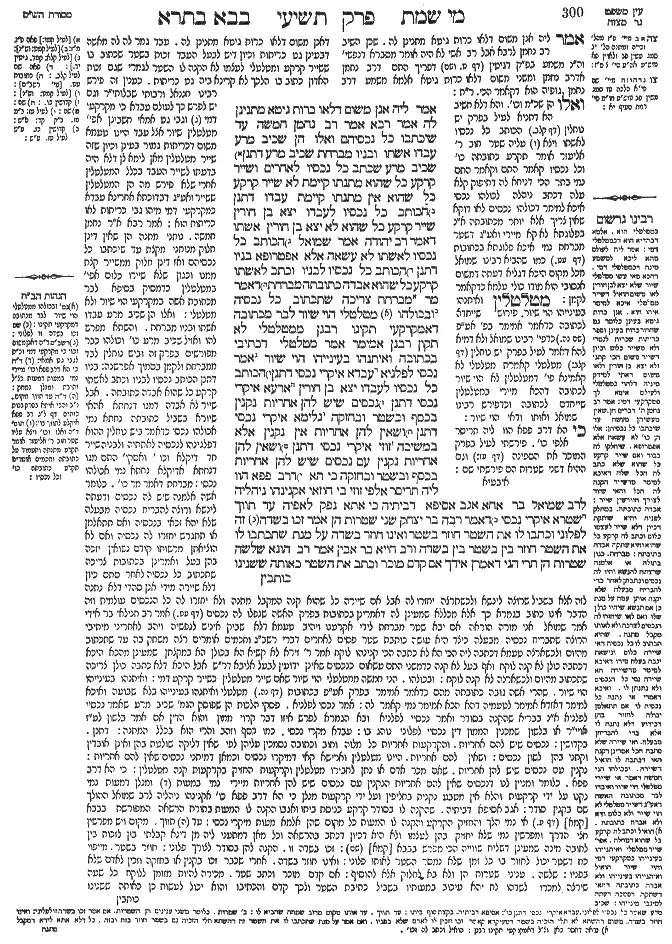
Bava Batra 150b - Guemara
אמר ליה אנן משום דלאו כרות גיטא מתנינן לה אמר רבא אמר רב נחמן חמשה עד שיכתבו כל נכסיהם ואלו הן שכיב מרע עבדו אשתו ובניו מברחת שכיב מרע דתנן שכיב מרע שכתב כל נכסיו לאחרים ושייר קרקע כל שהוא מתנתו קיימת לא שייר קרקע כל שהוא אין מתנתו קיימת עבדו דתנן הכותב כל נכסיו לעבדו יצא בן חורין שייר קרקע כל שהוא לא יצא בן חורין אשתו דאמר רב יהודה אמר שמואל הכותב כל נכסיו לאשתו לא עשאה אלא אפטרופא בניו דתנן הכותב כל נכסיו לבניו וכתב לאשתו קרקע כל שהוא אבדה כתובתה מברחת דאמר מר מברחת צריכה שתכתוב כל נכסיה ובכולהו מטלטלי הוי שיור לבר מכתובה דאמקרקעי תקינו רבנן ממטלטלי לא תקון רבנן אמימר אמר מטלטלי דכתיבי בכתובה ואיתנהו בעינייהו הוי שיור אמר נכסי לפלניא עבדא איקרי נכסי דתנן הכותב כל נכסיו לעבדו יצא בן חורין ארעא איקרי נכסי דתנן נכסים שיש להן אחריות נקנין בכסף ובשטר ובחזקה גלימא איקרי נכסי דתנן ושאין להן אחריות אין נקנין אלא במשיכה זוזי איקרי נכסי דתנן ושאין להן אחריות נקנין עם נכסים שיש להן אחריות בכסף ובשטר ובחזקה כי הא דרב פפא הוו ליה תריסר אלפי זוזי בי חוזאי אקנינהו ניהליה לרב שמואל בר אחא אגב אסיפא דביתיה כי אתא נפק לאפיה עד תווך שטרא איקרי נכסי דאמר רבה בר יצחק שני שטרות הן אמר זכו בשדה זה לפלוני וכתבו לו את השטר חוזר בשטר ואינו חוזר בשדה על מנת שתכתבו לו את השטר חוזר בין בשטר בין בשדה ורב חייא בר אבין אמר רב הונא שלשה שטרות הן תרי הני דאמרן אידך אם קדם מוכר וכתב את השטר כאותה ששנינו
Comments from Rashbam - Bava Batra 150b
א"ל רב אשי לרבינא . לעולם אימא לך כמקרקעי והאי עשו מטלטלין שיור אצל העבד לאו היינו טעמא כדרב נחמן דאמר עבדא מטלטלי הוא אלא כדפרישית טעמא: דאנן משום דלאו כרות גיטא מתנינן לה . עבד גמר לה לה מאשה דבעינן גט כריתות וכיון דיש לבעל העבד זכות בשטר שכתוב בו ששייר קרקע ומטלטלי לעצמו לא הקנה לו השטר לגמרי שגם זכות האדון כתוב בו הלכך לא קרינא ביה גט כריתות כענין זה פירש רבינו חננאל ורבותי שבלותי"ר וגם יש לפרש כך לעולם עבדא כי מקרקעי דמי וגבי גט אמאי חשבינן אפי' מטלטלין שיור אצל עבד היינו טעמא משום דכריתות גמור בעינן וכיון שזה שייר מטלטלין מאן לימא לן דלא היה בדעתו לשייר העבד בכלל המטלטלין אחרי שלא פירש מה הן המטלטלין ששייר ואע"ג דבדוכתא אחרינא עבדא כמקרקעי דמי מיהו גבי כריתות לאו כריתות הוא: אמר רבא א"ר נחמן חמשה . נותני מתנה הן שאין דינן חלוק מנותני מקצת עד שיכתבו כל נכסיהם ואז דינן חלוק ממשייר קצת ממנו וכגון שלא שיירו כלום אפי' במטלטלין כדמסיק בסיפא לבר מכתובת אשה במקרקעי הוי שיור ולא מטלטלי: ואלו הן שכיב מרע עבדו אשתו ובניו מברחת . והשתא מפרש להו ואזיל שכיב מרע כו' וכולהו כבר מפורשים בפרק זה וביש נוחלין לבד ממברחת ולקמן בסמוך אפרשנה: בניו דתנן הכותב נכסיו לבניו וכתב לאשתו קרקע כל שהוא אבדה כתובתה . אבל שייר לא אבדה דמגו דנחתא אהאי שיורא בשביל כתובתה נחתא נמי אכולהו נכסי כדאמר ביש נוחלין ההוא דפלגינהו לנכסיה לאתתיה ולבניה שייר חד דיקלא וכו' ואסקי' התם מגו דנחתא אדיקלא נחתא נמי אכולהו נכסי: מברחת דאמר מר כו' . כלומר אשה אלמנה שיש לה נכסים ודעתה לינשא ורוצה להבריח נכסיה מבעלה שלא יהא זכאי בנכסיה ואם תתאלמן או תתגרש יחזרו לה נכסיה ואם לא הוציאתן מרשותו קודם נשואין יזכה בהן בעל ואמרינן בכתובות צריכה שתכתוב כל נכסיה לאחר סתם כיון דלא שיירה מידי אנן סהדי דלא נתנה לזה אלא בשביל שרוצה לינשא ולכשתרצה יחזרו לה אבל אם שיירה כל שהוא קנה המקבל מתנה ולא יחזרו לה כל הנכסים עולמית וזה הדבר אינו כתוב בגמרא כך אלא מכללא שמעינן לה דאמרינן בכתובות בפרק האשה שנפלו לה נכסים (דף עט.) אמר רב חנילאי בר אידי אמר שמואל אני מורה הוראה אם יבא שטר מברחת לידי אקרענו ויהיב טעמא דלא שביק איניש לנפשיה ויהב לאחריני מיתיבי הרוצה שתבריח נכסיה מבעלה כיצד היא עושה כותבת שטר פסים לאחרים דברי רשב"ג וחכמים אומרים רצה משחק בה עד שתכתוב מהיום ולכשארצה טעמא דכתבה ליה הכי הא לא כתבה הכי קנינהו לוקח אמר ר' זירא לא קשיא הא בכולן הא במקצתן שמעינן מהכא היכא דכתבה כולן לא קנה לוקח ואף בעל לא קנה כדמשני התם עשאום כנכסים שאינן ידועין לבעל אליבא דר"ש אבל היכא דלא כתבה כולן צריכה שתכתוב מהיום ולכשארצה לא קנה לוקח: ובכולהו . הני חמשה ממטלטלי הוי שיור שאם שייר מטלטלין כשייר קרקע דמי: ואיתנהו בעינייהו הוי שיור . שהרי אשה גובה כתובתה מהם כדאמר אמימר בפרק אע"פ בכתובות (דף נה.) מטלטלי ואיתנהו בעינייהו בלא שבועה ואיכא למימר דאזדא אמימר לטעמיה דהא הכא אמימר נמי קאמר לה: אמר נכסי לפלניא . פסקי הלכות הן שפוסק הגמ' שכיב מרע שאמר נכסיי לפלניא א"נ בבריא שהקנה בסודר ואמר נכסיי לפלניא ובא הגמרא לפרש איזו דבר קרוי ממון והוא הדין אם אמר בלשון לע"ז אויי"ר או בלשון שמכנין הממון דין נכסיי לפלוני נוהג בו: עבדא מקרי נכסי . כמו כסף וזהב והרי הוא בכלל המתנה: דתנן . בקדושין: נכסים שיש להם אחריות . והקרקעות אחריות כל מלוה וחוב וכתובה נסמכין עליהן לפי שאין דליקה שולטת בהן ואינן אובדין וקתני בהן לשון נכסים: ושאין להם אחריות . היינו מטלטלין וארישא קאי דמיקרו נכסים וכמאן דמיתני נכסים שאין להם אחריות: נקנין עם נכסים שיש להן אחריות . שאם מכר אדם או נתן לחבירו מטלטלין וקרקעות החזיק בקרקעות קנה מטלטלין: כי הא דרב פפא . כלומר ומניין לנו דנכסים שאין להם אחריות הנקנין עם נכסים שיש להן אחריות מיירי נמי במעות ומנלן דמעות נמי נקנו על ידי קרקעות והלא אין מטבע נקנית בחליפין ועל ידי קרקעות מנלן כי הא דרב פפא כו' אקנינהו ניהליה לרב שמואל ההולך שם בקנין סודר: אגב אסיפא דביתיה . שהקנה לו בסודר קרקע כניסת ביתו ואגבו הקנה לו המעות בתורת הרשאה המפורשת בבבא [קמא] (דף ע.) אי נמי הלך והחזיק הקרקע והקנה לו המעות כל מקום שהן אלמא מעות מיקרי נכסי: עד תווך . מקום ויש מפרשין חצי הדרך ומפרשין נמי שלא יחזיק בהן לעצמו ולא היא דכיון דכתב בהרשאה וכל מאן דמתעני ליה מן דינא קבלתי בין לזכות בין לחובה מינה שמעינן דשליח שווייה הכי מפרש בבבא [קמא] (שם): זכו בשדה זו . הקנה להן בסודר לצורך פלוני: חוזר בשטר . מייפוי כח דשטר יכול לחזור בו כל זמן שלא נמסר השטר לאותו פלוני: ואינו חוזר בשדה . אחרי שכבר זכו בקנין או בחזקה וזכין לאדם שלא בפניו: שלשה . עניני שטרות הן ולא בא לחלוק אלא להוסיף: אם קדם מוכר וכתב שטר . מכירה להיות מזומן ללוקח כל שעה שירצה למכרו לשדהו לא יהא עיכוב במעותיו בשביל כתיבת השטר ולכך קדם והכתיבו והוא יכול לעשות כן:
Comments from Tosafot - Bava Batra 150b
אמר ליה אנן משום דלאו כרות גיטא מתנינן לה. שכן השיב רב נחמן לרבא אבל רב אשי לא היה אומר מסברא דנפשי' וה"נ משמע בפ"ק דגיטין (דף ט. ושם) דפריך התם דרב נחמן אדרב נחמן ומשני משום דלאו כרות גיטא אלמא משמע דרב נחמן גופיה הוא דקאמר הכי. ר"ת: ואלו הן שכ"מ וכו'. והא דלא חשיב הא דתניא לעיל בפרק יש נוחלין (בבא בתרא דף קלב.) הכותב כל נכסיו לאשתו ויצא עליה שטר חוב ר' אליעזר אומר תקרע כתובתה כו' וכל נכסיו קאמר התם וקאמר התם נמי בתר הכי דניחא לה דתיפוק קלא עלה דכתב ניהלה לכולהו נכסי איכא למימר דכולהו נכסים לאו דוקא שאין צריך אלא יותר מכתובתה א"נ בפלוגתא לא קא מיירי ואע"ג דשטר מברחת נמי איכא פלוגתא בכתובות (דף עט.) כמו שהביא רבינו שמואל מכל מקום היכא דגליא דעתה דמשום אנסובי הוא מודו כולי עלמא כדקאמר לקמן: מטלטלין ואיתנהו בעינייהו הוי שיור. פירוש שייחדה לכתובה כדאמר אמימר בפ' אע"פ (שם נה.) כדפי' רבינו שמואל ולא דמיא להא דאמר לעיל בפרק יש נוחלין (בבא בתרא דף קלב:) מטלטלי קאמרת מטלטלי לא קאמינא פי דמטלטלין לא הוי שיור לכתובה דהכא מיירי במטלטלין שייחדם לכתובה וכדפירש רבינו שמואל ואותו ודאי הוי שיור: כי הא דרב פפא הוו ליה תריסר אלפי כו'. פירשתי לעיל בפרק המוכר את הספינה (בבא בתרא דף עז:) וגם ההיא דשני שטרות הם פירשתי שם:
Bava Batra 150b - Mishnah translated into english
Rav Ashi said to Ravina: The reason the slave is not emancipated if the master reserved part of the property for himself is not that the slave is included in the property that the owner reserved for himself. Rather, we teach this halakha as being due to the fact that the document is not a bill of manumission that completely severs the bond between the slave and the master.
§ Rava says that Rav Naḥman says: There are five types of gifts to which specific halakhot apply, but the halakhot do not apply until the owners write a deed granting all of their property to another without reserving anything for themselves, and they are as follows: The gift of a person on his deathbed, a gift to one’s Canaanite slave, a gift to one’s wife, a gift to one’s sons, and the gift of a woman who shelters her property from her prospective husband by transferring her property to another before her marriage. In this latter case the Sages instituted that if her husband dies or divorces her she can reclaim the property.
The Gemara explains each of these cases: In the case of a gift of a person on his deathbed, this is as we learned in the mishna (146b): With regard to a person on his deathbed who wrote a deed granting all of his property to others, and he reserved for himself any amount of land, his gift stands even if he subsequently recovers. If he did not reserve for himself any amount of land, and he recovered, his gift does not stand, as the gift was conditional upon his death, since evidently he did not intend to leave himself without means of support if he survived.
In the case of a gift to one’s slave, this is as we learned in a mishna (Pe’a 3:8): With regard to one who writes a deed granting all of his property to his Canaanite slave, the slave has been emancipated, but if he reserved for himself any amount of land, then he has not been emancipated, as perhaps he reserved the slave for himself as well.
In the case of a gift to one’s wife, this is as Rav Yehuda says that Shmuel says: One who writes a deed granting all of his property to his wife renders her only a steward of his property, i.e., he intends only to place her in charge of the property and she does not acquire it. According to Rav Naḥman, this applies only if he did not reserve any part of the property for himself.
In the case of a gift to one’s sons, this is as we learned in a mishna (Pe’a 3:7): With regard to one who writes a deed granting all of his property to his sons, and he writes in the deed that he grants any amount of land to his wife, she forfeits payment of her marriage contract. If he reserves any amount of land for himself, his wife does not forfeit payment of her marriage contract.
In the case of a gift of a woman who shelters her property from her intended husband, this is as the Master says: In the case of a woman who wishes to shelter her property from her prospective husband, she must write a deed granting all of her property to another. If she reserves for herself any amount of property, she cannot reclaim the property if she is widowed or divorced.
The Gemara concludes: With regard to all of these cases, reserving movable property is considered a significant reserving of property, except with regard to a woman’s marriage contract. If one grants all of his property to his sons except for any amount of land, which he gives to his wife, and he reserves for himself only movable property, his wife forfeits payment of her marriage contract, as nothing remains in the husband’s possession from which she is entitled to collect payment. This is because the Sages instituted that the lien on the marriage contract is placed on land, and the Sages did not institute that the marriage contract can be collected from movable property.
Ameimar said: With regard to movable property that is explicitly written in the marriage contract as property from which the debt may be collected and is still extant, if the husband reserves this property for himself, this is considered a significant reserving of property, and his wife does not forfeit payment of her marriage contract.
§ If one said: My property shall go to so-and-so, anything that is referred to as property is included in the gift. A Canaanite slave is called property, as we learned in a mishna (Pe’a 3:8): With regard to one who writes, i.e., gives via a document, all of his property to his Canaanite slave, the slave has been emancipated. Land is called property, as we learned in a mishna (Kiddushin 26a): Property that serves as a guarantee, i.e., land, can be acquired by means of money, by means of a deed, or by taking possession of it. A cloak, as well as other garments and movable property, is called property, as we learned in that same mishna: And property that does not serve as a guarantee, i.e., movable property, can be acquired only by pulling.
Money [zuzei] is called property, as we learned in that same mishna: And property that does not serve as a guarantee can be acquired together with property that serves as a guarantee by means of money, by means of a deed, or by taking possession of it. Money is among the types of property that can be acquired by means of the acquisition of land, as is evident from this incident involving Rav Pappa, who had twelve thousand dinars loaned to the people of Bei Ḥozai. Rav Pappa transferred ownership of the money to Rav Shmuel bar Aḥa, who was traveling to Bei Ḥozai, by means of transferring ownership of the threshold of his house, so that Rav Shmuel bar Aḥa could collect the money. When Rav Shmuel bar Aḥa came back with the money, Rav Pappa was so pleased that he went out as far as Tavakh to meet him.
A deed is called property, as Rabba bar Yitzḥak says: There are two types of deeds with regard to the acquisition of land. If one said to the witnesses: Acquire this field on behalf of so-and-so and write the deed for him as proof of the sale, the giver can retract the deed but he cannot retract the transfer of ownership of the field once the other party has taken possession of it. If one said: Acquire this field on behalf of so-and-so on the condition that you write the deed for him, the giver can retract both the deed and the transfer of the field, as he stipulated that the acquisition of the field is dependent on the writing of the deed.
And Rav Ḥiyya bar Avin says that Rav Huna says: There are three types of deeds. Two are those that we stated above, and the other is as follows: If the seller wrote the deed in advance and kept it until the buyer would come and pay him. The Gemara adds parenthetically: This is like that halakha that we learned in a mishna (167b):
Traduction : The William Davidson digital edition of the Koren Noé Talmud, with commentary by Rabbi Adin Even-Israel Steinsaltz.