 Talmud Bavli
Ketubot 101b : Youtube
Daf TubeYoutube
1 video class :
Ketubot Page 101b
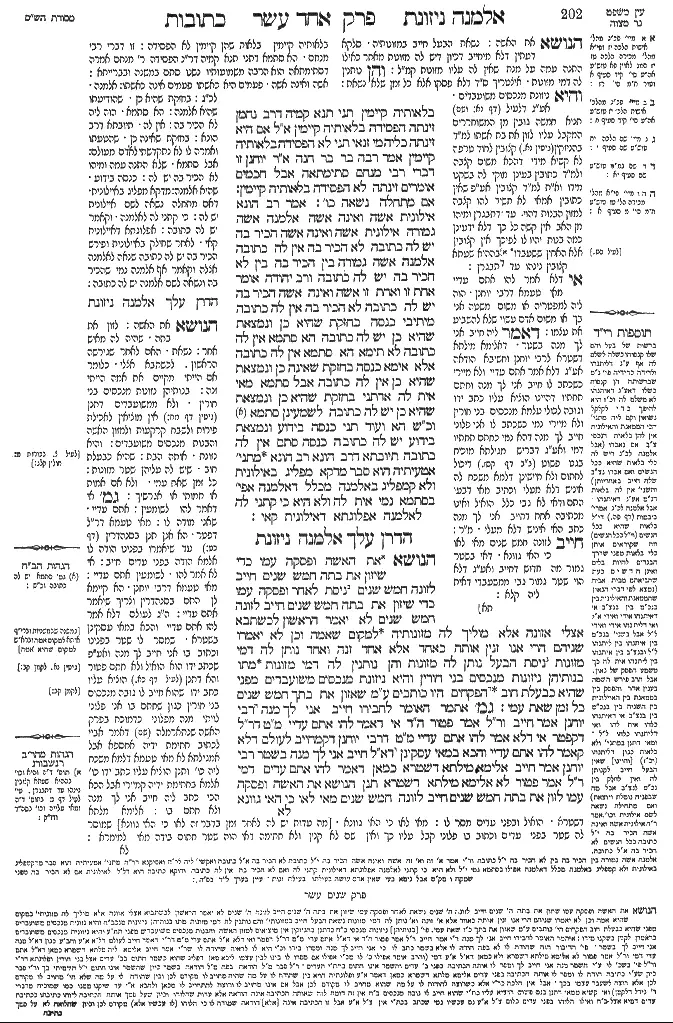
Ketubot 101b - Guemara
בלאותיה קיימין תני תנא קמיה דרב נחמן זינתה הפסידה בלאותיה קיימין א"ל אם היא זינתה כליה מי זנאי תני לא הפסידה בלאותיה קיימין אמר רבה בר בר חנה א"ר יוחנן זו דברי רבי מנחם סתימתאה אבל חכמים אומרים זינתה לא הפסידה בלאותיה קיימין:
אם מתחלה נשאה כו':
אמר רב הונא אילונית אשה ואינה אשה אלמנה אשה גמורה אילונית אשה ואינה אשה הכיר בה יש לה כתובה לא הכיר בה אין לה כתובה אלמנה אשה גמורה בין הכיר בה בין לא הכיר בה יש לה כתובה ורב יהודה אומר אחת זו ואחת זו אשה ואינה אשה הכיר בה יש לה כתובה לא הכיר בה אין לה כתובה מיתיבי כנסה בחזקת שהיא כן ונמצאת שהיא כן יש לה כתובה הא סתמא אין לה כתובה לא תימא הא סתמא אין לה כתובה אלא אימא כנסה בחזקת שאינה כן ונמצאת שהיא כן אין לה כתובה אבל סתמא מאי אית לה אדתני בחזקת שהיא כן ונמצאת שהיא כן יש לה כתובה לשמעינן סתמא וכ"ש הא ועוד תני כנסה בידוע ונמצאת בידוע יש לה כתובה כנסה סתם אין לה כתובה תיובתא דרב הונא רב הונא מתני' אטעיתיה הוא סבר מדקא מפליג באילונית ולא קמפליג באלמנה מכלל דאלמנה אפי' בסתמא נמי אית לה ולא היא כי קתני לה לאלמנה אפלוגתא דאילונית קאי:
הדרן עלך אלמנה ניזונת
מתני׳ הנושא את האשה ופסקה עמו כדי שיזון את בתה חמש שנים חייב לזונה חמש שנים ניסת לאחר ופסקה עמו כדי שיזון את בתה חמש שנים חייב לזונה חמש שנים לא יאמר הראשון לכשתבא אצלי אזונה אלא מוליך לה מזונותיה למקום שאמה וכן לא יאמרו שניהם הרי אנו זנין אותה כאחד אלא אחד זנה ואחד נותן לה דמי מזונות ניסת הבעל נותן לה מזונות והן נותנין לה דמי מזונות מתו בנותיהן ניזונות מנכסים בני חורין והיא ניזונת מנכסים משועבדים מפני שהיא כבעלת חוב הפקחים היו כותבים ע"מ שאזון את בתך חמש שנים כל זמן שאת עמי:
גמ׳ אתמר האומר לחבירו חייב אני לך מנה רבי יוחנן אמר חייב ור"ל אמר פטור ה"ד אי דאמר להו אתם עדיי מ"ט דר"ל דקפטר אי דלא אמר להו אתם עדיי מ"ט דרבי יוחנן דקמחייב לעולם דלא קאמר להו אתם עדיי והכא במאי עסקינן דא"ל חייב אני לך מנה בשטר רבי יוחנן אמר חייב אלימא מילתא דשטרא כמאן דאמר להו אתם עדים דמי ר"ל אמר פטור לא אלימא מילתא דשטרא תנן הנושא את האשה ופסקה עמו לזון את בתה חמש שנים חייב לזונה חמש שנים מאי לאו כי האי גוונא
Comments from Rashi on Masechet Ketubot Page 101b
בלאותיה קיימין . בלאות שהן קיימין לא הפסידה: זו דברי רבי מנחם . הא סתמא דתני תנא קמיה דר"נ הפסידה ר' מנחם אמרה דסתימתאה הוא הרבה משמועותיו נשנו סתם במשנה ובברייתא: אשה ואינה אשה . פעמים היא כאשתו פעמים אינה כאשתו: אלמנה . לכ"ג: בחזקת שהיא כן . שהודיעתו שהיא אלמנה: הא סתמא . הוה ליה לא הכיר בה: בחזקת שאינה כן . שהטעתו ואמרה לו לא נתקדשתי לאדם מעולם: אבל סתמא . שלא התנה עמה ומיהו לא הכיר בה יש לה: כנסה בידוע . שהיא אלמנה: מדקא מפליג באיילונית . דאם מתחלה נשאה לשם איילונית יש לה: כי קתני לה לאלמנה . וקאמר יש לה כתובה: אפלוגתא דאיילונית קאי . לאחר שחילק באיילונית ופירש הכיר בה יש לה כתובה שנאה לאלמנה אצלה וקאמר אף אלמנה נמי שהכיר בה ונשאה לשם אלמנה יש לה כתובה: הדרן עלך אלמנה ניזונת מתני' הנושא את האשה: לזון את בתה . שהיה לה מאיש אחר: נשאת . האם לאחר שגירשה הראשון: לכשתבא אצלי . כלומר אם הייתי מקיים את אמה הייתי זנה: בנותיהן נזונות מנכסים בני חורין . ולא ממשועבדים דתנן (גיטין דף מח:) אין מוציאין לאכילת פירות ולשבח קרקעות ולמזון האשה והבנות מנכסים משועבדים: והיא נזונת . אותה הבת: שהיא כבעלת חוב . שיש לה עליהן שטר מזונות: נשאת . האם לאחר שגירשה הראשון. לכשתבא אצלי. כלומר אם הייתי מקיים את אמה הייתי זנה: כל זמן שאת עמי . ולא אם אמות או תמותי או אגרשיך: גמ' אי דאמר להו . לשומעין: אתם עדיי . שאני מודה לו: מאי טעמא דר"ל דפטר . הא אנן תנן בסנהדרין (דף כט:) עד שיאמרו בפנינו הודה לו אלמא הודה בפני עדים חייב: אי לא אמר להו . לשומעין אתם עדיי: מאי טעמא דרבי יוחנן . הא קיימא לן התם בסנהדרין וצריך שיאמר אתם עדיי: מאי טעמא דרבי יוחנן . הא קיימא לן התם בסנהדרין וצריך שיאמר אתם עדיי: ה"ג לעולם דלא אמר להו אתם עדיי והכא במאי עסקינן בשטרא . שמסר לו שטר בפנינו וכתוב בו אני חייב לך מנה ואע"פ שכתב ידו הוא הואיל ולא חתם פטור והא דתנן (לעיל כתובות דף כא.) הוציא עליו כתב ידו שהוא חייב לו גובה מנכסים בני חורין כגון שחתם בו אני פלוני לויתי מנה מפלוני כדמוכח בפרק האשה שנתארמלה (שם) דאמר אביי לכתוב חתימת ידיה אחספא אבל אמגילתא לא מאי טעמא דלמא משכח ליה כו' ותנן הוציא עליו כתב ידו כו' אלמא בחתימת ידיה קמיירי אבל הכא הכי כתב ליה חייב אני לך מנה ולא חתם בו: אלימא מלתא דשטרא . הואיל ובפני עדים מסר לו: מאי לאו כי האי גוונא . [מה עדות יש לה לאחר זמן בדבר זה לאו כי האי גוונא] שמוסר לה שטר בפני עדים וכתוב בו פלוני קבל עליו כך ואין שם לא קנין ולא חתימה דאי הוה שטר חתום בידה מאי למימרא:
Comments from Tosafot - Ketubot 101b
מתני' הנושא את האשה: נשאת הבעל חייב במזונותיה . סלקא דעתין דלא מיחייב דכיון דיש לה מזונות מאחר כאילו התנה עמה על מנת שאין לה עליו מזונות קמ"ל: והן נותנין לה דמי מזונות . איצטריך ס"ד דלא פסקו אלא כל זמן שלא נשאת: והיא ניזונת מנכסים משועבדים . אע"ג דלעיל (כתובות דף נא: ושם) תניא חמשה גובין מן המשוחררים המקבל עליו לזון את בת אשתו למ"ד בהניזקין (גיטין נא.) קצובין לחוד טרפה לא קשיא מידי דהכא משום קצבה ולמ"ד כתובין בעינן מוקי לה בשקנו מידו וא"ת למ"ד קצובין אע"פ שאין כתובין אמאי לא חשיב להו קצבה למזון הבנות דהוי עד דתבגרן ומיהו מן האב אין קשה כל כך דלא ידעינן כמה בנות יהיו לו לפיכך אין קצובין אלא האחין ששעבדו בההיא שעתא קצובין נינהו עד דתבגרן: אי דלא אמר להו אתם עדיי מאי טעמא דרבי יוחנן . הוה ליה למפטריה או משום משטה אני בך או משום אדם עשוי שלא להשביע את עצמו: דאמר ליה חייב אני לך מנה בשטר . דאלימא מילתא דשטרא לרבי יוחנן וחשיבא הודאה אע"ג דלא אמר אתם עדיי ולא מיירי כשכתב לו חייב אני לך מנה וחתם תחתיו דהיינו הוציא עליו כתב ידו וגובה לכולי עלמא מנכסים בני חורין ולא מיירי נמי כשכתב לו אני פלוני חייב לך מנה דהא נמי כחתם תחתיו דמי ואע"ג דבריש מגילתא מוכיח בגט פשוט (ב"ב דף קסז.) דיכול לחתום ולא חיישינן דלמא משכח לה איניש דלא מעלי וכתיב מאי דבעי התם ודאי לא גבי כלל הואיל ואינו מכתיבה אחת דחייב אני לך מנה כתב האי איניש דלא מעלי. מ"ר: אי דלא אמר להו אתם עדיי מאי טעמא דרבי יוחנן. הוה ליה למפטריה או משום משטה אני בך או משום אדם עשוי שלא להשביע את עצמו: חייב לזונה חמש שנים מאי לאו כי האי גוונא . דאי בשטר גמור מה חדוש דחייב ואע"ג דלא הוי שטר גמור גבי ממשעבדי דאית ליה קלא:
Ketubot 101b - Mishnah translated into english
her right to her worn clothes that are in existence. She retains possession of her clothes and all of the other items that she brought with her to the marriage that have not been worn out.
The tanna teaches a baraita before Rav Naḥman: A woman who was licentious lost her right to her extant, worn clothes, i.e., when they divorce, she does not keep her clothing. He said to him: If she was unfaithful and engaged in sexual intercourse with another, were her items also licentious? Certainly she is not penalized by losing her right to her property, and therefore teach the opposite: A woman who was licentious has not lost her right to her extant worn clothes.
Similarly, Rabba bar bar Ḥana said that Rabbi Yoḥanan said: This baraita taught by the tanna is the statement of Rabbi Menaḥem, the unattributed, as his opinion is cited in several places as the unattributed mishna. However, the Rabbis say that if she was licentious, she has not lost her right to her extant worn clothes.
§ The mishna teaches that if, from the start, he married her with the understanding that she is an ailonit, she is entitled to payment of her marriage contract. Rav Huna said: An ailonit is a wife and she is not a wife, while a widow who is married to a High Priest is entirely a wife.
The Gemara explains: An ailonit is sometimes treated as a wife and she is sometimes not treated as a wife. How so? If he knew about her that she was an ailonit before marrying her, she is entitled to payment of her marriage contract like any other wife. But if he did not know about her that she was an ailonit before marrying her, she is not entitled to payment of her marriage contract. A widow is entirely considered a wife. Whether he knew about her that she was a widow before marrying her whether he did not know this about her, she is entitled to payment of her marriage contract.
And Rav Yehuda says: Both the ailonit and the widow are sometimes treated as a wife and sometimes not treated as a wife. Even in the case of a widow who marries a High Priest, if he knew about her that she was a widow before marrying her, she is entitled to payment of her marriage contract. But if he did not know about her that she was a widow, she is not entitled to payment of her marriage contract.
The Gemara raises an objection to Rav Huna’s statement from a baraita: If he married the woman with the presumption that she is so, that she has some deficiency or that she is forbidden to him, and it is found that she is so as he thought from the start, then she is entitled to payment of her marriage contract. One can infer from here: If he married her without specification, and it turns out that she has a deficiency or that she is forbidden to him, she is not entitled to payment of her marriage contract.
The Gemara answers: Do not say this implies that if he married her without specification she is not entitled to payment of her marriage contract. Rather, say the following inference: If he married her with the presumption that she is not so and it is found that she is so, she is not entitled to payment of her marriage contract.
The Gemara asks: But if he married her without specification, what would the halakha be? The halakha would be that she is entitled to payment of her marriage contract. If that is the case, instead of teaching the case where he married her with the presumption that she is so and she is found to be so and she is entitled to payment of her marriage contract, let him teach us the case where he marries her without specification. If in a case where he marries her without specification she is entitled to payment of her marriage contract, then all the more so in this case, where he marries her knowingly, she must be entitled to it.
And further, it is taught explicitly in another baraita: If he married her knowing that she has a deficiency, and it is found that she does have the deficiency as was known, she is entitled to payment of her marriage contract. If he married her without specification, she is not entitled to payment of her marriage contract. This is a conclusive refutation of the opinion of Rav Huna.
The Gemara explains: Rav Huna was misled by the language of the mishna and made an inference that caused him to say something that is not in keeping with the halakha. He thought that since the mishna differentiates between a case where the husband was aware of her situation and a case where he was not aware with regard to an ailonit, but the mishna does not differentiate with regard to a widow, by inference one can say that with regard to a widow, even where one merely marries her without knowing that she is a widow, she is entitled to payment of her marriage contract. In truth, however, that is not so. When the mishna teaches the halakha of the widow, it is based on the differentiation stated with regard to the ailonit. The mishna intended for the distinction between whether the husband was aware of her situation before the marriage, which was stated in the case of an ailonit, to apply in the case of the widow as well.
May we return to you chapter, “A widow is provided for.”
MISHNA: One who marries a woman, and she stipulated with him that he would sustain her daughter from another man for five years, is obligated to sustain her daughter for five years.
If, in the course of those five years they were divorced and the woman was married to another man, and she stipulated with him that he would sustain her daughter for five years, he too is obligated to sustain her for five years. The first husband may not say: When she comes to me, I will sustain her. Rather, he brings her sustenance to her, to the place where her mother lives.
And likewise, both of them may not jointly say: We will sustain the girl as one in a partnership. Rather, one sustains her, providing her with food, while the other gives her the monetary value of the sustenance.
If the daughter was married during this period, her husband provides her with the sustenance customarily provided by a husband for his wife, and the two men obligated to sustain her due to agreements with her mother provide her with the monetary value of the sustenance. If the two husbands of the mother died, their daughters are sustained from unsold property, and she, their wife’s daughter, whom they agreed to sustain, is sustained even from liened property that was sold. This is due to the fact that her legal status is like that of a creditor, given that he is contractually obligated to support her.
The perspicacious ones would write an explicit stipulation into the agreement: I agree on the condition that I will sustain your daughter for five years only as long as you are with me. Then they would not be obligated to sustain a girl who is not their daughter when they are no longer married to the girl’s mother.
GEMARA: It was stated with regard to one who says to another: I am obligated to pay you one hundred dinars, that Rabbi Yoḥanan said: He is obligated to pay, and Reish Lakish said: He is exempt.
The Gemara seeks to clarify: What are the circumstances of this case? If he said to the people present: You are my witnesses, what is the reasoning of Reish Lakish, who exempts him from payment? He confessed before witnesses that he owes the money. If he did not say to them: You are my witnesses, what is the reasoning of Rabbi Yoḥanan, who obligates him to pay?
The Gemara answers: Actually, it is a case where he did not say to those present: You are my witnesses. However, here we are dealing with a case where he said to the other: I am obligated to give you one hundred dinars, and he did so in a contract, i.e., he gave him an unsigned contract in which he stated that he is obligated to give him one hundred dinars. Rabbi Yoḥanan said: He is obligated to pay, since his word given through a contract is legally as authoritative as one who said to the bystanders: You are my witnesses. Reish Lakish said: He is exempt from payment, because his word given through a contract is legally not sufficiently authoritative to be considered a bona fide admission.
The Gemara presents a challenge to the opinion of Reish Lakish. We learned in the mishna: One who marries a woman, and she stipulated with him that he is obligated to sustain her daughter for five years, is obligated to sustain her for five years. What, is it not that the mishna is discussing a case like this, where he gave her a contract that lacks proper signatures and it is nevertheless legally binding, in accordance with the opinion of Rabbi Yoḥanan? If you say otherwise, where is the novelty in the teaching of the mishna?
Traduction : The William Davidson digital edition of the Koren Noé Talmud, with commentary by Rabbi Adin Even-Israel Steinsaltz.
Ketubot 101b : Significance
Next step
Finished studying Ketubot 101b? Carry on with the rest of the tractate.
Study Ketubot 102aFrequently asked questions: Ketubot 101b
Where is Ketubot 101b in tractate Ketubot?
Ketubot 101b is page 200 of 222 in tractate Ketubot (Seder Nashim).
When is daf 101 of Ketubot studied in Daf Yomi?
Daf Yomi covers one daf a day, both sides. Daf 101 of Ketubot will be studied on March 18, 2030.
Is there a video class on Ketubot 101b?
Yes, by Daf Tube. These classes were published on YouTube by their authors and are gathered on this site.
What is tractate Ketubot about?
The Masechet Ketubot is the second tractate of the Seder Nashim. The gemara Ketubot is the study of the different marital responsibilities, especially those concerning the marriage contract, in Hebrew ketubah. The Ketubot tractate is a gemara which contains 13 chapters.
Your study is also dedicated to them
- L'ilui Nishmat Avraham Ben Simha
- L'ilui Nishmat Yaakov ben Myriam
- L'ilui Nishmat Jacques Isaac Ben Amram Loubaton