 Talmud Bavli
The learning on the whole site is dedicated : L'ilui Nishmat Rav Chlomo Ben Jamilla
The learning on the whole site is dedicated : L'ilui Nishmat Ledicia bat David Banoun
The learning on the whole site is dedicated : L'ilui Nishmat Chemouel Eliezer ben Batcheva
Ketubot 57a : Youtube
Daf TubeYoutube
1 video class :
Ketubot Page 57a
Ketubot 57a - Guemara
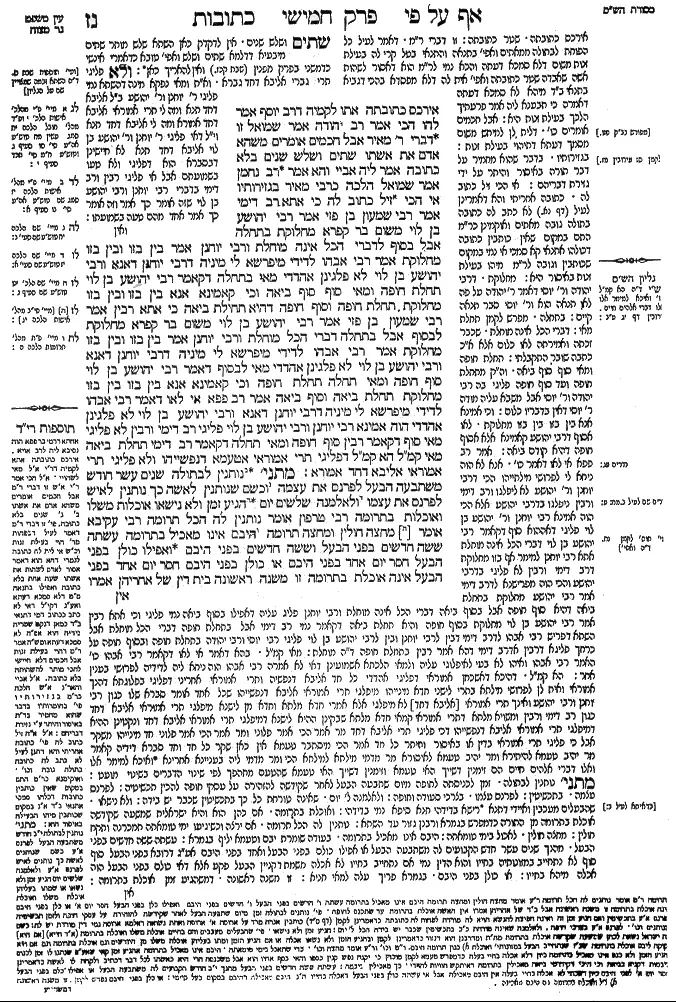
אירכס כתובתה אתו לקמיה דרב יוסף אמר להו הכי אמר רב יהודה אמר שמואל זו דברי ר' מאיר אבל חכמים אומרים משהא אדם את אשתו שתים ושלש שנים בלא כתובה אמר ליה אביי והא אמר רב נחמן אמר שמואל הלכה כרבי מאיר בגזירותיו אי הכי זיל כתוב לה כי אתא רב דימי אמר רבי שמעון בן פזי אמר רבי יהושע בן לוי משום בר קפרא מחלוקת בתחלה אבל בסוף לדברי הכל אינה מוחלת ורבי יוחנן אמר בין בזו ובין בזו מחלוקת אמר רבי אבהו לדידי מיפרשא לי מיניה דרבי יוחנן דאנא ורבי יהושע בן לוי לא פלגינן אהדדי מאי בתחלה דקאמר רבי יהושע בן לוי תחלת חופה ומאי סוף סוף ביאה וכי קאמינא אנא בין בזו ובין בזו מחלוקת תחלת חופה וסוף חופה דהיא תחילת ביאה כי אתא רבין אמר רבי שמעון בן פזי אמר רבי יהושע בן לוי משום בר קפרא מחלוקת לבסוף אבל בתחלה דברי הכל מוחלת ורבי יוחנן אמר בין בזו ובין בזו מחלוקת אמר רבי אבהו לדידי מיפרשא לי מיניה דרבי יוחנן דאנא ורבי יהושע בן לוי לא פלגינן אהדדי מאי לבסוף דאמר רבי יהושע בן לוי סוף חופה ומאי תחלה תחלת חופה וכי קאמינא אנא בין בזו בין בזו מחלוקת תחלת ביאה וסוף ביאה אמר רב פפא אי לאו דאמר רבי אבהו לדידי מיפרשא לי מיניה דרבי יוחנן דאנא ורבי יהושע בן לוי לא פלגינן אהדדי הוה אמינא רבי יוחנן ורבי יהושע בן לוי פליגי רב דימי ורבין לא פליגי מאי סוף דקאמר רבין סוף חופה ומאי תחלה דקאמר רב דימי תחלת ביאה מאי קמ"ל הא קמ"ל דפליגי תרי אמוראי אטעמא דנפשייהו ולא פליגי תרי אמוראי אליבא דחד אמורא:
מתני׳ נותנין לבתולה שנים עשר חודש משתבעה הבעל לפרנס את עצמה וכשם שנותנין לאשה כך נותנין לאיש לפרנס את עצמו ולאלמנה שלשים יום הגיע זמן ולא נישאו אוכלות משלו ואוכלות בתרומה רבי טרפון אומר נותנין לה הכל תרומה רבי עקיבא אומר מחצה חולין ומחצה תרומה היבם אינו מאכיל בתרומה עשתה ששה חדשים בפני הבעל וששה חדשים בפני היבם ואפילו כולן בפני הבעל חסר יום אחד בפני היבם או כולן בפני היבם חסר יום אחד בפני הבעל אינה אוכלת בתרומה זו משנה ראשונה בית דין של אחריהן אמרו
Comments from Rashi on Masechet Ketubot Page 57a
אירכס כתובתה . שטר כתובתה: זו דברי ר"מ . דאמר לעיל כל הפוחת לבתולה ממאתים ואפי' בתנאה והתנאי בטל קרי לה בעילת זנות משום דלא סמכא דעתה והכא נמי לר"מ הוא דאסור לשהות אשה שאבדה שטר כתובתה ואפי' אית לה דלא מפסדא בהכי דגביא בתנאי ב"ד מיהא לא סמכא דעתה דאמרה כי תבענא ליה אמר פרעתיך הלכך בעילת זנות היא: אבל חכמים אומרים כו' . דלית לן למיחש משום מסמך דעתא דתיהוי בעילת זנות: בגזירותיו . בדבר שהוא מחמיר על דבר תורה באיסור והיתר על ידי גזירת דבריהם: אי הכי זיל כתוב לה . כתובה אחריתי והא דאמרינן לעיל (כתובות דף נא.) לא כתב לה כתובה בתולה גובה מאתים ואוקמינן כר"מ התם במקום שאין כותבין כתובה דכולהו אתנאי קא סמכי אי נמי במקום שכותבין וגובה לר"מ מיהו בעילת זנות באיסור היא: מחלוקת . דרבי יהודה ור' יוסי דאמר ר' יהודה על פה לאו תנאה הוא ור' יוסי סבר תנאה קיים: בתחלה . מפרש לקמן תחלת מאי: דברי הכל אינה מוחלת . שכבר זכתה ואמירתה לאו כלום אלא א"כ כתבה שובר התקבלתי: תחלת חופה ומאי סוף סוף ביאה . וה"ק מתחלת חופה ועד סוף חופה פליגי בה רבי יהודה ור' יוסי אבל משבא עליה מודה ר' יוסי דאין בדבריו כלום: וכי אמינא אנא בין בזו בין בזו מחלוקת . לאו אסוף דרבי יהושע קאמינא אלא אסוף חופה דהיא קודם ביאה: אמר רב פפא אי לאו דאמר כו' . אנא לא הוה ניחא לי לפרושי מילתייהו הכי דרבי יוחנן ור' יהושע לא ליפלגו ורב דימי ורבין ניפלגו בדרבי יהושע אלא הכי הוה אמינא רבי יוחנן ור' יהושע בן לוי פליגי דאההוא סוף דקאמר רבי יהושע בן לוי דברי הכל אינה מוחלת אתא רבי יוחנן למימר אף בזו מחלוקת דרב דימי ורבין לא פליגי בדרבי יהושע והכי הוה מפרישנא לדרב דימי אמר רבי יהושע מחלוקת בתחלת ביאה דהיא סוף חופה אבל בסוף ביאה דברי הכל אינה מוחלת ורבי יוחנן פליג עליה דאפילו בסוף ביאה נמי פליגי וכי אתא רבין אמר רבי יהושע בן לוי מחלוקת בסוף חופה והיא תחלת ביאה דקאמר נמי רב דימי אבל בתחלת חופה דברי הכל מוחלת אבל השתא דפריש רבי אבהו לדרב דימי דבין לרבי יוחנן ובין לרבי יהושע בן לוי פליגי רבי יוסי ורבי יהודה בתחלת חופה ובסוף חופה על כרחך פליגא דרבין אדרב דימי דהא אמר רבין בתחלת חופה ד"ה מוחלת: מאי קמ"ל . בהא דאמר אי לאו דקאמר רבי אבהו כו' האמר רבי אבהו ואיהו לא בעי לאיפלוגי עליה ולמאי הלכתא אשמועינן דאי לא אמרה רבי אבהו הוה ניחא ליה לדידיה לפרושי בענין אחר: הא קמ"ל . דהיכא דאשכחן אמוראי דפליגי אהדדי כל חד אליבא דנפשיה ותרי אמוראי אחריני דפליגי בפלוגתא דהנך אמוראי ואית לן לפרושי מילתא בתרי לישני חדא מינייהו מיפלגי תרי אמוראי אליבא דנפשייהו שכל אחד אומר סברא שלו כגון רבי יוחנן ורבי יהושע ואינך תרי אמוראי [אליבא דחד] לא מיפלגי אלא אמרי חדא מלתא וחדא מן לישנא מיפלגי תרי אמוראי אליבא דחד כגון רב דימי ורבין ומשויא מלתא דתרי אמוראי קמאי חדא מלתא שבקינן ההיא לישנא דמיפלגי תרי אמוראי אליבא דחד ונקטינן ההיא דמיפלגי תרי אמוראי אליבא דנפשייהו דכי פליגי תרי אליבא דחד מר אמר הכי אמר פלוני ומר אמר הכי אמר פלוני חד מינייהו משקר אבל כי פליגי תרי אמוראי בדין או באיסור והיתר כל חד אמר הכי מיסתבר טעמא אין כאן שקר כל חד וחד סברא דידיה קאמר מר יהיב טעמא להיתירא ומר יהיב טעמא לאיסורא מר מדמי מילתא למילתא הכי ומר מדמי ליה בעניינא אחרינא ואיכא למימר אלו ואלו דברי אלהים חיים הם זימנין דשייך האי טעמא וזימנין דשייך האי טעמא שהטעם מתהפך לפי שינוי הדברים בשינוי מועט: מתני' נותנין לבתולה . זמן לכניסתה לחופה מיום שתבעה הבעל לאחר שקידשה להזהירה על עסקי חופה להכין תכשיטיה: לפרנס עצמה . בתכשיטין: לפרנס עצמו . בצרכי סעודה וחופה: ולאלמנה ל' יום . שאינה טורחת כל כך בתכשיטין שכבר יש בידה: ולא נישאו . שהבעלים מעכבין ואיידי דתנא רישא בדידהי תנא סיפא נמי בדידהי: ואוכלת בתרומה . אם כהן הוא והיא ישראלית שמשעה שקידשה אוכלת בתרומה מן התורה כדמפרש בגמרא ורבנן גזור עד השתא: נותנין לה הכל תרומה . אם ירצה וכשיגיעו ימי טומאתה תמכרנה ותקח חולין: מחצה חולין . לאכול בימי טומאתה: היבם אינו מאכיל בתרומה . בעודה שומרת יבם וטעמא יליף בגמרא: עשתה ששה חדשים בפני הבעל . מהנך שנים עשר חדש הקבועים לה משתבעה הבעל או אפילו כולם בפני הבעל ואחד בפני היבם אע"ג דרובא בפני הבעל סוף סוף לא נתחייב במזונותיה בחייו והוא הדין נמי אם נתחייב בחייו לא אכלה משמת דקניין הבעל פקע אלא דאי כולם בפני הבעל הוה אכלה מיהא בחייו: או כולן בפני היבם . בגמרא פריך עלה למאי תניא: זו משנה ראשונה . דמשהגיע זמן אוכלת בתרומה:
Comments from Tosafot - Ketubot 57a
שתים ושלש שנים . אין לדקדק כאן השתא שלש מותר שתים מיבעיא דדלמא שתים ושלש ואפי' טובא כדאמרי אינשי כדמשני בפרק מפנין (שבת קכז.) ואין להאריך כאן: ולא פליגי תרי גברי אליבא דחד גברא . וא"ת ומאי נפקא מינה דהשתא נמי פליגי ר' יוחנן ור' יהושע ב"ל אליבא דחד תנא ומה לי תרי אמוראי אליבא דחד אמורא ומה לי אליבא דחד תנא וי"ל דאי פליגי ר' יוחנן ור' יהושע בן לוי אליבא דחד תנא לא חיישינן דבסברא הוא דפליגי ולא טעו בשמועתם אבל אי פליגי רבין ורב דימי בדברי רבי יוחנן ורבי יהושע בן לוי שזה אומר כך אמר וזה אומר כך אמר אחד מהם טעה בשמועתו: ואפילו כולן בפני הבעל חוץ מיום אחד אינה אוכלת . פירש בקונטרס דהוא הדין אפילו כולם בפני הבעל לא אכלה משמת דקנין כספו פקע ליה אלא דאי כולן בפני הבעל הוה אכלה מיהא בחייו ולר"ת נראה דהך דרשא דדריש בגמרא קנין כספו אמר רחמנא והאי קנין דאחיו הוא אסמכתא בעלמא הוא דמדאורייתא מיכל אכלה ולפי משנה ראשונה היכא דאכלה בחיי הבעל אוכלת נמי בזיקת היבם מדקתני ואפי' כולם בפני הבעל חוץ מיום אחד משמע הא כולן בפני הבעל אוכלת ועוד דתנן בפרקין בסדר משנת ירושלמית הגיע זמן ולא נשאו או שמתו בעליהן אוכלות משלו ואוכלות בתרומה משמע כשמתו בעליהן שהיבם מאכילן בלא ביאה דומיא דהגעת זמן דמיירי בלא נשאו דאי אחר ביאה פשיטא דאשתו גמורה היא ועוד מביא ראיה מדתניא בתוספתא זו משנה ראשונה רבותינו אמרו אין האשה אוכלת בתרומה עד שתכנס לחופה ולא היבמה עד שתיבעל והיינו טעמא דמשנה ראשונה דכשלא אכלה בחיי הבעל אינה אוכלת דהא איכא למיחש לסימפון ולשמא תשקה דהא כיון דלא הגיע זמן בחיי הבעל לא בדק לה דאינו חייב במזונותיה אלא א"כ עמד בדין וברח כדאמרינן בהחולץ (יבמות דף מא:) ולא מייחד לה דוכתא וטעמא משום שאין דרך לאחר אלא מיד הוא רגיל או לחלוץ או לייבם לכך לא תקנו לה מזונות מיבם כמו שתקנו מזונות בהגעת זמן דבעל אבל כשאכלה בחיי הבעל תו ליכא למיחש לסימפון ולשמא תשקה נמי ליכא למיחש דכיון דהגיע זמן מייחד לה דוכתא בבית אביה מסתמא אוכלת שם בכל שעה ואינה זזה ממקומה וא"ת ומאחר דמדאורייתא אכלה כשנפלה מן הנשואין למה אסורה למשנה אחרונה עד שתיבעל הא ליכא למיחש לסימפון שכבר נבדקה בדיקת פנים ויש לומר דמאחר שאסרו ארוסה שהגיע זמנה אסרו נמי ביבמה משום דמיחלפא בה ששתיהן זמן כניסתן לאלתר אבל ק"ק אי חשיבא יבמה קנין כספו דיבם הא דקאמר ביבמות בפרק אלמנה (דף סז: ושם) גבי הא דתנן היבם פוסל ואינו מאכיל אי בת כהן לישראל היא פסיל לה ושבה אל בית אביה כו' ה"ל למימר דהא קנייה כדקאמר התם גבי אירוסין ויש לומר דושבה אל בית אביה אתא למיפסל בת כהן לישראל למידק הא מעיקרא לא אכלה כדאמר התם (דף סח.) א"כ לא אייתר לשומרת יבם אלא הכי קאמר ושבה כתיב כלומר דווקא אותה ששבה אל בית אביה אבל זאת שזקוקה ליבם אינה שבה שהרי חשובה כאילו קנויה לו:
Ketubot 57a - Mishnah translated into english
Her marriage contract was lost, and the woman and her husband came before Rav Yosef to ask what they should do. He said to them: This is what Rav Yehuda said that Shmuel said: That ruling, that if someone reduces his wife’s marriage contract by even a small amount, their marriage amounts to licentious sexual intercourse, is the statement of Rabbi Meir. According to that opinion, the husband and wife were forbidden to each other because she was not in possession of a valid marriage contract.
But the Rabbis say: Since the woman relies on the fact that she will eventually collect payment for her marriage contract, a man may maintain his wife for as long as two or three years without a written marriage contract. There is no urgent need to write a new one, since the husband’s obligation remains intact. Abaye said to him: But didn’t Rav Naḥman say that Shmuel said that the halakha is in accordance with the opinion of Rabbi Meir with regard to all of his decrees? Since Rabbi Meir’s statement about marriage contracts was a form of decree, the halakha should be in accordance with his opinion. Rav Yosef responded: If so, go and write her a new marriage contract.
§ The Gemara relates that when Rav Dimi came from Eretz Yisrael to Babylonia, he said that Rabbi Shimon ben Pazi said that Rabbi Yehoshua ben Levi said in the name of bar Kappara: This dispute between Rabbi Yehuda and Rabbi Yosei concerning whether one may make a verbal stipulation with a woman to reduce her marriage contract is referring only to the beginning of the process. But with regard to the end, all agree that she cannot waive her rights by verbal confirmation alone, and she must instead write a receipt. And Rabbi Yoḥanan said: Both in this case and in that case there is a dispute. Rabbi Abbahu said: This was explained to me personally by Rabbi Yoḥanan himself, who said: Rabbi Yehoshua ben Levi and I do not actually disagree with one another. We merely used different language to express the same halakha.
What is the meaning of the term: To the beginning, which Rabbi Yehoshua ben Levi said? It is referring to the beginning of the wedding ceremony. And what is meant by the end? It is referring to the end of intercourse; Rabbi Yehoshua ben Levi’s opinion is that after the marriage has been consummated, Rabbi Yehuda and Rabbi Yosei agree that the wife cannot relinquish her rights verbally. And when I said that both in this case and in that case there is a dispute, I was referring to the beginning of the wedding ceremony and the end of the wedding ceremony, which is also the beginning of the time designated for intercourse. Consequently, according to Rav Dimi, Rabbi Yehoshua ben Levi and Rabbi Yoḥanan agree that the dispute between Rabbi Yehuda and Rabbi Yosei applies only until the consummation of the marriage. After that point, all agree that she cannot waive her rights verbally.
When Ravin came from Eretz Yisrael, he reported this matter differently than Rav Dimi did: Rabbi Shimon ben Pazi said that Rabbi Yehoshua ben Levi said in the name of bar Kappara: This dispute is referring only to the end of the process, but with regard to the beginning, all agree that she can waive her rights verbally. And Rabbi Yoḥanan said: Both in this case and in that case there is a dispute. Rabbi Abbahu said: This was explained to me personally by Rabbi Yoḥanan himself, who said: I and Rabbi Yehoshua ben Levi do not disagree with one another. What is the meaning of: The end, which Rabbi Yehoshua ben Levi said? The end of the wedding ceremony. And what is the meaning of the beginning? The beginning of the wedding ceremony. And when I said that both in this case and in that case there is a dispute, I was referring to the beginning of intercourse and the end of intercourse.
Consequently, according to Ravin, Rabbi Yehoshua ben Levi and Rabbi Yoḥanan agree that at the time of the wedding ceremony the wife can verbally waive her rights, and the dispute of the tanna’im is referring to the time after the ceremony, which is also the beginning of the time for consummation of the marriage. Rav Pappa said: Had Rabbi Abbahu not said: This was explained to me personally by Rabbi Yoḥanan himself, that I, i.e. Rabbi Yoḥanan, and Rabbi Yehoshua ben Levi do not disagree with one another, I, i.e., Rav Pappa, would have said that the way to understand the various texts is that Rabbi Yoḥanan and Rabbi Yehoshua ben Levi do disagree with one another, whereas Rav Dimi and Ravin do not disagree with one another, but rather they both cited the same tradition from Eretz Yisrael.
I would have explained it in the following manner: What is the meaning of the word end, which Ravin said? It is referring to the end of the wedding ceremony. And what is the meaning of the word beginning, which Rav Dimi said? It is referring to the beginning of the time designated for intercourse, which begins at the end of the wedding ceremony. It would then follow that Rabbi Yehoshua ben Levi and Rabbi Yoḥanan disagreed about the explanation of the dispute between Rabbi Yehuda and Rabbi Yosei, whereas Rav Dimi and Ravin both said the same thing.
What is Rav Pappa teaching us? Since he accepts Rabbi Abbahu’s statement, he acknowledges that his alternate way of reading the sources is not correct. What, then, is the point of telling us that he would have explained Rabbi Yehoshua ben Levi’s and Rabbi Yoḥanan’s words differently?
The Gemara explains: It teaches us this: If we were discussing the meaning of an amoraic dispute about which we have different traditions, it is better to explain that two amora’im disagree with regard to their own reasons and not that two amora’im disagree according to the opinion of another amora, as it is more plausible to say that there is a dispute about logical reasoning than that there is a dispute about the correct transmission of a halakhic tradition. Consequently, had Rabbi Abbahu not declared that he was told otherwise by Rabbi Yoḥanan, it would have been preferable to explain that there is a logical dispute between Rabbi Yehoshua ben Levi and Rabbi Yoḥanan, rather than saying that the dispute is about the details of the tradition received by Rav Dimi and Ravin.
MISHNA: One gives a virgin twelve months from the time the husband asked to marry her after having betrothed her, in order to prepare herself with clothes and jewelry for the marriage. And just as one gives a woman this amount of time, so too does one give a man an equivalent period of time to prepare himself, as he too needs time to prepare for the marriage. However, in the case of a widow, who already has items available from her previous marriage, she is given only thirty days to prepare. If the appointed time for the wedding arrived and they did not get married due to some delay on the part of the husband, then the woman may partake of his food. And if her husband is a priest, she may partake of teruma, even if she is an Israelite woman.
The tanna’im disagree about the permission granted to a priest to sustain his betrothed with teruma before she is married to him. Rabbi Tarfon says: He may give her all of her required sustenance from teruma. During her periods of impurity, e.g., menstruation, when she cannot partake of teruma, she may sell the teruma to a priest and use the proceeds to buy non-sacred food. Rabbi Akiva says: He must give her half of her needs from non-sacred food and half may be from teruma, so that she can eat from the non-sacred food when she is ritually impure.
The mishna continues: A priest who is a yavam, i.e., his brother died childless after betrothing a woman, does not enable his yevama to partake of teruma by virtue of her relationship with him. If she had completed six months of the twelve-month wait for marriage under the aegis of the husband, and then he died, and she waited six more months under the aegis of the yavam; or even if she completed all of the necessary time under the aegis of the husband except for one day that she was under the aegis of the yavam; or if she completed all of the necessary time under the aegis of the yavam except for one day that she was under the aegis of the husband, she still may not partake of teruma.
This set of rulings, concerning the permission granted a betrothed woman whose wedding date has arrived to partake of teruma, is in accordance with the initial version of the mishna. However, a court that convened after them, in a later generation, said:
Traduction : The William Davidson digital edition of the Koren Noé Talmud, with commentary by Rabbi Adin Even-Israel Steinsaltz.