 Talmud Bavli
The learning on the whole site is dedicated : L'ilui Nishmat Reuven ben Rivka SEBBAG
The learning on the whole site is dedicated : L'ilui Nishmat Yechayahou ben Moche
The learning on the whole site is dedicated : L'ilui Nishmat אליעזר בן רחל
Ketubot 25a : Youtube
Daf TubeYoutube
1 video class :
Ketubot Page 25a
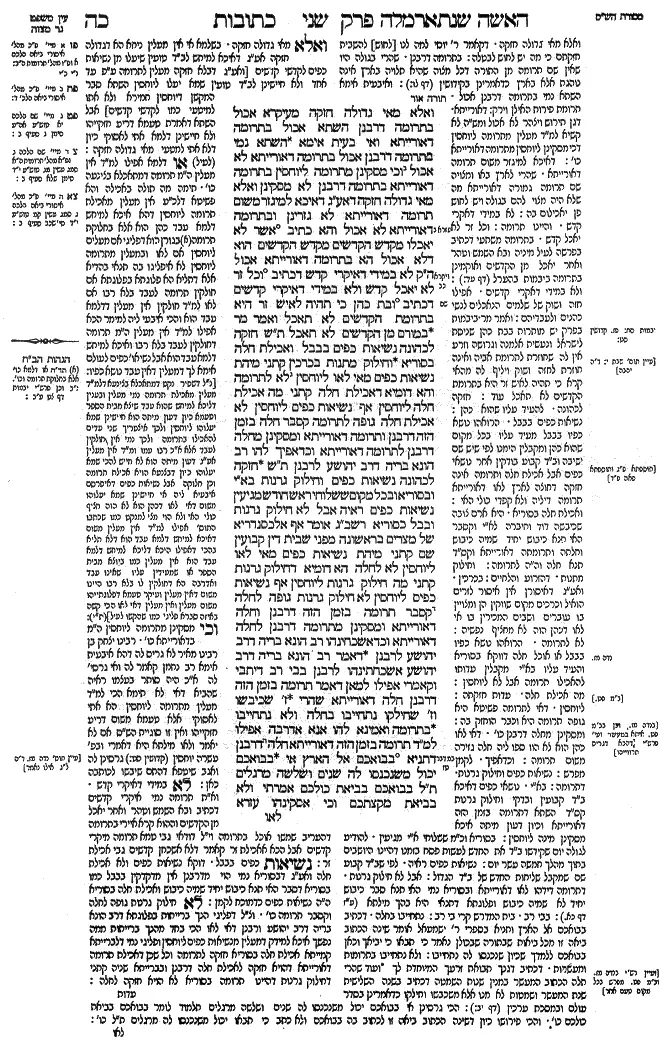
Ketubot 25a - Guemara
ואלא מאי גדולה חזקה מעיקרא אכול בתרומה דרבנן השתא אכול בתרומה דאורייתא ואי בעית אימא השתא נמי בתרומה דרבנן אכול בתרומה דאורייתא לא אכול וכי מסקינן מתרומה ליוחסין בתרומה דאורייתא בתרומה דרבנן לא מסקינן ואלא מאי גדולה חזקה דאע"ג דאיכא למיגזר משום תרומה דאורייתא לא גזרינן ובתרומה דאורייתא לא אכול והא כתיב (עזרא ב, סג) אשר לא יאכלו מקדש הקדשים מקדש הקדשים הוא דלא אכול הא בתרומה דאורייתא אכול ה"ק לא במידי דאיקרי קדש דכתיב (ויקרא כב, י) וכל זר לא יאכל קדש ולא במידי דאיקרי קדשים דכתיב (ויקרא כב, יב) ובת כהן כי תהיה לאיש זר היא בתרומת הקדשים לא תאכל ואמר מר במורם מן הקדשים לא תאכל ת"ש חזקה לכהונה נשיאות כפים בבבל ואכילת חלה בסוריא וחילוק מתנות בכרכין קתני מיהת נשיאות כפים מאי לאו ליוחסין לא לתרומה והא דומיא דאכילת חלה קתני מה אכילת חלה ליוחסין אף נשיאות כפים ליוחסין לא אכילת חלה גופה לתרומה קסבר חלה בזמן הזה דרבנן ותרומה דאורייתא ומסקינן מחלה דרבנן לתרומה דאורייתא וכדאפיך להו רב הונא בריה דרב יהושע לרבנן ת"ש חזקה לכהונה נשיאות כפים וחילוק גרנות בא"י ובסוריא ובכל מקום ששלוחי ראש חודש מגיעין נשיאות כפים ראיה אבל לא חילוק גרנות ובבל כסוריא רשב"ג אומר אף אלכסנדריא של מצרים בראשונה מפני שבית דין קבועין שם קתני מיהת נשיאות כפים מאי לאו ליוחסין לא לחלה הא דומיא דחילוק גרנות קתני מה חילוק גרנות ליוחסין אף נשיאות כפים ליוחסין לא חילוק גרנות גופה לחלה קסבר תרומה בזמן הזה דרבנן וחלה דאורייתא ומסקינן מתרומה דרבנן לחלה דאורייתא וכדאשכחינהו רב הונא בריה דרב יהושע לרבנן דאמר רב הונא בריה דרב יהושע אשכחתינהו לרבנן בבי רב דיתבי וקאמרי אפילו למאן דאמר תרומה בזמן הזה דרבנן חלה דאורייתא שהרי ז' שכיבשו וז' שחילקו נתחייבו בחלה ולא נתחייבו בתרומה ואמינא להו אנא אדרבה אפילו למ"ד תרומה בזמן הזה דאורייתא חלה דרבנן דתניא (במדבר טו, יח) בבואכם אל הארץ אי בבואכם יכול משנכנסו לה שנים ושלשה מרגלים ת"ל בבואכם בביאת כולכם אמרתי ולא בביאת מקצתכם וכי אסקינהו עזרא
Comments from Rashi on Masechet Ketubot Page 25a
ואלא מאי גדולה חזקה . דקאמר ר' יוסי למה לנו [לחוש] להשבית חזקתם כי מה יש לחוש לבטלה: בתרומה דרבנן . שהרי בגולה היו שאין שם תרומה מן התורה דכל מצוה שהיא תלויה בארץ אינה נוהגת אלא בארץ כדאמרינן בקידושין (דף לו:): ואיבעית אימא השתא נמי בתרומה דרבנן אכול . תרומת פירות האילן וירק: דאורייתא . דגן תירוש ויצהר לא אכול ומש"ה לא קשיא למ"ד מעלין מתרומה ליוחסין דכי מסקינן ליוחסין מתרומה דאורייתא כו': דאיכא למיגזר משום תרומה דאורייתא . שהרי לארץ באו ומצויה שם תרומה גמורה דאורייתא מה שלא היה מצוי להם בגולה ויש לחוש פן יאכילום בה: לא במידי דאקרי קדש . והיינו תרומה: וכל זר לא יאכל קדש . בתרומה משתעי דכתיב בפרשה לעיל מיניה ובא השמש וטהר ואחר יאכל מן הקדשים ואוקמינן בתרומה ביבמות בהערל (דף עד:): ולא במידי דאקרי קדשים . אפילו חזה ושוק של שלמים הנאכלים לנשי כהנים ולעבדיהם: ואמר מר . ביבמות בפרק יש מותרות בבת כהן שניסת לישראל ונעשית אלמנה וגרושה וזרע אין לה שחוזרת לתרומת אביה ואינה חוזרת לחזה ושוק ויליף לה מהאי קרא כי תהיה לאיש זר היא בתרומת הקדשים לא תאכל עוד: חזקה לכהונה . להעיד עליו שהוא כהן: נשיאות כפים בבבל . הרואהו נושא כפיו בבבל מעיד עליו בכל מקום שהוא כהן ומקבלין הימנו לפי שיש שם ישיבה וב"ד קבוע בודקין אחר נושאי כפים אבל אכילת חלה ותרומה אינה חזקה דחוצה לארץ לאו דאורייתא תרומה דיליה ולא קפדי כולי האי: ואכילת חלה בסוריא . היא ארם צובה שכיבשה דוד וחיברה לא"י וקסבר האי תנא כיבוש יחיד שמיה כיבוש וחלתה ותרומתה דאורייתא וקס"ד תנא חלה וה"ה לתרומה: וחילוק מתנות . דהזרוע והלחיים: בכרכין . ואע"ג דאיסורן אין איסור לזרים הואיל וכרכים מקום שווקין הן ומצויין בו עוברים ושבים המכירין בו אי לאו דכהן הוה לא מחציף נפשיה: לא לתרומה . הרואהו נושא כפיו בבבל או אוכל חלה דווקא בסוריא והעיד עליו בא"י מקבלין עדותו להאכילו תרומה אבל לא ליוחסין: מה אכילת חלה . עדות חזקתה: ליוחסין . דאי לתרומה פשיטא היא גופה תרומה היא וכבר הוחזק בה: ומסקינן מחלה דרבנן כו' . דאי לאו כהן הוא לא הוו ספו ליה חלה גזירה משום תרומה: וכדאפיך . לקמן מפרש: נשיאות כפים וחילוק גרנות . דתרומה: בא"י . נושאי כפים דאיכא ב"ד קבועין ובדקי וחילוק גרנות קס"ד השתא דתרומה בזמן הזה דאורייתא וכיון דעון מיתה איכא מסקינן מינה ליוחסין: בסוריא וכ"מ ששלוחי א"י מגיעין . להודיע לגולה יום שקידשו ב"ד את החדש לעשות פסח בזמנו דהיינו היושבים בתוך מהלך חמשה עשר יום: נשיאות כפים ראיה . לפי שב"ד קבוע שם שמקבל שליחות החדש של ב"ד הגדול: אבל לא חילוק גרנות . דתרומה דידהו לאו דאורייתא ובסוריא נמי האי תנא סבר כיבוש יחיד לא שמיה כיבוש ופלוגתא דתנאי היא בהך מילתא (ע"ז דף כא.): ללויה . לתת לו מעשר ראשון: בבי רב . בית המדרש קרי בי רב: בבי רב . בית המדרש קרי בי רב: נתחייבו בחלה . דכתיב בבואכם אל הארץ ותניא בספרי ר' ישמעאל אומר שינה הכתוב ביאה זו מכל ביאות שבתורה שבכולן נאמר כי תבאו כי יביאך וכאן בבואכם ללמדך שכיון שנכנסו לה נתחייבו: ולא נתחייבו בתרומות ומעשרות . דכתיב דגנך תבואת זרעך המיוחדת לך ועוד שהרי תלה הכתוב המעשר במנין שנות השמטה דכתיב בשנה השלישית שנת המעשר ושמטות לא מנו אלא משכבשו וחילקו כדאמרינן בסדר עולם ובמסכת ערכין (דף יב:): הכי גרסינן אי בבואכם יכול משנכנסו לה שנים ושלשה מרגלים תלמוד לומר בבואכם בביאת כולכם כו' . והכי פירושו כיון דשינה הכתוב ביאה זו לכתוב בה בבואכם ולא כתב כי תבאו יכול משנכנסו לה מרגלים ת"ל כו': הכי גרסינן אי בבואכם יכול משנכנסו לה שנים ושלשה מרגלים תלמוד לומר בבואכם בביאת כולכם כו' . והכי פירושו כיון דשינה הכתוב ביאה זו לכתוב בה בבואכם ולא כתב כי תבאו יכול משנכנסו לה מרגלים ת"ל כו':
Comments from Tosafot - Ketubot 25a
ואלא מאי גדולה חזקה . בשלמא אי אין מעלין ניחא הא דגדולה חזקה אע"ג דאיכא למיחש לב"ד טועין שיעלו מן נשיאות כפים לקדשי קדשים [ואע"ג דבלא חזקה מעלין לתרומה ע"פ עד אחד ולא חיישינן לב"ד טועין שמא יעלו ליוחסין השתא סבר המקשן דיוחסין חמירא ולא אתו למיטעי כמו לקדשי קדשים] אבל השתא דאמרת טעמא דריע חזקייהו ולא חיישינן דלמא אתי לאסוקי כיון דלא אתי למטעי מאי גדולה חזקה: וכי מסקינן מתרומה ליוחסין ה"מ בדאורייתא כו' . רבינו יצחק בן רבינו מאיר לא גריס לה דהא איבעית אימא רב נחמן קאמר לה ואי גרסי' לה א"כ היה סותר בעצמו ראיה שהביא דאי לא תימא הכי למ"ד מעלין מתרומה ליוחסין הא אתי לאסוקי אלא טעמא משום דריע חזקייהו ואין זו סוגיית הש"ס אם לא יאמר ולאו מילתא היא דאמרי ובפ' עשרה יוחסין (קדושין סט:) גרסינן לה ואגב שיטפא דהתם שיבשו לכותבה כאן: לא במידי דאיקרי קדש . וא"ת תרומה נמי איקרי קדשים דכתיב ובא השמש וטהר ואחר יאכל מן הקדשים וההוא קרא איירי בתרומה דהעריב שמשו אוכל בתרומה וי"ל דודאי גבי טמא תרומה מיקרי קדשים אבל הכא אאכילת זר קאמר דלא אשכחן קדשים גבי אכילת זר: נשיאות כפים בבבל . דוקא נשיאות כפים ולא אכילת חלה ואע"ג דבסוריא נמי הוי מדרבנן אין מדקדקין בבבל כמו בסוריא דסבר האי תנא כיבוש יחיד שמיה כיבוש ואכילת חלה בסוריא ה"ה נשיאות כפים כדמוכח לקמן: לא חילוק גרנות גופה לחלה וקסבר תרומה כו'. וצ"ל דפליגי הנך ברייתות בפלוגתא דרב הונא בריה דרב יהושע ורבנן דאי לאו הכי בחד מהנך ברייתות ממה נפשך איכא למידק דמעלין מנשיאות כפים ליוחסין ופליגי נמי דלברייתא קמייתא אכילת חלה בסוריא חזקה לתרומה וכל שכן דאכילת תרומה דאורייתא דהויא חזקה לאכילת חלה דרבנן ובברייתא שניה קתני דחילוק גרנות דהיינו תרומה בסוריא לא הויא חזקה לחלה: לא חילוק גרנות גופה לחלה וקסבר תרומה כו' . וצ"ל דפליגי הנך ברייתות בפלוגתא דרב הונא בריה דרב יהושע ורבנן דאי לאו הכי בחד מהנך ברייתות ממה נפשך איכא למידק דמעלין מנשיאות כפים ליוחסין ופליגי נמי דלברייתא קמייתא אכילת חלה בסוריא חזקה לתרומה וכל שכן דאכילת תרומה דאורייתא דהויא חזקה לאכילת חלה דרבנן ובברייתא שניה קתני דחילוק גרנות דהיינו תרומה בסוריא לא הויא חזקה לחלה:
Ketubot 25a - Mishnah translated into english
The Gemara asks: And what, then, is the meaning of: Great is the legal authority of presumptive status? This is a standard case of presumptive status, as the practice of the priests remained as it was. There is nothing novel in the application of the principle of presumptive status in this case. The Gemara answers: Initially, in the Babylonian exile, they would partake of teruma taken from produce obligated by rabbinic law. Now, upon their return to Eretz Yisrael, they partake of teruma taken from produce obligated by Torah law: Grain, wine, and oil, based on their presumptive status.
And if you wish, say instead: Now too, upon their return to Eretz Yisrael, they partake of teruma taken from produce obligated by rabbinic law. However, of teruma taken from produce obligated by Torah law they may not partake. And when we elevate from teruma to lineage, this is only with regard to one who partakes of teruma by Torah law. However, in the case of one who partakes of teruma by rabbinic law, we do not elevate him to priestly lineage. The Gemara asks: And what, then, is the meaning of: Great is the legal authority of presumptive status? The Gemara answers: It means that although there is reason to issue a decree in Eretz Yisrael prohibiting consumption of teruma by rabbinic law, due to teruma that is forbidden by Torah law, we do not issue that decree because: Great is the legal authority of presumptive status.
The Gemara asks: And did they in fact not partake of teruma by Torah law? But isn’t it written: “That they should not partake of the most sacred items [kodesh hakodashim]” (Ezra 2:63), from which it may be inferred: It is of the most sacred items, i.e., offerings, that they did not partake; of teruma by Torah law, they did partake.
The Gemara answers that this is what the verse is saying: Neither did they partake of items called kodesh, as it is written: “And no common man may eat of kodesh” (Leviticus 22:10), referring to teruma, nor did they partake of items called kodashim, as it is written: “And if a priest’s daughter be married to a common man, she shall not eat of terumat hakodashim” (Leviticus 22:12). The Master said that this means: Of that which is set aside from the offerings [kodashim] to the priests, i.e., the loaves of the thanks-offering and the breast and the shoulder, they may not partake. According to neither explanation can any proof be cited from the baraita as to whether or not one elevates from teruma or from the Priestly Benediction to lineage.
The Gemara suggests: Come and hear proof from a baraita: Presumptive status for priesthood is established by the lifting of hands in Babylonia; by partaking of ḥalla in Syria; and by distributing priestly gifts, i.e., the foreleg, the jaw, and the maw, in the cities. In any event, the tanna teaches that the lifting of hands establishes the presumptive status of priesthood. The Gemara asks: What, does it not establish presumptive status for lineage? The Gemara answers: No, it establishes presumptive status for teruma.
The Gemara asks: But isn’t lifting of hands taught parallel to partaking of ḥalla? Just as with regard to partaking of ḥalla the tanna teaches that it establishes presumptive status for lineage, so too with regard to the lifting of hands the tanna teaches that it establishes presumptive status for lineage. The Gemara answers: No, partaking of ḥalla itself establishes presumptive status only for teruma and not for lineage. This tanna holds that today the obligation to separate ḥalla from dough is by rabbinic law and the obligation to separate teruma is by Torah law. The tanna teaches that we elevate from ḥalla, which is an obligation by rabbinic law, to teruma, which is by Torah law. And this explanation is in accordance with the opinion of Rav Huna, son of Rav Yehoshua, cited below, who reversed the opinion of the Rabbis and posited that ḥalla today is an obligation by rabbinic law.
The Gemara suggests: Come and hear proof from a baraita: Presumptive status for priesthood is established in Eretz Yisrael by the lifting of hands and distribution of teruma at the threshing floors. And in Syria and everyplace outside Eretz Yisrael that emissaries informing residents of the Diaspora of sanctification of the New Moon arrive, the lifting of hands constitutes proof of presumptive status for priesthood, as the court would investigate the lineage of everyone who recited the Priestly Benediction. But distribution of teruma at the threshing floors does not constitute proof of that status. Since there is no obligation of teruma by Torah law, the courts were not as resolute in examining the lineage of those to whom teruma was distributed.
And the status in Babylonia is like that in Syria, as there, too, there are permanent courts that examine the lineage of those reciting the Priestly Benediction. Rabban Shimon ben Gamliel says: Even Alexandria of Egypt initially had the same status as Syria, due to the fact that there was a permanent court there ensuring that the lifting of hands was performed only by a priest.
In any event, the tanna teaches that the lifting of hands establishes the presumptive status of priesthood. The Gemara asks: What, does it not establish presumptive status for lineage? The Gemara answers: No, the lifting of hands establishes presumptive status for ḥalla. The Gemara asks: But isn’t the halakha of lifting of hands taught parallel to the halakha of distribution of teruma at the threshing floors? Just as distribution of teruma at the threshing floors in Eretz Yisrael establishes presumptive status for lineage, so too, the lifting of hands establishes presumptive status for lineage. The Gemara answers: No, distribution of teruma at the threshing floors establishes presumptive status only for ḥalla but not for lineage. This tanna holds that today the obligation to separate teruma is by rabbinic law, and ḥalla is by Torah law. The tanna teaches that we elevate from teruma, which is an obligation by rabbinic law, to ḥalla, which is by Torah law.
And the dispute with regard to the legal status of teruma and ḥalla today is as in the incident where Rav Huna, son of Rav Yehoshua, found that this is the opinion of the Rabbis, as Rav Huna, son of Rav Yehoshua, said: I found the Sages in the study hall of Rav, who were sitting and saying: Even according to the one who said that teruma today is an obligation by rabbinic law, the obligation to separate ḥalla is by Torah law, as during the seven years that the Israelites conquered the land of Canaan led by Joshua and during the seven years that they divided the land, they were obligated in ḥalla but were not obligated in teruma. Today, too, although there is no obligation to take teruma in Eretz Yisrael by Torah law, the obligation to separate ḥalla is by Torah law.
And I said to them: On the contrary, even according to the one who said that teruma today is an obligation by Torah law, the obligation to separate ḥalla is by rabbinic law, as it is taught in a baraita with regard to the verse concerning ḥalla: “When you come into the land…from the first of your dough you should separate teruma” (Numbers 15:18–19). If the obligation is when you come, one might have thought that it took effect from the moment that two or three spies entered the land, therefore the verse states: “When you come,” from which it is derived that God is saying: I said that the obligation takes effect with the coming of all of you and not with the coming of some of you. Separating ḥalla is an obligation by Torah law only when the entire Jewish people comes to Eretz Yisrael, and when Ezra took them up to Eretz Yisrael at the beginning of the Second Temple period,
Traduction : The William Davidson digital edition of the Koren Noé Talmud, with commentary by Rabbi Adin Even-Israel Steinsaltz.