 Talmud Bavli
Ketubot 39a : Youtube
Daf TubeYoutube
1 video class :
Ketubot Page 39a
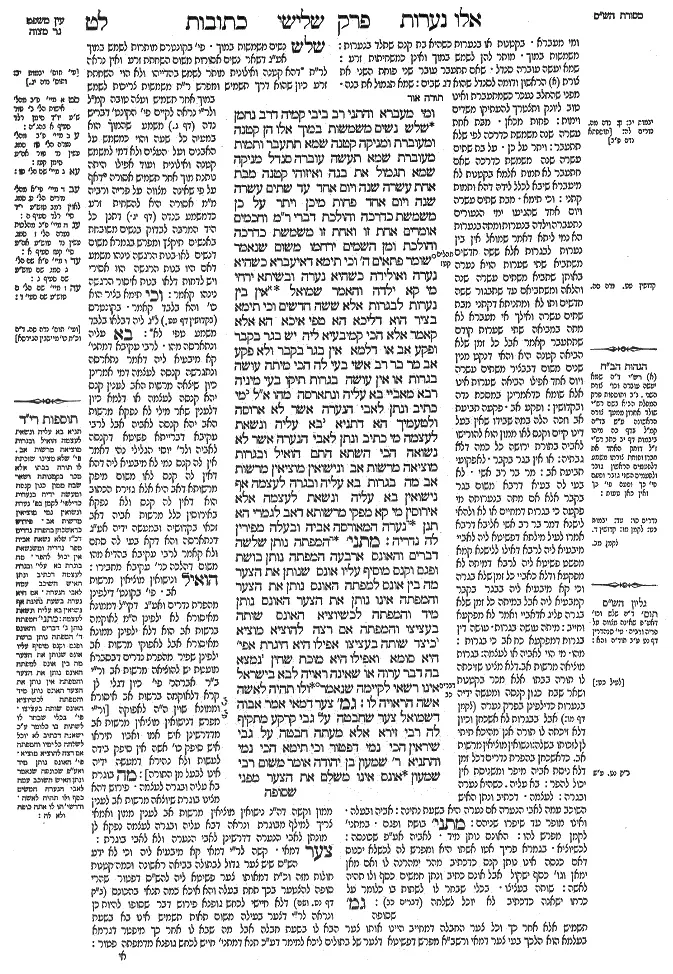
Ketubot 39a - Guemara
ומי מעברא והתני רב ביבי קמיה דרב נחמן שלש נשים משמשות במוך אלו הן קטנה ומעוברת ומניקה קטנה שמא תתעבר ותמות מעוברת שמא תעשה עוברה סנדל מניקה שמא תגמול את בנה ואיזוהי קטנה מבת אחת עשרה שנה ויום אחד עד שתים עשרה שנה ויום אחד פחות מיכן ויתר על כן משמשת כדרכה והולכת דברי ר"מ וחכמים אומרים אחת זו ואחת זו משמשת כדרכה והולכת ומן השמים ירחמו משום שנאמר (תהלים קטז, ו) שומר פתאים ה' וכי תימא דאיעברא כשהיא נערה ואולידה כשהיא נערה ובשיתא ירחי מי קא ילדה והאמר שמואל אין בין נערות לבגרות אלא ששה חדשים וכי תימא בציר הוא דליכא הא טפי איכא הא אלא קאמר אלא הכי קמיבעיא ליה יש בגר בקבר ופקע אב או דלמא אין בגר בקבר ולא פקע אב מר בר רב אשי בעי לה הכי מיתה עושה בגרות או אין עושה בגרות תיקו בעי מיניה רבא מאביי בא עליה ונתארסה מהו א"ל מי כתיב ונתן לאבי הנערה אשר לא ארוסה ולטעמיך הא דתניא בא עליה ונשאת לעצמה מי כתיב ונתן לאבי הנערה אשר לא נשואה הכי השתא התם הואיל ובגרות מוציאה מרשות אב ונישואין מוציאין מרשות אב מה בגרות בא עליה ובגרה לעצמה אף נישואין בא עליה ונשאת לעצמה אלא אירוסין מי קא מפקי מרשותא דאב לגמרי הא תנן נערה המאורסה אביה ובעלה מפירין לה נדריה:
מתני׳ המפתה נותן שלשה דברים והאונס ארבעה המפתה נותן בושת ופגם וקנס מוסיף עליו אונס שנותן את הצער מה בין אונס למפתה האונס נותן את הצער והמפתה אינו נותן את הצער האונס נותן מיד והמפתה לכשיוציא האונס שותה בעציצו והמפתה אם רצה להוציא מוציא כיצד שותה בעציצו אפילו היא חיגרת אפי' היא סומא ואפילו היא מוכת שחין נמצא בה דבר ערוה או שאינה ראויה לבא בישראל אינו רשאי לקיימה שנאמר (דברים כב, יט) ולו תהיה לאשה אשה הראויה לו:
גמ׳ צער דמאי אמר אבוה דשמואל צער שחבטה על גבי קרקע מתקיף לה רבי זירא אלא מעתה חבטה על גבי שיראין הכי נמי דפטור וכי תימא הכי נמי והתניא ר' שמעון בן יהודה אומר משום רבי שמעון אונס אינו משלם את הצער מפני
Comments from Rashi on Masechet Ketubot Page 39a
ומי מעברא . בקטנות או בנערות כשהיא בת קנס שתלד בנערות: משמשות במוך . מותר להן לשמש במוך ואינן כמשחיתות זרע: שמא יעשה עוברה סנדל . שאם תתעבר עובר שני פוחת השני את צורת הראשון ודומה לסנדל שהוא דג שבים: שמא תגמול את בנה . מפני שהחלב נעכר כשמתעברת ואינו טוב ליונק ותצטרך להעתיקו משדים וימות: פחות מכאן . מבת אחת עשרה שנה משמשת כדרכה לפי שלא תתעבר: ויתר על כן . על בת שתים עשרה שנה משמשת כדרכה שאם תתעבר לא תמות אלמא בקטנות לא מיעברא שיבא לכלל לידה דהא ותמות קתני: וכי תימא . מבת שתים עשרה ויום אחד שהגיעו ימי הנעורים נתעברה וילדה בנערות ומתה בנערות הא נמי ליתא דאמר שמואל אין בין נערות לבגרות אלא ששה חדשים משתביא שתי שערות הויא נערה באותן שתביא משתים עשרה שנה והלאה ומשתביאם עד שתבגור ששה חדשים ותו לא ומתניתא דקתני מבת שתים עשרה ואילך אי מעברא לא מתה במביאה שתי שערות קודם שתתעבר קאמר אבל כל זמן שלא הביאה קטנה היא והאי דנקט מנין שנים משום דבבציר משתים עשרה ויום אחד אפילו הביאה שערות אינו אלא שומא כדאמרינן במסכת נדה ובקדושין: ופקע אב . פקעה תביעת אב וזכה הלה במה שבידו שאין בעל דינו קיים וקנס לאו ממון הוא להורישו לאביה בתורת ירושה כל כמה דלא גבתיה: או אין בגר בקבר . לאפקועי תביעת אב: מר בר רב אשי . לא בעי לה בעיא דרבא משום בגר בקבר אלא אם מתה בנערותה מי פקעה כי בגרות דמחיים או לא ולהאי לישנא דמר בר רב אשי אליבא דרבא אמרו לעיל מילתא דפשיטא ליה לאביי מיבעיא ליה לרבא דאילו ללישנא קמא מפשט פשיטא ליה לרבא דמיתה לא מפקעא ודלא כאביי כל זמן שלא בגרה וכי קא מיבעיא ליה בבגר בקבר קמבעיא ליה אבל במיתה כל זמן שלא בגרה פליג אדאביי ואמר לא מפקעא וחייב: מיתה עושה בגרות . עושה דין בגרות דמפקעא כח אב כי בגרות: מהו . מי הוי לאביה או לעצמה: בגרות מוציאה מרשות אב . דלא מצינו שזיכתה לו תורה בבתו אלא מכר בקטנות ושאר שבח כגון קנסה ומעשה ידיה בנערות כדילפינן בפרק נערה (לקמן כתובות דף מו:) אבל בבגרות לא אשכחן וכיון דלא זיכתה לו תורה אנן מהיכא תיתי לן לזכותו בשלה: ונשואין מוציאין מרשות אב . כדאשכחן בהפרת נדרים דכל זמן דלא ניסת אביה מיפר ומשניסת אין יכול להפר: בא עליה . כשהיא נערה ובגרה: לעצמה . דכתיב ונתן האיש השוכב עמה לאבי הנערה אם נערה היא בשעת נתינה: אביה ובעלה . ואינו מופר עד שיפרו שניהם: מתני' בושת ופגם . במתני' לקמן [כתובות לט ע"ב] מפרש להו: האונס נותן מיד . לאביה אע"פ שכונסה: לכשיוציא . בגמרא פריך [ע"ב] אטו אשתו היא ומפרש לה לכשלא יכנוס דאם כנסה אינו נותן קנס כדכתיב מהר ימהרנה לו ואם מאן ימאן וגו' כסף ישקול אבל אונס כתיב ונתן חמשים כסף ולו תהיה לאשה: שותה בעציצו . בכלי שבחר לו לשתות בו כלומר על כרחו ישאנה כדכתיב לא יוכל לשלחה (דברים כב):
Comments from Tosafot - Ketubot 39a
שלש נשים משמשות במוך . פי' בקונטרס מותרות לשמש במוך אע"ג דשאר נשים אסורות משום השחתת זרע ואין נראה לר"ת דהא קטנה ואילונית מותר לשמש בהדייהו ולא הוי השחתת זרע כיון שהוא דרך תשמיש ומפרש ר"ת משמשות צריכות לשמש במוך אחר תשמיש ועצה טובה קמ"ל ולר"י נראה לקיים פי' הקונט' דבריש נדה (דף ג.) משמע שהמוך הוא במעיה כל שעה והוי כמשמש על האבנים ועל העצים ולא דמי למשמש קטנה ואילונית ועוד אפילו היתה נותנת מוך אחר תשמיש אסורה דאף על פי שאינה מצווה על פריה ורביה מ"מ אסורה היא להשחית זרע כדמשמע בנדה (דף יג.) דתנן כל היד המרבה לבדוק בנשים משובחת באנשים תיקצץ ומפרש בגמרא משום דנשים לאו בנות הרגשה נינהו משמע דאם היו בנות הרגשה הוו אסירי ויש לדחות דלאו בנות איסור הרגשה נינהו קאמר: וכי תימא בציר הוא כו' והא בלבד קאמר . בקונטרס (בקדושין דף עט.) ל"ג ליה דבלאו בלבד משמע טפי לא: בא עליה ונתארסה מהו . לרבי עקיבא דמתני' קא מיבעיא ליה דאמר נתארסה ונתגרשה קנסה לעצמה דמי אמרינן כיון שיצאה מרשות האב לענין קנס יהא קנסה לעצמה או דלמא כיון דלענין שאר מילי לא נפקא מרשות האב יהא קנסה לאביה אבל לרבי עקיבא דברייתא פשיטא דקנסה לאביה ולר' יוסי הגלילי נהי דאמר אין לה קנס נמי לא מיבעיא ליה דהא דאין לה קנס לאו משום מיפק מרשותא דאב היא אלא גזירת הכתוב הוא דאין לה קנס ולא נפקא באירוסין כלל מרשות אביה דאב זכאי בקדושיה ובמעשה ידיה אע"ג דנתארסה והא דקא בעי לה סתם ולא קאמר לרבי עקיבא בהדיא מהו משום דהלכה כר' עקיבא מחבירו: הואיל ונישואין מוציאין מרשות אב . פי' בקונט' דילפינן מהפרת נדרים ואע"ג דקי"ל דממונא מאיסורא לא ילפינן ה"מ לאוקמה ברשות אב הוא דלא ילפינן ממונא מאיסורא אבל לאפוקי מרשות אב ילפינן שפיר מהפרת נדרים דבסברא מועטת יש להוציאה מרשות אב ור"י ב"ר אברהם פי' כיון דגלי לן קרא דלאוקמה ברשות אב איסורא וממונא שוין ה"ה לאפוקה [ור"י מפרש דנישואין מוציאין מרשות אב מדדרשינן איש אמו ואביו תיראו איש סיפק כו' אשה אין סיפק בידה לעשות ולא נהירא דמעשה ידיה אינו לבעל מן התורה]: מה בוגרת בא עליה ובגרה לעצמה . פירוש דהא מצינו בוגרת שיוצאה מרשות אב לענין ממון וקשה דה"נ נישואין מוציאין מרשות אב לענין ממון ואמאי צריך למילף מבוגרת ונראה דבא עליה ובגרה לעצמה נפקא לן מונתן לאבי הנערה דדרשינן לאבי הנערה ולא לאבי בוגרת: צער דמאי . קשה לר"י דמאי קא מיבעיא ליה וכי לא ידע הש"ס שיש צער גדול לבתולה בביאה ראשונה וכמה קטנות חולות מזה וכ"ת דמאותו צער פשיטא ליה להש"ס דפטור שהרי סופה להצטער בכך תחת בעלה והא איכא כמה תנאי בהכונס (ב"ק דף נט. ושם) דלא חיישי לכחש גופנא פירוש דבר שסופו להיות כן ונראה לר"י דצער בעילה משום תאות תשמיש אינו בא בשעת תשמיש אלא אחר כך וכל צער החבלה דמחייב היינו אותו צער הבא לו בשעת חבלה אבל מה שבא לו אחר כך מיפטר דגרמא בעלמא הוא הלכך בעי צער דמאי ורשב"א מפרש דפשיטא דצער של בתולים ליכא למימר דע"כ תנא דמתני' חייש לכחש גופנא מדמפתה פטור:
Ketubot 39a - Mishnah translated into english
Rava’s dilemma is based on the assumption that a rape victim is able to conceive before she is a grown woman. The Gemara asks: And can a minor conceive? But didn’t Rav Beivai teach a baraita before Rav Naḥman: It is permitted for three women to engage in relations with a contraceptive resorbent. These are they: A minor, and a pregnant woman, and a nursing woman. The baraita elaborates: A minor may do so lest she conceive and die; a pregnant woman, lest her existing fetus be crushed by another fetus and assume the shape of a sandal fish if she conceives a second time; and a nursing woman, lest she conceive, causing her milk to spoil, which will lead her to wean her son prematurely, endangering his health.
And the baraita further states: What is a minor girl? A minor girl is a girl from eleven years and one day old until twelve years and one day old. If she was less than that age or more than that age, she proceeds and engages in relations in her usual manner; this is the statement of Rabbi Meir. And the Rabbis say: Both this woman and that woman, i.e., in the cases of all these women, she proceeds and engages in relations in her usual manner, and from Heaven they will have mercy and prevent any mishap, due to the fact that it is stated: “The Lord preserves the simple” (Psalms 116:6). Apparently, a minor is unable to conceive.
And if you say that she conceived when she was a young woman, twelve years old, and gave birth when she was a young woman, and died before she reached the status of a grown woman, can a woman give birth in six months after conception? But didn’t Shmuel say: There are only six months between becoming a young woman and becoming a grown woman? And if you say that Shmuel is saying that it is less than six months that there is not transition from young woman to grown woman status; however, more than six months there is transition, as different women develop differently, and therefore she could conceive and give birth while she is a young woman, that is not so, as Shmuel said: Only, indicating that the period is neither less nor more than six months.
Rather, Rava’s dilemma is unrelated to whether or not her son inherits the fine payment. This is his dilemma: Is there achievement of grown-woman status in the grave and therefore the right of the father to receive payment of the fine lapsed; and since there is no one claiming the payment, the rapist need not pay? Or perhaps there is no achievement of grown-woman status in the grave, and the right of the father did not lapse. Mar bar Rav Ashi raised the dilemma in this manner: Does death effect grown-woman status or does it not effect grown-woman status? No resolution was found for this dilemma, and the Gemara concludes that the dilemma stands unresolved.
On a similar note, Rava inquired of Abaye: If he forcibly had intercourse with a young woman and she was later betrothed, what is the halakha? Abaye said to him: Is it written: And he shall give to the father of the young woman who is not betrothed? Actually it is written: “If a man finds a young woman…who was not betrothed” (Deuteronomy 22:28), which indicates that the determining factor is whether she was betrothed before the rape and not whether she is engaged at the moment of payment. Rava asked him: And according to your reasoning, that which was taught in a baraita: If he forcibly had intercourse with a young woman and she later married, the fine is paid to her, not to her father. There too, ask: Is it written: And he shall give to the father of the young woman who is not married? Even though the verse does not address the moment of payment, if she married the fine is paid to her.
Abaye retorted: How can these cases be compared? There, in the case of marriage, there is reason to diverge from the plain meaning of the verse, as grown-woman status removes her from the authority of the father and marriage removes her from the authority of the father. Just as with regard to grown-woman status, if he forcibly had intercourse with her and she became a grown woman, the fine is paid to her, as it is written: “And he shall give to the father of the young woman” (Deuteronomy 22:29); so too, with regard to marriage, if he forcibly had intercourse with her and she later married, the fine is paid to her. However, with regard to betrothal, does it remove her from the authority of the father entirely? Didn’t we learn in a mishna (Nedarim 66b): With regard to a betrothed young woman, her father and her husband together nullify her vows? Apparently, betrothal does not remove her entirely from her father’s authority, and therefore, the halakha with regard to betrothal cannot be derived from the halakha with regard to grown-woman status. Therefore, Rava’s question is not difficult.
MISHNA: The seducer gives the father of his victim three things, and the rapist gives the father four. The mishna specifies: The seducer gives the father payments for humiliation, degradation, and the fine. A rapist adds an addition to his payments, as he also gives payment for the pain. What are the differences between the halakha of a rapist and that of a seducer? The rapist gives payment for the pain, and the seducer does not give payment for the pain. The rapist gives payment immediately, and the seducer does not pay those payments immediately but only when he releases her. The rapist drinks from his vessel [atzitzo], i.e., marries the woman he raped, perforce, and the seducer, if he wishes to release her, he releases her.
The mishna clarifies: How does the rapist drink from his vessel? Even if the woman he raped is lame, even if she is blind, and even if she is afflicted with boils, he is obligated to marry her and may not divorce her. However, if a matter of licentiousness is found in her, e.g., if she committed adultery, or if she is unfit to enter the Jewish people, e.g., if she is a mamzeret, he is not permitted to sustain her as his wife, as it is stated: “And to him she shall be as a wife” (Deuteronomy 22:29), from which it is inferred that she must be a woman who is legally suitable for him.
GEMARA: The mishna taught that a rapist pays for the pain that he caused. The Gemara asks: For what pain is he obligated to pay? Shmuel’s father said: It is for the pain that he caused when he slammed her onto the ground while raping her. Rabbi Zeira strongly objects to this: But if what you say is so, if he slammed her onto silk, so too is the halakha that he is exempt from payment for pain? And if you say indeed that it is so, but isn’t it taught in a baraita that Rabbi Shimon ben Yehuda says in the name of Rabbi Shimon: A rapist does not pay for the pain due to the fact
Traduction : The William Davidson digital edition of the Koren Noé Talmud, with commentary by Rabbi Adin Even-Israel Steinsaltz.