 Talmud Bavli
The learning on the whole site is dedicated : L'ilui Nishmat Nissim ben Barukh Malka
The learning on the whole site is dedicated : L'ilui Nishmat Yaakov ben Myriam
The learning on the whole site is dedicated : For the success of Elyahou ben H'anna & family
Ketubot 109a : Youtube
Daf TubeYoutube
1 video class :
Ketubot Page 109a
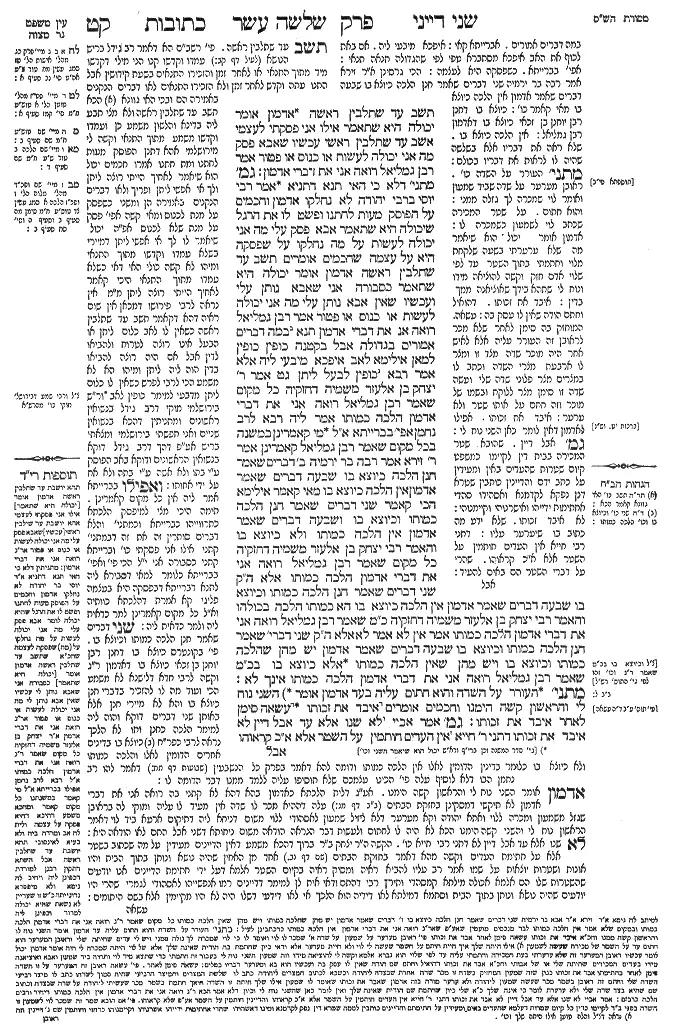
Ketubot 109a - Guemara
תשב עד שתלבין ראשה אדמון אומר יכולה היא שתאמר אילו אני פסקתי לעצמי אשב עד שתלבין ראשי עכשיו שאבא פסק מה אני יכולה לעשות או כנוס או פטור אמר רבן גמליאל רואה אני את דברי אדמון:
גמ׳ מתני' דלא כי האי תנא דתניא אמר רבי יוסי ברבי יהודה לא נחלקו אדמון וחכמים על הפוסק מעות לחתנו ופשט לו את הרגל שיכולה היא שתאמר אבא פסק עלי מה אני יכולה לעשות על מה נחלקו על שפסקה היא על עצמה שחכמים אומרים תשב עד שתלבין ראשה אדמון אומר יכולה היא שתאמר כסבורה אני שאבא נותן עלי ועכשיו שאין אבא נותן עלי מה אני יכולה לעשות או כנוס או פטור אמר רבן גמליאל רואה אני את דברי אדמון תנא במה דברים אמורים בגדולה אבל בקטנה כופין כופין למאן אילימא לאב איפכא מיבעי ליה אלא אמר רבא כופין לבעל ליתן גט אמר ר' יצחק בן אלעזר משמיה דחזקיה כל מקום שאמר רבן גמליאל רואה אני את דברי אדמון הלכה כמותו אמר ליה רבא לרב נחמן אפי' בברייתא א"ל מי קאמרינן במשנה בכל מקום שאמר רבן גמליאל קאמרינן אמר ר' זירא אמר רבה בר ירמיה ב' דברים שאמר חנן הלכה כיוצא בו שבעה דברים שאמר אדמון אין הלכה כיוצא בו מאי קאמר אילימא הכי קאמר שני דברים שאמר חנן הלכה כמותו וכיוצא בו ושבעה דברים שאמר אדמון אין הלכה כמותו ולא כיוצא בו והאמר רבי יצחק בן אלעזר משמיה דחזקיה כל מקום שאמר רבן גמליאל רואה אני את דברי אדמון הלכה כמותו אלא ה"ק שני דברים שאמר חנן הלכה כמותו וכיוצא בו שבעה דברים שאמר אדמון אין הלכה כיוצא בו הא כמותו הלכה בכולהו והאמר רבי יצחק בן אלעזר משמיה דחזקיה כ"מ שאמר רבן גמליאל רואה אני את דברי אדמון הלכה כמותו אמר אין לא אמר לא אלא ה"ק שני דברי' שאמר חנן הלכה כמותו וכיוצא בו שבעה דברים שאמר אדמון יש מהן שהלכה כמותו וכיוצא בו ויש מהן שאין הלכה כמותו אלא כיוצא בו בכ"מ שאמר רבן גמליאל רואה אני את דברי אדמון הלכה כמותו אינך לא:
מתני׳ העורר על השדה והוא חתום עליה בעד אדמון אומר השני נוח לי והראשון קשה הימנו וחכמים אומרים איבד את זכותו עשאה סימן לאחר איבד את זכותו:
גמ׳ אמר אביי לא שנו אלא עד אבל דיין לא איבד את זכותו דתני ר' חייא אין העדים חותמין על השטר אלא א"כ קראוהו
Comments from Rashi on Masechet Ketubot Page 109a
במה דברים אמורים . אברייתא קאי: איפכא מיבעי ליה . אם באת לכוף את האב איפכא מסתברא טפי לפי שהגדולה תנאה תנאי: אפי' בברייתא . כשפסקה היא לעצמה: הכי גרסינן א"ר זירא אמר רבה בר ירמיה שני דברים שאמר חנן הלכה כיוצא בו שבעה דברים שאמר אדמון אין הלכה כיוצא בו מאי קאמר כו' . כיוצא בו דחנן רבן יוחנן בן זכאי כיוצא בו דאדמון רבן גמליאל: אין הלכה כיוצא בו . שלא ראה את דבריו אלא בשלשה שהיה לו לראות את דבריו בכולם: מתני' העורר על השדה כו' . ראובן מערער על שדה שביד שמעון ואומר לוי שמכרה לך גזלה ממני: והוא חתום . על שטר המכירה שכתב לוי לשמעון כשמכרה לו: אדמון אומר . יכול הוא שיאמר מה שלא ערערתי בשעה שלקחת מלוי וחתמתי בתוך השטר עד לפי שלוי אדם חזק וקשה להוציאה מידו ונוח לי שתהא בידך שאוציאנה ממך בדין: איבד את זכותו . דהואיל וחתם הודה שאין לו עסק בה: עשאה . המוחזק בה סימן לאחר שלא מכר לראובן זה העורר עליה אלא לאיש אחר היה מוכר שדה מצד זו ומצר לו ארבעת מצרי השדה וכתב לו במצרים מצר פלוני שדה שלי ועשה שדה זו סימן מצר ללוקח ובשמו של מוכר וזה חתם על אותו שטר ולא ערער: איבד את זכותו . אפילו לאדמון דאין לומר כאן השני נוח לי: גמ' אבל דיין . שהובא שטר המכירה בבית דין לקיימו כמשפט קיום שטרות שהעדים באין ומעידין על כתב ידם והדיינין כותבין שטרא דנן נפקא לקדמנא ואסהידו סהדי אחתימות ידייהו ואישרנוהי וקיימנוהי: לא איבד זכותו . שלא ידע מה כתוב בו שיערער עליו: דתני רבי חייא אין העדים חותמין על השטר אלא א"כ קראוהו . שהרי על דברי השטר הם באים להעיד:
Comments from Tosafot - Ketubot 109a
תשב עד שתלבין ראשה . פי' רשב"ם הא דאמר רב גידל בריש הנושא (לעיל כתובות דף קב:) עמדו וקדשו קנו הני מילי דקדשו מיד מתוך התנאי או לאחר זמן והזכירו התנאים בשעת קידושין אבל התנו עתה וקדש לאחר זמן ולא הזכירו התנאים לאו דברים הנקנים באמירה הם ובכי האי גוונא הכא תשב עד שתלבין ראשה ולא מצי תבע ליה בדינא והלשון משמע כן ועמדו וקדשו משמע מתוך התנאי וקשה לי מירושלמי אהא דתנן הפוסק מעות לחתנו ומת חתנו אמרו חכמים יכול הוא שיאמר לאחיך הייתי רוצה ליתן ולך אי אפשי ליתן ופריך ולאו דברים הנקנים באמירה הן ומשני כשפסק על מנת לכנוס ומאי קשה אפי' פסק על מנת שלא לכנוס אפ"ה יכול שיאמר לו לך אי אפשי ליתן דמיירי בשלא עמדו וקדשו מתוך התנאי ומיהו לא קשה כולי האי דאי כשלא עמדו מתוך התנאי היכי קאמר לאחיך הייתי רוצה ליתן מ"מ אין נראה לרבי פירושו דמכאן אין שום ראיה דהא דקאמר תשב עד שתלבין ראשה כשאין לו לאב כלום ליתן או הבעל אינו רוצה לטרוח ולהביאו לדין אבל אם היה רוצה להביאו בדין הוה ליה ליתן ומיהו הא לא משמע הכי לרבי לפרש כשאין לו כלום ליתן מדבעי למימר כופין לאב ור"ש בירושלמי מוקי דרב גידל בנשואין ראשונים ומתניתין דהכא בנשואין שניים ואני חפשתי בירושלמי ומצאתי בריש אע"פ דהך דרב גידל דוקא בנשואין הראשונים ודוקא באב הפוסק ע"י בתו ולא אשה ע"י בתה ולא אח על ידי אחותו: ואפילו בברייתא אמר ליה אין כל מקום קאמרינן . תימה היכי מצי למיפסק הלכתא כתרווייהו כברייתא וכמתני' והלא דברים סותרין זה את זה דבמתני' קתני אילו אני פסקתי כו' וברייתא קתני כסבורה אני י"ל הכי פי' ואפי' בברייתא כלומר למאי דסבירא ליה לתנא דברייתא דבפסקה היא בעצמה פליגי קא אמרת דהלכתא כוותיה וא"ל כל מקום קאמרינן למר כדאית ליה ולמר כדאית ליה: שני דברים שאמר חנן הלכה כמותו וכיוצא בו . פי' בקונטרס כיוצא בו דחנן רבן יוחנן בן זכאי כיוצא בו דאדמון ר"ג וקשה לרבי חדא דלישנא לא משמע הכי ועוד מה לו להזכיר בדברי חנן כיוצא בו והא לא מיירי חנן אלא באותן שני דברים דוקא והוה ליה למימר הלכה כחנן ותו לא הלכך נראה לרבי כפר"ח כיוצא בו בדינים אחרים הדומין לאלו והלכה כמותו ולא כיוצא בו כלומר בדינין הדומין לאלו אין הלכה כמותו ודומה להא דאמר בפרק כל הנשבעין (שבועות דף מח:) דאמר להו רב נחמן הבו דלא לוסיף עלה פי' הכינו עצמכם שלא תוסיפו עליה ללמד ממנו דבר הדומה לו: אדמון אומר השני נוח לי והראשון קשה הימנו . אע"ג דלית הלכתא כאדמון בהא דהא לא קתני בה רואה אני את דברי אדמון לא תיקשי דמסקינן בחזקת הבתים (ב"ב דף מג:) עלה דההיא מכר לו שדה אין מעיד לו עליה ומוקי לה בראובן שגזל משמעון ומכרה ללוי ואתא יהודה וקא מערער דלא ליזיל שמעון לאסהודי ללוי משום דניחא ליה דתיקום ארעא ביד לוי דאמר הראשון נוח לי והשני קשה הימנו הכא לא היה לו לחתום ולעשות דבר הנראה הודאה משום ניחותא דשני אבל התם לאו הודאה היא: אדמון אומר השני נוח לי והראשון קשה הימנו. אע"ג דלית הלכתא כאדמון בהא דהא לא קתני בה רואה אני את דברי אדמון לא תיקשי דמסקינן בחזקת הבתים (ב"ב דף מג:) עלה דההיא מכר לו שדה אין מעיד לו עליה ומוקי לה בראובן שגזל משמעון ומכרה ללוי ואתא יהודה וקא מערער דלא ליזיל שמעון לאסהודי ללוי משום דניחא ליה דתיקום ארעא ביד לוי דאמר הראשון נוח לי והשני קשה הימנו הכא לא היה לו לחתום ולעשות דבר הנראה הודאה משום ניחותא דשני אבל התם לאו הודאה היא: עשאה סימן לאחר . מתוך הלשון משמע דאעורר קאי כגון שמכר אחת משדותיו ועשאה סי' בשם המוחזק ובגמ' הכי פי' לא שנו אלא לאחר אבל לעצמו לא איבד כלומר אם מכר מערער אחת משדותיו למוחזק לאו הודאה היא דאי לאו דעבדי הכי לא היה המוחזק קונה שדה ממני ואני הייתי צריך למעות ולא גרסי' מזבין אלא זבין ובירושלמי משמע כרש"י שהביא בפי' ר"ח ולא סוף דבר שעשאה העורר סימן לאחר אלא אפילו עשאה אחר לאחר והעורר חתום בעד איבד זכותו: לא שנו אלא עד אבל דיין לא דתני רבי חייא כו' . הקשה ה"ר יצחק ב"ר ברוך דהכא משמע דאין הדיינים מעידין על מה שכתוב בשטר אלא על חתימת העדים וקשה מהא דאמר בחזקת הבתים (שם דף נב.) אחד מן האחין שהיה נושא ונותן בתוך הבית והיו אונות ושטרות יוצאות על שמו אמר רב עליו להביא ראיה ומסיק ראיה בקיום השטר אלמא דעל ידי חתימת הדיינים אנו יודעים שהשטרות שלו הם אלמא אכולה מילתא קמסהדי ותירץ רבי דהתם ודאי אית לן למימר דדיינים רמו אנפשייהו לאסהודי לגמרי שהרי היו יודעים שהיה נושא ונותן בתוך הבית וסתמא דמילתא לאו דידיה הוא הלכך אי לאו דידעי דשלו היה לא היו מקיימין אלא בשם היתומים:
Ketubot 109a - Mishnah translated into english
the betrothed woman can be left to sit unwed in her father’s house until her head turns white. If the groom does not wish to marry without a dowry he cannot be forced to do so, as the father failed to fulfill his promise. Admon says that she can say: Had I apportioned the money myself and broken my promise, I would agree to sit until my head turns white. However, now that my father was the one who apportioned the dowry, what can I do? Either marry me or release me by a bill of divorce. Rabban Gamliel said: I see as correct the statement of Admon.
GEMARA: The mishna is not in accordance with the opinion of this tanna, as it is taught in the Tosefta (13:1) that Rabbi Yosei, son of Rabbi Yehuda, said: Admon and the Rabbis did not disagree with regard to one who promises and apportions money for his son-in-law as a dowry and subsequently went bankrupt, that the betrothed woman can say: My father apportioned money for me; what can I do?
With regard to what did they disagree? It is with regard to a case where she apportioned money for herself, as the Rabbis say: Let her sit until her head turns white, as she did not fulfill her promise. However, Admon says that she can say: I thought that my father would give the money for me, and now that my father is not giving the money for me, what can I do? Either marry me or release me. And it is with regard to this case that Rabban Gamliel said: I see as correct the statement of Admon, as the betrothed woman has no money of her own, and she was clearly relying on her father to provide the dowry.
§ It is taught: In what case is this statement said? It is said in the case of an adult woman. However, with regard to a minor girl, the court compels payment. The Gemara asks: Whom do they compel? If we say that they coerce the father to pay, the tanna should have stated the opposite. It is more reasonable to suggest that the father is compelled to pay when an adult woman promises the money, as the promises of an adult are legally valid, whereas a minor is not legally competent and therefore her promises are of no consequence. Rather, Rava said: In the case of a minor, the court compels the groom either to give her a bill of divorce or to marry her.
§ Rabbi Yitzḥak ben Elazar said in the name of Ḥizkiyya: Anywhere it is recorded that Rabban Gamliel said: I see as correct the statement of Admon, the halakha is in accordance with his opinion. Rava said to Rav Naḥman: Does this halakhic principle apply even when the debate between Admon and the Rabbis is recorded in a baraita? Rav Naḥman said to him: Did we say: Anywhere it is recorded in the Mishna? We said: Anywhere it is recorded that Rabban Gamliel said, which means even in a baraita.
Rabbi Zeira said that Rabba bar Yirmeya said: With regard to the two statements that Ḥanan said, the halakha is in accordance with he who ruled similarly to him, i.e., Rabban Yoḥanan ben Zakkai (see 107b); however, with regard to the seven statements that Admon said, the halakha is not in accordance with he who ruled similarly to him, i.e., Rabban Gamliel. The Gemara asks: What is he saying? What does this ruling mean?
If we say that this is what he is saying: With regard to the two statements that Ḥanan said, the halakha is in accordance with his opinion and in accordance with he who ruled similarly to him, and with regard to the seven statements that Admon said, the halakha is not in accordance with his opinion and also not in accordance with he who ruled similarly to him, but didn’t Rabbi Yitzḥak ben Elazar say in the name of Ḥizkiyya: Anywhere it is recorded that Rabban Gamliel said: I see as correct the statement of Admon, the halakha is in accordance with his opinion.
Rather, this is what Rabbi Zeira is saying: With regard to the two statements that Ḥanan said, the halakha is in accordance with his opinion and is also in accordance with he who ruled similarly to him, i.e., Rabban Yoḥanan ben Zakkai. With regard to the seven statements that Admon said, the halakha is not only in accordance with the ruling of Rabban Gamliel, who ruled similarly to Admon in three of these cases. Rather, the halakha is in accordance with Admon’s ruling in all seven cases.
The Gemara questions this interpretation: Didn’t Rabbi Yitzḥak ben Elazar say in the name of Ḥizkiyya: Anywhere it is recorded that Rabban Gamliel said: I see as correct the statement of Admon, the halakha is in accordance with his opinion? It may be inferred from here that in those cases concerning which Rabban Gamliel said his statement, yes, the halakha is in accordance with Admon’s ruling, but in those cases where Rabban Gamliel did not say his statement, no, the halakha is not in accordance with the opinion of Admon.
Rather, this is what Rabbi Zeira is saying: With regard to the two statements that Ḥanan said, the halakha is in accordance with his opinion and is also in accordance with he who ruled similarly to him. With regard to the seven statements that Admon said, there are among these rulings those in which the halakha is in accordance with his opinion and in accordance with he who ruled similarly to him, and there are among these rulings those in which the halakha is not in accordance with his opinion but in accordance with he who ruled similarly to him.
The Gemara explains the above statement. In other words, anywhere it is recorded that Rabban Gamliel said: I see as correct the statement of Admon, the halakha is in accordance with his opinion, whereas in those other cases, where Rabban Gamliel remained silent, indicating that he did not agree with him, the halakha is not in accordance with Admon.
MISHNA: With regard to one who contests ownership of a field, claiming that a field under the control of someone else actually belongs to him, and the claimant himself is signed as a witness on the bill of sale to that other person, Admon says: His signature does not disprove his claim of ownership of the property, as it is possible that the claimant said to himself: The second person is easier for me, as I can reason with him, but the first owner, who sold the field to the current holder, is more difficult to deal with than him. The claimant might have been afraid to protest against the first one, who is perhaps violent, and therefore he was even willing to sign as a witness to transfer the field to the control of someone more amenable to his ensuing protest.
And the Rabbis say: He has lost his right to contest ownership, as he signed a bill of sale that states that the field belongs to the present holder. If he established that field as a marker for another field, everyone agrees that he has lost his right. In other words, if the claimant wrote a document concerning another field and in that document he listed the first field as a boundary marker and described it as belonging to someone else, even Admon concedes that he has lost his right, as he had no reason to say it belonged to someone else other than his belief this was in fact the case.
GEMARA: Abaye said: They taught this dispute only with regard to a witness who signed on a bill of sale. However, a judge who was contesting the ownership of a field and at the same time sat on a court that certified the bill of sale for that very tract of land has not lost his right. This is as Rabbi Ḥiyya taught: Witnesses do not sign a document unless they have read it, which means that a witness cannot reasonably claim that he is certifying only part of document; it is assumed that he read and is aware of everything it contains.
Traduction : The William Davidson digital edition of the Koren Noé Talmud, with commentary by Rabbi Adin Even-Israel Steinsaltz.