 Talmud Bavli
Ketubot 64a : Youtube
Daf TubeYoutube
1 video class :
Ketubot Page 64a
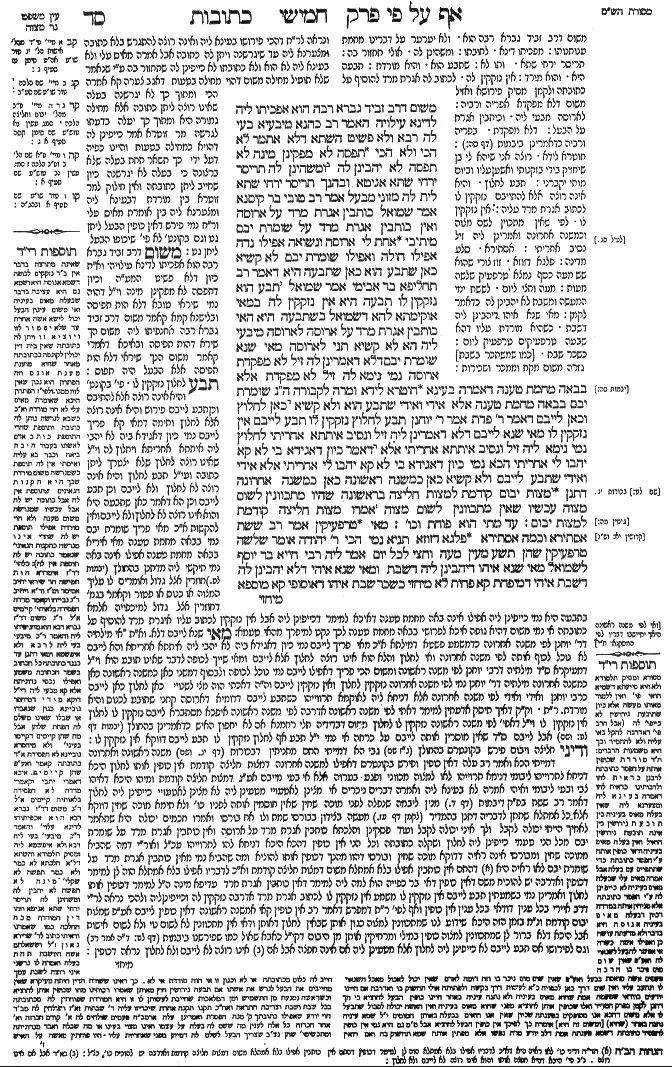
Ketubot 64a - Guemara
משום דרב זביד גברא רבה הוא אפכיתו ליה לדינא עילויה האמר רב כהנא מיבעיא בעי לה רבא ולא פשיט השתא דלא אתמר לא הכי ולא הכי תפסה לא מפקינן מינה לא תפסה לא יהבינן לה ומשהינן לה תריסר ירחי שתא אגיטא ובהנך תריסר ירחי שתא לית לה מזוני מבעל אמר רב טובי בר קיסנא אמר שמואל כותבין אגרת מרד על ארוסה ואין כותבין אגרת מרד על שומרת יבם מיתיבי אחת לי ארוסה ונשואה אפילו נדה אפילו חולה ואפילו שומרת יבם לא קשיא כאן שתבע הוא כאן שתבעה היא דאמר רב תחליפא בר אבימי אמר שמואל תבע הוא נזקקין לו תבעה היא אין נזקקין לה במאי אוקימתא להא דשמואל בשתבעה היא האי כותבין אגרת מרד על ארוסה לארוסה מיבעי ליה הא לא קשיא תני לארוסה מאי שנא שומרת יבם דלא דאמרינן לה זיל לא מפקדת ארוסה נמי נימא לה זיל לא מפקדת אלא בבאה מחמת טענה דאמרה בעינא חוטרא לידא ומרה לקבורה ה"נ שומרת יבם בבאה מחמת טענה אלא אידי ואידי שתבע הוא ולא קשיא כאן לחלוץ וכאן לייבם דאמר ר' פדת אמר ר' יוחנן תבע לחלוץ נזקקין לו תבע לייבם אין נזקקין לו מאי שנא לייבם דלא דאמרינן ליה זיל ונסיב איתתא אחריתי לחלוץ נמי נימא ליה זיל ונסיב איתתא אחריתי אלא דאמר כיון דאגידא בי לא קא יהבו לי אחריתי הכא נמי כיון דאגידא בי לא קא יהבו לי אחריתי אלא אידי ואידי שתבע לייבם ולא קשיא כאן כמשנה ראשונה כאן כמשנה אחרונה דתנן מצות יבום קודמת למצות חליצה בראשונה שהיו מתכוונין לשום מצוה עכשיו שאין מתכוונין לשום מצוה אמרו מצות חליצה קודמת למצות יבום:
עד מתי הוא פוחת וכו':
מאי טרפעיקין אמר רב ששת אסתירא וכמה אסתירא פלגא דזוזא תניא נמי הכי ר' יהודה אומר שלשה טרפעיקין שהן תשע מעין מעה וחצי לכל יום אמר ליה רבי חייא בר יוסף לשמואל מאי שנא איהו דיהבינן ליה דשבת ומאי שנא איהי דלא יהבינן לה דשבת איהי דמיפחת קא פחית לא מיחזי כשכר שבת איהו דאוסופי קא מוספא
Comments from Rashi on Masechet Ketubot Page 64a
משום דרב זביד גברא רבה הוא . ולא יערער על דברינו מחמת ענותנותו: מפכיתו דינא . לחובתו: ומשהינן לה . אולי תחזור בה: תריסר ירחי שתא . ותו לא: שתבע הוא . והיא מורדת: תבעה היא . והוא מורד: אין נזקקין לה . לכתוב לה אגרת מרד להוסיף על כתובתה ולקמן מסיק פירושא ואזיל משום דלא מפקדא אפריה ורביה: לארוסה מבעי ליה . וכותבין אגרת על הבעל: לארוסה מבעי ליה . וכותבין אגרת על הבעל: דלא מפקדת . בפריה ורביה כדאמרינן ביבמות (דף סה:): חוטרא לידא . רוצה אני שיהא לי בן שיחזיק בידי בזקנותי ואשען עליו וביום מותי יקברני: תבע לחלוץ . והיא אינה רוצה אלא להתייבם נזקקין לו לכתוב אגרת מרד עליה: אין נזקקין לו . לפי שאין מתכוין לשם מצוה וכמשנה אחרונה ואמרינן ליה זיל נסיב אחריתי: אסתירא . סלע מדינה: פלגא דזוזא . זוז צורי שהוא שש מעה כסף נמצא טרפעיק שלשה מעות: מעה וחצי ליום . לששת ימי המעשה ומשבת לא יהבינן לה כדאמר לקמן: מאי שנא איהו דיהבינן ליה דשבת . כשהיא מורדת עליו דהא שבעה טרפעיקים טרפעיק ליום: כשכר שבת . [כמו שמשתכר בשבת] גזרה משום מקח וממכר ושכירות:
Comments from Tosafot - Ketubot 64a
משום דרב זביד גברא רבה הוא אפכיתו לדינא עילויה. וא"ת כיון דלא פשיט המע"ה וכיון דתפסה לא מפקינן מינה וי"ל דהוה נמי שיראי טובא דלא הות תפיסה ובלישנא קמא קאמר משום דרב זביד גברא רבה אחנפיתו ליה משום הך שירא דהות תפיסה ובאיכא דאמרי קאמר משום הנך שיראי דלא הות תפיסה אלא הבעל היה תפוס: תבע לחלוץ נזקקין לו. פי' בקונט' והיא אינה רוצה אלא להתיבם וכן תבע לייבם פירוש והיא אינה רוצה אלא לחלוץ ותימה דמאי קא פריך לייבם נמי כיון דאגידא ביה לא יהבי ליה איתתא אחריתא ויחלוץ לה וי"ל שאינו רוצה לחלוץ שלא יצטרך ליתן כתובה ועי"ל תבע לחלוץ והיא אינה רוצה לא לחלוץ ולא לייבם וכן תבע לייבם וכן הא דאמר כאן שתבעה היא והוא אינו רוצה לא לחלוץ ולא לייבם ואין להקשות א"כ מאי פריך שומרת יבם נמי בבאה מחמת טענה מאי איריא בבאה מחמת טענה אפילו אינה באה נמי תיקשי ליה מדתנן בהחולץ (יבמות לט.) חוזרין אצל גדול ואומרים לו עליך המצוה או כנוס או פטור וקאמר בגמ' דחוזרין אצל גדול למיכפייה אלמא בתבעה היא נמי כייפינן ליה אפילו אינה באה מחמת טענה דאיכא למימר דכייפינן ליה אבל אין נזקקין לכתוב עליו איגרת מרד להוסיף על כתובתה אי נמי משום דהיא גופה איכא לפרושי בבאה מחמת טענה לכך נקט למיפרך מהאי טעמא: מאי שנא לייבם דלא. וא"ת. אי מילתיה דר' יוחנן לפי משנה אחרונה כדמשמע פשטא דמילתא א"כ מאי פריך לייבם נמי כיון דאגידא ביה לא יהבי ליה איתתא אחריתא והא לייבם לא נוכל לכוף אותה לפי משנה אחרונה ואי לחלוץ והלא הוא אינו רוצה לחלוץ אלא לייבם ומאי שייך לכופה לדבר שאינו תובע הוא וי"ל דמעיקרא ס"ד מילתיה דרבי יוחנן לפי משנה ראשונה ומשום הכי פריך דאפילו לייבם נמי נוכל לכופה ולבסוף דמשני כאן כמשנה ראשונה כאן כמשנה אחרונה מילתיה דר' יוחנן נמי לפי משנה אחרונה נזקקין לחלוץ ואין נזקקין לייבם וה"ה דאכתי הוה מצי לשנויי כאן לחלוץ כאן לייבם כרבי יוחנן ואידי ואידי לפי משנה אחרונה אלא דניחא ליה לאוקמא תרווייהו כשתבע לייבם דדומיא דארוסה קתני שתובע לכנוס והיא . מורדת. ר"ת. וק"ק דאיך תיסק אדעתין למימר דאתי לפי משנה ראשונה אדרבה לפי משנה ראשונה איפכא מסתברא לייבם נזקקין לו לחלוץ אין נזקקין לו וי"ל דאפי' לפי משנה ראשונה נזקקין לו לחלוץ משום דבדידיה תלי רחמנא אם לא יחפוץ האיש כדאמרינן בהחולץ (יבמות דף לט: ושם) אבל לייבם ס"ד שאין מוסרין אותה לייבם על כרחה אי נמי י"ל תבע אף לחלוץ נזקקין לו תבע לייבם דווקא אין נזקקין לו: ודיני חליצה ויבום פירש בקונטרס בהחולץ (ג"ז שם) גבי הא דמייתי התם מתניתין דבכורות (דף יג. ושם) משנה ראשונה ואחרונה דמייתי הכא ואמר רב עלה דאין כופין ופירש בקונטרס דאפילו למשנה אחרונה דמצות חליצה קודמת אין כופין אותו לחלוץ היכא דניחא לתרוייהו ליבומי דנימא תרוייהו לאו למצוה מכווני ופגע בערוה אלא אי בעי מייבם אע"ג דמצות חליצה קודמת ומיהו היכא דאיהו צבי ובעי ליבומי ואיהי אמרה לא בעינא ליה ואמרה דברים ניכרים אי מצינן לאטעויי מטעינן ליה לא מצינן לאטעויי כייפינן ליה לחלוץ דאמר רב ששת בפ"ק דיבמות (דף ד.) מנין ליבמה שנפלה לפני מוכה שחין שאין חוסמין אותה לפניו כו' ולא תימא מוכה שחין דווקא אלא כל אמתלא שתתן לדבריה דתנן בהמדיר (לקמן כתובות דף עז.) מעשה בצידון בבורסי שמת ולו אח בורסי ואמרו חכמים יכולה היא שתאמר לאחיך הייתי יכולה לקבל ולך איני יכולה לקבל ועוד פסקינן והלכתא כותבין אגרת מרד על ארוסה ואין כותבין אגרת מרד על שומרת יבם מכל הני טעמי כייפינן ליה לחלוץ ושקלה כתובתה וכל הני אין כופין דהכא היכא דניחא להו לתרוייהו עכ"ל ואור"י דמה שהביא ממוכה שחין ומבורסי אינה ראיה דדוקא מוכה שחין ובורסי דהוו מהנך דכופין אותו להוציא ומה שהביא נמי מאין כותבין אגרת מרד על שומרת יבם לאו ראיה היא דהתם אין כותבין אפילו בלא אמתלא משום דמצות חליצה קודמת וא"כ לדבריו אפילו בלא אמתלא הוה לן למימר דכופין ואדרבה יש להוכיח משם דאין כופין דאי בר כפייה הוא למה ליה למימר דאין כותבין אגרת מרד עדיפא מינה ה"ל למימר דכופין אותו לחלוץ ואמרינן נמי בשמעתין תבע לייבם אין נזקקין לו משמע אין נזקקין לו לכתוב אגרת מרד אדרבה נזקקין לה וכייפינן ליה ולהכי נראה לר"י דרב איירי בכל ענין דודאי בכל ענין אין כופין ואף לפי' ר"ת דמפרש דאמר רב אין כופין קאי אמשנה ראשונה דאין כופין לייבם אע"פ שמצות יבום קודמת ונ"מ בזמן הזה היכא שידוע לנו שמתכוונין למצוה כגון אותן שבאין לחלוץ דאותן ודאי אין מתכוונין לא לשום נוי ולא לשום אישות אבל היכא דלא ברור לן שמתכוונין למצוה כופין במילי ומרחיקין אותן מן היבום דקי"ל כאבא שאול כמו שפירשנו ביבמות (דף לט: ד"ה אמר רב) וגם לפירושו אם תבע לייבם לא כייפינן ליה לחלוץ אלא מטעינן ליה אם אינה חפצה אבל אם אינו רוצה לא לייבם ולא לחלוץ נראה דכופין:
Ketubot 64a - Mishnah translated into english
Because Rav Zevid is a great man, and due to his piety and humility he would not challenge the ruling, you twist the judgment against him? Didn’t Rav Kahana say: Rava raises a dilemma with regard to this issue and did not resolve it, so how did you rule that she may retain her worn clothes? The Gemara summarizes: Now that it was not stated and concluded this way or that way, if she seized an item of her possessions, we do not take it away from her, but if she did not seize it, we do not give it to her.
The Gemara adds another halakha with regard to a rebellious woman: And we delay her bill of divorce for twelve months of the year and do not give her a bill of divorce until then. And during those twelve months of the year she does not receive sustenance from her husband.
§ Rav Tuvi bar Kisna said that Shmuel said: The court writes a letter of rebellion about a betrothed woman who is rebelling against her husband. This letter is a court order to deduct value from the marriage contract. But it does not write a letter of rebellion about a widow awaiting her yavam who does not want to enter into levirate marriage. The Gemara raises an objection from a baraita: It is the same to me if she is a betrothed woman or a married woman, and even if she is a menstruating woman, and even if she is ill, and even if she is a widow awaiting her yavam.
The Gemara answers: This is not difficult, as the contradiction can be resolved in the following way: Here, where there is no distinction between a betrothed woman and a widow awaiting her yavam, it refers to a case where he asked to marry her and she is refusing; there, where there is a distinction, the case is where she asked to marry him and he is refusing. As Rav Taḥalifa bar Avimi said that Shmuel said: If he asked, the court responds to his request and gives her the status of a rebellious woman, but if she asked, it does not respond to her request and does not add to her marriage contract.
The Gemara inquires: In what manner did you establish that which Shmuel said, that one writes a letter of rebellion about a betrothed woman but not about a widow awaiting her yavam? If it is a situation where she asked to marry him and he did not want, then why phrase this: The court writes a letter of rebellion about a betrothed woman, which indicates that the bill is written against her. It should have said instead: Write a letter of rebellion for a betrothed woman, meaning it is written on her behalf against her husband. The Gemara answers: This is not difficult, as the text is imprecise. Teach the statement instead this way: For a betrothed woman.
The Gemara asks: What is different about a widow awaiting her yavam, for whom a letter of rebellion is not written against her husband? Because we say to her: Go away; you are not commanded to procreate. Therefore, although she cannot get married, he cannot be compelled to perform an act that the Torah does not specifically command him to perform. The Gemara challenges this answer: If this is the reasoning, then in the case of a betrothed woman, too, let us say to her: Go away; you are not commanded. Rather, the case where a letter of rebellion is issued must be referring to a woman who comes with a claim, saying: I want a staff in my hand and a hoe for burial, i.e., I want children who will support me in my old age and attend to my burial after my death. This claim is valid, and therefore the court issues a letter of rebellion against the husband.
The Gemara asks: So too here, if she is a widow awaiting her yavam who comes with a claim, why shouldn’t the court listen to her? Rather, the Gemara retracts the explanation that she asked him to marry her. Instead, say that both this and that are discussing situations where he asks her and she rebels, and the question from the baraita on Shmuel’s statement is not difficult. Here, the baraita that said that the court writes a letter of rebellion about a widow awaiting her yavam, is referring to a case where the yavam asked her to perform ḥalitza and she refused. There, Shmuel’s statement that the court does not write it, is referring to a case where he asked to consummate the levirate marriage, as Rabbi Pedat said that Rabbi Yoḥanan said: If the yavam asked her to perform ḥalitza and she refused, the court responds to him. If he asked to perform levirate marriage, the court does not respond to him.
The Gemara asks: What is different with regard to the request to consummate the levirate marriage, that if a woman refuses the court does not write a letter of rebellion against her? Because we say to him: Go and marry another woman. He is not required to marry her specifically, if she does not agree to the marriage. Therefore, her refusal is not deemed rebellion. The Gemara challenges that answer: If so, with regard to a request to perform ḥalitza also, let us say to him: Go and marry another woman. The difference between the two cases is still not clear.
Rather, it must be that the reason is because he says: Since she is attached to me they will not give me another wife. As long as he has not performed ḥalitza, he may have a problem finding another wife, as a potential wife will be concerned that he has a woman attached to him and may eventually enter levirate marriage with him. This is a valid claim, and therefore the court writes a letter of rebellion against her if she refuses ḥalitza.
The Gemara asks: If so, here too, when she refuses a request to consummate the levirate marriage, he may say: Since she is attached to me they will not give me another. Why then doesn’t the court write a letter of rebellion in this case? Rather, one must say that this and that are both discussing a case where he asked to consummate the levirate marriage. And it is not difficult. Here, in the baraita, where the court writes a letter of rebellion, it is in accordance with the first mishna. There, in Shmuel’s statement, where it doesn’t write one, it is in accordance with the ultimate version of the mishna.
As we learned in a mishna (Bekhorot 13a): The mitzva of levirate marriage precedes the mitzva of ḥalitza. This halakha originally applied when people would intend to perform the levirate marriage for the sake of the mitzva. At that time, it was customary to compel a woman to enter levirate marriage. If she refused, the court wrote a letter of rebellion about her. However, now that people do not intend to enter levirate marriage for the sake of the mitzva, but may have other intentions, the Sages said: The mitzva of ḥalitza precedes the mitzva of levirate marriage. Shmuel’s statement that the court does not write a letter of rebellion about a widow awaiting her yavam is in accordance with the ultimate version of the mishna.
§ The mishna asks: Until when does he reduce her marriage contract? And in that context it states that, according to the opinion of Rabbi Yehuda, the sums involved are calculated in terapa’ikin and not in dinars. The Gemara asks: What are terapa’ikin? Rav Sheshet said: An asteira, a small coin. And how much is an asteira? A half of a dinar. This is also taught in a baraita: Rabbi Yehuda says: Three terapa’ikin, which are nine ma’as, a ma’a and a half for each day, multiplied by six for the six days of the week.
Rabbi Ḥiyya bar Yosef said to Shmuel: What is different when she is the one rebelling against him, that we give him compensation for Shabbat, as her marriage contract is reduced by seven dinars a week, which is one dinar per day including Shabbat, and what is different for her that we do not give her compensation for Shabbat but rather only for six days? The Gemara explains: When it is she who is fined and her marriage contract is reduced, it does not appear to be Shabbat wages, money paid for services rendered on Shabbat, which is prohibited. Whereas when it is he who is fined and compelled to add additional money every day to her marriage contract,
Traduction : The William Davidson digital edition of the Koren Noé Talmud, with commentary by Rabbi Adin Even-Israel Steinsaltz.